Peoria, Arizona
Home Battery Backup in Peoria
APS puts weekday on-peak at 4–7 p.m. A Peoria battery has to cover monsoon outages and that three-hour window — or it is only half-designed.
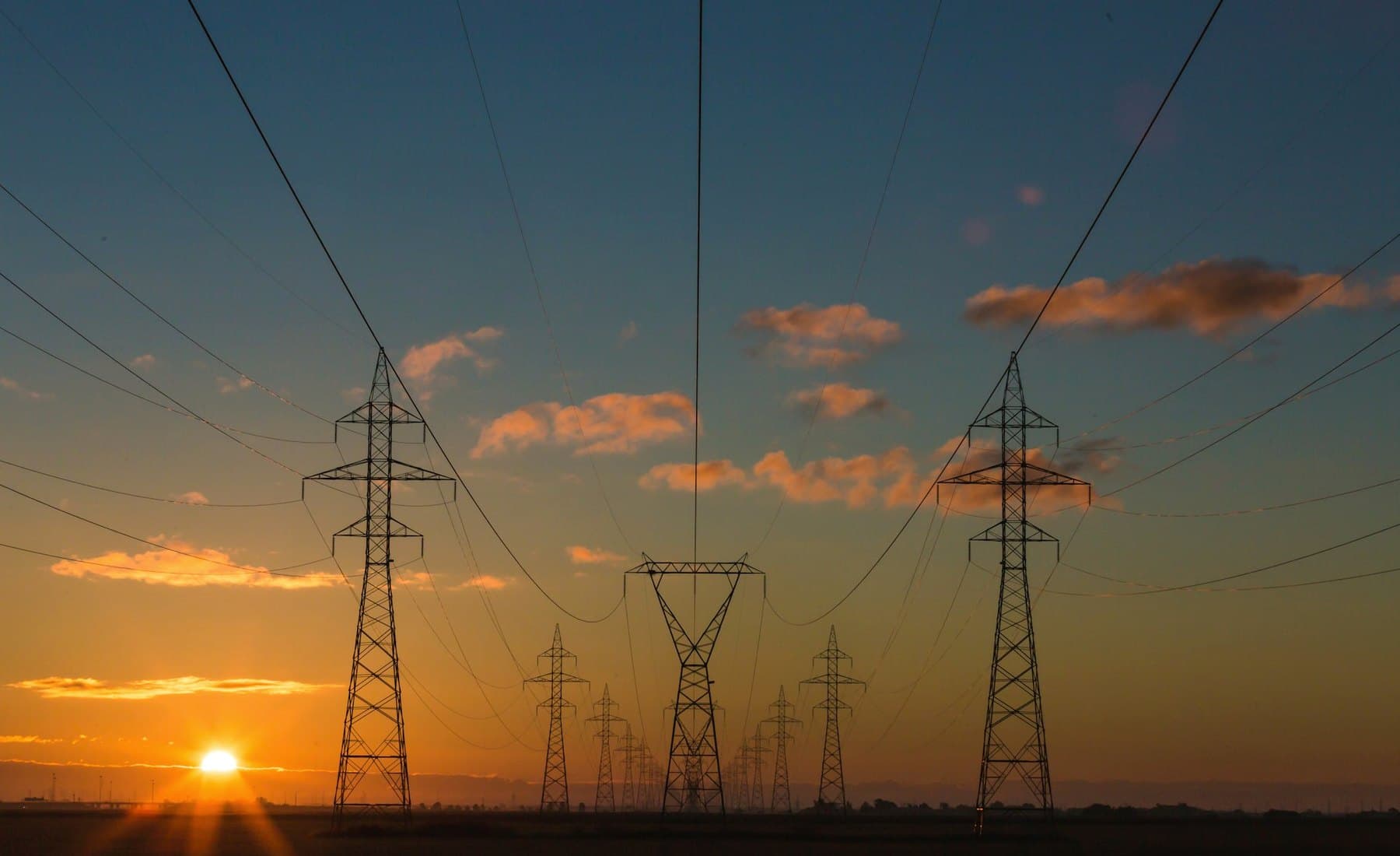
Under APS TOU plans, on-peak is 4 p.m. to 7 p.m. on weekdays — later and shorter than SRP's summer 2–8 p.m. window.
The short answer
Peoria is largely Arizona Public Service (APS) territory. Grid-tied solar still produces nothing in an outage; a battery with the right switching keeps selected circuits up. On ordinary weekdays, APS's Time-of-Use 4pm–7pm plans define on-peak as 4 p.m. to 7 p.m. — the hours a battery can also keep the house off the most expensive grid power.
We size to a critical load panel, set a reserve that survives both a monsoon evening and a weekday peak, and confirm whether the meter is APS or an SRP pocket before anyone orders equipment. No runtime or bill-savings figure is promised from a webpage.
Find out what a battery would run in your house
Tell us your Peoria-area address and whether you already have solar. We confirm coverage and utility first, then size to a critical load panel — and handle the interconnection paperwork rather than leaving it with you.
Three things that are specific to here
Not just the monsoon — the weekday late afternoon. These are what change a Peoria design from a generic West Valley brochure.
APS on-peak is 4 to 7 p.m. on weekdays
APS's current Time-of-Use 4pm–7pm Weekdays plans define on-peak hours as 4 p.m. to 7 p.m. on weekdays. Weekends and APS's listed holidays are off-peak. That is a shorter, later window than SRP's E-27 summer 2–8 p.m. peak — and it changes when a Peoria battery should still be full.
Winter super off-peak is part of the plan
On the TOU 4pm–7pm plans, winter billing months (November–April bills) include super off-peak hours from 10 a.m. to 3 p.m. on weekdays (excluding off-peak holidays). Midday charging from solar or the grid in those months is a different design problem from a Chandler SRP summer afternoon.
Demand charge plans measure the highest on-peak hour
APS's Time-of-Use 4pm–7pm Weekdays with Demand Charge adds a monthly demand charge based on the highest hour of usage during on-peak hours. A battery that shaves that single hour is doing a different job from one that only exports at noon. Saver Choice Plus (legacy 3–8 p.m.) is frozen to existing customers.
What a Peoria battery actually runs
A monsoon outage produces the critical-load list. The APS 4–7 p.m. peak window decides how much of the battery is still available when the storm arrives.
Refrigeration through a monsoon outage
A West Valley outage in July is a food-safety problem before it is a comfort problem. Refrigerators and freezers belong on the critical load panel; pool equipment usually does not.
Air conditioning — managed, not assumed
Whole-house AC will empty a residential battery that was meant to keep essentials up overnight. Managed-load designs that run a single high-efficiency unit or selected circuits are a deliberate choice.
Networking, medical equipment, garage freezers
Small continuous draws with high consequences. Oxygen concentrators, CPAP machines and powered mobility belong in the first conversation.
A reserve that survives a 4–7 p.m. weekday
If the battery also covers APS's on-peak window on ordinary weekdays, the reserve floor for an evening storm has to be set on purpose. Leaving every kilowatt-hour available for bill management can leave nothing for the outage that arrives at 9 p.m.
The rules are part of the design, not the brochure
Storage installed and inspected is not storage that is allowed to run in parallel with the grid. What permission to operate actually checks is the same for storage as for solar, and adding a battery to an existing array is its own application.
Siting is answerable before anyone visits. The home battery siting checker walks the locations the residential code permits, and where a home battery can and cannot be installed explains the reasoning.
Across the East Valley, Chandler covers SRP's E-27 2–8 p.m. summer peak. Phoenix and Mesa cover monsoon backup with less APS detail. If the house also needs water treatment, the Peoria water quality page covers the city CCR.
Where these facts come from
- APS — Compare residential service plans — Time-of-Use 4pm–7pm Weekdays; with Demand Charge; winter super off-peak; holiday list.
- APS — Saver Choice Plus — frozen plan note (existing customers; legacy 3–8 p.m. window).
What a home battery job with us covers
Installation of storage and the backup circuits behind it, with the siting and utility paperwork handled.
Battery installation
Wall or floor-mounted storage installed to the listing and to the residential code sections that govern where it may go.
Backup and critical load panel
Deciding and wiring which circuits stay live, and which must never be on backup — the choice that defines what an outage feels like.
Integration with existing PV solar
Connecting storage to an array that is already on the roof, including whether the existing inverter supports it.
Transfer switch and disconnection
The equipment that separates the house from the grid during an outage, which is what makes backup legal as well as possible.
Siting to code
Location, clearances, separation and impact protection assessed against the adopted code before anything is mounted.
Permit, inspection and utility approval
The electrical permit, the inspection, and the utility's own approval step where storage touches the service.
This is installation work. No runtime, capacity or incentive figure is quoted before your loads and your utility are confirmed. Coverage is confirmed per service area rather than promised as blanket availability.
What the work actually looks like
A battery job is an electrical job. The panel, the circuits and the disconnection are most of it.
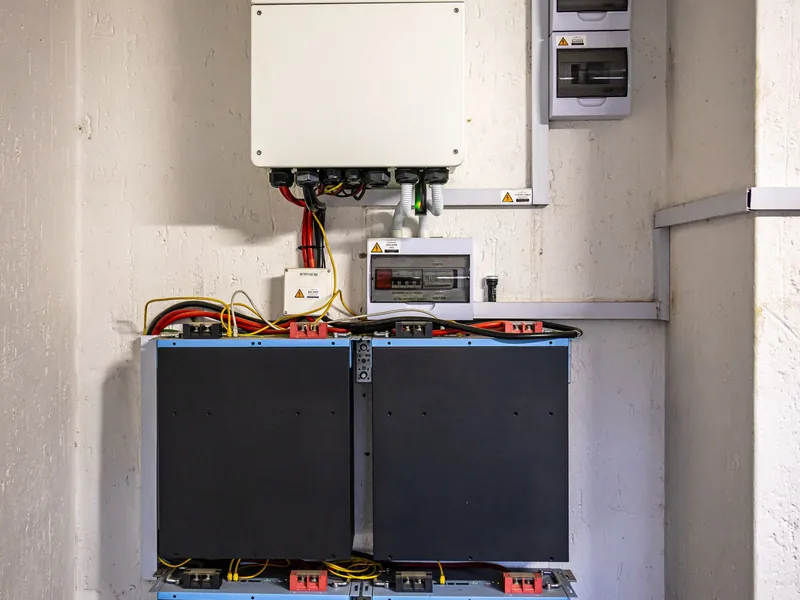
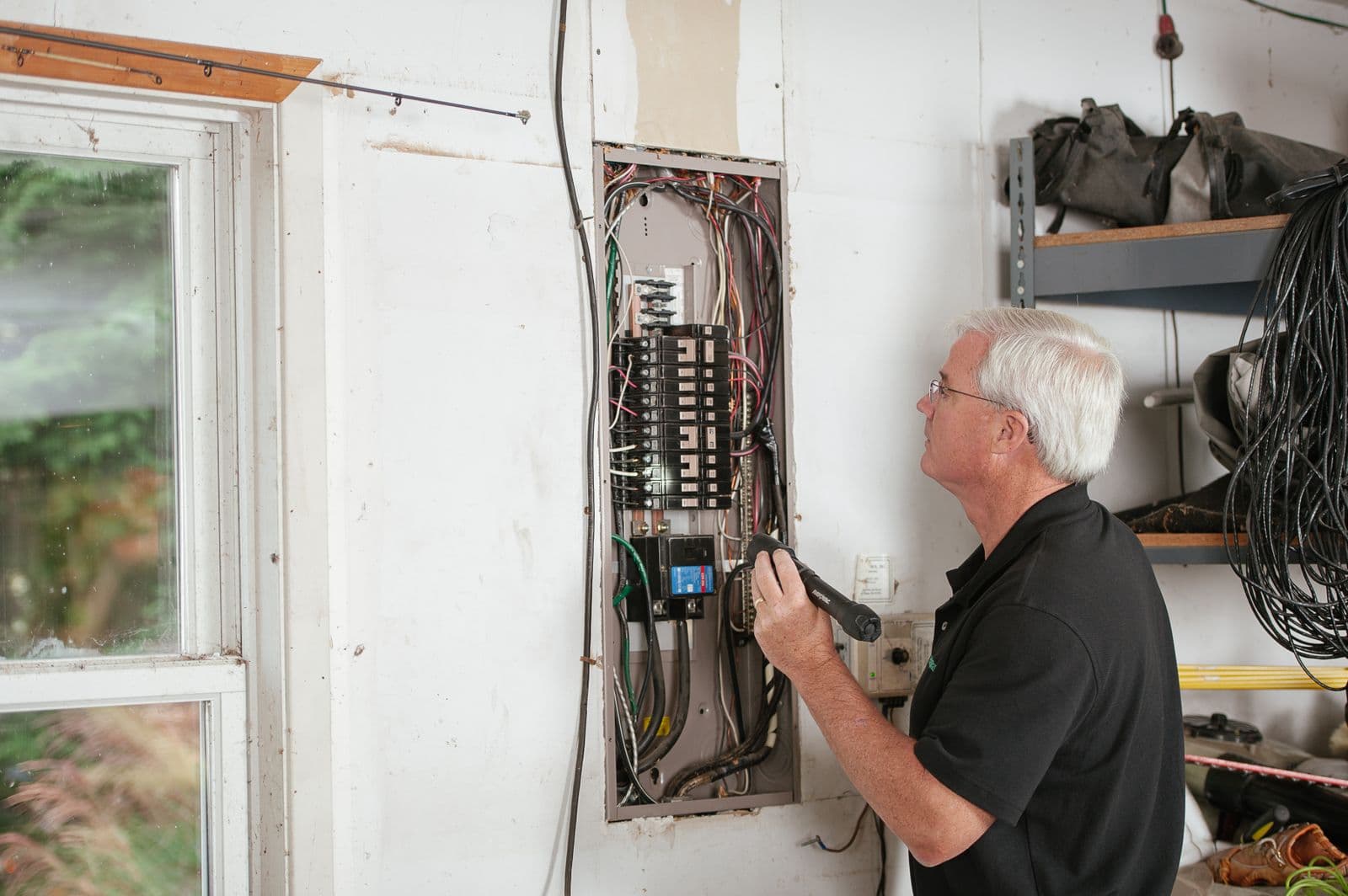

Battery backup in Peoria, answered plainly
Who is the utility in Peoria?+
Most of Peoria is Arizona Public Service (APS) electric territory, but West Valley boundaries include SRP pockets elsewhere. Battery programs, interconnection and price plans are utility-specific, so we confirm the utility on your bill before designing. This page's peak-hour figures come from APS's published TOU 4pm–7pm plans.
What are APS's on-peak hours?+
Under APS's Time-of-Use 4pm–7pm Weekdays plans, on-peak is 4 p.m. to 7 p.m. on weekdays. Weekends and APS's listed holidays are off-peak. Winter super off-peak (November–April bills) is 10 a.m. to 3 p.m. on weekdays excluding those holidays.
Why doesn't my Peoria solar run during an outage?+
A grid-tied inverter is required to disconnect when it loses the utility, so it is not energising lines crews believe are dead. That is anti-islanding. A battery with the right transfer equipment is what keeps selected circuits up while the street is dark.
Is this the same as Chandler's SRP E-27 page?+
No. Chandler's page is built around SRP's E-27 Customer Generation plan with a 2–8 p.m. summer peak. Peoria's APS TOU window is 4–7 p.m. on weekdays. Same desert monsoon physics; different price-plan design.
Does adding a battery need a new interconnection application?+
Usually yes when storage is added to an existing array or installed as a standalone grid-parallel system. The application and permission-to-operate sequence are part of the job, not paperwork left for the homeowner after install day.
Who installs it, and who is responsible afterwards?+
Seamless Home is the licensed contractor of record on the work it runs. Installation is performed by vetted installing partners engaged as our subcontractors. Coverage is confirmed per service area rather than promised as blanket availability.
Related resources
Home battery backup installation
The national service page: essential-circuit, whole-home and managed-load backup compared.
Learn more →Home battery backup in Scottsdale, AZ
APS Storage Rewards conservation season, May–October.
Learn more →Home battery backup in Chandler, AZ
SRP E-27 contrast — 2–8 p.m. summer peak.
Learn more →Home battery backup in Phoenix, AZ
Valley core monsoon and heat interruptions.
Learn more →Peoria water quality
City CCR — West Valley municipal figures.
Learn more →Does adding a battery need a new interconnection application?
The application that catches people out when an array is already installed.
Learn more →All home services
Battery backup, water treatment, HVAC and solar under one licensed contractor of record.
Learn more →Find out what a battery would actually run in your house
A panel-level look at your service, your existing solar and the circuits you want kept up through a monsoon outage — at no cost, and with no runtime or bill-savings figure promised before anyone has seen the house.
Get a Free Estimate