Scottsdale, Arizona
Home Battery Backup in Scottsdale
Scottsdale addresses can be APS or SRP. On the APS side, Storage Rewards can call up to 60 summer evenings a season — the same months a Scottsdale battery is most needed at home. The design has to serve both.
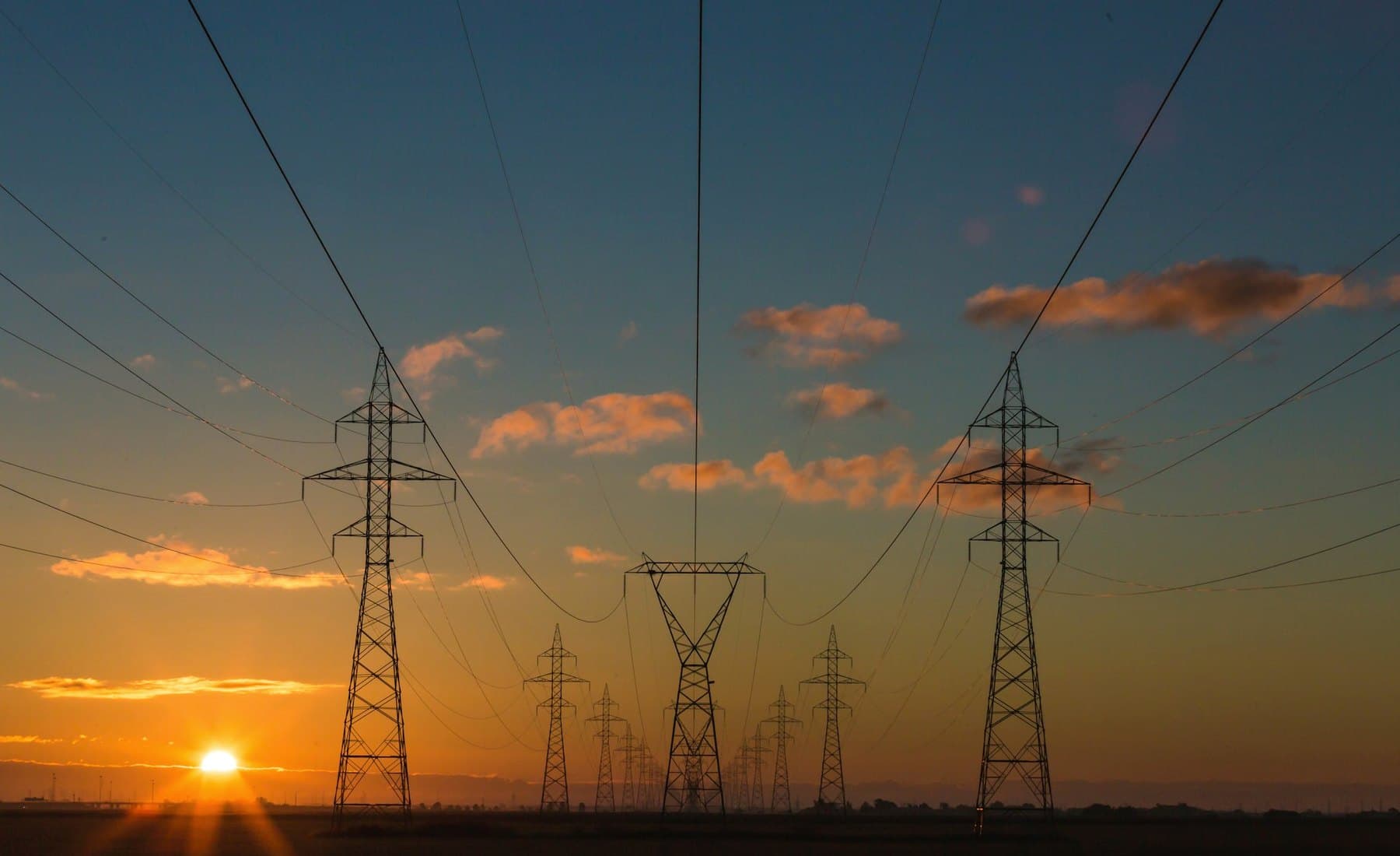
APS conservation hours run between 4 and 10 p.m., May 1 to October 31 — and some batteries hold energy back earlier on those days.
The short answer
Scottsdale is split between APS and SRP, by address. A grid-tied array produces nothing in an outage; a battery with the right switching keeps selected circuits up. On the APS side, the program that pays for battery performance is Storage Rewards — up to 60 conservation days, May through October, between 4 and 10 p.m.
Two details shape the design. Some batteries reserve energy ahead of conservation hours, which can cost on-peak use that day, and opted-out events count as zero. We size to a critical load panel, set the backup reserve deliberately, and confirm program terms in writing for your address.
Find out what a battery would run in your house
Tell us your Scottsdale address and whether you already have solar. We confirm coverage and which utility serves you first, then size to a critical load panel — and handle the interconnection paperwork rather than leaving it with you.
Three things that are specific to here
Not the heat alone — the utility line and the APS program calendar.
Check which side of the line you are on
Scottsdale addresses can fall in APS or SRP territory, and the two run different battery programs, price plans and interconnection processes. The electric bill — or the utilities' own service-area maps — settles it before anything is designed. This page covers APS; the Gilbert page covers SRP.
Up to 60 evenings, May through October
APS Storage Rewards schedules up to 60 conservation days each season, from May 1 to October 31. Conservation hours last one to four hours, can fall on weekdays, weekends or holidays, and sit between 4 p.m. and 10 p.m. The season lines up with the hottest months — the same months a Scottsdale owner most wants the battery for themselves.
Some batteries hold energy back on event days
APS notes that some manufacturers, naming Tesla, may reserve the battery's stored energy until conservation hours begin, so it may not be available during on-peak hours earlier that day. On a time-of-use plan that is a real trade-off, and APS itself says the program may not suit households that rely on the battery during on-peak hours.
What a Scottsdale battery actually runs
A summer outage produces the critical-load list. The conservation season decides how much of the battery is left for it.
Cooling, sized honestly
A central air conditioner through a summer outage is the largest load a Scottsdale battery will be asked about. Whether it is in or out of the critical-load panel decides the size of everything else, and we answer that before naming equipment.
Pool equipment — usually out
Pool pumps and heaters are long-running loads that can drain a battery meant for refrigeration and medical equipment. Most designs leave them off the backed-up circuits.
Refrigeration, networking, medical equipment
Small continuous draws with high consequences. Oxygen concentrators, CPAP machines and powered mobility belong in the first conversation, because they turn a battery from a convenience into a dependency.
A reserve you set, not a default
APS says an enrolled battery is not fully drained during conservation hours and that many manufacturers let you choose how much energy stays in reserve — at the cost of a smaller credit. Choosing that reserve, and knowing the opt-out path in your manufacturer's app, is part of commissioning.
The rules are part of the design, not the brochure
Storage Rewards requires permission to operate from APS for the battery. What permission to operate actually checks is the same for storage as for solar, and adding a battery to an existing array is its own application.
Siting is answerable before anyone visits. The home battery siting checker walks the locations the residential code permits for stationary storage, and where a home battery can and cannot be installed explains the reasoning. The state licenses Seamless Home works under are listed on the licenses page.
Elsewhere in APS territory, Peoria covers the APS 4–7 p.m. weekday time-of-use window the same battery is also designed around. On the SRP side, Gilbert covers SRP Battery Partner and Phoenix covers Valley heat and monsoon interruptions. If the house also needs water treatment, the Scottsdale water quality page covers the city's report.
Where these facts come from
- APS — Storage Rewards Pilot Program — season, conservation hours, manufacturer reserve behaviour, eligibility, opt-out, reserve settings, internet requirement, bill-credit timing.
- APS — Service Area Maps and SRP — Service area and territory — confirm which utility serves the address.
What a home battery job with us covers
Installation of storage and the backup circuits behind it, with the siting and utility paperwork handled.
Battery installation
Wall or floor-mounted storage installed to the listing and to the residential code sections that govern where it may go.
Backup and critical load panel
Deciding and wiring which circuits stay live, and which must never be on backup — the choice that defines what an outage feels like.
Integration with existing PV solar
Connecting storage to an array that is already on the roof, including whether the existing inverter supports it.
Transfer switch and disconnection
The equipment that separates the house from the grid during an outage, which is what makes backup legal as well as possible.
Siting to code
Location, clearances, separation and impact protection assessed against the adopted code before anything is mounted.
Permit, inspection and utility approval
The electrical permit, the inspection, and the utility's own approval step where storage touches the service.
This is installation work. No runtime, capacity or incentive figure is quoted before your loads and your utility are confirmed. Coverage is confirmed per service area rather than promised as blanket availability.
What the work actually looks like
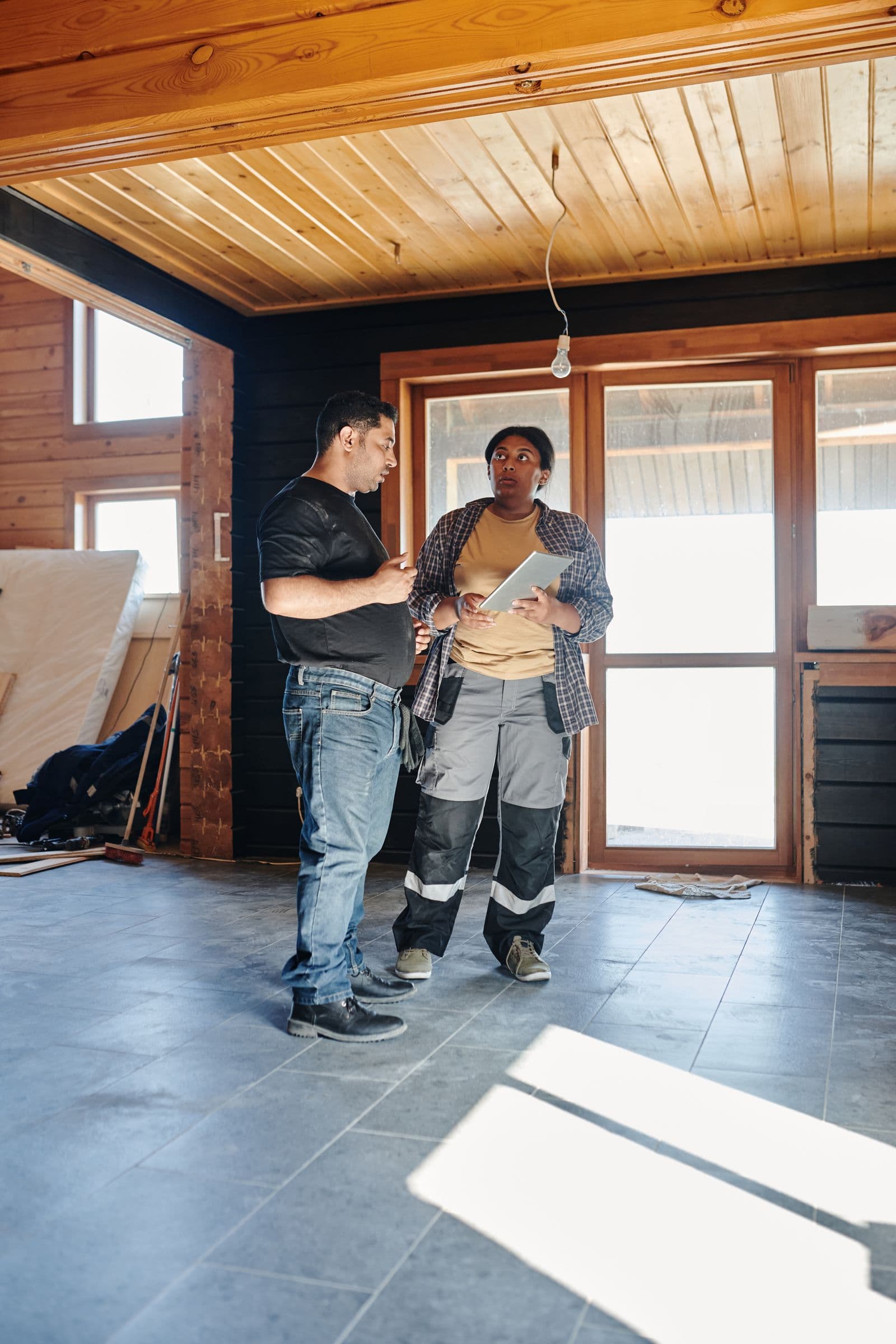
A battery job is an electrical job. The panel, the circuits and the disconnection are most of it.
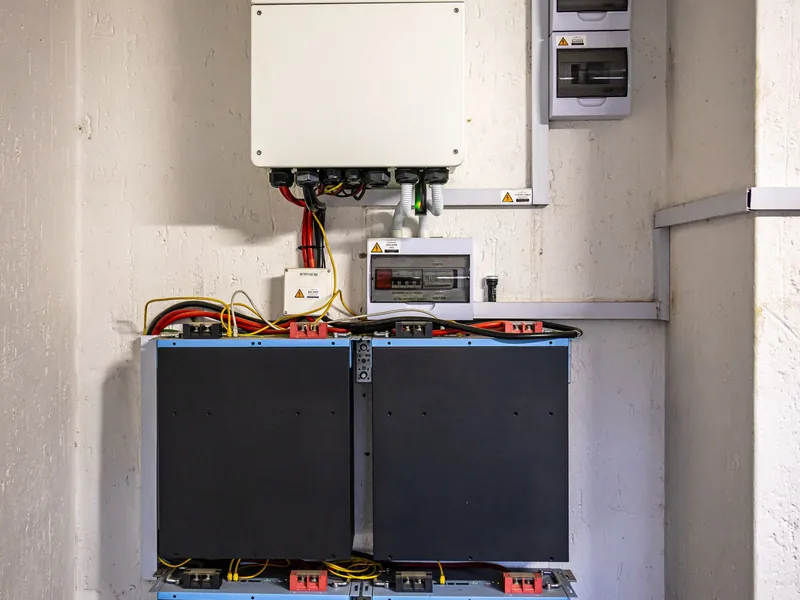
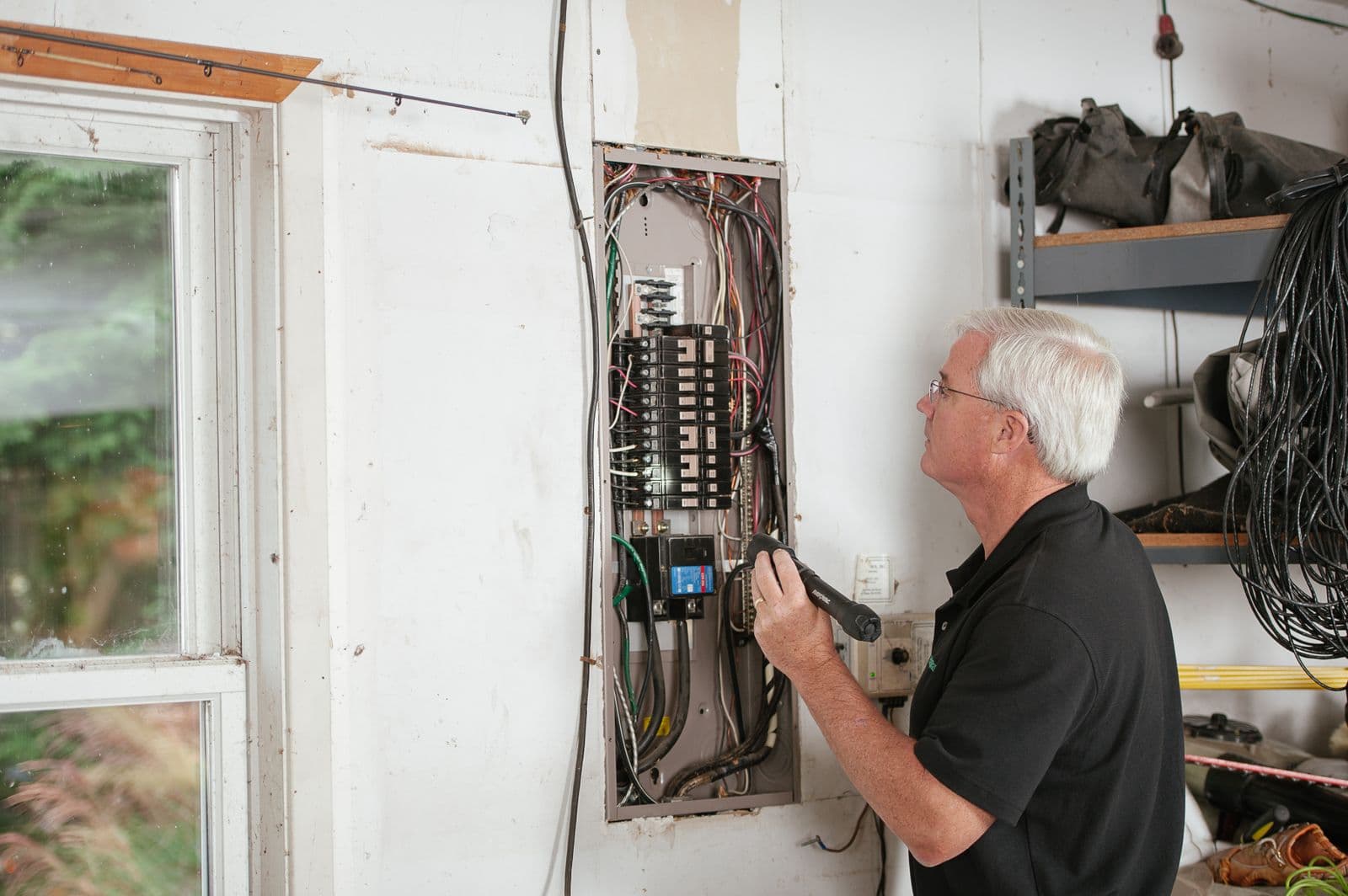
Battery backup in Scottsdale, answered plainly
Is Scottsdale APS or SRP?+
Both serve parts of Scottsdale, and the answer is set by the address. The electric bill is the quickest check; SRP and APS each publish service-area maps. This page covers the APS program. If your bill says SRP, the Gilbert page covers SRP Battery Partner, and the Chandler page covers SRP's E-27 peak windows.
What is APS Storage Rewards?+
A five-year APS pilot that pays a bill credit for the energy an enrolled home battery provides during conservation hours. Up to 60 conservation days can be called between May 1 and October 31, each lasting one to four hours between 4 p.m. and 10 p.m. The battery serves the home first and exports any extra. We confirm the current credit rate in writing per address rather than printing it here.
Who is eligible?+
APS lists three conditions: an approved battery system that is not enrolled in another battery-management program, an APS residential rate plan, and permission to operate from APS for the battery. Eligible manufacturers on APS's list include Emporia, Enphase, Fortress Power, FranklinWH, SolarEdge and Tesla. A battery without solar can take part, and a leased battery may, depending on the lease.
Will Storage Rewards leave me without backup?+
APS says the battery is not fully drained during conservation hours and that you can opt out of any event without leaving the program. An opted-out event counts as zero in the season's average, so it lowers the credit. Many manufacturers let you set a reserve; a higher reserve means more backup and a smaller credit. An internet connection is required for the battery to take part.
When is the credit paid?+
At the end of the season. APS says the credit appears on the bill as BYOD Storage Rewards, typically within one to two billing cycles after October 31, once performance is confirmed, and any balance above the bill rolls forward.
Why does my Scottsdale solar shut off during an outage?+
A grid-tied inverter is required to disconnect when it loses the utility, so it is not energising lines crews believe are dead. That is anti-islanding, a safety requirement rather than a product limitation. A battery with the right transfer equipment is what lets the house keep selected circuits running while the street is dark.
Who installs it, and who is responsible afterwards?+
Seamless Home is the licensed contractor of record on the work it runs. Installation is performed by vetted installing partners engaged as our subcontractors, so the permit, the inspection and any correction notice carry one name. Coverage is confirmed per service area rather than promised as blanket availability.
Related resources
Home battery backup installation
The national service page: essential-circuit, whole-home and managed-load backup compared.
Learn more →Home battery backup in Peoria, AZ
APS 4–7 p.m. weekday time-of-use design.
Learn more →Home battery backup in Gilbert, AZ
The SRP side: Battery Partner, measured above baseline.
Learn more →Home battery backup in Phoenix, AZ
Valley core monsoon and heat interruptions.
Learn more →Scottsdale water quality
The city's own water quality report.
Learn more →All home services
Battery backup, water treatment, HVAC and solar under one licensed contractor of record.
Learn more →Find out what a battery would actually run in your house
A panel-level look at your service, your existing solar and the circuits you want kept up through a summer outage — at no cost, and with no runtime or incentive figure promised before anyone has seen the house.
Get a Free Estimate