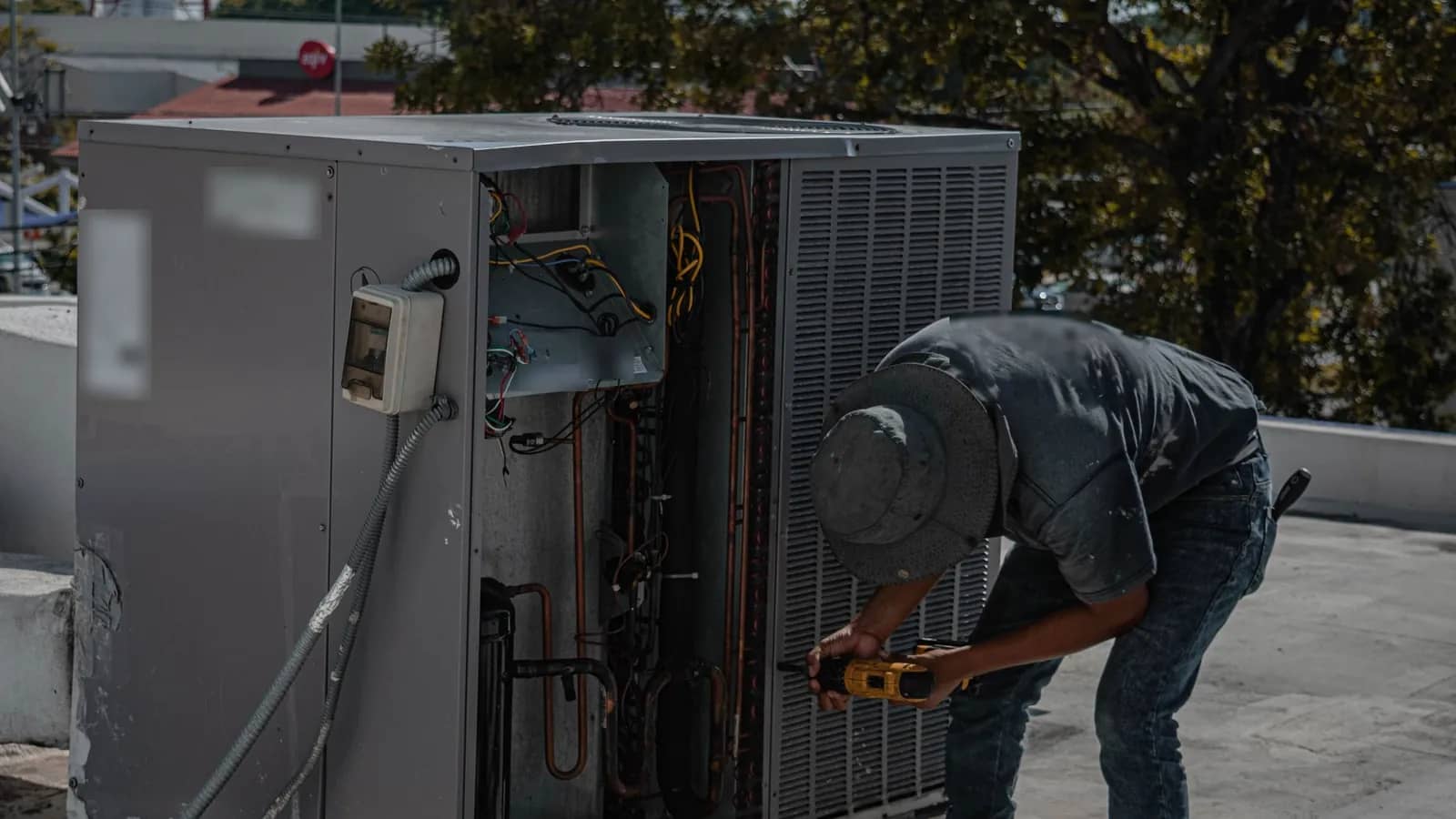
For Homeowners
HVAC replacement, designed rather than swapped
The right equipment comes from a load calculation on your house, not from the size of the box being removed. Then the ducts, the electrical capacity, the permit and the commissioning decide whether it delivers what it is rated for.
Licensed contractor
One company accountable for the job
Free home assessment
No obligation, and a technician rather than a commissioned salesperson
Permits & inspections handled
Pulled under our licence, not left for you to chase
Coverage confirmed for your address
Service areas: Arizona, Massachusetts and Virginia
Most HVAC problems are sizing problems
The single most consequential decision in a replacement is capacity, and the most common way it is made is by reading the label on the unit coming out. That carries forward whatever the last installer assumed, which may have been wrong when the house had different windows, different insulation or a different extension.
Oversizing is the usual error, and it is not harmless. Too much capacity satisfies the thermostat quickly and shuts off, which produces short cycles, poor humidity control in cooling, rooms that never match each other, and more wear. A correctly sized system runs longer at lower output — which is what comfortable actually feels like.
Seamless Home is a licensed contractor: the permit is ours and the crew is a vetted local installing partner engaged as our subcontractor. Coverage is confirmed per service area rather than promised as blanket availability, and who you are actually contracting with is set out in full rather than left to the fine print.
Services offered
What an HVAC job with us covers
Replacement and new installation, from the sizing calculation through to the measurements that prove the system works.
System replacement
Furnace, air conditioner, heat pump or air handler, sized to the house rather than matched to the nameplate on the unit coming out.
Load calculation first
Orientation, glazing, insulation, infiltration and duct location — the calculation that decides the equipment, done before the equipment is chosen.
Ductwork
Replacement, sealing and modification where the duct system is part of why the old one underperformed. Ducts are part of the system, not an upsell.
Electrical capacity
Confirming the service and circuit the new equipment needs, and the panel work where it does not already exist.
Refrigerant and line sets
Line set reuse or replacement assessed rather than assumed, and the charge set by measurement at start-up.
Permit, inspection and commissioning
The permit pulled, the inspection attended, and airflow, charge and temperature split measured and recorded at handover.
This is installation and replacement work. Coverage is confirmed per service area rather than promised as blanket availability.
Benefits
Why homeowners choose Seamless Home for heating and cooling
Sized to your house
A load calculation on your house sets the capacity, not the label on the unit coming out.
Ducts and panel checked first
The ductwork and electrical capacity the new system depends on are assessed before equipment is chosen.
Commissioned and recorded
Airflow, refrigerant charge and temperature split are measured at start-up and written down at handover.
Rebate timing flagged
Many utility programmes need pre-approval before work begins, so eligibility is checked before scheduling rather than after.
How it works
From load calculation to a commissioned system
Sized to the house, installed to the listing, and measured before anyone leaves.
- 1
Request a free assessment
Tell us what you need and where the property is. We confirm whether we cover your address for this trade before anything else happens.
- 2
Assessment and written quote
A technician runs the load calculation and checks the ducts, the electrical service and the line sets. Equipment and price come in writing, sized to the house.
- 3
Permit and installation
The mechanical permit, plus electrical or gas where those are altered, is pulled under our licence, and the replacement is installed to the equipment's listing.
- 4
Inspection, handover and support
The inspection is passed, the system is commissioned with the readings recorded, and the workmanship obligation stays with us.
What a replacement actually involves
The first two decide whether the system can work at all. The last one decides whether anyone ever confirmed that it does.
A load calculation, not a rule of thumb
Correct equipment size comes from the house — its area, insulation, windows, orientation and air leakage — not from the size of the old unit. Replacing like for like repeats whatever the last installer guessed.
The ductwork it has to breathe through
New equipment inherits the duct system already in the house. Undersized returns, leaking trunks and crushed flex are the reason a correctly sized system still underperforms, and they are cheap to find and expensive to ignore.
Electrical capacity
A heat pump or electric back-up heat is a substantial new load, so the service and the panel have to carry it. This is the same calculation that decides a panel upgrade on a PV solar job, and it is worth running once for both.
Refrigerant and line sets
Whether existing line sets can be reused, and what the equipment's listing requires if they are. Current equipment uses refrigerants the previous generation did not, which constrains what can be mixed.
Permit and inspection
Mechanical work is permitted work in most jurisdictions, and where electrical or gas is altered that can be a second permit. Replacement is not exempt because something was there before.
Commissioning
Airflow measured, refrigerant charge verified, controls configured, and the results written down. An uncommissioned system runs — it just runs at a capacity and efficiency nobody has confirmed.
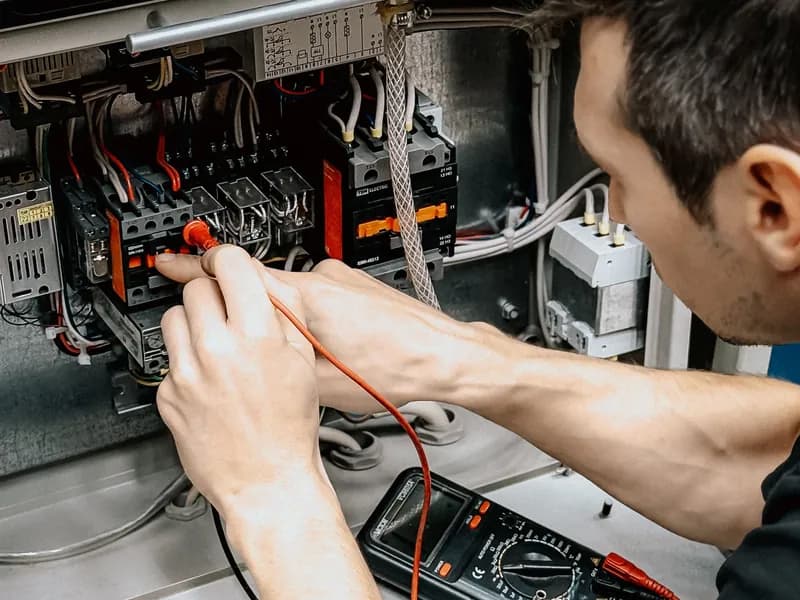
The electrical panel is the constraint shared with everything else
This is the most useful thing to know if HVAC is not the only project you are considering. A heat pump is a substantial electrical load. So is a home battery, an EV charger, and an electric water heater. And a PV solar array feeding the same panel is constrained by a calculation of its own.
All of them are answered by the same panel, and each is capable of being the one that forces an upgrade. Establishing the panel's spare capacity once, against everything you are contemplating rather than against the job in front of you, is the difference between one electrical decision and three. The 120 percent rule covers the generation side of that question and the alternatives to a full service upgrade, several of which apply equally to a large new load.
The equipment decision has a parallel of its own. A residential efficiency rating is certified for a tested combination of outdoor unit, indoor coil and air handler rather than for the condenser alone, which is why what an AHRI certificate proves is worth reading before an order is placed rather than after it arrives. If you are holding a proposal already, the HVAC replacement quote checker runs it against the twelve items that make a quote verifiable.
Two details on that list are worth settling before the ceiling closes rather than after. Where the condensate line terminates, and whether the installation needs a backup path for it, is a code question with a specific answer — where an HVAC condensate drain can discharge sets out the consequence test that decides it, and the condensate overflow protection checker works it through for a specific coil. And because a permit on an older house can reach past the work being permitted, whether the permit triggers a smoke and CO alarm upgrade is worth establishing before a quote is signed — the answer differs by trade in a way most homeowners guess backwards.
On rebates, and why timing matters more than the amount
Utility and state efficiency programmes are frequently the larger incentive on an HVAC job, and they have a characteristic that catches people out: many require pre-approval before work begins. An application filed after the equipment is installed can be refused on that basis alone, regardless of whether the equipment qualifies.
So the sequence matters. Establish what programmes apply at your address and what they require before scheduling, not after. We will not put a number on this page: federal residential energy credit rules changed for property placed in service after December 31, 2025, and programme terms vary by utility and by state. Confirm current eligibility with the administering authority and a qualified tax professional. Seamless Home does not provide tax advice.
Local HVAC pages
Virginia mixed-humid metros: Richmond, Virginia Beach (salt air, same 4A zone number, different marine load), Norfolk (Hampton Roads flood elevation and crawl-space ducts) and Arlington (Northern Virginia tight lots). Massachusetts cold-climate: Boston and Worcester. Arizona hot-dry: Phoenix (IECC 2B — undersizing and attic ducts, the opposite of a humid-climate replacement) and Tucson (the same 2B zone 1,300 feet higher, above the elevation at which a gas appliance's input rating has to be derated). Coverage is confirmed per service area.
What the work actually looks like
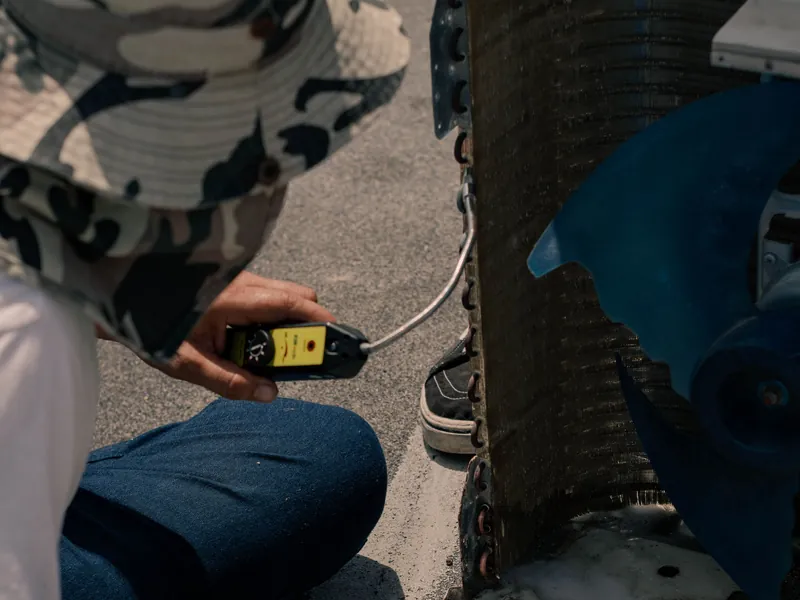
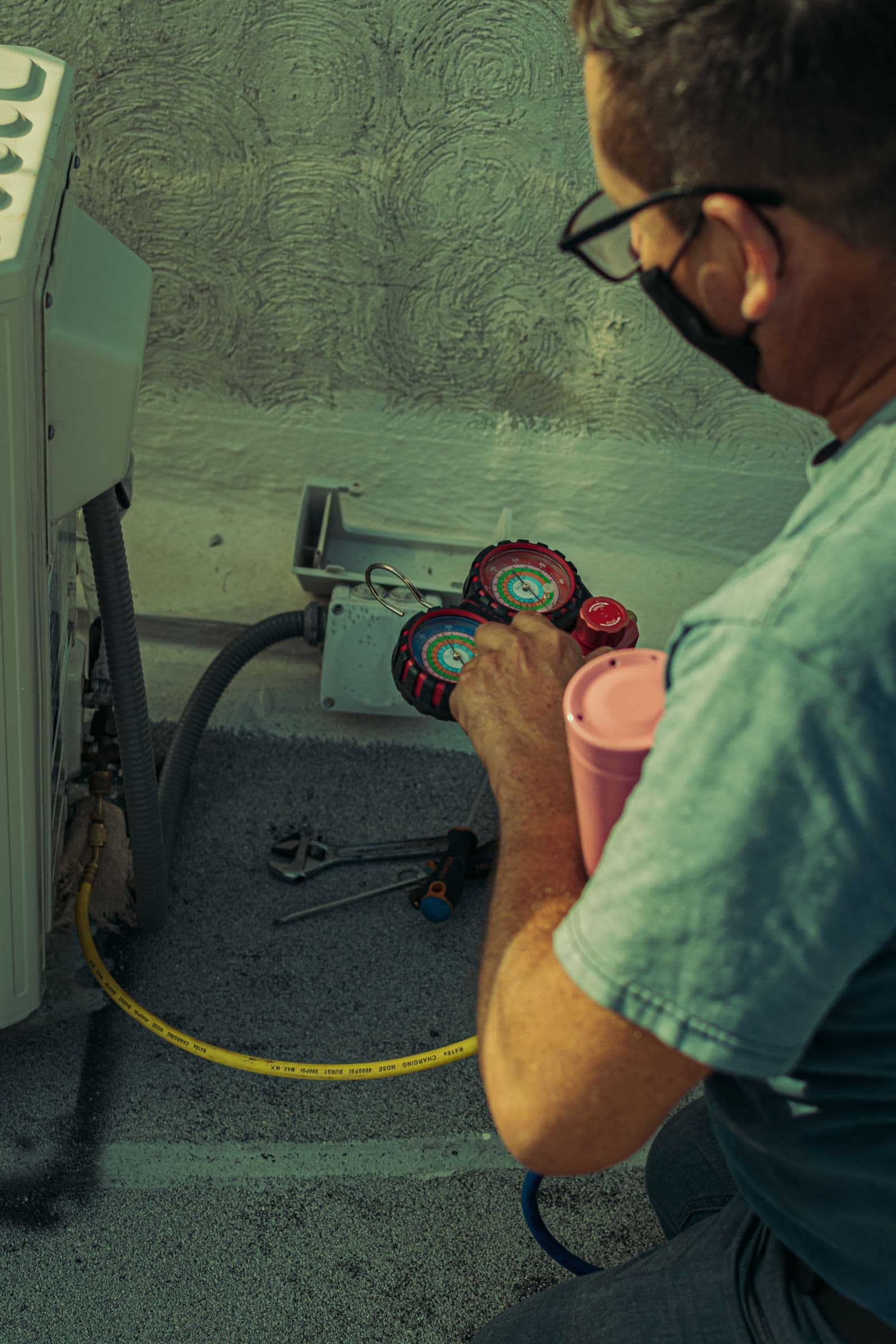
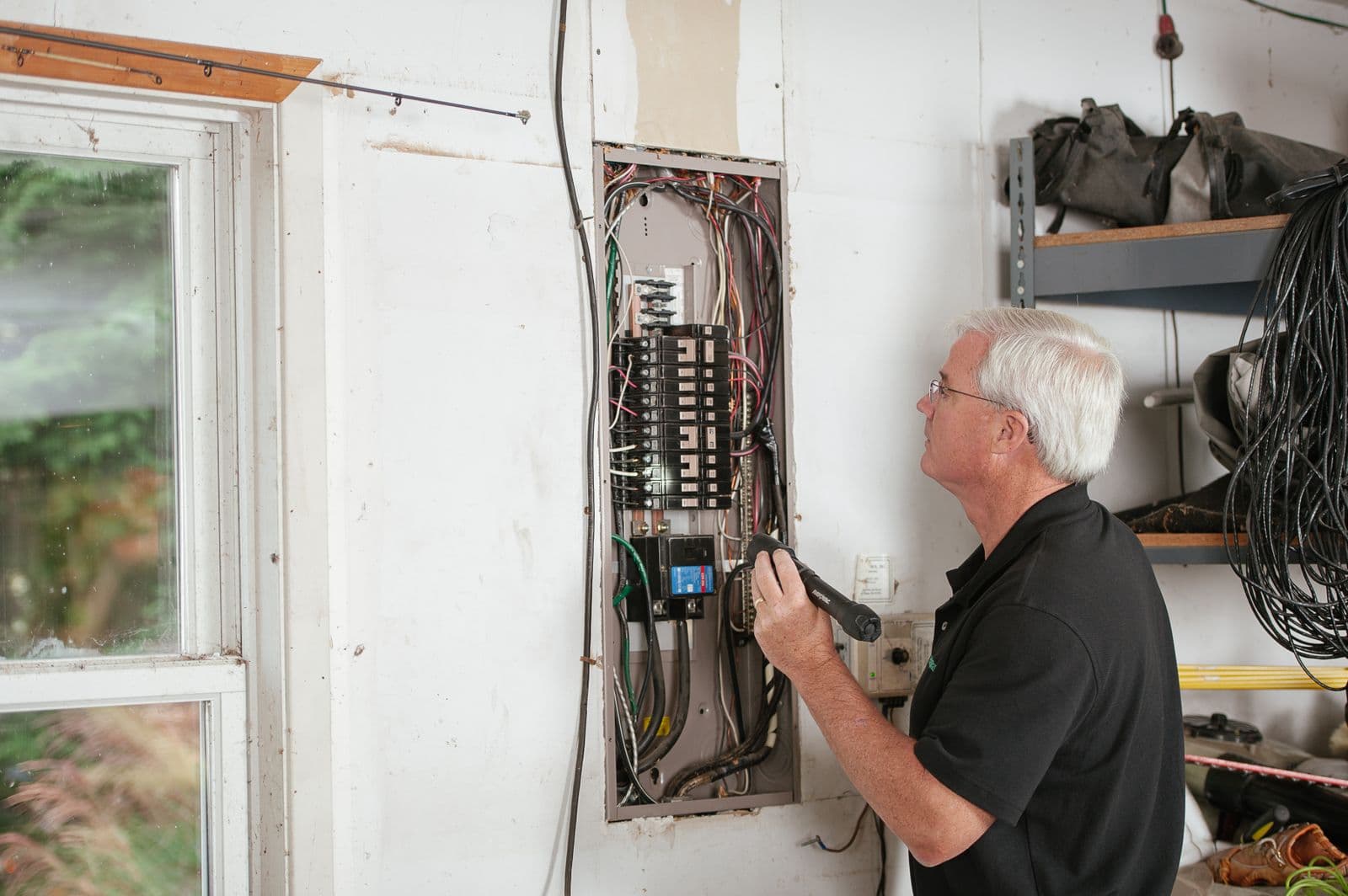
Replacement work, not stock smiles — the measurements and connections that decide whether a system performs.

Frequently Asked Questions
How is the right size for a furnace or air conditioner decided?+
By a load calculation for your specific house — its floor area, insulation levels, window area and orientation, air leakage and climate. It is not decided by the capacity of the unit being replaced, which is the most common shortcut and which simply carries forward whatever the previous installer assumed. Oversizing is the usual error and it is not harmless: an oversized system reaches the thermostat setting quickly and shuts off, which means short cycles, poor humidity control in cooling, uneven temperatures between rooms and more wear on the equipment. A correctly sized system runs longer at lower output, which is what produces even, comfortable conditions.
Why does the ductwork matter if I am only replacing the equipment?+
Because the new equipment has to move air through the duct system that is already in the house, and that system was sized for the original equipment — sometimes correctly, often not. Undersized or insufficient return air is the most common problem and it limits what any equipment can deliver regardless of its rating. Leakage in ducts running through an attic or crawl space wastes conditioned air into an unconditioned space. Crushed or kinked flexible duct restricts specific branches, which is why one room is always the wrong temperature. None of this is visible from the thermostat, and all of it is assessable before equipment is chosen.
Do I need an electrical upgrade for a heat pump?+
Sometimes, and it is answered by a service load calculation rather than assumed. A heat pump is a significant electrical load, and where electric resistance back-up heat is included that load is larger again. Whether your existing service and panel can carry it depends on the panel's rating, the main breaker and what else the house already runs. If you are also considering PV solar or battery storage, this is worth resolving once for all of them rather than three times: the panel is the shared constraint, and discovering it late on the second project is how a straightforward job becomes an expensive one.
Is a permit required to replace a furnace or air conditioner?+
In most jurisdictions yes, and replacement is not exempt simply because equipment was already there. Mechanical work is generally permitted work, and where the job alters electrical circuits or gas piping that can involve a second permit or a second inspection. It is worth caring about for a practical reason beyond compliance: unpermitted mechanical work can surface at resale, it can complicate an insurance claim arising from the equipment, and some manufacturer warranties are conditioned on installation by a licensed contractor to code. A contractor who offers to skip the permit is offering you their convenience at your risk.
What is commissioning, and why does it keep coming up?+
It is the step where the installed system is measured rather than assumed to work: airflow checked against the design, refrigerant charge verified by measurement rather than by gauge pressure alone, gas input and combustion confirmed where applicable, controls and staging configured, and the readings recorded. It matters because a system can be correctly specified and correctly installed and still be delivering well under its rated capacity because of charge or airflow, and nothing on the thermostat will tell you. The recorded results are also the baseline any future service call is measured against.
Should I replace the furnace and the air conditioner at the same time?+
Often, though not always, and the deciding factor is usually that they share components rather than that they are the same age. In a conventional split system the indoor coil and the blower are used by both heating and cooling, so replacing only one half can mean a mismatched pairing that does not deliver the rated efficiency of either. Where a heat pump is under consideration the question resolves itself, because a heat pump changes the heating side as well. If one unit has years of service left and the pairing is sound, replacing one is perfectly reasonable — it should just be a decision made on the equipment rather than on a sales preference.
Are there tax credits or rebates for HVAC equipment?+
This has to be checked rather than assumed, and we will not quantify it on a web page. Federal residential energy credit rules changed for property placed in service after December 31, 2025, so any figure you find published before that date should be treated as out of date until confirmed. Utility and state rebate programmes for efficient equipment are a separate matter, are often the more substantial ones for HVAC, vary widely by jurisdiction and utility, and frequently require pre-approval before the work starts — which means finding out first rather than afterwards. Confirm current eligibility with the administering authority and a qualified tax professional. Seamless Home does not provide tax advice.
Related resources
HVAC in Richmond, VA
The local page: mixed-humid climate, humidity as the failure mode, and replacement before the heating season rush.
Learn more →HVAC in Tucson, AZ
Hot-dry 2B at 2,400 feet: the altitude derate on gas input, and a heating season that actually counts.
Learn more →HVAC in Phoenix, AZ
Hot-dry 2B: undersizing on a 110-degree afternoon and ducts that live in a 140-degree attic.
Learn more →HVAC in Arlington, VA
Northern Virginia mixed-humid: load calculation, humidity, and tight-lot constraints.
Learn more →HVAC in Boston, MA
Cold-climate city: heat pumps that still heat in January and urban panel limits.
Learn more →HVAC in Worcester, MA
Inland cold-climate Massachusetts: oil-to-heat-pump conversions and design-day heating.
Learn more →HVAC in Virginia Beach, VA
Coastal mixed-humid: salt air on the coil and a cooling season that starts earlier than Richmond.
Learn more →Home automation and smart controls
Thermostats and zoning are where automation earns its keep on an HVAC system, and where it is oversold.
Learn more →Solar panel installation for homeowners
The other project that depends on your electrical panel's spare capacity.
Learn more →Remodeling, renovation and roofing
Where HVAC changes because the house does — an addition, a converted space, a new roof.
Learn more →All home services
Six trades under one licensed contractor, with the permit and the warranty in one place.
Learn more →Start with a load calculation, not a quote
Tell us your address and what is failing. We will confirm coverage for your area, then size the system to the house rather than to the unit coming out.
Get a Free Estimate