For Homeowners
Solar panel installation, with one contractor accountable
The install is a day or two. The survey, engineering, permit, utility interconnection, inspection and permission to operate are the project — and they are ours to run, not yours to chase.
Licensed contractor
Solar license numbers listed by state. View licenses
Free home assessment
No obligation, and a technician rather than a commissioned salesperson
Permits & inspections handled
Pulled under our licence, not left for you to chase
Coverage confirmed for your address
Checked before anything is designed or priced
The approvals are the project, not the install day
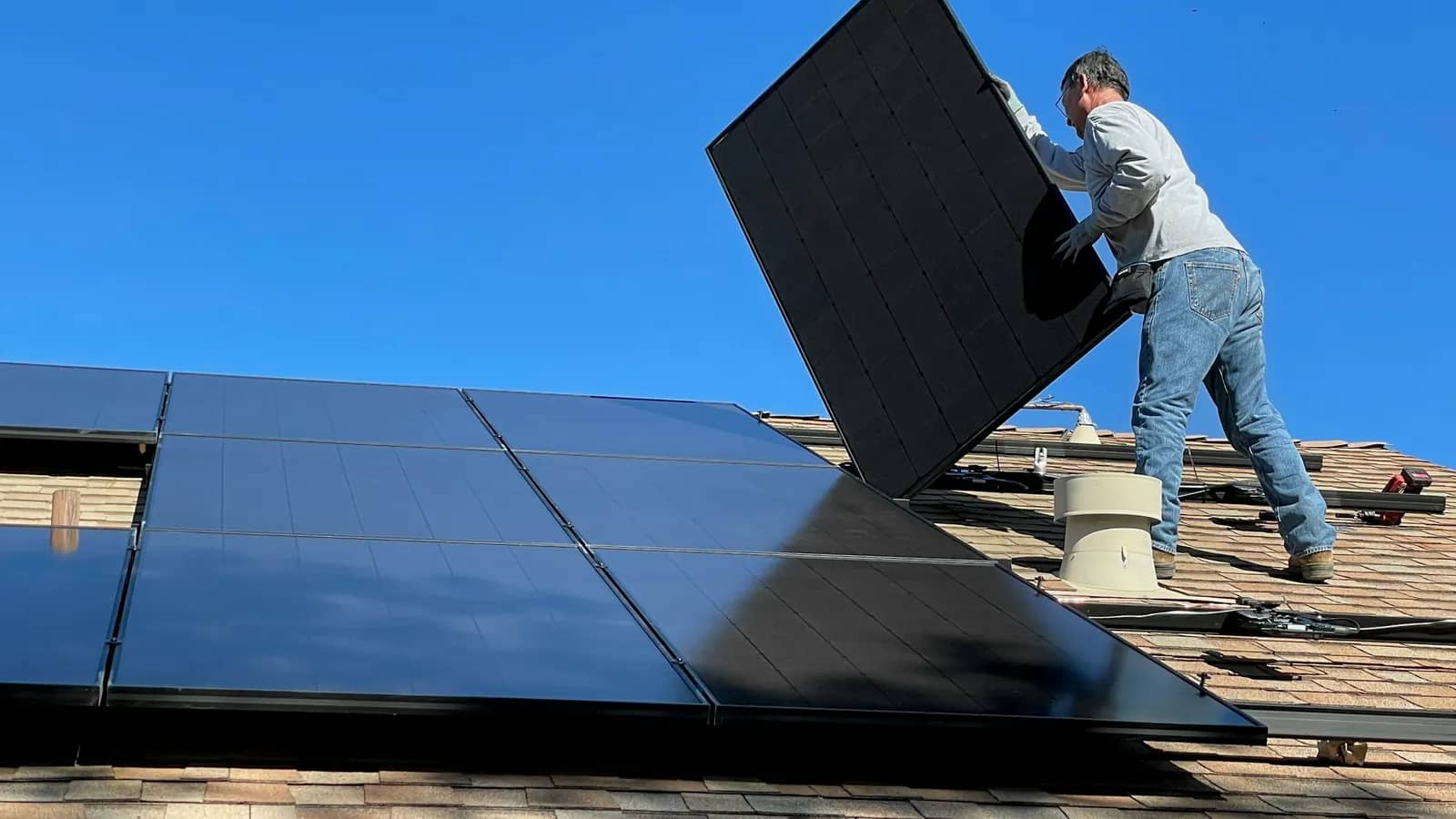
A residential PV solar installation takes one to three days on site. The project around it is longer, and the reason is not labour — it is that a generating system needs a building permit, a separate utility interconnection approval, an inspection and finally permission to operate before it may legally run.
Each of those is controlled by a third party working to its own timetable. That is why the most useful question to ask a contractor is not how fast they install, but who is handling the approvals — and what happens when a plan reviewer asks for a revision.
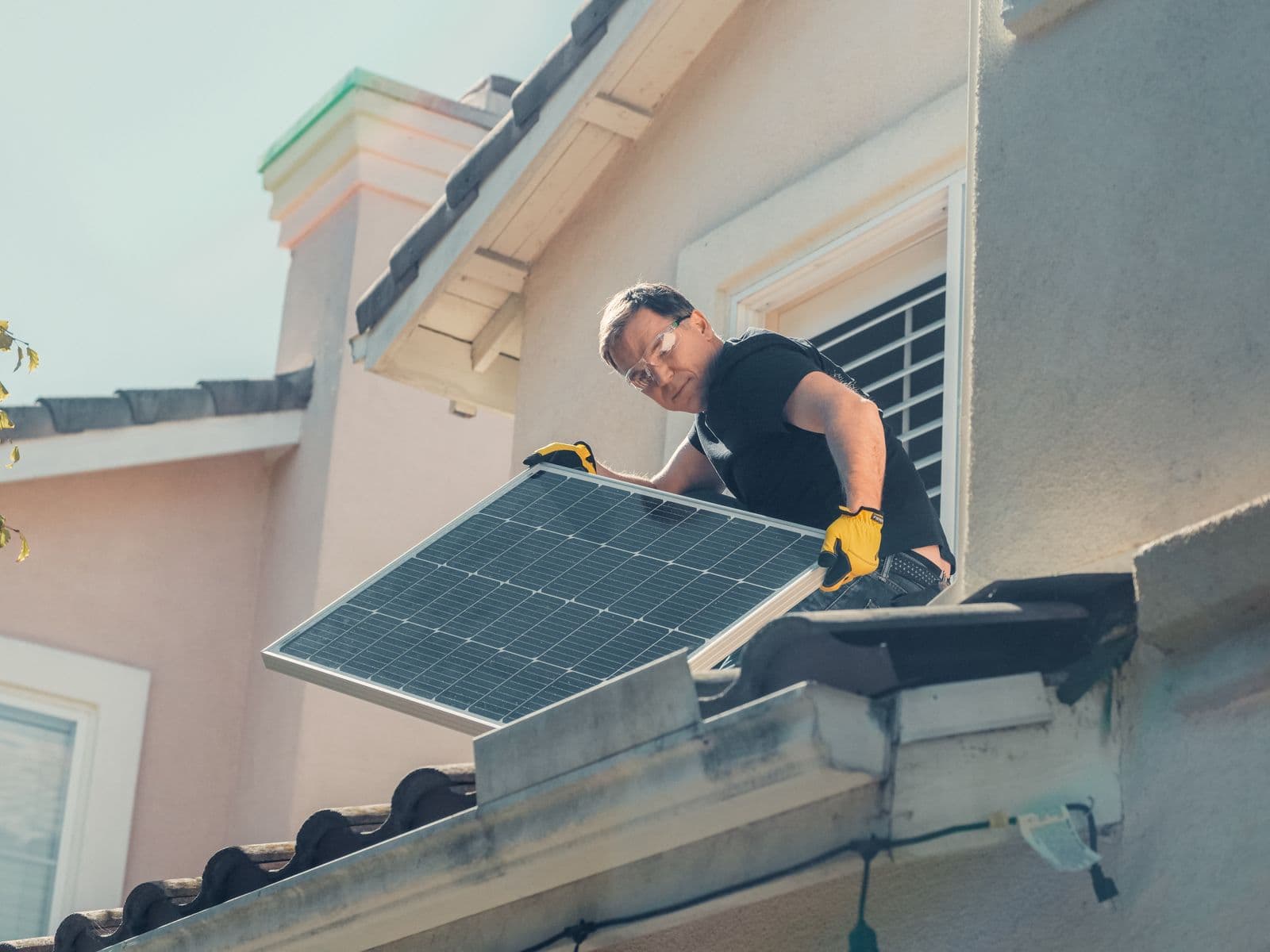
Seamless Home is a licensed contractor. The permit is pulled under our licence, the interconnection application is ours, and the crew on your roof is a vetted local installing partner engaged as our subcontractor. Coverage is confirmed per service area rather than promised as blanket availability.
Services offered
What a PV solar job with us covers
Design through permission to operate, with the permit and the utility interconnection carried rather than handed back to you.
Site survey
Roof condition, framing, shading and the electrical service recorded on site — the survey a design that survives plan review is built from.
Design and engineering
The array layout, attachment and structural review, plus the stamped plan set where the jurisdiction requires one.
Permit application
The building and electrical permit prepared, submitted and corrected through plan review rather than left with the homeowner.
Utility interconnection
The interconnection application, the utility's review and the conditions it attaches, which run on the utility's clock rather than ours.
Installation
Mounting, attachment and flashing, the electrical work, and the labels and placards an inspector checks for.
Inspection and permission to operate
The inspection attended, corrections closed, and the system not called finished until the utility grants permission to operate.
This is installation work. No production, savings or incentive figure is asserted before a design exists for your roof. Coverage is confirmed per service area rather than promised as blanket availability.
Benefits
Why homeowners choose Seamless Home for solar
Approvals run for you
The permit, utility interconnection, inspection and permission to operate are ours to run, not yours to chase.
Surprises found at survey
The panel, the roof and any adders are established at survey and priced into the proposal, not added by change order after you sign.
Straight answers on incentives
No 30% federal credit claims on 2026 installations. Section 25D ended for property placed in service after December 31, 2025.
Workmanship stays with us
A leaking roof penetration is workmanship, and that obligation sits with the contracting party rather than depending on a crew still trading.
How it works
From survey to permission to operate
The install is a day or two. The approvals around it are the project, and they are ours to run.
- 1
Request a free assessment
Tell us what you need and where the property is. We confirm whether we cover your address for this trade before anything else happens.
- 2
Assessment and written quote
A site survey covers the roof, the framing, the electrical panel, shading and the meter. Design and engineering follow, and the price arrives in writing with the scope named in it.
- 3
Permit and installation
The plan set goes to your building department and the interconnection application to your utility. Installation itself is usually one to three days on site.
- 4
Inspection, handover and support
The jurisdiction inspects, the utility grants permission to operate, and the system is switched on. Workmanship questions later come back to us.
What actually happens, in order
Stages three, four and six are the ones that set your timeline, and none of them are on site.
1. Site survey
Roof covering, layers and age; the framing underneath; the electrical panel, its busbar rating and spare breaker spaces; shading; the meter and service entrance. Nearly every later surprise is something visible on this day.
2. Design and engineering
A structural review of whether the roof can carry the array, and an electrical design that has to clear the existing panel. These are separate questions with separate answers, and both come before a firm price.
3. Permit application
A plan set submitted to your building department, plus any revisions the plan reviewer asks for. Review times are set by the jurisdiction and vary widely between neighbouring towns.
4. Utility interconnection
A separate application to the utility, on its own clock, for permission to connect a generating system to their grid. This runs alongside the building permit rather than after it.
5. Installation
Usually one to three days on site, performed by the vetted local installing partner engaged as our subcontractor, under our licence and our permit.
6. Inspection and permission to operate
The jurisdiction inspects and signs off; then the utility authorises the system to run. Until that authorisation arrives the system stays switched off, and that wait is a normal part of the project rather than a fault.
The federal tax credit position has changed
This is on the page because the old figure is still repeated everywhere, including by people who believe it. If a proposal you are shown includes a 30 percent federal residential credit for a 2026 installation, that is a reason to check the rest of the numbers too.
Federal solar tax credit status, important 2026 update
The 30% federal Residential Clean Energy Credit (Section 25D), the credit a homeowner claimed when they bought and owned a system, applied to property installed through December 31, 2025. Per the IRS, it is not available for property placed in service after that date. Homeowners purchasing a system in 2026 should not be told to expect a 30% federal credit.
Business-side credits are a separate matter. In a third-party-owned structure (a TPO lease or PPA), the provider owns the system and may claim the federal Clean Electricity Investment Credit (Section 48E) at the entity level; that has always sat with the owner rather than the homeowner, and is reflected in the pricing the provider offers.
State, local, and utility incentives are unaffected by this change and vary widely by jurisdiction. Confirm current federal, state, local, and utility incentive eligibility with a qualified tax professional and the administering authority before presenting any incentive to a homeowner. Seamless Home does not provide tax advice.
The three things that change a price after a survey
These are the common ones, and all three are visible at survey. The cost of each is the same whether it is found in week one or week six — what changes is whether it arrives as a priced line in your contract or as a change order after you have signed.
The electrical panel. An array feeding an existing panel has to satisfy a code limit on how much can be backfed into that busbar, and the answer depends on the panel rather than the house. Where it does not clear, a full service upgrade is one route and there are usually others — the 120 percent rule and panel upgrades sets out the alternatives, and it is worth knowing they exist before being quoted the most expensive one.
The roof. Age, covering and number of layers decide whether roof work should be sequenced first. Putting an array on a roof with a few years left means paying later to remove and reinstall it — removal and reinstall for a roof replacement is the avoidable version of that cost.
Everything else the property requires. Trenching to a detached garage, structural reinforcement, tree work, an EV charger. Each is separate scope with its own permit treatment and its own warranty rather than a line on an invoice; that is the subject of adder coordination, and the reason we establish them at survey.
Why we will not put a price on this page
Every published residential PV solar price is an average of other people's houses. Yours is priced by its roof, its framing, its shading, its electrical service and its jurisdiction, and any two of those can move a number more than the panel choice does.
The same applies to production and savings estimates. A figure that depends on your roof pitch, orientation, shading and local utility rate is not knowable from a page, and a number offered before a survey is a guess with a price attached. The honest sequence is survey first, then a design, then a price with the scope named in it.
What we will say is where the money goes that homeowners do not expect: the electrical panel, the roof, and approvals that outlast the install. Those are the three worth asking about in any proposal.
Adding a battery, now or later
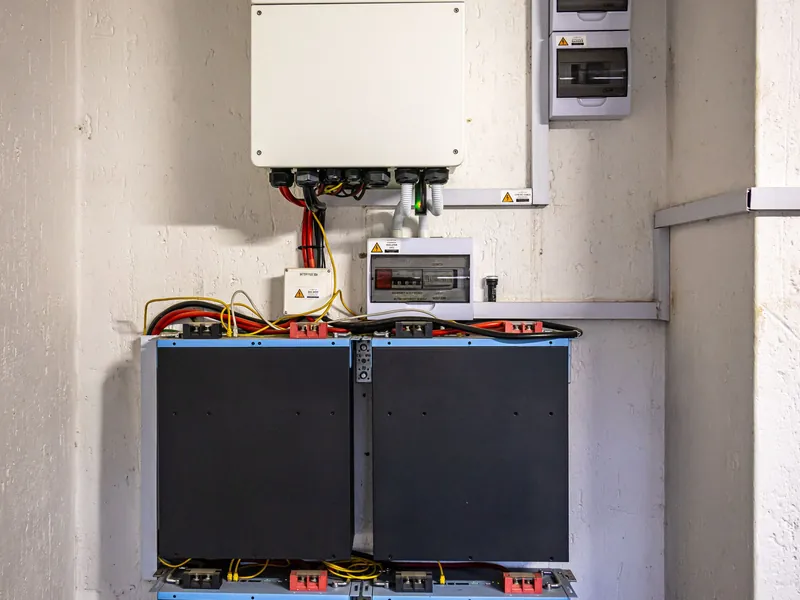
Storage can be installed with the array or added afterwards, and the two are not equivalent. Added at the same time, the backup circuits and any required subpanel are designed once and permitted once. Added later, it is generally a new permit and, in most areas, a new utility application — because the equipment changes what the system is capable of doing during an outage.
If backup is the reason you are considering PV solar at all, it is worth reading home battery backup first: the decision that drives that design is which circuits stay live, and it is a different question from how much electricity you generate. If you already have a standby generator, that changes the design too — adding solar and battery to a home with a standby generator covers why two sources cannot share one transfer point.
What the work actually looks like
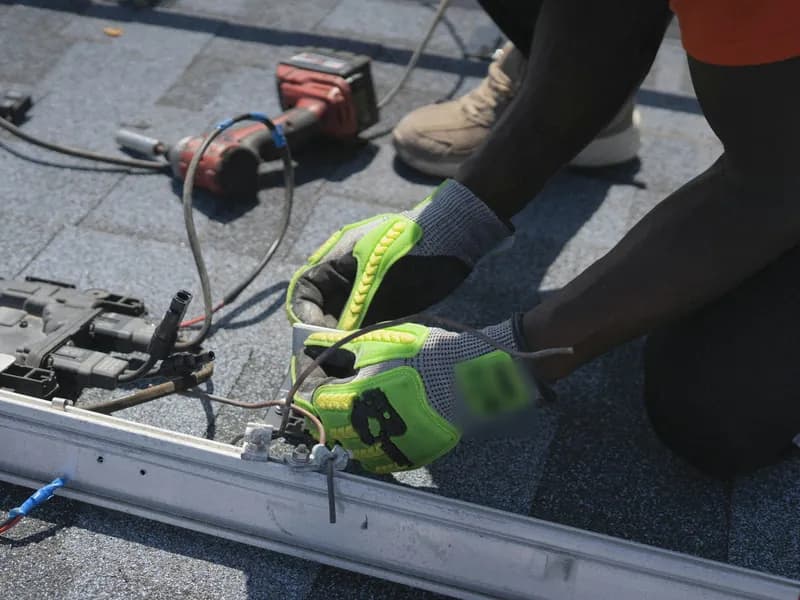
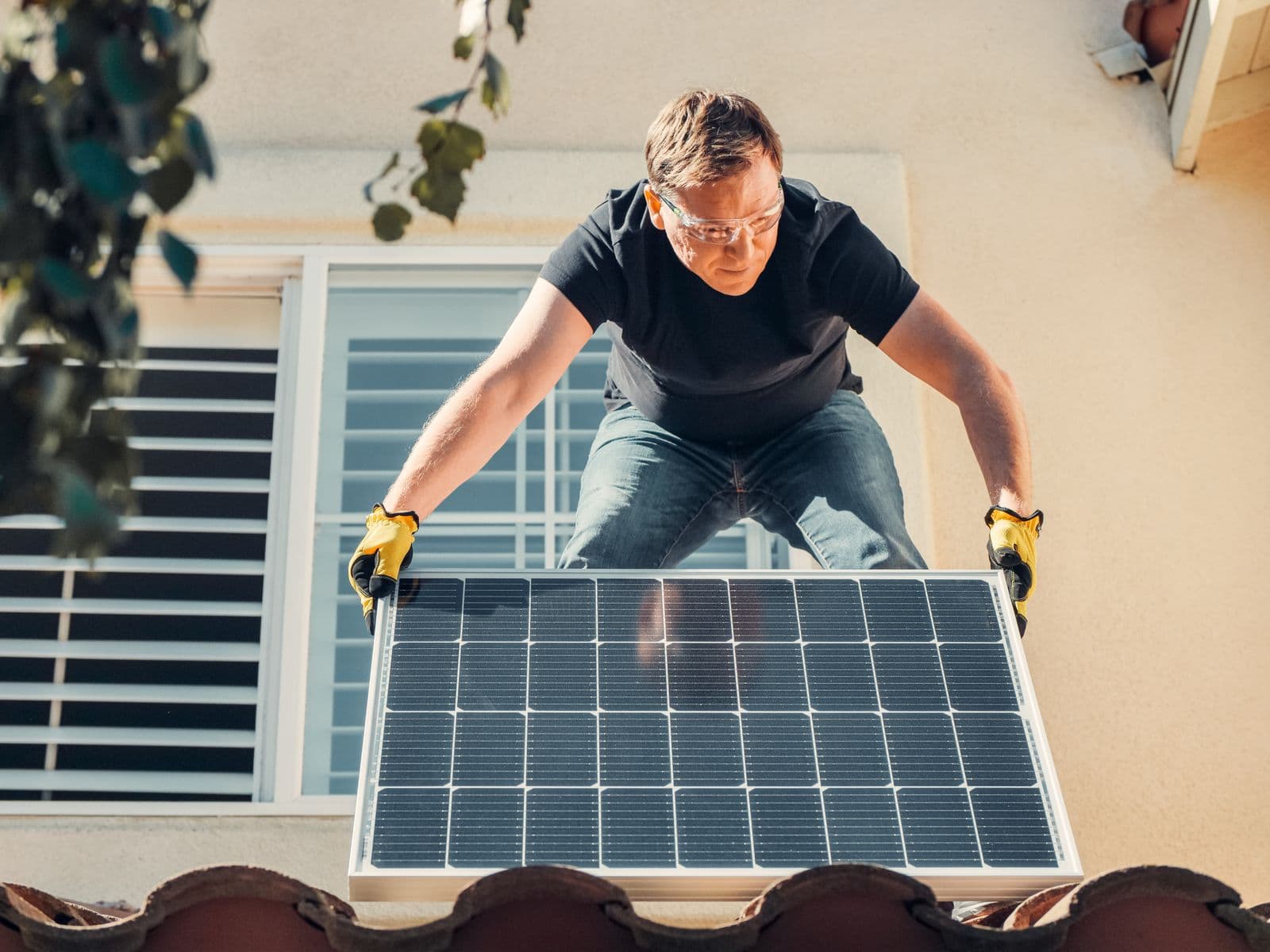
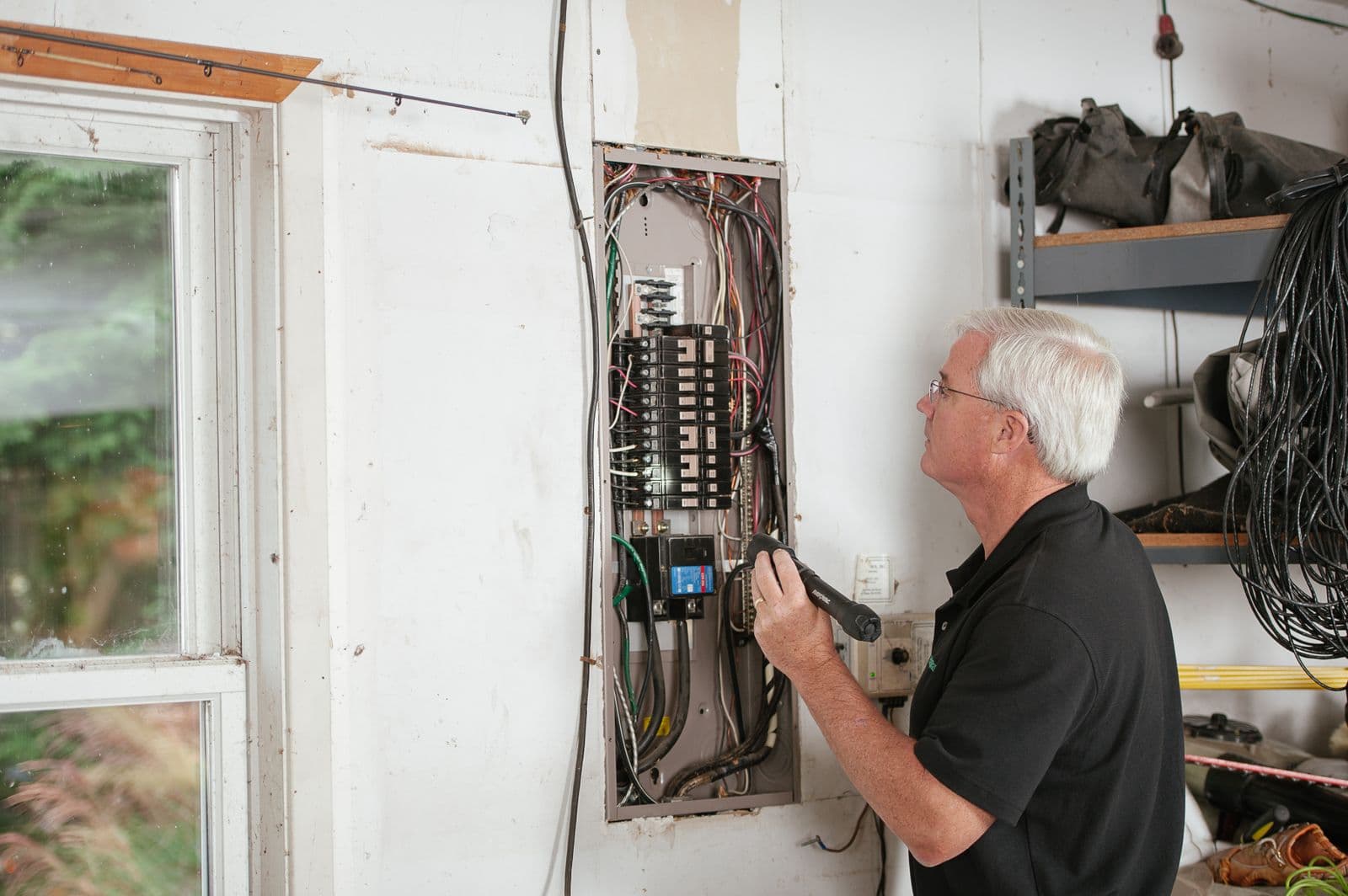
The roof penetration and the electrical connection are the two things a PV solar install is judged on years later.
Frequently Asked Questions
How long does a residential solar installation take?+
The installation itself is usually one to three days. The project is considerably longer, and the difference is approvals rather than labour. A plan set has to be drawn, a building permit issued, a separate utility interconnection application approved, an inspection passed and permission to operate granted. Each of those is controlled by a third party working to its own timetable, which is why an honest answer is a range for your specific jurisdiction rather than a single number. Anyone quoting a firm completion date before the permit is filed is quoting a hope.
Why can't the system be turned on the day it is installed?+
Because a grid-connected generating system needs two separate authorisations that come after the equipment is mounted. The jurisdiction has to inspect and pass the work, and the utility has to grant permission to operate — the point at which they accept a system exporting onto their network. Running before permission to operate is granted can breach the interconnection agreement. The gap between a physically finished system and a legally operating one is normal, and it is the stage most likely to be under-explained at the point of sale.
Will I need a main electrical panel upgrade?+
Sometimes, and it is decided by calculation rather than by opinion. An array backfeeding an existing panel has to satisfy the code limit on how much can be fed into that busbar, which depends on the panel's rating and the main breaker rather than on the size of your house. Where the calculation does not clear, a service upgrade is one answer but rarely the only one: a main breaker derate, a supply-side connection, a line-side tap or load management can each resolve it. The alternatives are worth asking about, because a panel upgrade is usually the largest single addition to a residential project and often involves a utility disconnect of its own.
What happens if my roof is near the end of its life?+
It is worth resolving before the array goes up rather than after. Removing and reinstalling a system later to replace the roof underneath it is its own project with its own cost, and it is entirely avoidable by sequencing the roof first. A survey establishes the covering, the number of layers and the approximate age, and that is the point to have the conversation. Roof work is separate scope with its own licence considerations and its own warranty, so it should appear in the written scope with its own price rather than as an assurance.
Who is responsible if the roof leaks after installation?+
A penetration that leaks is workmanship, and the workmanship obligation sits with the contracting party. Because Seamless Home contracts as the licensed contractor and engages the installing crew as its subcontractor, that obligation does not depend on the crew still being in business. It is worth distinguishing from an equipment fault, which is a manufacturer claim on the product, and from a pre-existing roof condition, which is neither. A written scope that records the roof's condition at survey is what makes that distinction possible later.
Is there still a 30% federal tax credit for solar in 2026?+
No. The federal Residential Clean Energy Credit under Section 25D — the 30% credit a homeowner claimed on a system they bought and owned — applied to property installed through December 31, 2025 and is not available for property placed in service after that date. This matters because the 30% figure is still repeated widely and was true until recently. Business-side credits are a different matter and sit with the owner of the system, which in a third-party-owned lease or power purchase structure is the provider rather than you. State, local and utility incentives are unaffected by the federal change, vary widely by jurisdiction, and should be confirmed with the administering authority. Seamless Home does not provide tax advice.
Should I buy the system or use a lease or power purchase agreement?+
They are different products rather than better and worse versions of one. Buying, with cash or a loan, makes you the owner: you hold the asset, the equipment warranties are yours to claim, and you carry the maintenance question. A third-party-owned lease or power purchase agreement means the provider owns the equipment on your roof and you pay for the arrangement rather than the asset, which changes what happens when you sell the house and who claims any owner-side incentive. The one thing worth checking in either case is what the agreement says about transfer on sale, because that is the term homeowners most often discover late.
Related resources
Home battery backup installation
Storage with or without PV solar, and the circuit-by-circuit decision behind the design.
Learn more →What happens on solar installation day
Hour by hour, what a crew does on your roof and what is left for the inspection.
Learn more →The 120 percent rule and panel upgrades
Why an array can exceed what a panel accepts, and the four routes that are not a service upgrade.
Learn more →All home services
PV solar, battery backup and water treatment, and how one accountable contractor changes each.
Learn more →Solar installation licenses held by Seamless Home, LLC
AZ ROC 359597CA 1144986IA EL205493MAMD 13517MA 1141 MRMI 6218166NE 53924NH 13335NJ 13VH13660800NY ME-68298NC U33076OK 200130PA 1139RI A-005273SC RBS 60768TX 40268UT 14236340-5501WV WV066203WI 1512674-ME
Each license applies only in the state shown. View all licenses and state lookups
Start with a survey, not a price
Tell us your address and what you are trying to solve. We will confirm whether we cover your area before anything is designed or quoted.
Get a Free Estimate