Tucson, Arizona
HVAC in Tucson, AZ
Tucson is hot-dry like the Valley and it is 1,300 feet higher. That elevation puts it above the line where a gas appliance's input rating has to be reduced — and gives it a winter the equipment actually has to answer for.
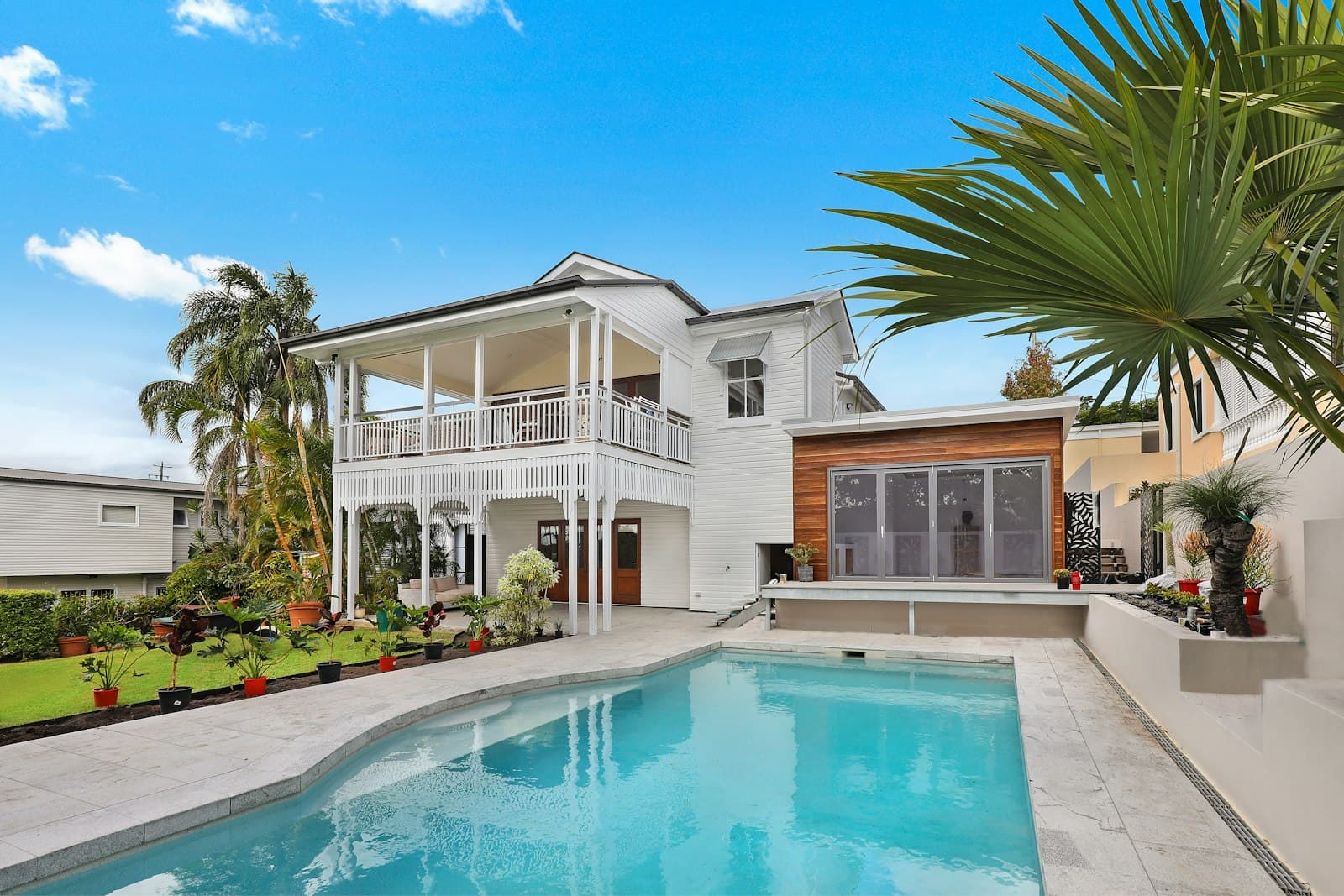
The same equipment, installed the same way, is not the same installation 1,300 feet higher. Above 2,000 feet the gas input rating comes down — and most quotes never mention it.
The short answer
Searching HVAC Tucson usually means the system failed in the heat, or a furnace is due, or rooms never catch up in the afternoon. Tucson is IECC zone 2B hot-dry, so cooling capacity on a design day is what sizing is about. The Tucson-specific part is elevation: at roughly 2,400 feet the city sits above the 2,000-foot line at which a gas appliance's input rating has to be reduced. Phoenix, at roughly 1,086 feet, does not.
Seamless Home is a licensed contractor. The crew on site is a vetted local installing partner engaged as our subcontractor. Coverage is confirmed per service area rather than promised as blanket availability. Tucson Electric Power and Trico are not the same utility and are not guessed from a page.
Start with a load calculation, not a quote
Tell us your Tucson-area address and what is failing. We confirm coverage and the serving utility first, then size to the house rather than to the unit coming out.
What Tucson asks of a system that the Valley does not
The cooling half of this job is the familiar desert one. The elevation and the heating season are where it stops being a Phoenix job.
Above 2,000 feet, the gas input has to come down
Tucson sits at roughly 2,400 feet — about 2,388 feet in the city and higher still toward the airport. That matters for one specific and frequently skipped reason: gas input ratings apply up to 2,000 feet, and above that the input of a gas-fired appliance has to be reduced, commonly at 4 percent per 1,000 feet above sea level, or handled through the manufacturer's high-altitude provisions, or by a reduction the authority having jurisdiction accepts. Phoenix, at roughly 1,086 feet, sits below that line. A furnace installed in Tucson exactly as it would be installed in Phoenix has skipped a step.
Cooling still dominates, and the load is almost all sensible
Tucson is IECC climate zone 2B — hot-dry — on the U.S. Department of Energy climate-zone map, the same classification as Phoenix. So the cooling side of the argument is the familiar desert one: the load is overwhelmingly sensible rather than latent, capacity on a design afternoon is what the equipment is sized for, and a unit chosen to match the nameplate on the one coming out is a guess about a house nobody measured.
The heating season is not a rounding error
This is where Tucson separates from the Phoenix framing rather than repeating it. Elevation buys cooler nights and a winter that the equipment actually has to answer for, which means the system is sized at both ends instead of on cooling alone with heating treated as an afterthought. It also makes the heat pump, dual-fuel and straight-gas comparison a real decision here rather than a formality — and that decision interacts with the altitude derate above, because one of the three options is the one the derate applies to.
The utility is confirmed, not assumed
Tucson Electric Power serves the city, and parts of northwest Tucson are served by Trico Electric Cooperative instead. Those are different utilities with different programs and different interconnection and metering practices. We confirm which one serves a specific address rather than inferring it from the city name, the same way we confirm coverage before quoting anything.
Where the 2,000-foot line comes from
It is a code provision rather than a manufacturer preference. Gas input ratings of appliances are used for elevations up to 2,000 feet. Above that, the input rating is reduced — commonly at the rate of 4 percent for each 1,000 feet above sea level, or in accordance with the manufacturer's installation instructions, or as otherwise permitted by the authority having jurisdiction. The edition your jurisdiction has adopted governs, and these provisions are amended at state and local level.
Tucson is above that line and the Phoenix metro is below it, which is the single cleanest reason a Tucson gas installation is not a Valley installation moved south. It is also easy to confirm while the installer is standing there and hard to establish afterwards — the same pattern as the requirements that apply to an appliance in a garage, which is where a great many Arizona water heaters and furnaces actually live.
The DOE climate-zone map places Tucson in zone 2B — hot-dry. We are not putting unofficial design temperatures on this page; those belong in a load calculation for a specific house. DOE Building Energy Codes — Climate Zones.
What a replacement in Tucson actually involves
The first two decide whether the system can hold a desert house in June. The third is the one that gets left out. The fourth is whether anyone confirmed the first three.
A load calculation on your house
Not the tonnage of the outgoing unit, and not a rule of thumb per square foot. The calculation reads orientation, glazing, insulation, infiltration and duct location. In a 2B climate the answer is driven by the cooling design condition; at Tucson's elevation the heating side has to be checked rather than assumed to fall out for free.
Ducts, and where they run
A desert attic is far hotter than the outdoor air, and a duct system losing air into it is losing capacity you paid for at exactly the hour you need it. Duct location, sealing and insulation are part of the system, not an upgrade offered afterwards. This is the single most common reason a correctly sized unit still underperforms.
The altitude provisions, in writing
Where a gas appliance is installed, the derate or the manufacturer's high-altitude kit is a line item with a part number and an installer who is expected to have fitted it. It is easy to confirm at the time and difficult to establish a year later, which is why it belongs in the scope of work rather than in someone's recollection.
Permit, inspection and commissioning
The equipment change is permitted work, and the measurements that prove the system performs — airflow, refrigerant charge, temperature split — are taken at commissioning or not at all. A system nobody measured is a system nobody can show works, which is the difference between a replacement and an installation.
Why we will not quote a tonnage from this page
A midtown bungalow, a 1990s two-storey on the east side and a new-build in Marana can sit in the same metro and need completely different systems. The national page, HVAC installation and replacement for homeowners, covers load calculation, ducts, refrigerant, permits and commissioning. This page exists because elevation and a real heating season change what that calculation has to get right. For the water side of the same city, see Tucson water quality.
Elevation and climate are what make the sizing local. What makes the quote checkable is not local at all: the efficiency rating belongs to a tested combination of outdoor unit, indoor coil and air handler, which is what an AHRI certificate records. Run a proposal you are holding through the HVAC replacement quote checker before you sign it, and if the job includes a gas appliance, check that the altitude provisions appear in it.
HVAC in Tucson, answered plainly
Is HVAC in Tucson the same job as HVAC in Phoenix?+
The cooling half is close. Both cities are IECC zone 2B hot-dry, both have overwhelmingly sensible cooling loads, and in both the common error is sizing to the old nameplate rather than to the house. The heating half and the gas side are not the same. Tucson sits at roughly 2,400 feet against Phoenix's roughly 1,086, which puts Tucson above the 2,000-foot elevation at which gas appliance input ratings have to be reduced and Phoenix below it. Tucson also has a heating season the equipment genuinely has to answer for, so the system is sized at both ends. A Tucson job run exactly like a Phoenix job has skipped the altitude step and may have treated the heating load as an afterthought.
What is the altitude derate, and does it apply to my house?+
Air is thinner at elevation, so a given volume carries less oxygen and a burner sized for sea level is no longer matched to the air available to it. The code handles this by capping where full input ratings apply: gas input ratings of appliances are used for elevations up to 2,000 feet, and above that the input rating is reduced — commonly at the rate of 4 percent for each 1,000 feet above sea level, or in accordance with the manufacturer's installation instructions, or as otherwise permitted by the authority having jurisdiction. Tucson is above 2,000 feet, so it applies to gas-fired equipment installed here. It does not apply to an all-electric system or to the cooling side. The practical form it takes is usually a manufacturer's high-altitude conversion kit or orifice change, and the question worth asking is simply whether the quote includes one.
Should I get a heat pump in Tucson?+
It is a genuine decision here rather than a formality, which is itself the Tucson-specific answer. In a climate where winter is trivial the heating equipment barely influences the choice; at Tucson's elevation there is a real heating season, so the comparison between a heat pump, a dual-fuel system and straight gas with electric cooling is decided by the actual heating load of your house, your electricity and gas situation, and how the equipment is expected to behave on the coldest mornings rather than on average. There is also an interaction worth knowing about: two of those three options involve a gas appliance, and those are the ones the altitude derate applies to. We will not pick one from a web page — that comes out of the load calculation and your utility.
Which utility serves my address?+
Tucson Electric Power serves the city, and parts of northwest Tucson are served by Trico Electric Cooperative instead. They are different utilities with different programs, and we confirm which one serves a specific address rather than inferring it from the city name. This matters more than it sounds: utility-specific programs, metering and any interconnection step for equipment that touches the electrical service are set by the utility that actually serves the meter, not by the metro area. It is the same reason we do not treat SRP and APS as interchangeable in the Phoenix Valley.
Should I replace before summer?+
If the system is already marginal, yes, and the reason is scheduling rather than weather. Once the first sustained heat arrives every competent installer in the region is booked, equipment availability narrows, and the pressure to accept whatever can be delivered this week is exactly the pressure that produces a system sized to the box that was in stock. Replacing in a shoulder season buys the time to do a load calculation, to specify the equipment rather than accept it, and to get the altitude provisions and duct work into the scope instead of dropped from it. It is the cheapest way to avoid the decisions that get made badly under time pressure.
Are there rebates or tax credits?+
Programs exist and they change, and which ones you can use depends on the utility serving your address, the equipment selected and your own tax situation — so we do not publish figures for them on a page that cannot see any of those three. Anything quoted to you as a guaranteed incentive amount before the equipment is specified and the serving utility is confirmed is being estimated rather than established. We would rather confirm what is actually available against your address and the chosen equipment, and put it in writing, than print a number here that may not apply to you.
Who installs it, and who is responsible afterwards?+
Seamless Home is a licensed contractor. The crew on site is a vetted local installing partner engaged as our subcontractor, and the contractor-of-record responsibility for the work stays with us rather than dispersing across whoever was scheduled that week. That is the part that matters when something needs to be corrected six months later: there is one party accountable for the installation and it is not a marketplace that introduced you to someone. Coverage is confirmed per service area rather than promised as blanket availability.
Related resources
HVAC installation and replacement
The national service page: load calculation, ducts, electrical capacity, permit and commissioning.
Learn more →HVAC in Phoenix, AZ
The same climate zone 1,300 feet lower — below the altitude derate line, and a milder winter.
Learn more →Tucson water quality
The other local Tucson page: what the city's own CCR reports.
Learn more →Home battery backup in Tucson
The electrical side of the same house, and the same serving utility.
Learn more →All home services
HVAC, battery backup, water treatment and solar under one licensed contractor of record.
Learn more →Start with a load calculation, not a quote
Tell us your Tucson-area address and what is failing. We confirm coverage and the serving utility first, then size the system to the house — and put the altitude provisions in the scope rather than leaving them to be remembered.
Get a Free Estimate