Phoenix, Arizona
HVAC in Phoenix, AZ
Phoenix is hot-dry: the air conditioner has to keep up at 110, and the ducts sit in an attic that is hotter than that. Undersizing, not oversizing, is the usual miss — the opposite of a humid-climate replacement.
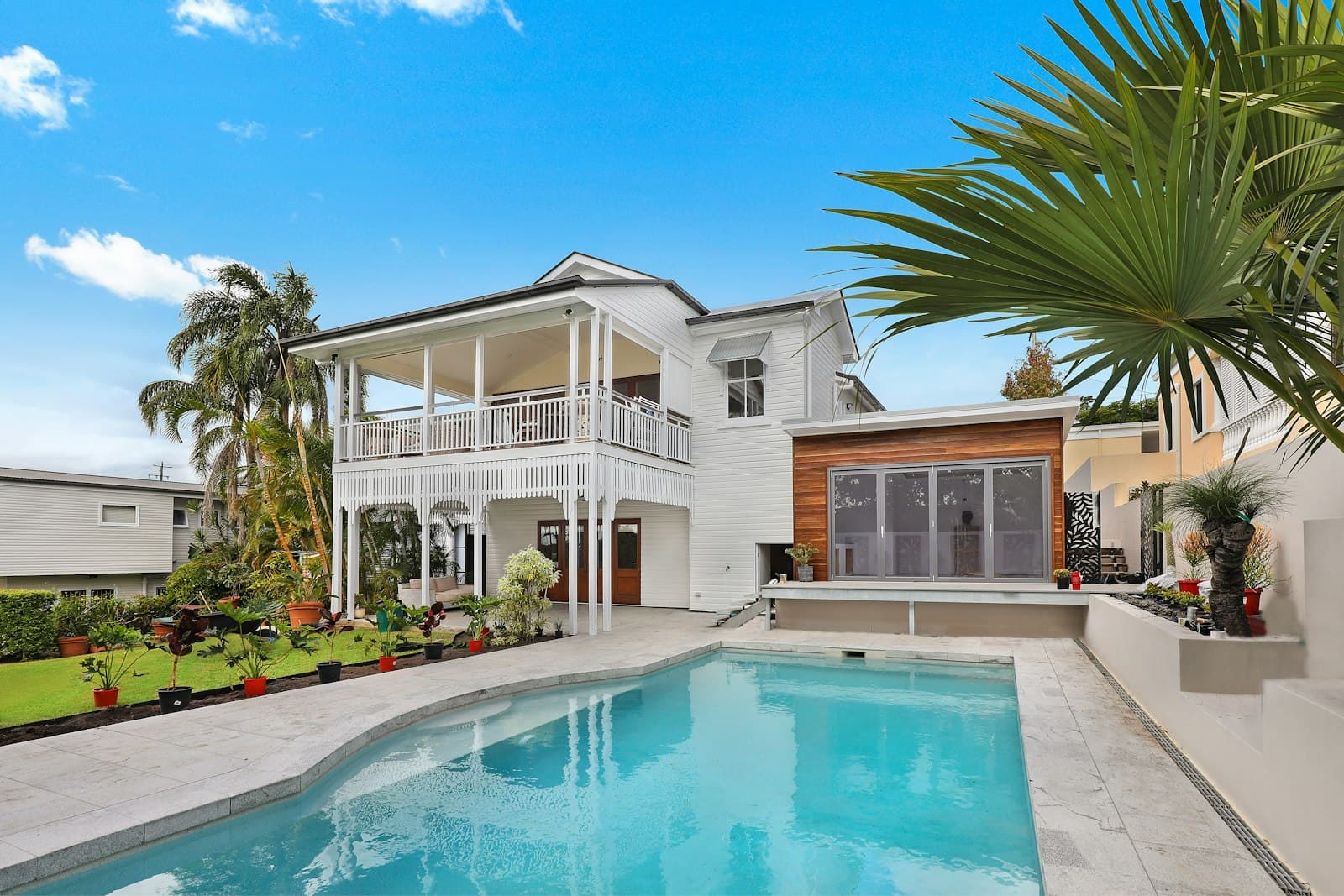
A three-ton unit that 'always worked' on a swamp-cooler house will not keep up once the windows are closed. The attic ducts leak into 140-degree air. That is the Phoenix job.
The short answer
Searching HVAC Phoenix usually means the system died on a design day, the swamp cooler is being retired, or rooms on the west side never catch up. Phoenix is IECC zone 2B hot-dry. The usual error is undersizing to the old unit and ignoring attic duct leakage — the opposite of the oversizing story that wrecks a Richmond house.
Seamless Home is a licensed contractor. The crew on site is a vetted local installing partner engaged as our subcontractor. Coverage is confirmed per service area rather than promised as blanket availability. SRP and APS are not the same utility and are not guessed from a page.
Start with a load calculation, not a quote
Tell us your Phoenix-area address and what is failing. We confirm coverage first, then size to the house and the attic rather than to the unit coming out.
What a hot-dry climate actually asks of a system
This is the part a national HVAC page — and a humid-climate rule of thumb — cannot tell you.
Hot-dry, not mixed-humid
Phoenix sits in IECC climate zone 2B (hot-dry) on the U.S. Department of Energy climate-zone map. That is not Richmond's 4A and it is not Virginia Beach's marine 4A. Sensible cooling dominates. Latent load is usually small except during monsoon. Equipment sized as if humidity were the problem will be the wrong equipment.
Undersizing is the local failure, not oversizing
In a mixed-humid climate an oversized air conditioner short-cycles and leaves the house clammy. In Phoenix an undersized system simply fails to keep up on a 110-degree afternoon, runs without stopping, and dies early. Copying the old three-ton unit onto a house that has had windows, insulation or additions changed is how that happens. The load calculation is the difference.
The attic is a second climate
Unconditioned Phoenix attics routinely sit far above outdoor air. Ducts in that attic leak supply into a 140-degree space and pull attic air back on the return. New equipment on leaky attic ducts cannot deliver its rating. Finding that before the condenser is ordered is cheaper than finding it in July.
Evaporative cooling is not refrigerated cooling
A large share of older Valley housing still has — or had — a swamp cooler. It is a different thermodynamic job, it does not dehumidify, and it cannot be 'replaced' with a like-for-like condenser. Moving a house from evaporative to refrigerated cooling is a duct, electrical and load-calculation project, not a swap.
Where that climate classification comes from
The DOE climate-zone map places Phoenix in zone 2B — hot-dry. Hot means cooling dominates; B means dry. Monsoon weeks add moisture, which is a short season, not a reason to size the coil as if it were Norfolk. We are not putting unofficial design temperatures on this page; those belong in a load calculation for a specific house.
What a replacement in Phoenix actually involves
The first two decide whether the system can keep a desert house comfortable in June. The last one decides whether anyone confirmed that it does.
Load calculation on this house, in 2B
Capacity from the house — area, insulation, windows, orientation, attic — and from Phoenix hot-dry design conditions. The old nameplate is a clue, not a specification.
Ducts in the attic, measured
Leakage and insulation on attic ducts decide whether the new unit can do the job. A sealed, insulated trunk in that attic is often more of the project than the condenser.
Electrical capacity, once
A heat pump or a larger compressor is a new load. If solar, a battery or an EV charger is also on the table, the panel is the shared constraint — worth answering once. Heat pumps do heat Phoenix winters; the winter load is the easy half.
Permit and commissioning
Mechanical replacement is permitted work in Phoenix and the surrounding cities. Commissioning then measures airflow and charge in the climate the system will actually run in, which is not a factory test condition.
Why we will not quote a tonnage from this page
A 1970s ranch in Maryvale still on a cooler, a 1990s two-storey in Ahwatukee and a new-build in Buckeye can sit in the same metro and need completely different systems. The national page, HVAC installation and replacement for homeowners, covers load calculation, ducts, refrigerant, permits and commissioning. This page exists because 2B changes what that calculation has to get right. For the water side of the same metro, see Phoenix water quality.
HVAC in Phoenix, answered plainly
Why is Phoenix HVAC the opposite of a Richmond or Virginia Beach job?+
Because the climate zone is 2B hot-dry, not 4A mixed-humid. Humidity is not the usual failure mode. Keeping up on a 110-degree afternoon is. Oversizing wrecks a humid house; undersizing wrecks a desert one. The load calculation has to know which climate it is in.
Can I just replace my swamp cooler with a central air conditioner?+
Not as a like-for-like swap. Evaporative cooling and refrigerated cooling use different ducts, different electrical loads and a different load calculation. Houses that 'always felt fine' on a cooler often need more airflow and a different duct layout once you close the windows and run a compressor. That is a design job.
Should I replace before June?+
If the system is already failing, waiting for monsoon or for next spring means living through the design days on equipment you do not trust, and joining the queue when everyone else's system fails on the same afternoon. If the equipment is sound and recently serviced, there is no need to replace it on a calendar.
Will a heat pump work in Phoenix?+
As an air conditioner that can also heat, yes — Phoenix winters are the easy half of a heat pump's job. As a cooling system it still has to be sized to the house and the attic, not to a humid-climate rule of thumb. That is the consultation.
Are there rebates or tax credits?+
Sometimes, and they have to be checked for your address and your utility (SRP or APS, which is not a detail to guess). Federal residential energy credit rules changed for property placed in service after December 31, 2025. Seamless Home does not provide tax advice.
Who installs it, and who is responsible afterwards?+
Seamless Home is the licensed contractor of record. Installation is performed by vetted installing partners engaged as our subcontractors. Coverage is confirmed per service area rather than promised as blanket availability.
Related resources
HVAC installation and replacement
The national service page: load calculation, ducts, electrical capacity, permit and commissioning.
Learn more →HVAC in Richmond, VA
The mixed-humid opposite: oversizing wrecks humidity control.
Learn more →Phoenix water quality
The other local Phoenix page: CCR citations for PWS AZ0407025.
Learn more →Mesa water quality
East Valley water, three zones, a 2025 CCR.
Learn more →All homeowner services
HVAC, battery backup, water treatment and solar under one licensed contractor of record.
Learn more →Start with a load calculation, not a quote
Tell us your Phoenix-area address and what is failing. We confirm coverage first, then size the system to the house and the attic rather than to the unit coming out.
Get a Free Estimate