Norfolk, Virginia
HVAC in Norfolk, VA
Hampton Roads is mixed-humid, and a large share of it floods. Replacement starts with a load calculation on this house — and, where the map says so, with the elevation the outdoor unit has to meet.
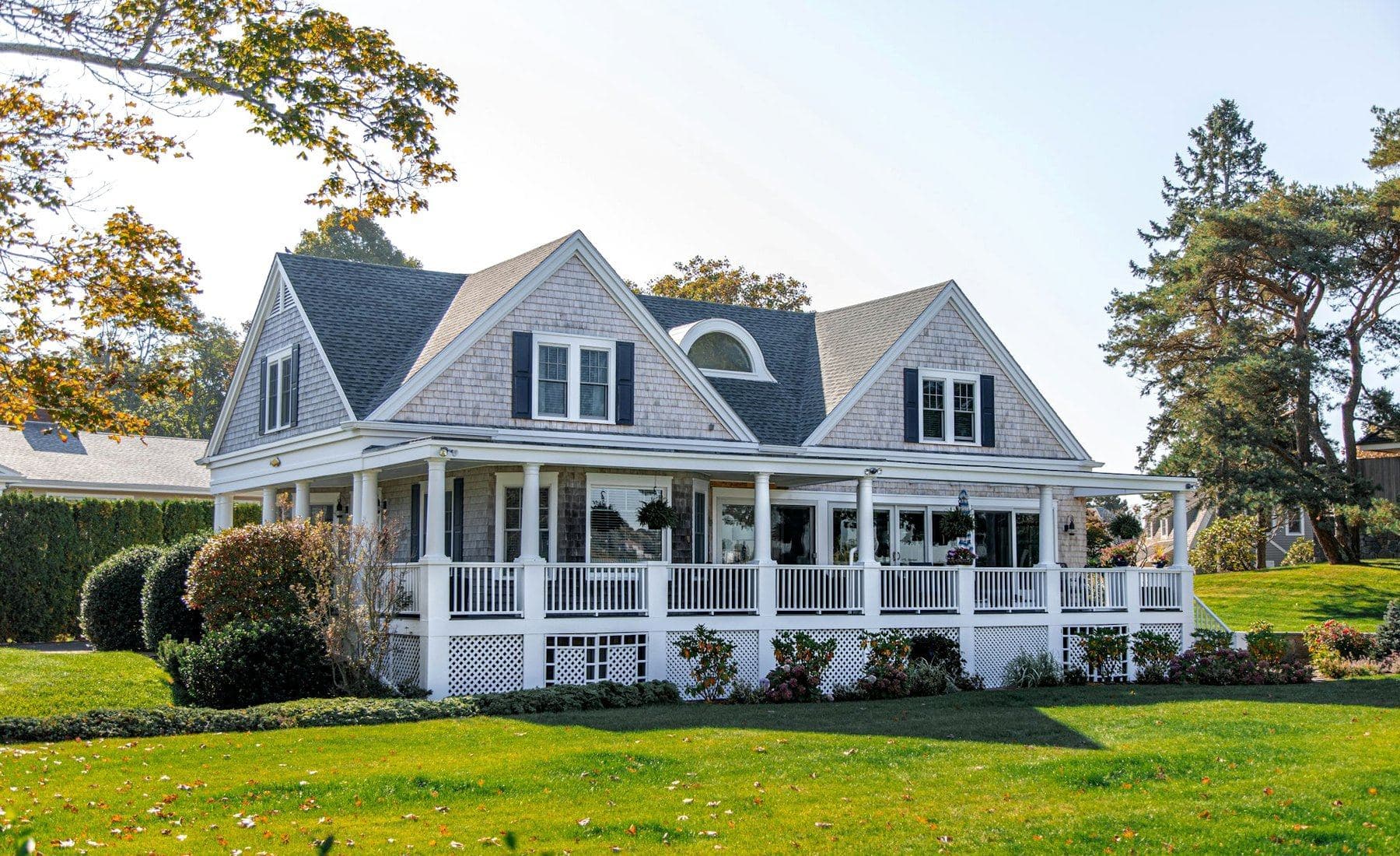
A new condenser on a pad that sits below the flood elevation is not a replacement. It is a permit problem waiting for the next tide. The crawl-space ducts are the other half of the same job.
The short answer
Searching HVAC Norfolk usually means a furnace, air conditioner or heat pump at the end of its life in a house whose ducts live in a wet crawl and whose outdoor pad may sit in a mapped flood zone. Oversizing still wrecks humidity control. The local extra is elevation and the crawl, not a different climate-zone number.
Seamless Home is a licensed contractor. The crew on site is a vetted local installing partner engaged as our subcontractor. Coverage is confirmed per service area.
Start with a load calculation, not a quote
Tell us your Norfolk-area address and what is failing. We confirm coverage first, then whether the flood map and the crawl change the job.
What Norfolk's climate and map actually ask
Zone 4A is the code classification. The floodplain administrator is a second reviewer when the parcel is in the map.
Hampton Roads is mixed-humid, and it floods
Norfolk sits in IECC climate zone 4A on the DOE map. Humidity control is the comfort problem, the same as Richmond. The local addition is that a large share of the city sits in a floodplain. Outdoor equipment, air handlers and furnaces are service equipment under IRC R322 / ASCE 24, and elevation requirements are a permit question, not a preference.
Crawl-space ducts in a wet city
Older Norfolk housing — brick rows, Capes, mid-century ranches — often puts the ducts in a crawl that takes on moisture. Leaky returns pull that air into the system. A new condenser on the old ducts is how a house stays sticky after a replacement. Finding the crawl before the equipment is ordered is the job.
Salt, shorter than the Beach, still real
Norfolk is not oceanfront in the Virginia Beach sense, but it is still Hampton Roads air. Condensers near the Elizabeth River and Willoughby do not live as long as the same unit in a western suburb. Coil specification follows the site, not the city name.
Older electrical services
A heat pump or electric backup heat is a substantial new load. In housing stock that has not had a service upgrade since the original oil or gas furnace, the panel is the shared constraint with any solar, battery or EV charger also on the table. Worth answering once.
Where that climate classification comes from
The DOE climate-zone map places Norfolk in zone 4A — mixed-humid. For how a flood zone changes service equipment, see what a flood zone does to a solar and battery permit: the same elevation logic applies to an air handler and a condenser.
What a replacement in Norfolk actually involves
The first two decide whether the system can keep a mixed-humid, sometimes-flooding house comfortable. The last one decides whether anyone confirmed that it does.
Load calculation, then flood elevation
Capacity from the house and mixed-humid design conditions. Then, if the parcel is in a flood zone, the outdoor unit and any below-grade air handler have to meet the elevation the floodplain administrator will enforce. That can change the pad, the stand and the line-set route before a brand is chosen.
Ducts in the crawl, not assumed
Undersized returns, wet insulation and crushed flex are common in Norfolk housing of every age. They cap what any new equipment can deliver.
Permit and commissioning
Mechanical replacement is permitted work under the Virginia Uniform Statewide Building Code. A floodplain review, where it applies, is a second approving authority — the same shape as the flood-zone problem on a solar and battery permit. Commissioning then measures airflow and charge.
What an HVAC job with us covers
Replacement and new installation, from the sizing calculation through to the measurements that prove the system works.
System replacement
Furnace, air conditioner, heat pump or air handler, sized to the house rather than matched to the nameplate on the unit coming out.
Load calculation first
Orientation, glazing, insulation, infiltration and duct location — the calculation that decides the equipment, done before the equipment is chosen.
Ductwork
Replacement, sealing and modification where the duct system is part of why the old one underperformed. Ducts are part of the system, not an upsell.
Electrical capacity
Confirming the service and circuit the new equipment needs, and the panel work where it does not already exist.
Refrigerant and line sets
Line set reuse or replacement assessed rather than assumed, and the charge set by measurement at start-up.
Permit, inspection and commissioning
The permit pulled, the inspection attended, and airflow, charge and temperature split measured and recorded at handover.
This is installation and replacement work. Coverage is confirmed per service area rather than promised as blanket availability.
What the work actually looks like
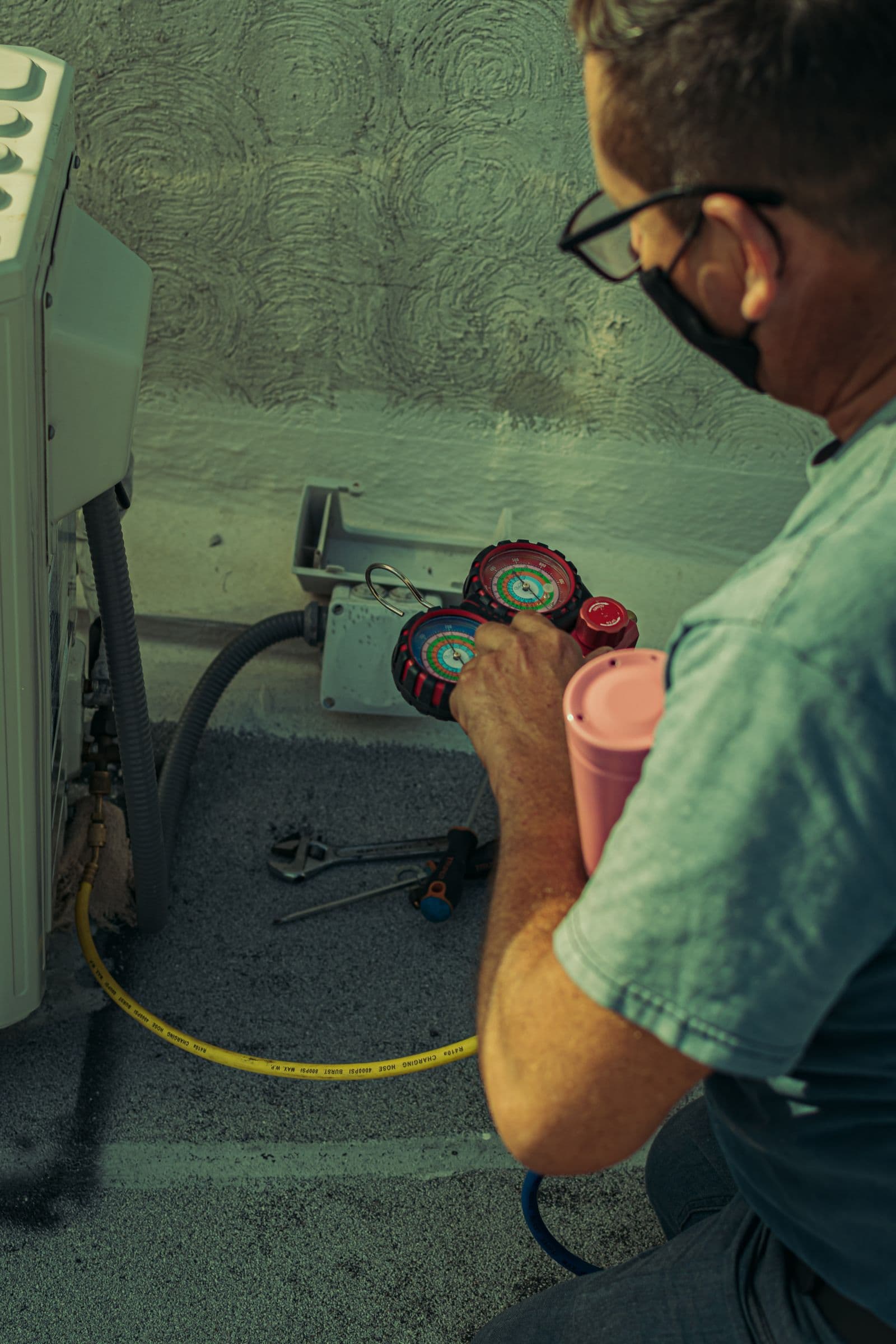
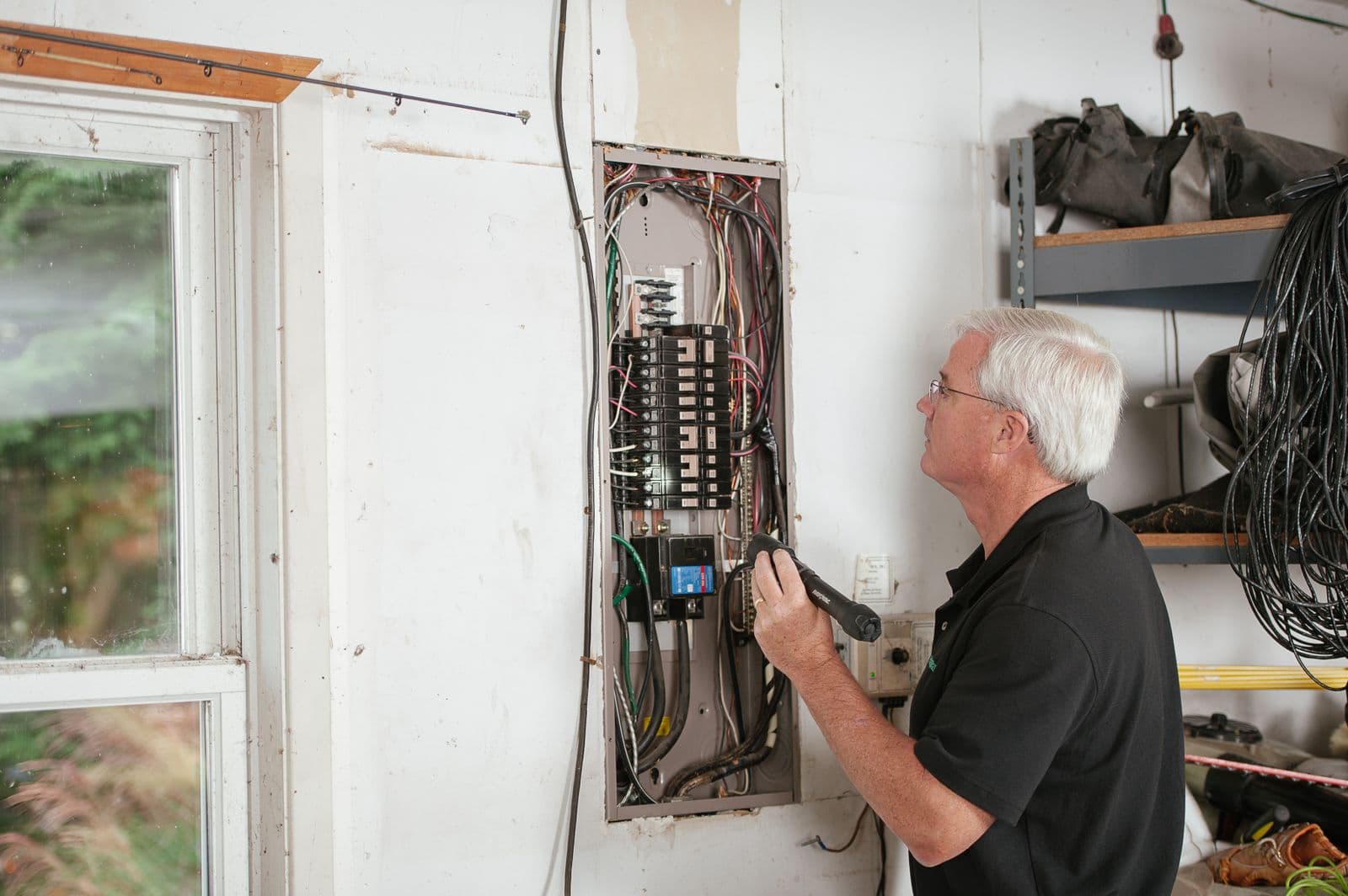
Replacement work, not stock smiles — the measurements and connections that decide whether a system performs.

HVAC in Norfolk, answered plainly
Why does a flood zone change an HVAC replacement?+
Because outdoor condensers, furnaces and air handlers are service equipment. In a mapped flood zone, IRC R322 and ASCE 24 set elevation requirements, and the floodplain administrator is an approving authority in addition to the mechanical inspector. A like-for-like swap onto the old pad can fail that review. We confirm the zone at the address rather than assuming Norfolk means waterfront.
Is Norfolk HVAC the same job as Virginia Beach?+
Same climate zone, same marine moisture, different housing stock and a more widespread flood-elevation question. The Beach's distinctive problem is salt fetch on oceanfront coils. Norfolk's is often the crawl and the flood map. Both are load-calculation jobs. Neither is a copy of Richmond.
Will a heat pump heat a Norfolk house?+
In mixed-humid coastal Virginia a modern air-source heat pump is a heating system. Whether it is the right one depends on the load, the ducts, the electrical service and the backup heat. That is the consultation.
Do I need a permit?+
Mechanical work is generally permitted under the Virginia Uniform Statewide Building Code. Floodplain review, where it applies, is additional. We pull the permit in our name as the contractor of record.
Are there rebates or tax credits?+
Sometimes, and they have to be checked for your address and your utility. Federal residential energy credit rules changed for property placed in service after December 31, 2025. Seamless Home does not provide tax advice.
Who installs it, and who is responsible afterwards?+
Seamless Home is the licensed contractor of record. Installation is performed by vetted installing partners engaged as our subcontractors. Coverage is confirmed per service area rather than promised as blanket availability.
Related resources
HVAC installation and replacement
The national service page: load calculation, ducts, electrical capacity, permit and commissioning.
Learn more →HVAC in Virginia Beach, VA
The oceanfront contrast: salt fetch on coils and a longer cooling season.
Learn more →HVAC in Richmond, VA
Inland mixed-humid: humidity as the failure mode, heating season as it gets colder.
Learn more →What a flood zone does to a permit
The floodplain administrator as a second approving authority, and the elevation service equipment has to meet.
Learn more →All home services
HVAC, battery backup, water treatment and solar under one licensed contractor of record.
Learn more →Start with a load calculation, not a quote
Tell us your Norfolk-area address and what is failing. We confirm coverage first, then whether the flood map and the crawl change the job.
Get a Free Estimate