For Homeowners
Smart home, installed as infrastructure
Cameras, locks, lighting, climate and energy controls are the visible part. The network and the wiring underneath them are what decide whether any of it is reliable — and they are the part usually left out of a quote.
Licensed contractor
One company accountable for the job
Free home assessment
No obligation, and a technician rather than a commissioned salesperson
Permits handled where required
Pulled under our licence, not left for you to chase
Coverage confirmed for your address
Checked before anything is designed or priced
The network is the project. The devices are the easy part.
Almost every complaint about a smart home — the camera that drops out, the lock that hangs, the app that spins — is a connectivity or wiring problem wearing a device's name. Devices are straightforward to install. Reliable coverage at the place the device actually sits, and a cable to the things that should never have depended on wireless, is the real work.
The second decision that outlasts everything else is the ecosystem. Devices are largely committed to one, so changing your mind later means replacing hardware rather than changing a setting. It is worth deciding deliberately at the start, including what has to keep working with no internet connection at all.
Seamless Home is a licensed contractor: where the work needs a permit it is ours, and the installing crew is a vetted local partner engaged as our subcontractor. Coverage is confirmed per service area rather than promised as blanket availability.
Services offered
What a smart home job with us covers
Installation of the network and the devices on it, specified so the house still works when an app does not.
The network underneath it
Wired and wireless coverage installed first, because most smart home complaints are network complaints wearing a costume.
Cameras and entry
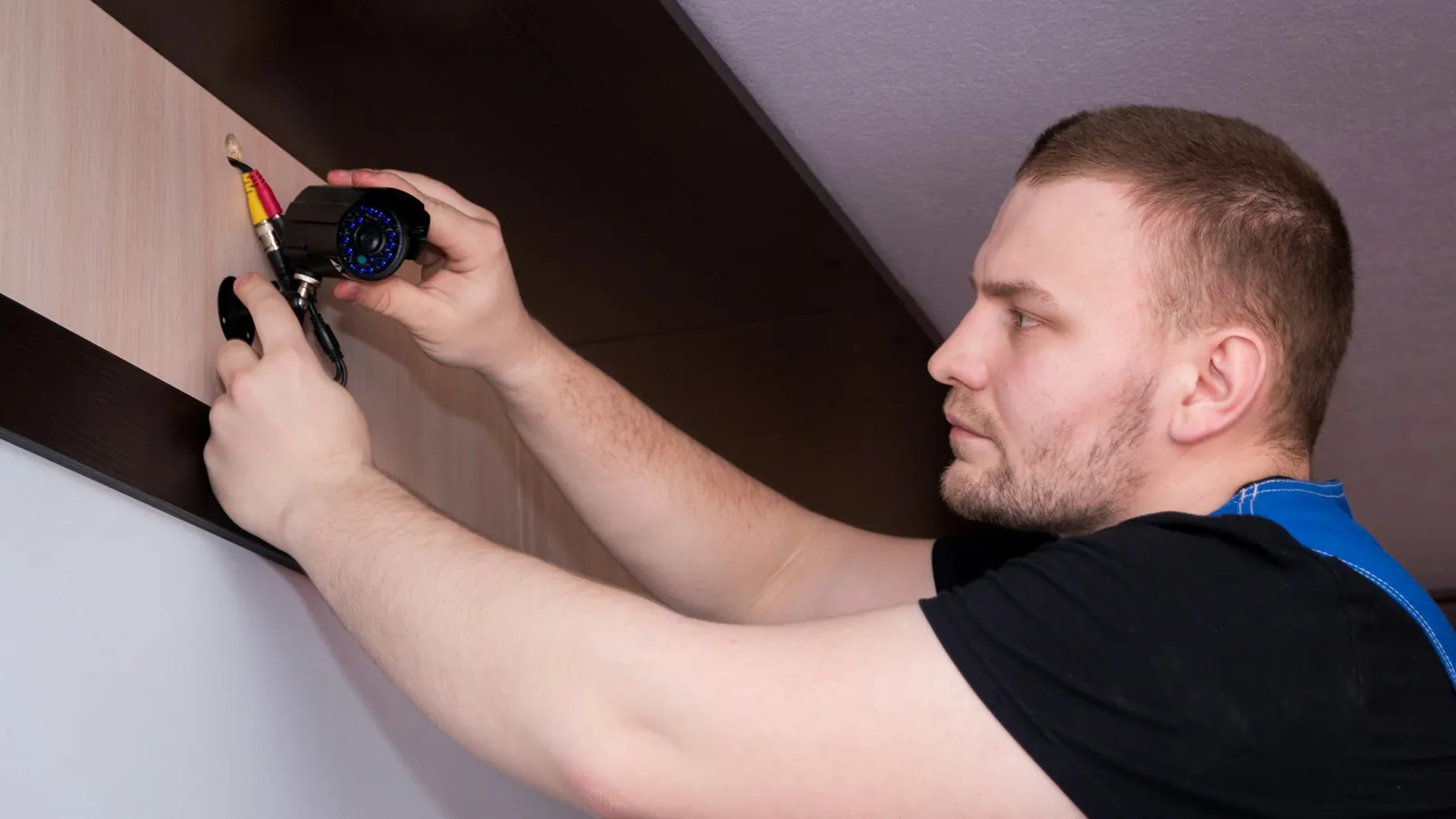
Installation of cameras, doorbells and entry hardware, including the power and network each one actually needs.
Lighting and shades
Switch, fixture and shade installation, with the wiring decided before the devices are chosen rather than after.
Climate controls
Thermostat and zone control installation, wired to the equipment that is actually there — including the common wire a retrofit often lacks.
Energy and backup awareness
Monitoring and control tied to PV solar or storage where the house has them, so the system knows what the power is doing.
Installed to work without the app
Physical switches and local control retained, so a cloud outage is an inconvenience rather than a dark house.
Coverage is confirmed per service area rather than promised as blanket availability.
Benefits
Why homeowners choose Seamless Home for smart home work
Network first
Coverage where the devices actually are, and a cable to anything that should never have depended on wireless.
Works when the internet does not
Anywhere a failure would matter, such as locks, garage access or heat, there is a manual or local path that needs no app.
One system, not nine apps
The ecosystem is chosen deliberately at the start, because changing it later means replacing hardware rather than a setting.
Camera privacy settled up front
Where footage lives, who can see it and what is in frame are decided before anything is mounted.
How it works
From walk-through to a system that works offline
The wiring and the network are scoped before any device is chosen.
- 1
Request a free assessment
Tell us what you need and where the property is. We confirm whether we cover your address for this trade before anything else happens.
- 2
Assessment and written quote
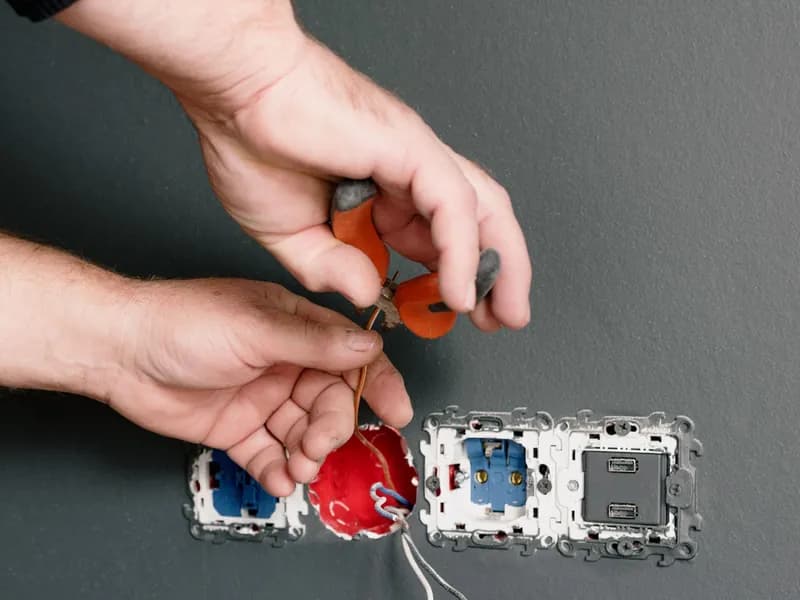
A technician walks the house for network coverage, cable routes and switch wiring (a smart switch usually needs a neutral in the box). The scope and price come in writing.
- 3
Permit and installation
Low-voltage and line-voltage work is done to what your jurisdiction requires, with the permit ours where one is needed, and then every device is configured.
- 4
Inspection, handover and support
The system is handed over working, including what still works with no internet connection, and the workmanship obligation stays with us.
Six layers, in the order they should be decided
The first one is invisible and the whole system rests on it. The last one is the question most people ask first.
The network underneath it
Everything else depends on this and it is the part most often skipped. Coverage where the devices actually are — not where the router is — plus wired runs to anything that should not depend on wireless, such as cameras and access points.
Cameras and entry
Doorbells, cameras, smart locks and gate entry. The decisions that matter are where recordings are stored, who can see them, and what still works when the internet is down.
Lighting and shades
Switches rather than bulbs wherever a circuit serves more than one fitting, because a wall switch that stops working when someone pulls up an app is the single most resented outcome in this category.
Climate controls
Thermostats, zoning and sensors. This is where automation returns the most on a well-installed HVAC system and the least on a badly sized one — the control cannot fix capacity.
Energy and backup awareness
Monitoring that shows what the house is drawing, and load management that sheds nominated circuits when you are running on battery rather than letting a dryer empty it.
How it is all driven
One place to control it rather than nine apps. That means choosing an ecosystem deliberately at the start, because the cost of changing it later is replacing devices rather than changing a setting.
What should still work when the internet does not
This is the question that separates a system you can live with from one that is fine until it is not, and it is worth answering explicitly before anything is bought.
Some devices do their work locally and carry on over the home network with no internet at all. Others route everything through a manufacturer's service and stop when the connection drops — sometimes including the basic function you bought them for. Neither is wrong, but the difference should be a decision rather than a discovery.
The rule worth holding to: anywhere a failure would matter — door locks, garage access, heat in winter, anything safety-related — there has to be a working manual or local path that needs no connection and no app. A lock you cannot open with a key during an outage is a design decision. If you have battery backup, this question is worth joining up with the one about which circuits stay live: there is little point backing up a router if the devices it serves are useless without the wider internet anyway.
Cameras deserve a slower conversation
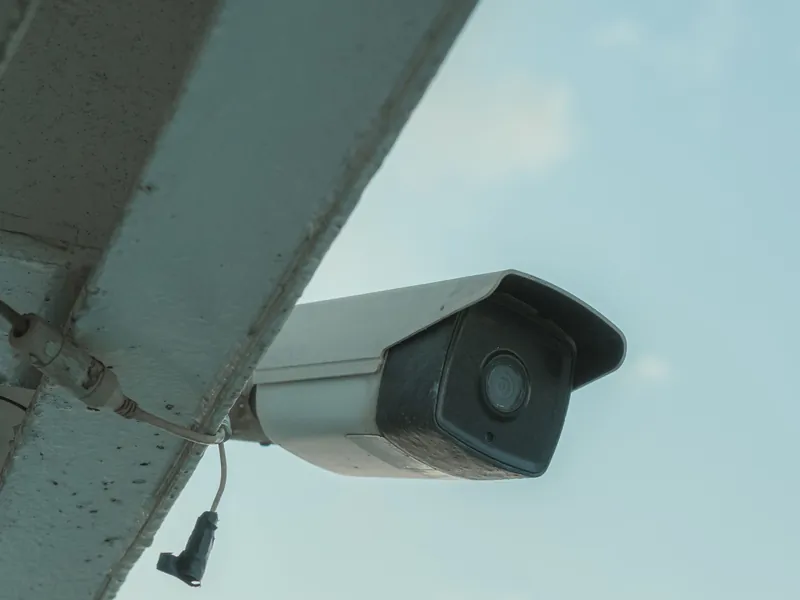
They are the part of a smart home with consequences that are not technical, so these are worth settling before anything is mounted — and worth asking of any installer, including us.
Where does footage live? On a device in your house, or on a manufacturer's servers. That decides what happens if the manufacturer changes its terms, raises a subscription, or stops trading, and what a lapsed subscription means for footage you already recorded.
Who can see it? Which household members have live and recorded access, whether any third party does, and how that access is removed when circumstances change.
What is in frame? Cameras covering a shared boundary, a neighbour's property or a public footpath can raise legal considerations that vary by state, and audio recording is treated differently from video in many of them. None of this is legal advice — it is a prompt to check, and it is much easier to resolve at the planning stage than after a complaint.
Controls cannot fix capacity
Automation is frequently sold on energy savings, so it is worth being plain about what it can and cannot do. A thermostat that follows an occupancy pattern avoids conditioning an empty house, and that is a genuine saving. Monitoring shows you where consumption goes, which is useful and which saves nothing on its own.
What controls cannot do is compensate for the things that actually set consumption: an incorrectly sized HVAC system, a leaking duct run, or an envelope that loses heat faster than anything can replace it. Automation applied on top of those produces a better-managed version of the same waste.
So the sensible order is equipment and envelope first, controls second. That is also why the thermostat conversation belongs with the HVAC job rather than after it, and why renovation work is the cheapest moment to run cable — the walls are already open.
What the work actually looks like
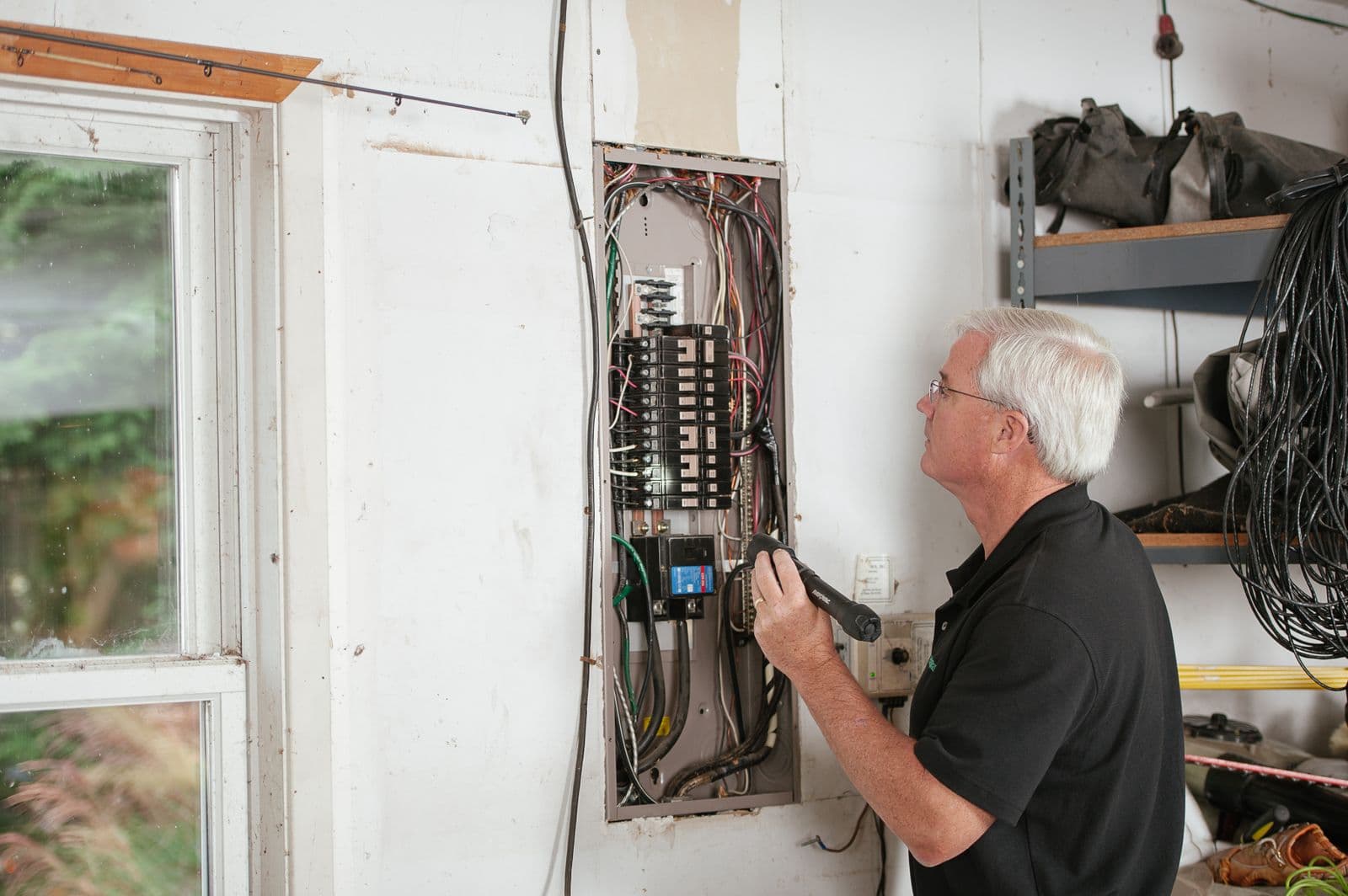
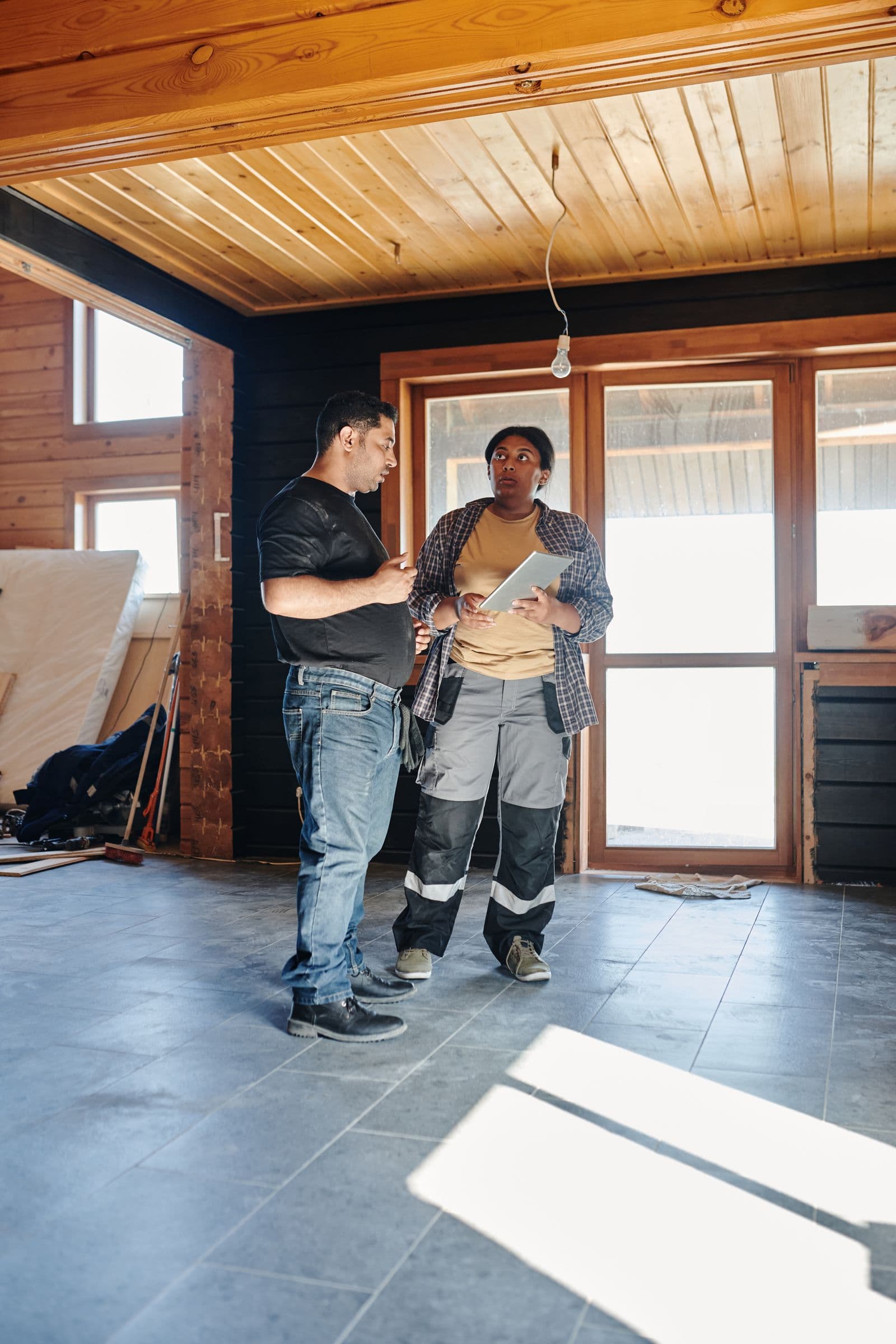
Smart home work is wiring and network first. The devices are the last and easiest decision.
Frequently Asked Questions
Where should a smart home project actually start?+
With the network, and it is the step most often skipped because it is the least visible. Every device above depends on reliable connectivity at the place it is installed rather than at the place the router sits, and a camera at the end of a driveway or a lock on a detached garage is frequently outside usable range. Wired connections to cameras and access points where they are practical, and deliberate wireless coverage where they are not, is what separates a system that works from one that works most of the time. Adding devices to an overloaded network is the most common reason a smart home is described as unreliable.
Should I choose an ecosystem before buying devices?+
Yes, and this is the decision with the longest tail. Devices are largely committed to one ecosystem or another, so the practical cost of changing your mind later is replacing hardware rather than changing a setting. It is worth deciding up front which ecosystem the household will actually use, whether anything must keep working without an internet connection, and whether you are willing to depend on a subscription for features you consider essential. A system assembled device by device without that decision tends to end up as several apps that do not talk to each other, which is the outcome most people are trying to avoid by automating in the first place.
What happens to my smart home when the internet goes down?+
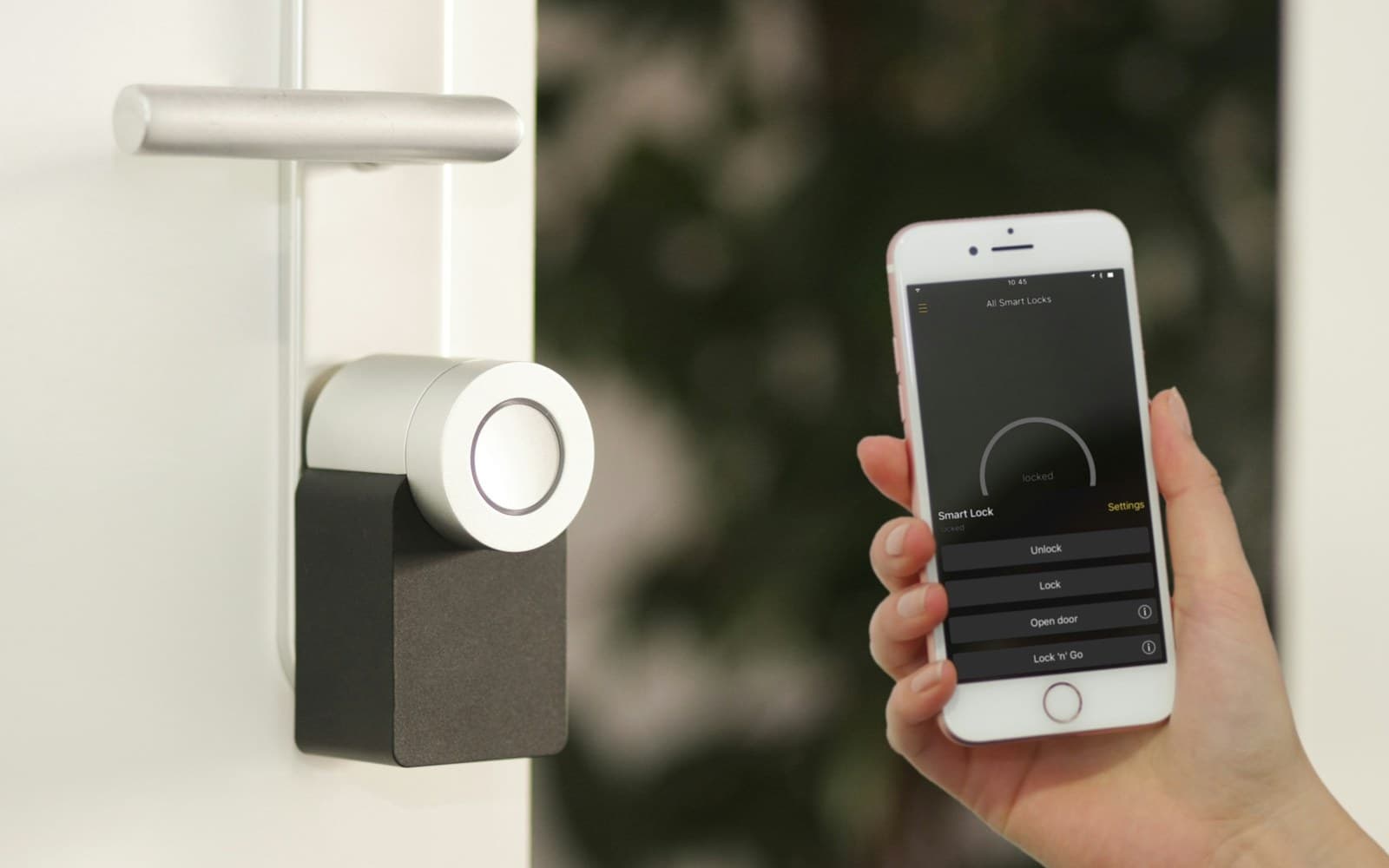
That depends entirely on choices made at installation, which is why it is worth asking before rather than after. Some devices process everything locally and continue to work on the home network with no internet at all. Others route through a manufacturer's service and become unavailable the moment the connection drops, sometimes including basic functions. Where it genuinely matters — door locks, garage access, heating in winter, anything safety-related — the rule is that there must be a working manual or local path that does not depend on a connection or an app. A smart lock you cannot open with a key during an outage is a design decision, not a feature.
Who can see my camera recordings, and where are they stored?+
Ask this of any installer, including us, and treat a vague answer as an answer. Recordings are stored either locally on a device in your home or on a manufacturer's servers, and the two have genuinely different implications for who can access them, what happens if the manufacturer changes terms or ceases trading, and what a subscription lapse means for footage you have already recorded. Access is a separate question from storage: who in the household can view live and recorded footage, whether a third party can, and how that access is revoked. Cameras covering shared boundaries or neighbouring property can also raise legal considerations that vary by state, and are worth establishing before the camera is mounted rather than after a complaint.
Will smart controls reduce my energy bills?+
Modestly and indirectly, and it is worth setting the expectation honestly rather than selling a payback. A thermostat that follows a schedule and an occupancy pattern avoids conditioning an empty house, which is a real saving. Energy monitoring does not itself save anything — it tells you where consumption is going, which is genuinely useful and which only produces a saving if you act on it. What controls cannot do is compensate for the things that actually determine consumption: equipment that is the wrong size, a leaking duct system, or an uninsulated envelope. Automation applied on top of those is a better-managed version of the same waste, which is why the HVAC and envelope questions come first.
Can this be added to a house that is already finished?+
Mostly yes, and the constraint is wiring rather than devices. Anything wireless is straightforward to retrofit. Anything that wants a cable — cameras, access points, some in-wall controls — depends on whether a route exists through accessible attic, basement or crawl space, and that varies enormously between houses. Switches are usually the sharpest case: a smart switch generally needs a neutral conductor in the switch box, and older wiring frequently does not have one there, which changes the job from a device swap to electrical work. This is all establishable at survey rather than discovered mid-installation, and it is a large part of why an honest quote follows a visit.
Is the wiring for this work permitted?+
It depends on what is being installed and on the jurisdiction. Low-voltage cabling for network and cameras is treated differently from line-voltage work, and some jurisdictions require a low-voltage licence or registration for it specifically. Anything altering line-voltage circuits — switches, new circuits for equipment, a subpanel — is electrical work and is generally permitted work. As with every other trade on this site, what applies is established for your address rather than assumed. Seamless Home is a licensed contractor and holds the permit where one is required; the installing crew is a vetted local partner engaged as our subcontractor.
Related resources
HVAC installation and replacement
Where climate controls pay off, and why the equipment decision comes before the thermostat.
Learn more →Remodeling, renovation and roofing
Open walls are the cheapest moment to run cable. Worth sequencing the two together.
Learn more →Home battery backup installation
Load management and monitoring are where automation and storage genuinely meet.
Learn more →All home services
Six trades under one licensed contractor, with the permit and the warranty in one place.
Learn more →Start with the house, not the shopping list
Tell us what you want to control and where you are. We will confirm coverage for your area, then work out what the wiring and the network actually require before any device is chosen.
Get a Free Estimate