Goodyear, Arizona
Home Battery Backup in Goodyear
APS Storage Rewards pays a published $110 per average kW across up to 60 conservation events from May through October. Monsoon outages do not follow that calendar. A Goodyear battery has to do both jobs.
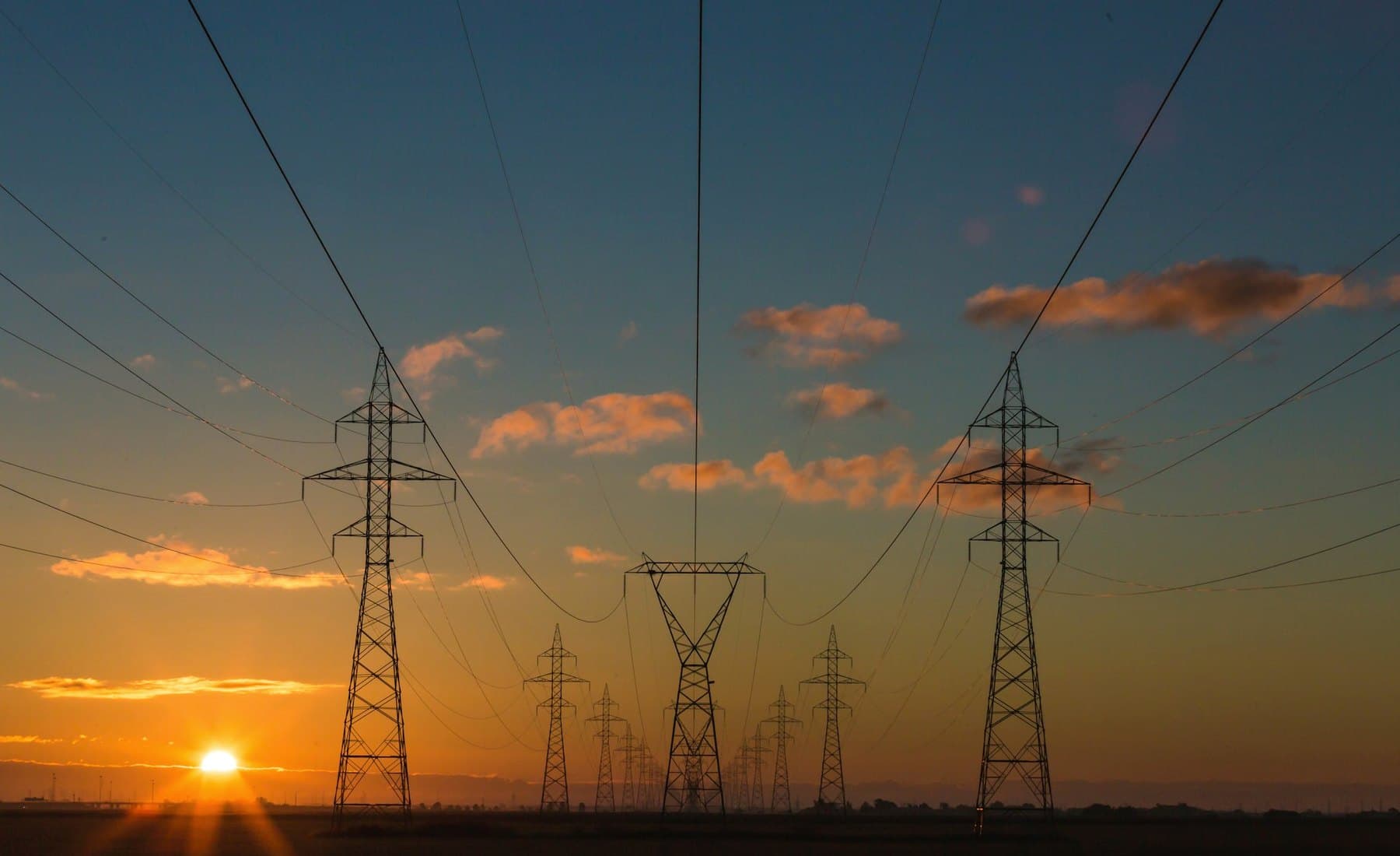
APS Storage Rewards: $110/kW · up to 60 events · May–October, 4–10 p.m.
The short answer
Goodyear is largely APS territory. APS's Storage Rewards (BYOD) pilot publishes an annual capacity payment of $110 per kW based on average performance, with up to 60 events from May through October between 4 and 10 p.m.
That is a grid program on a five-year pilot clock (2025–2030). It does not replace sizing for monsoon and heat outages. Confirm APS at your meter and an eligible manufacturer before counting the $110 figure.
Get a Free Estimate
Tell us your Goodyear address, how the house is cooled and what must stay on in an outage. We confirm APS coverage and Storage Rewards eligibility before anyone sizes a battery.
Why Goodyear is different from a generic West Valley battery page
Peoria covers the TOU window. Scottsdale covers the calendar. This page quotes the published dollars.
APS Storage Rewards publishes $110 per kW
APS's 2026 Storage Rewards (BYOD) informational filing describes a pay-for-performance design with an annual capacity payment of $110 per kW based on average kW performance delivered during the season.
Events run May through October, 4–10 p.m.
The same filing allows up to 60 demand-response events per year, called any day including weekends and holidays, between 4:00 and 10:00 p.m. from May through October.
Five-year pilot, not a permanent tariff
APS launched the pilot on August 25, 2025, as a limited five-year program (2025–2030) with up to 5,000 participants. Terms can change; we re-check eligibility and the published rate before enrollment.
What a Goodyear battery actually has to do
Program pay is seasonal. Backup is whenever the feeder drops.
Manufacturer list is part of eligibility
The IF names Emporia, Enphase, FranklinWH, Fortress Power, SolarEdge and Tesla (Tesla-managed batteries only, at the time of the filing). An off-list battery may not qualify even if it is installed correctly.
Battery serves the house first
Storage Rewards is a grid program. Outage backup still depends on a critical load panel, reserve settings and whether the inverter can island. Program events and monsoon outages are different jobs.
Confirm APS before quoting $110
Goodyear is largely APS, but West Valley service territories are not uniform. We verify the electric utility at the meter before treating Storage Rewards as available.
Permission to Operate is required
APS requires Permission to Operate on the battery interconnection. Leased batteries may participate depending on lease terms — the IF says so explicitly.
Goodyear next to Peoria, Glendale and Avondale
Peoria walks through APS's 4–7 p.m. weekday on-peak window. Glendale covers APS RCP export context. Scottsdale covers Storage Rewards hours without the dollar figure. Goodyear's water story — including the south-of-Gila TTHM notice — is on Goodyear water quality.
Where these figures come from
Everything on this page traces to APS's published Storage Rewards materials.
- APS — Storage Rewards (BYOD) Pilot Program (2026 informational filing PDF) — $110/kW capacity payment, event caps, May–October window, manufacturer list and pilot term.
- APS — Storage Rewards program page — customer-facing overview of the BYOD pilot.
What a home battery job with us covers
Installation of storage and the backup circuits behind it, with the siting and utility paperwork handled.
Battery installation
Wall or floor-mounted storage installed to the listing and to the residential code sections that govern where it may go.
Backup and critical load panel
Deciding and wiring which circuits stay live, and which must never be on backup — the choice that defines what an outage feels like.
Integration with existing PV solar
Connecting storage to an array that is already on the roof, including whether the existing inverter supports it.
Transfer switch and disconnection
The equipment that separates the house from the grid during an outage, which is what makes backup legal as well as possible.
Siting to code
Location, clearances, separation and impact protection assessed against the adopted code before anything is mounted.
Permit, inspection and utility approval
The electrical permit, the inspection, and the utility's own approval step where storage touches the service.
This is installation work. No runtime, capacity or incentive figure is quoted before your loads and your utility are confirmed. Coverage is confirmed per service area rather than promised as blanket availability.
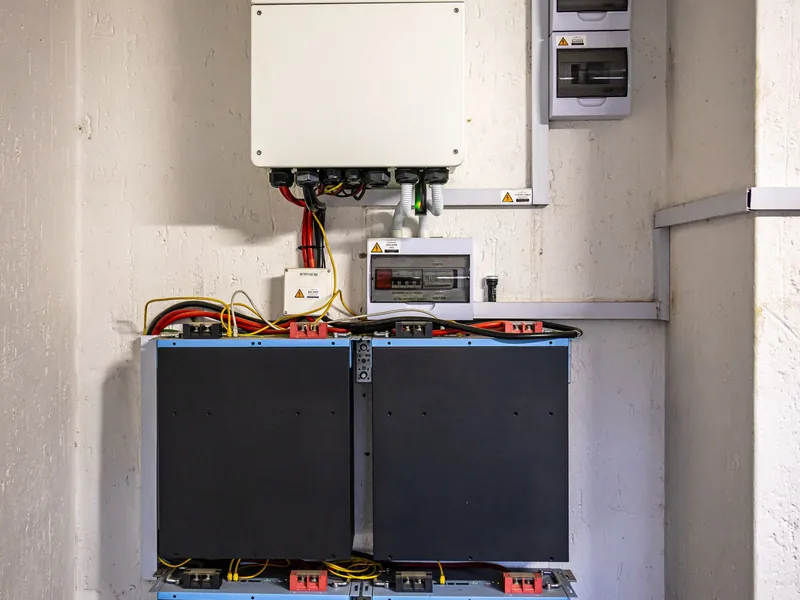
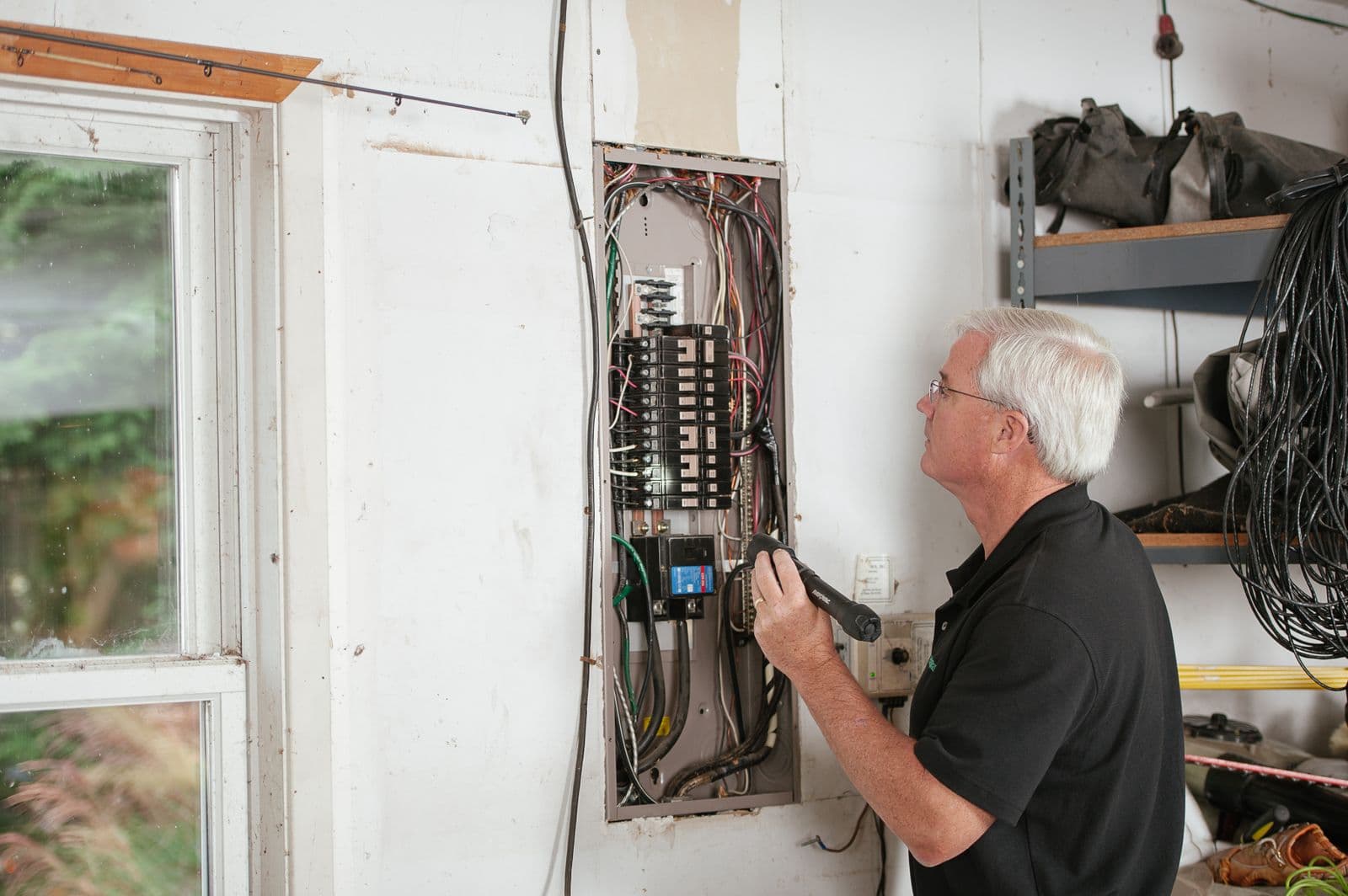
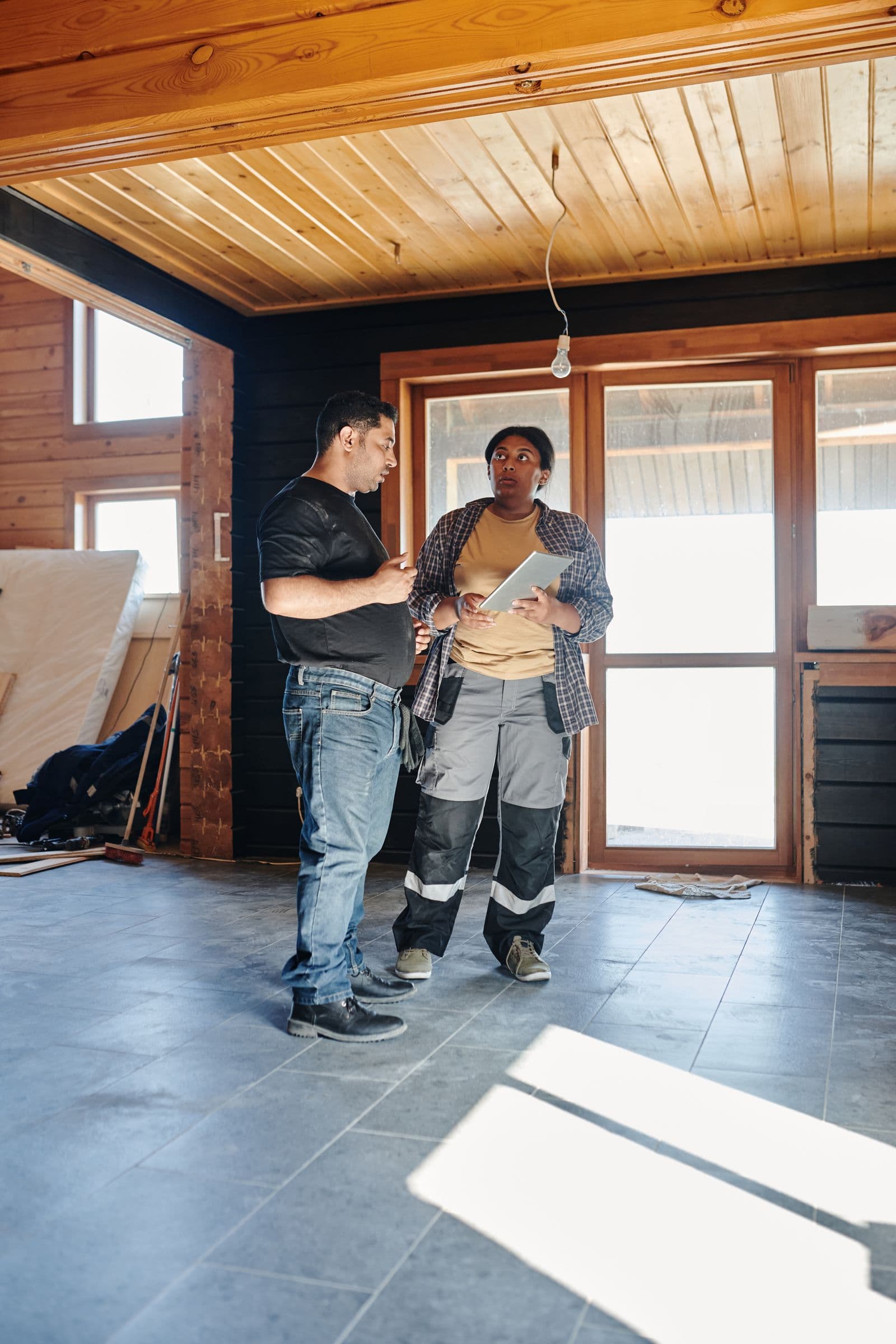
What the work actually looks like
A battery job is an electrical job. The panel, the circuits and the disconnection are most of it.
Goodyear battery backup, answered plainly
Who is the electric utility in Goodyear?+
Most of Goodyear is Arizona Public Service (APS) territory. Confirm at your address before designing a battery or counting on Storage Rewards — West Valley boundaries are not always obvious from the city limit.
What is APS Storage Rewards?+
It is APS's Bring-Your-Own-Device battery pilot. The 2026 informational filing describes a $110 per kW annual capacity payment on average performance, with up to 60 events from May through October between 4 and 10 p.m.
Is the $110 rate guaranteed forever?+
No. APS describes a five-year pilot (2025–2030) with a participant cap. We treat the figure as the published rate on the filing we cite, and we re-check before anyone enrolls.
Will program events drain the battery before a monsoon outage?+
Reserve settings and manufacturer behavior matter. Some systems may hold energy ahead of conservation hours. We design for outage loads first, then for program participation.
How is this different from the Scottsdale or Peoria pages?+
Peoria covers APS time-of-use peak windows. Scottsdale covers the Storage Rewards calendar without quoting the dollars. Goodyear's page quotes the published $110/kW capacity payment from APS's filing.
Who installs it, and who is responsible afterwards?+
Seamless Home is the licensed contractor of record on the work it runs. Installation is performed by vetted installing partners engaged as our subcontractors. Coverage is confirmed per service area rather than promised as blanket availability.
Related resources
Home battery backup
The national service page behind this one.
Learn more →Peoria battery backup
APS 4–7 p.m. weekday on-peak design.
Learn more →Scottsdale battery backup
Storage Rewards calendar without the $/kW quote.
Learn more →Goodyear water quality
City TTHM notice south of the Gila and dual providers.
Learn more →All home services
Water, battery, HVAC and solar under one licensed contractor of record.
Learn more →Get a free battery estimate
Tell us your Goodyear address and what must stay on in an outage. We confirm APS coverage, check Storage Rewards eligibility, and size to a critical load panel — no obligation.
Get a Free Estimate