Glendale, Arizona
Home Battery Backup in Glendale
Glendale sits on the APS–SRP line. On the APS side, solar exports are credited at the RCP rate, which steps down each September and locks for ten years — and that changes what a battery is for.
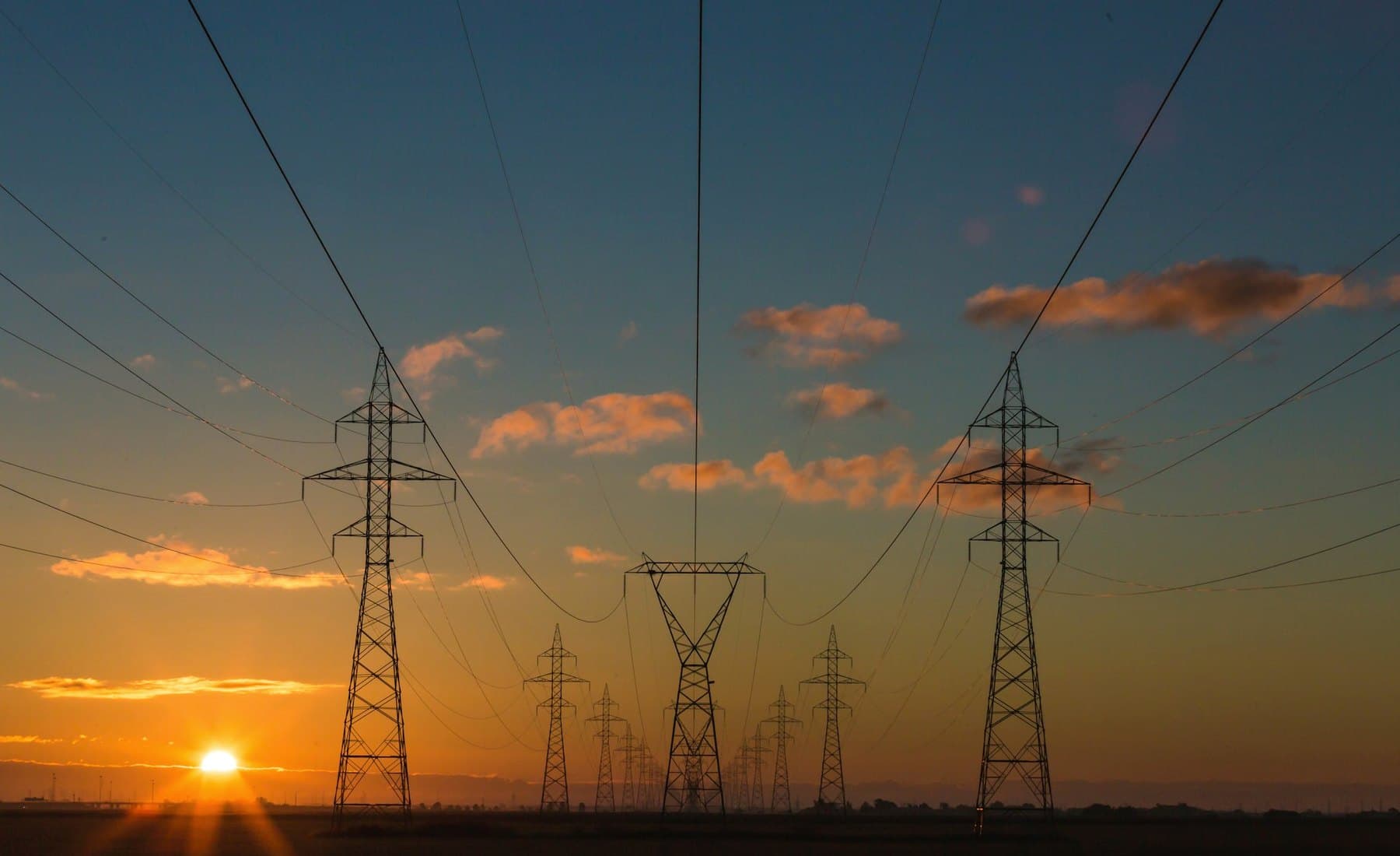
APS's 2026 export tranche: 5.554¢ per kWh, locked for ten years. The 2017 tranche was 12.9¢.
The short answer
Glendale is served by APS or SRP, depending on the address. A grid-tied array produces nothing in an outage; a battery with the right switching keeps selected circuits up.
On the APS side, exported solar is credited under Rate Rider RCP — for the tranche that began September 1, 2026, 5.554¢ per kWh, locked for ten years. A battery that keeps midday solar for the evening is working in the gap between that credit and what you pay to import. We size to a critical load panel, check the rate plan before touching it, and confirm the rules in writing for your address.
Find out what a battery would run in your house
Tell us your Glendale address and whether you already have solar. We confirm coverage and which utility serves you first, then size to a critical load panel — and handle the interconnection paperwork rather than leaving it with you.
Three things that are specific to here
Not the monsoon — the utility line and the way APS credits what your panels send back.
A city on the utility line
APS's Metro Phoenix service-area map shows part of Glendale inside APS's service area and part outside it. Maricopa County's own guidance is that electric service is SRP or APS depending on location. The electric bill settles it, and every rule below depends on it.
Exports are credited, not netted
Under APS Rate Rider RCP, exported energy is metered on an instantaneous basis and credited monthly at a purchase rate. Energy you send to the grid at noon and energy you buy back at 6 p.m. are priced separately — which is exactly the gap a battery works in.
The rate steps down each September
APS sets a new RCP rate for each annual tranche of new solar customers, effective September 1, and the rider caps each year's reduction at 10%. The printed rates fall from 12.9¢ per kWh for the 2017 tranche to 5.554¢ for the tranche that began September 1, 2026.
What a Glendale battery actually does
A summer outage produces the critical-load list. The export rate decides what the battery does on the other 364 days.
Self-consumption before export
With exports credited at the RCP rate, a battery that stores midday solar and serves the house in the evening is using energy that would otherwise have been sold at that rate. How much that is worth depends on your APS rate plan — the Peoria page covers APS's 4–7 p.m. weekday peak.
Cooling through a summer outage
A central air conditioner is the largest load a Glendale battery will be asked about. Whether it is on the backed-up panel decides the size of everything else, and we answer that before naming equipment.
Pool pumps — usually out
A long-running pool pump can drain a battery meant for refrigeration and medical equipment. Most designs leave it off the backed-up circuits.
Refrigeration, networking, medical equipment
Small continuous draws with high consequences. Oxygen concentrators, CPAP machines and powered mobility belong in the first conversation, because they turn a battery from a convenience into a dependency.
The application date is part of the design
The RCP rate you keep is the one in effect when the interconnection application goes in, provided the installation is finished and approved by the authority having jurisdiction within 180 days. That makes permitting and permission to operate a schedule question, not just paperwork — and adding a battery to an existing array is its own application.
Siting is answerable before anyone visits. The home battery siting checker walks the locations the residential code permits for stationary storage, and where a home battery can and cannot be installed explains the reasoning. The state licenses Seamless Home works under are listed on the licenses page.
Next door, Peoria covers the APS 4–7 p.m. weekday peak that sets the value of evening energy, and Scottsdale covers APS Storage Rewards. On the SRP side of the line, Chandler covers SRP's E-27 peak windows, and Phoenix covers Valley heat and monsoon outages.
Where these facts come from
- APS — Rate Rider RCP (A.C.C. No. 6248, Revision 11, effective September 1, 2026) — instantaneous export metering, annual tranches, 10% cap, 180/270-day completion window, 10-year lock, purchase rates by tranche, capacity-increase and Legacy-switch rules.
- APS — Service Area Maps — Metro Phoenix map showing Glendale partly inside and partly outside APS's service area.
- Maricopa County — Electrical, Sewer & Water Service — SRP or APS depending on location.
What a home battery job with us covers
Installation of storage and the backup circuits behind it, with the siting and utility paperwork handled.
Battery installation
Wall or floor-mounted storage installed to the listing and to the residential code sections that govern where it may go.
Backup and critical load panel
Deciding and wiring which circuits stay live, and which must never be on backup — the choice that defines what an outage feels like.
Integration with existing PV solar
Connecting storage to an array that is already on the roof, including whether the existing inverter supports it.
Transfer switch and disconnection
The equipment that separates the house from the grid during an outage, which is what makes backup legal as well as possible.
Siting to code
Location, clearances, separation and impact protection assessed against the adopted code before anything is mounted.
Permit, inspection and utility approval
The electrical permit, the inspection, and the utility's own approval step where storage touches the service.
This is installation work. No runtime, capacity or incentive figure is quoted before your loads and your utility are confirmed. Coverage is confirmed per service area rather than promised as blanket availability.
What the work actually looks like
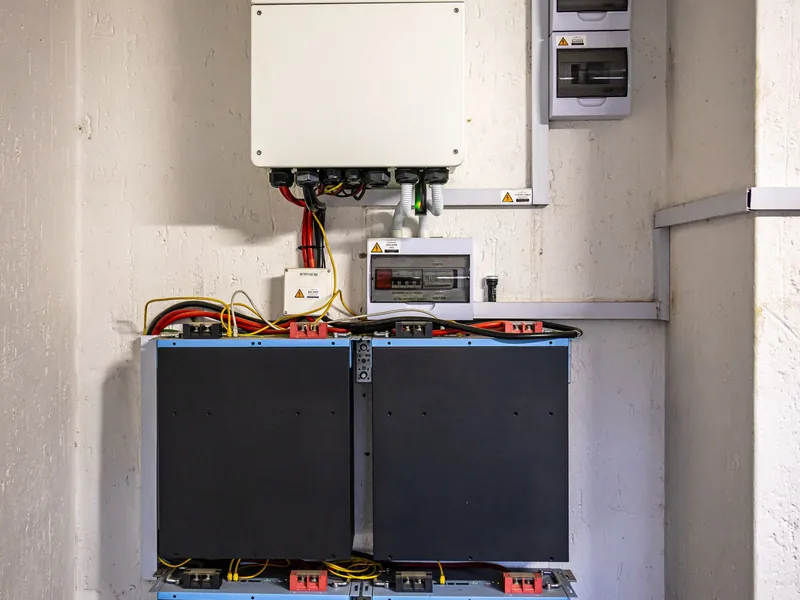
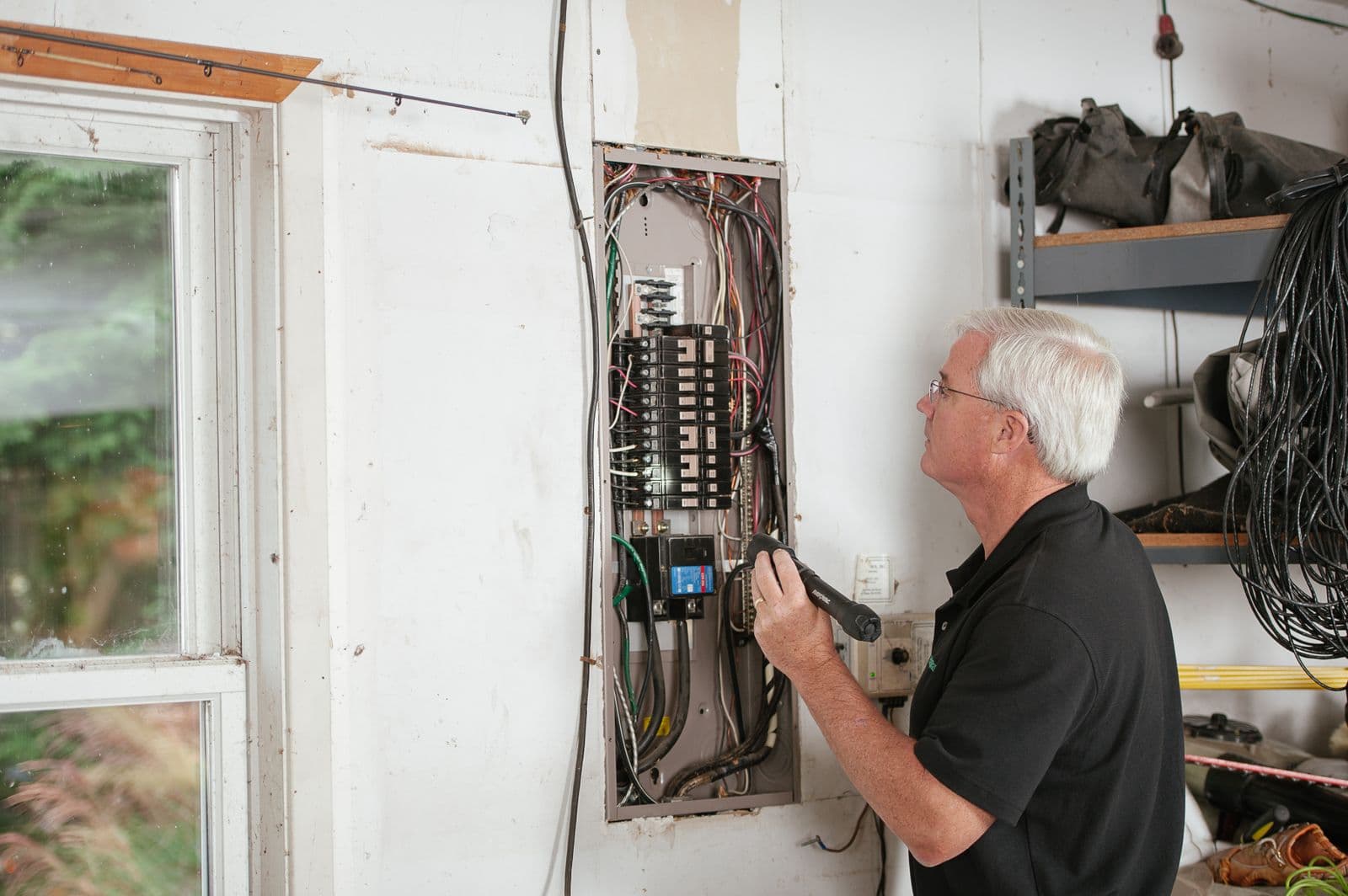
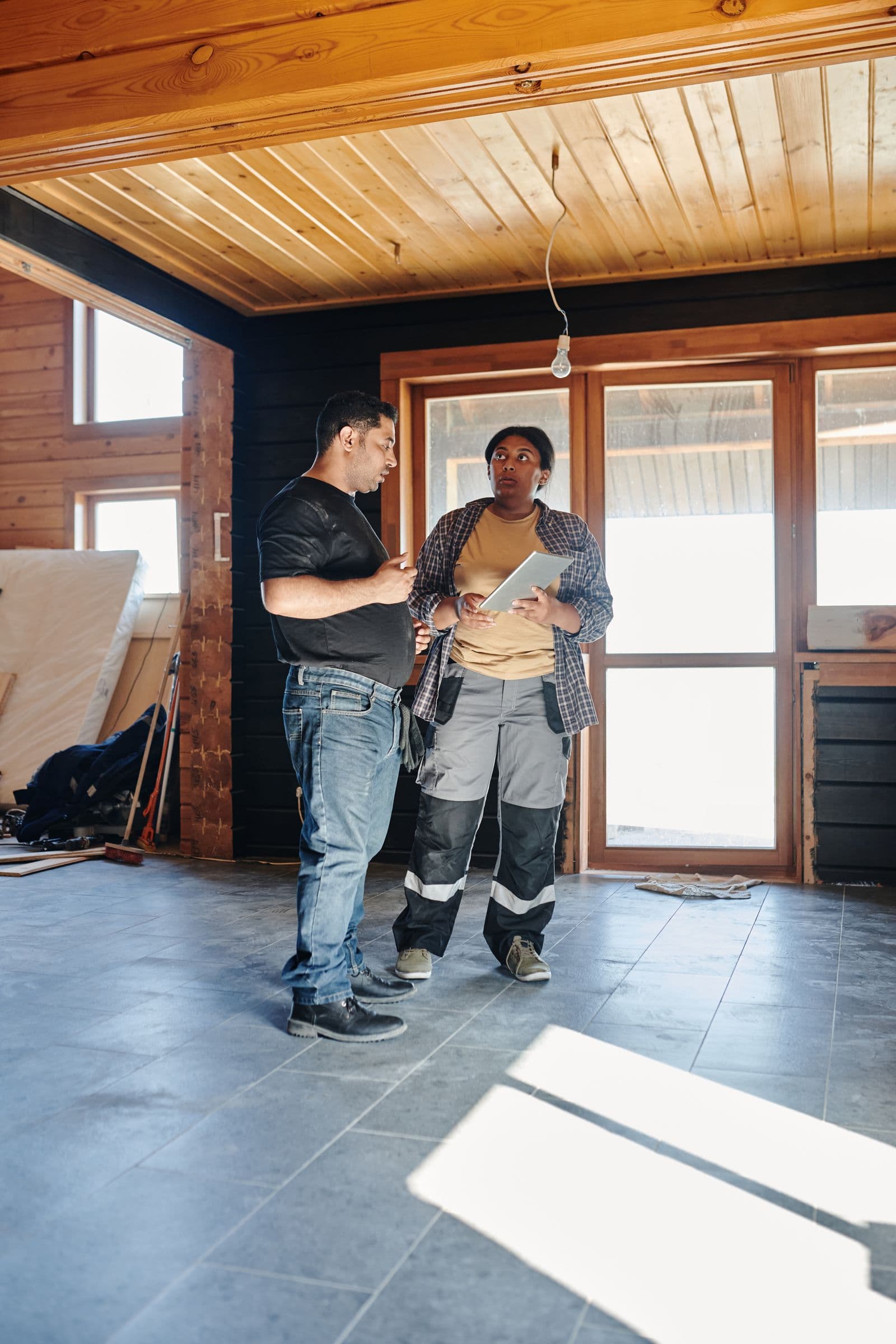
A battery job is an electrical job. The panel, the circuits and the disconnection are most of it.
Battery backup in Glendale, answered plainly
Is Glendale APS or SRP?+
Both, depending on the address. APS's Metro Phoenix service-area map shows part of Glendale inside APS's service area and part outside it, and Maricopa County tells residents electric service is SRP or APS depending on location. Your electric bill is the quickest answer. This page covers APS's export rate; if your bill says SRP, the Chandler and Gilbert pages cover SRP's rules.
What is the APS RCP export rate?+
The Resource Comparison Proxy is the rate at which APS credits energy exported by a customer's on-site solar under Rate Rider RCP. APS sets a rate for each annual tranche of new customers, effective September 1, and the rider limits the yearly reduction to 10%. The rider effective September 1, 2026 prints 5.554¢ per kWh for the 2026 tranche (September 1, 2026 through August 31, 2027).
How long is my export rate locked?+
Ten years from interconnection. The rate that applies is the one in effect when you submit the interconnection application, provided the installation is completed and approved by the authority having jurisdiction within 180 days — or 270 days if a third party or APS delays the interconnection. After ten years the credit follows the rate in effect at the time and can change yearly.
Does adding panels with a battery affect my locked rate?+
It can. The rider says a material increase in solar capacity — 10% or 1 kW-ac, whichever is greater — ends eligibility for the original locked rate; credits then use the current rate for the remainder of the ten years. If a battery project also adds panels, that rule belongs in the design conversation.
I have old net-metered solar. Should I switch plans to add a battery?+
Carefully. Under the rider, a customer who leaves a grandfathered Legacy solar rate and net metering for a new rate and RCP loses grandfathering and cannot switch back. We check what your account is on before recommending anything that touches the rate plan.
Why does my Glendale solar shut off during an outage?+
A grid-tied inverter is required to disconnect when it loses the utility, so it is not energising lines crews believe are dead. That is anti-islanding, a safety requirement. A battery with the right transfer equipment is what keeps selected circuits running while the street is dark.
Who installs it, and who is responsible afterwards?+
Seamless Home is the licensed contractor of record on the work it runs. Installation is performed by vetted installing partners engaged as our subcontractors, so the permit, the inspection and any correction notice carry one name. Coverage is confirmed per service area rather than promised as blanket availability.
Related resources
Home battery backup installation
The national service page: essential-circuit, whole-home and managed-load backup compared.
Learn more →Home battery backup in Peoria, AZ
APS 4–7 p.m. weekday peak next door.
Learn more →Home battery backup in Scottsdale, AZ
APS Storage Rewards conservation season.
Learn more →Home battery backup in Chandler, AZ
The SRP side: E-27 Customer Generation peak windows.
Learn more →Phoenix water quality
The Valley water report, for the house that also needs treatment.
Learn more →All home services
Battery backup, water treatment, HVAC and solar under one licensed contractor of record.
Learn more →Find out what a battery would actually run in your house
A panel-level look at your service, your existing solar, your APS or SRP rate plan and the circuits you want kept up through a summer outage — at no cost, and with no savings, runtime or incentive figure promised before anyone has seen the house.
Get a Free Estimate