Yuma, Arizona
Home Battery Backup in Yuma
APS stores solar in batteries at its Yuma Foothills plant, and a 1,200 MWh project in Yuma County is due in 2027. Those help the grid get through the evening peak. They can't help when the line to your house is the one that's down.
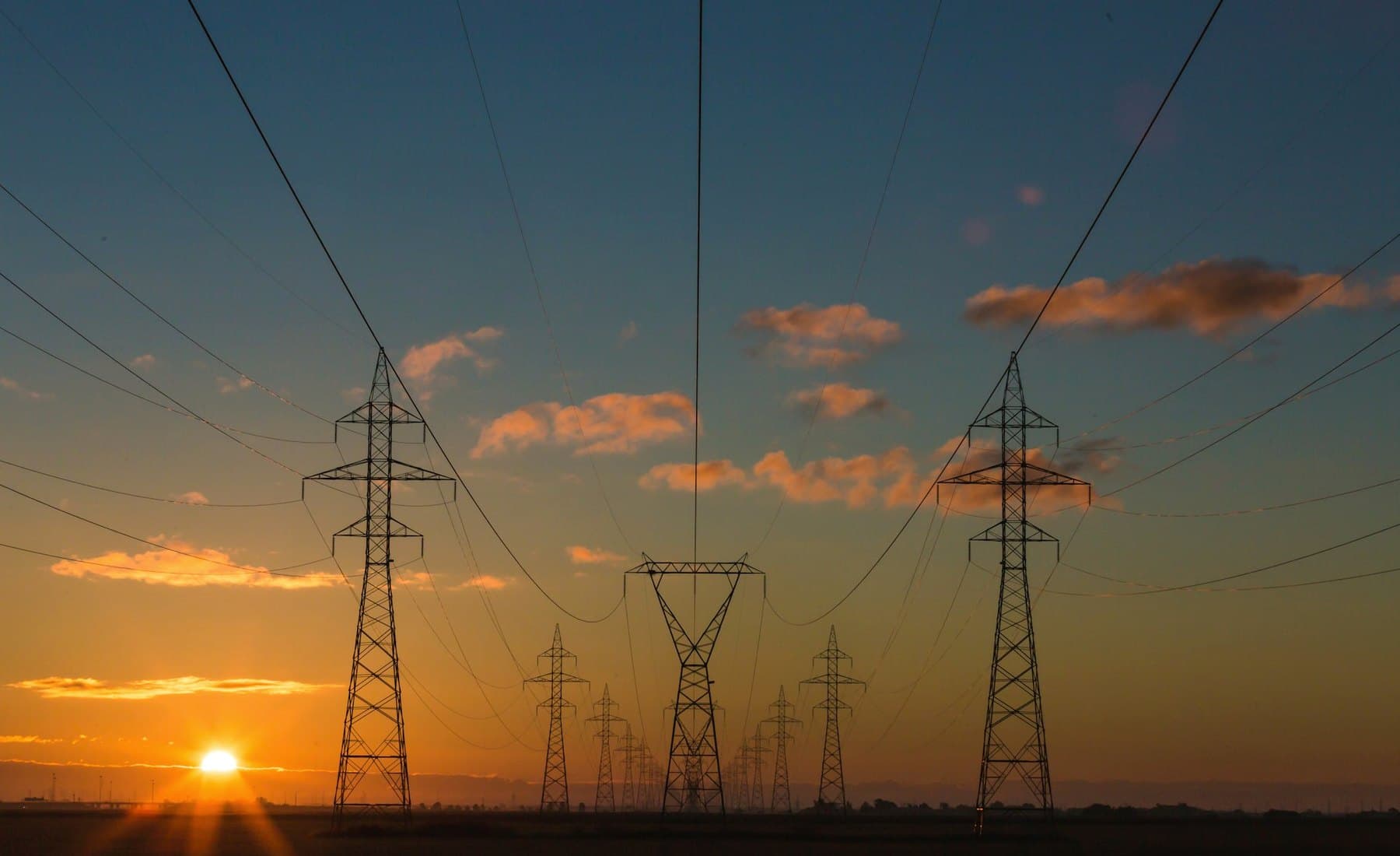
Sunday, Aug 2, 2026, 6–7 p.m.: APS customers set an all-time peak of 9,164 MW — the second record that summer.
The short answer
Yuma is APS territory, and APS already runs grid-scale batteries here: a 35 MW system at its Yuma Foothills solar plant, with the 1,200 MWh Pioneer project in Yuma County expected in April 2027. They exist to carry the system through evenings like August 2, 2026, when demand hit a record 9,164 MW.
None of that keeps your house on when your own line, pole or transformer fails. A home battery with a transfer switch does — sized to a critical load panel, with the air conditioner as the big decision.
Find out what a battery would run in your house
Tell us your Yuma address, your APS rate plan and whether you already have solar. We confirm coverage first, then size to a critical load panel — and handle the interconnection paperwork rather than leaving it with you.
Three things that are specific to here
Yuma's grid is adding storage fast. Here is what that does and doesn't mean for a house.
Grid storage is already here
APS added a 35-megawatt energy storage system at its existing solar plant in the Yuma Foothills, one of nine 'Solar After Sunset' sites that store daytime solar for use after dark, KAWC reported.
A much bigger one is coming
The Pioneer Clean Energy Center in Yuma County pairs 300 MW of solar with a 300 MW / 1,200 MWh battery under a long-term agreement with APS, with commercial operation expected in April 2027.
Peak demand keeps climbing
APS customers set an all-time peak of 9,164 MW between 6 and 7 p.m. on August 2, 2026 — the second record that summer, after 9,053 MW on July 24. APS says it kept reliable service through it.
What a Yuma battery actually does
A battery doesn't prevent an outage. It decides which circuits keep running until APS restores the line.
Grid batteries cover the system, not your street
Utility-scale storage helps APS meet the evening peak across its whole system. When a storm, a vehicle or a failed transformer takes down the line to your house, those batteries can't reach you — a battery on your wall can.
Cooling is the critical load
In Yuma's summer the circuit that matters is the air conditioner, followed by refrigeration, internet and lights. Whether a battery carries the AC, or only essentials, is the biggest sizing decision on the page.
Grid-tied solar goes dark too
A grid-tied inverter is required to shut off when the utility does, so it is not energising lines crews believe are dead. Keeping circuits up in an outage takes a battery and a transfer switch or backup interface.
Equipment in the heat
Batteries have operating temperature limits. Where the battery is mounted — garage, shaded wall, conditioned space — matters as much in Yuma as its capacity, and the manufacturer's installation manual sets the rules.
Yuma next to the other APS cities
The rate side of an APS battery is covered elsewhere: Peoria walks through APS's weekday time-of-use peak, Glendale covers the solar export rate and how it is locked, and Scottsdale covers APS Storage Rewards. For southern Arizona's heat and monsoon outages, Tucson is the closest comparison, and in the high country Flagstaff covers APS's planned wildfire shutoffs. Yuma's tap water has its own page too — Yuma water quality.
Where these facts come from
- KAWC — New APS battery facilities help provide solar power after sunset (October 11, 2023) — the 35 MW Yuma Foothills storage system and the Solar After Sunset program.
- Pioneer Clean Energy Center, Yuma County (January 15, 2026) — 300 MW solar with 300 MW / 1,200 MWh storage under an APS agreement; operation expected April 2027.
- APS — APS customers set new peak energy demand record (August 4, 2026) — 9,164 MW on August 2, 2026 and the July 24 record before it.
What a home battery job with us covers
Installation of storage and the backup circuits behind it, with the siting and utility paperwork handled.
Battery installation
Wall or floor-mounted storage installed to the listing and to the residential code sections that govern where it may go.
Backup and critical load panel
Deciding and wiring which circuits stay live, and which must never be on backup — the choice that defines what an outage feels like.
Integration with existing PV solar
Connecting storage to an array that is already on the roof, including whether the existing inverter supports it.
Transfer switch and disconnection
The equipment that separates the house from the grid during an outage, which is what makes backup legal as well as possible.
Siting to code
Location, clearances, separation and impact protection assessed against the adopted code before anything is mounted.
Permit, inspection and utility approval
The electrical permit, the inspection, and the utility's own approval step where storage touches the service.
This is installation work. No runtime, capacity or incentive figure is quoted before your loads and your utility are confirmed. Coverage is confirmed per service area rather than promised as blanket availability.
What the work actually looks like
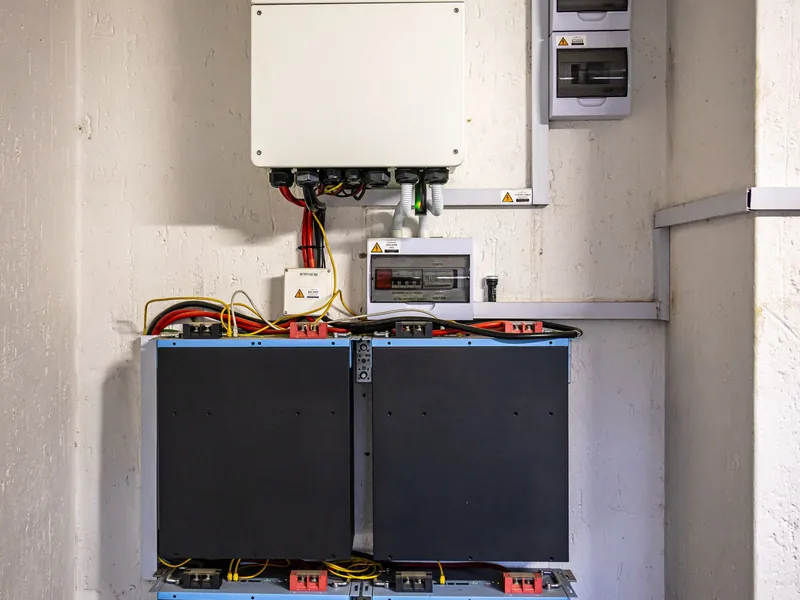
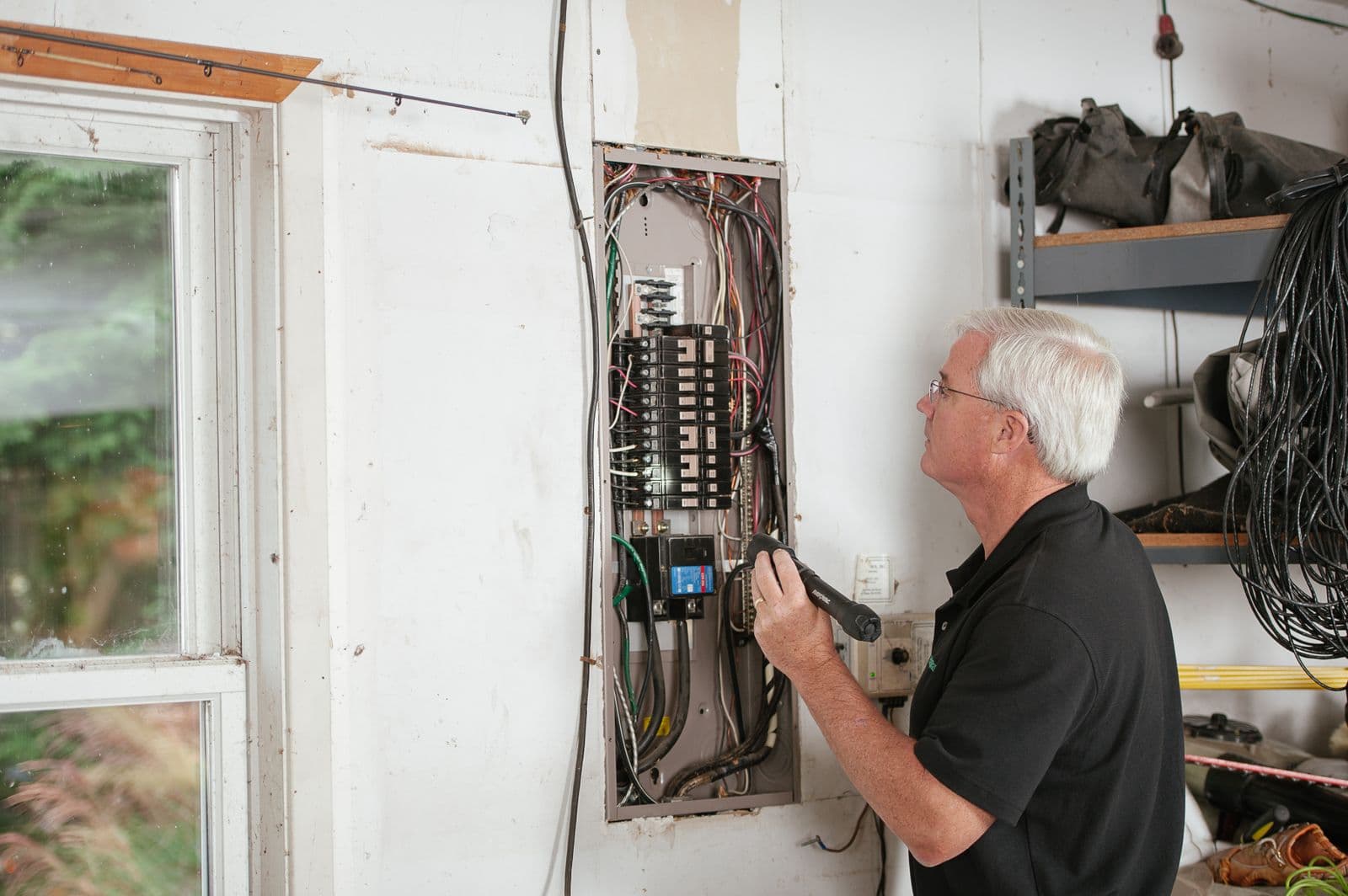
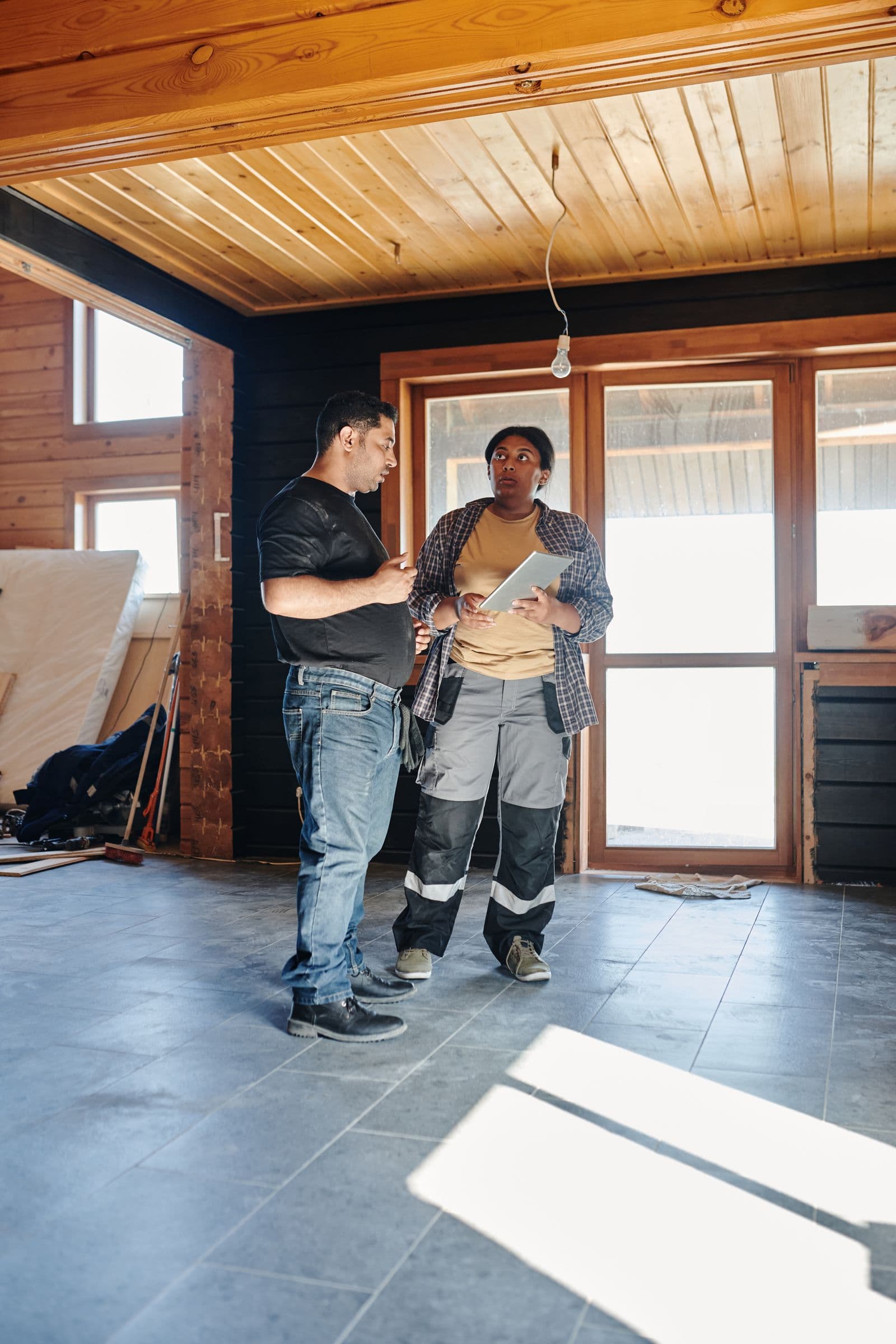
A battery job is an electrical job. The panel, the circuits and the disconnection are most of it.
Battery backup in Yuma, answered plainly
Who is the electric utility in Yuma?+
Arizona Public Service (APS) serves Yuma. We confirm the utility at your address before designing anything, because the rate plans and export credits that shape a battery decision are utility-specific.
Doesn't APS already have batteries in Yuma?+
Yes. APS has a 35 MW energy storage system at its Yuma Foothills solar plant, and the Pioneer Clean Energy Center in Yuma County (300 MW of solar with 1,200 MWh of storage, under contract to APS) is expected to start commercial operation in April 2027. Those serve the grid as a whole, mainly the evening peak. They don't keep an individual house powered when its own line is down.
Did Yuma lose power during the 2026 heat records?+
APS reported record peak demand on July 24 and August 2, 2026, and said it maintained reliable service through both. A record peak is a system-wide strain; most outages a household notices are local — a storm, an equipment failure, a pole. A home battery is for those.
How long will a battery run my house?+
It depends on the battery's capacity, the circuits on it and how hot it is, so we don't quote a runtime before seeing the panel and your loads. Running central air in a Yuma summer is a very different battery from keeping the refrigerator, internet and lights on.
Will a battery lower my APS bill?+
It can shift when you use grid power, which matters on APS time-of-use plans and under APS's solar export rate. Whether that is worth anything depends on your plan and your usage, so we don't promise savings. The Peoria and Glendale pages cover APS's peak window and export credit in detail.
Who installs it, and who is responsible afterwards?+
Seamless Home is the licensed contractor of record on the work it runs. Installation is performed by vetted installing partners engaged as our subcontractors, so the permit, the inspection and any correction notice carry one name. Coverage is confirmed per service area rather than promised as blanket availability.
Related resources
Home battery backup installation
The national service page: essential-circuit, whole-home and managed-load backup compared.
Learn more →Home battery backup in Glendale, AZ
APS's solar export rate and its ten-year lock.
Learn more →Home battery backup in Peoria, AZ
APS's 4–7 p.m. weekday peak.
Learn more →Home battery backup in Tucson, AZ
Heat and monsoon outages in southern Arizona.
Learn more →Yuma water quality
Colorado River water and what the City's 2025 report shows.
Learn more →Home battery backup in Flagstaff, AZ
The June 2026 APS wildfire shutoff around Flagstaff.
Learn more →All home services
Battery backup, water treatment, HVAC and solar under one licensed contractor of record.
Learn more →Find out what a battery would actually run in your house
A panel-level look at your service, your existing solar and the circuits you want kept up through the next Yuma outage — at no cost, and with no savings or runtime promised before anyone has seen the house.
Get a Free Estimate