Phoenix, Arizona
Home Battery Backup in Phoenix
A monsoon takes the feeder down, and grid-tied solar shuts off with it. In Phoenix the design problem is heat and cooling — not ice, and not a New England well pump.
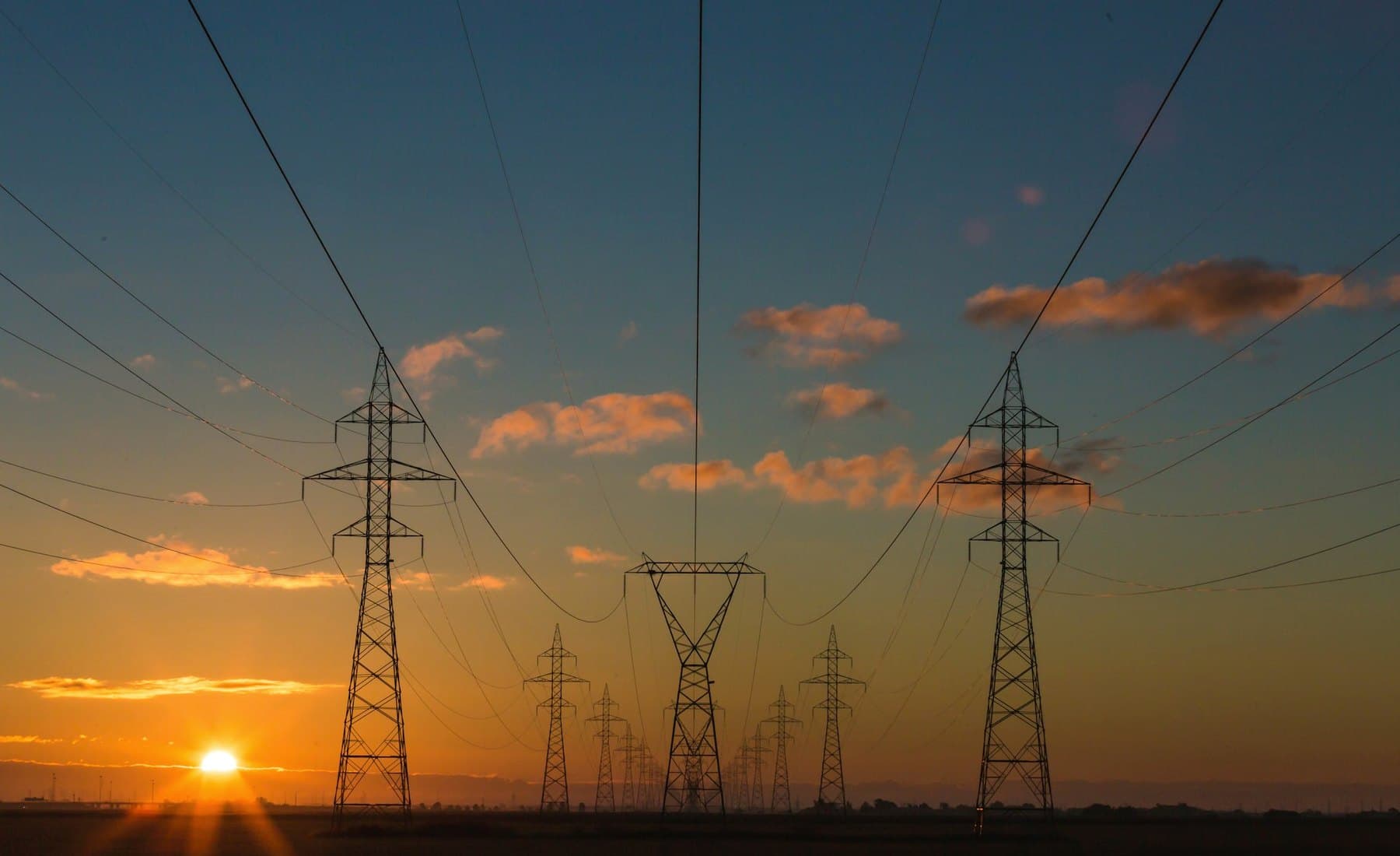
Anti-islanding is why the panels produce nothing in an outage. A battery isolates the house. What it keeps on in 110-degree heat depends on the critical load panel — not a snow-state brochure.
The short answer
If you already have solar in Phoenix, a battery does the outage job grid-tied solar cannot do alone. Monsoon wind, microbursts and heat-driven interruptions are the local triggers — not ice storms. The honest critical-load list starts with refrigeration, networking and controls, not whole-home air conditioning for days.
SRP and APS rules are confirmed at the address. Coverage is confirmed per service area rather than promised as blanket availability.
Find out what a battery would run in your house
Tell us your Phoenix-area address and whether you already have solar. We confirm coverage first, then size to a critical load panel — not to a guess from a postcode.
Monsoon, heat and the utility map
Most battery pages argue winter storms. In Phoenix the outage season is monsoon and the load that matters is cooling-adjacent — without promising a condenser for days.
Monsoon and heat, not ice
Phoenix loses power to monsoon wind, microbursts, dust storms and heat-driven grid stress — not to ice loading on New England lines. A grid-tied solar system is still required to shut down when it loses the grid. Anti-islanding is the same physics; the weather that trips it is not.
Cooling is the critical load
In Massachusetts the winter design often backs up boiler controls. In Phoenix the dangerous outage is a 110-degree afternoon without refrigeration and without a way to run the air conditioner — which a residential battery usually cannot sustain for long. Honest design separates 'keep the fridge and the controls alive' from 'whole-home refrigerated cooling for days.'
SRP and APS are not interchangeable
Interconnection rules, rate structures and any storage or demand-response programs are utility-specific. We confirm them for your address rather than quoting a Valley-wide flyer. Guessing the utility from a city name is how proposals go wrong on the West side versus East Valley.
What a Phoenix battery actually runs
Municipal water, refrigerated cooling and a hot attic change the critical-load list from a New England default.
Refrigeration and networking — almost always
Food spoilage and a dark router are the first failures people notice. Small continuous draws, high consequence in heat.
Cooling controls — not whole-home air conditioning
Keeping thermostat power and a fan or mini-split head alive is a different class of load from running a three-ton condenser through a monsoon night. Whole-home refrigerated cooling on battery is a much larger system; we will not imply a critical-load battery does that job.
Medical equipment and garage freezers
Address questions. A garage freezer in July is not a luxury circuit. None of these belong on a generic 'whole home backup' brochure copied from a snow state.
Well pumps — uncommon in the city proper
Municipal water is the Phoenix default. Private wells are more of an outskirts and foothills question. We will not size a central Phoenix job as if it were a well-pump surge in the foothills.
Why we will not quote a battery size from this page
A Maryvale ranch still on a swamp cooler, a two-storey in Ahwatukee and a new-build in Buckeye can sit in the same metro and need completely different interconnection equipment. For East Valley contrast see battery backup in Mesa; for southern Arizona see Tucson.
For siting under IRC Section R328, see the home battery siting checker. Attic heat and outdoor clearances are desert facts, not snow-state facts.
What a home battery job with us covers
Installation of storage and the backup circuits behind it, with the siting and utility paperwork handled.
Battery installation
Wall or floor-mounted storage installed to the listing and to the residential code sections that govern where it may go.
Backup and critical load panel
Deciding and wiring which circuits stay live, and which must never be on backup — the choice that defines what an outage feels like.
Integration with existing PV solar
Connecting storage to an array that is already on the roof, including whether the existing inverter supports it.
Transfer switch and disconnection
The equipment that separates the house from the grid during an outage, which is what makes backup legal as well as possible.
Siting to code
Location, clearances, separation and impact protection assessed against the adopted code before anything is mounted.
Permit, inspection and utility approval
The electrical permit, the inspection, and the utility's own approval step where storage touches the service.
This is installation work. No runtime, capacity or incentive figure is quoted before your loads and your utility are confirmed. Coverage is confirmed per service area rather than promised as blanket availability.
What the work actually looks like
A battery job is an electrical job. The panel, the circuits and the disconnection are most of it.
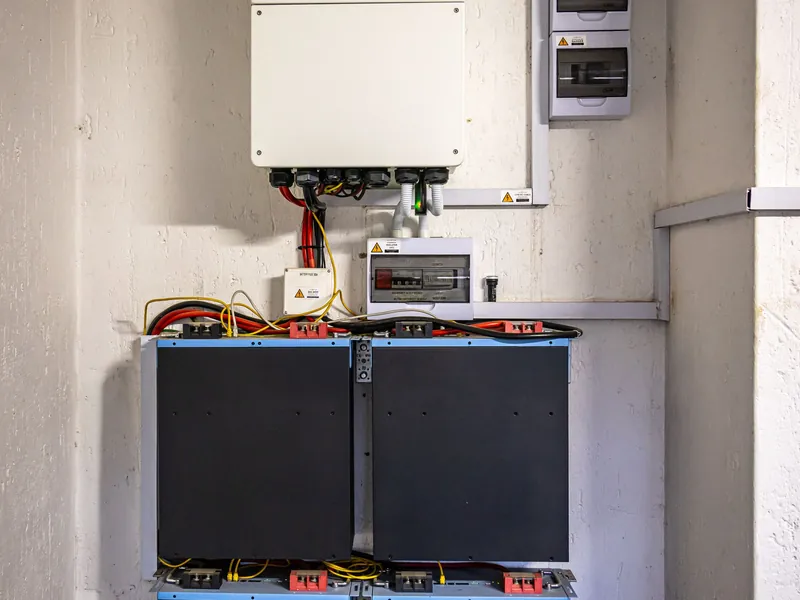
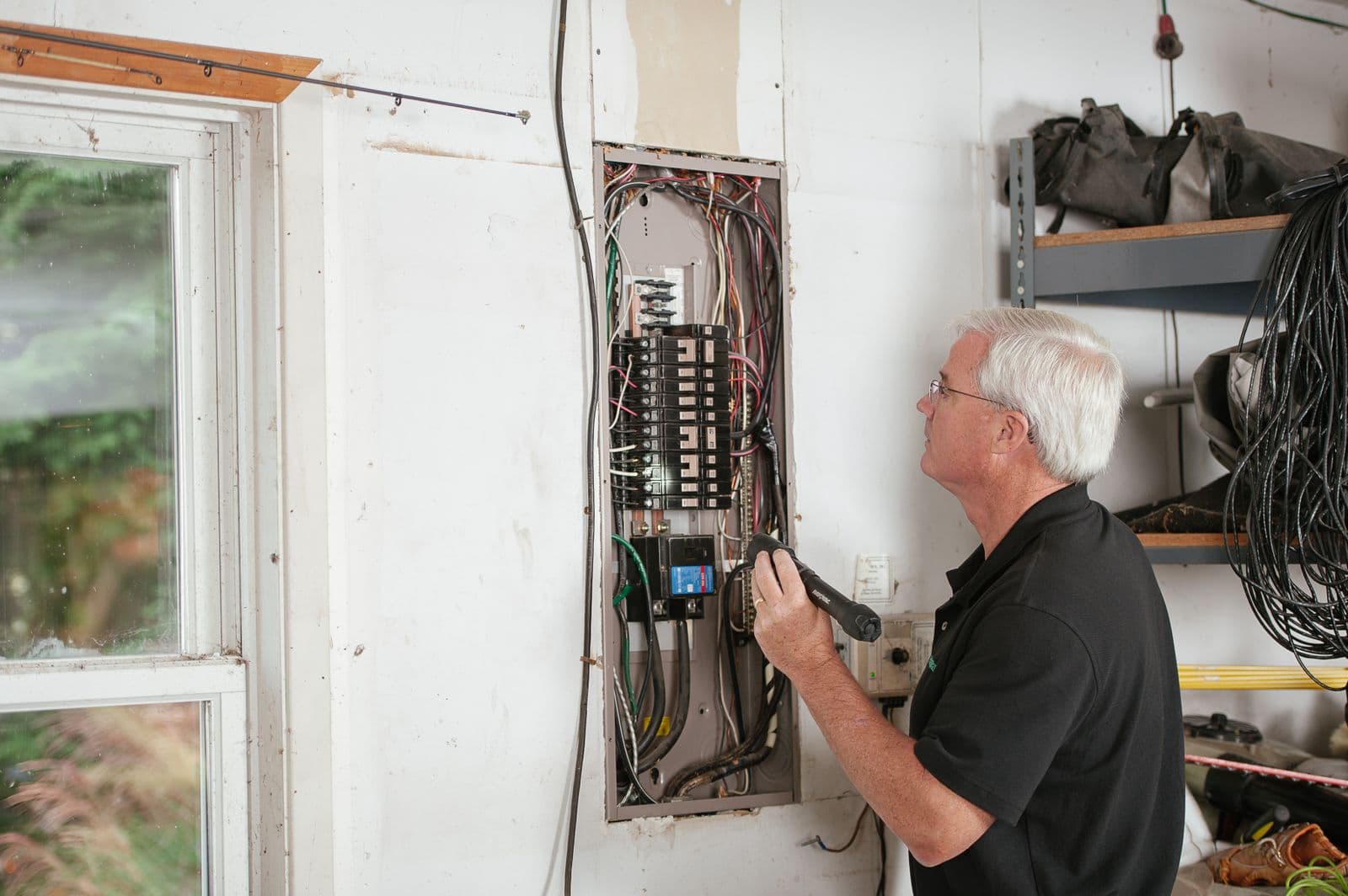
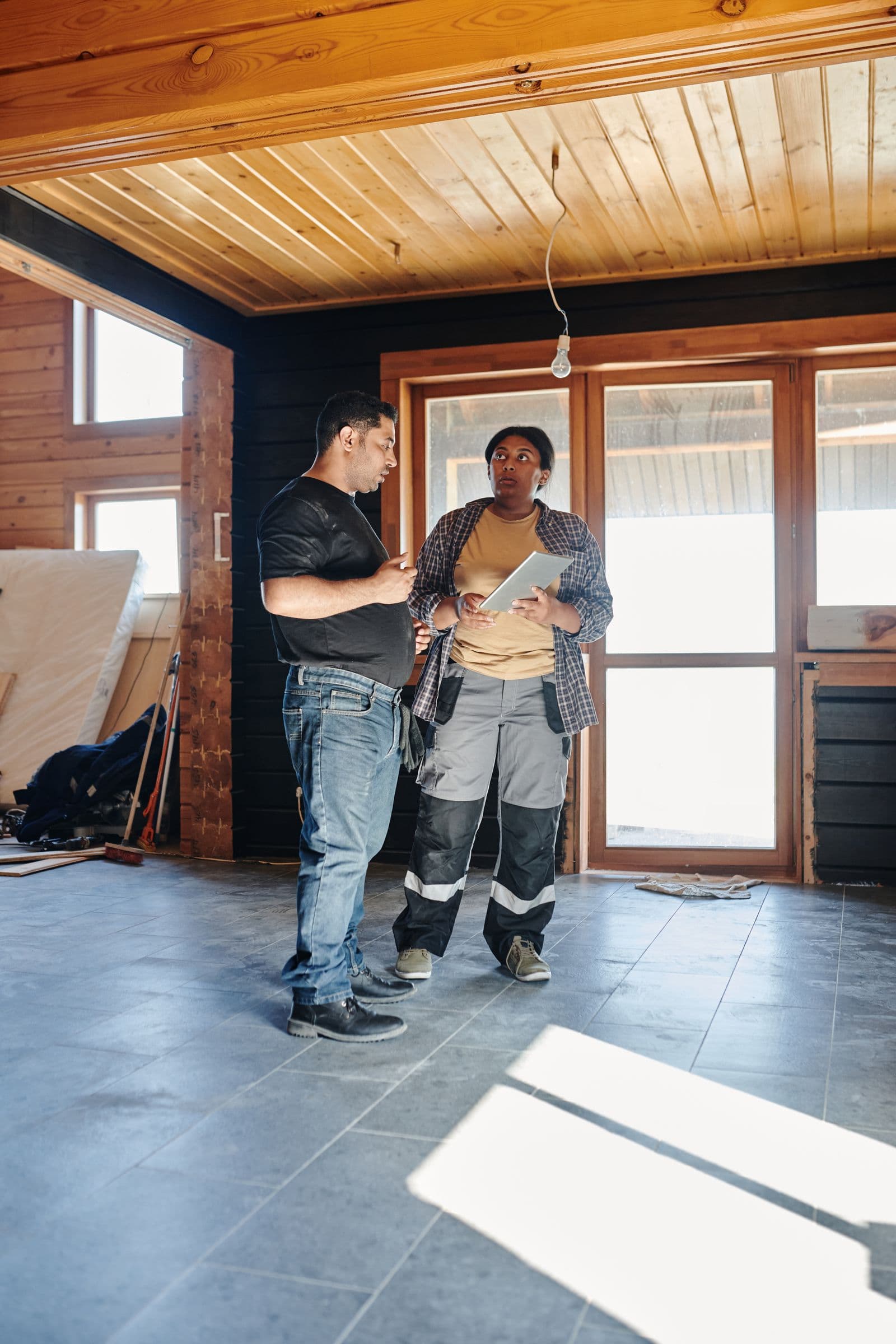
Battery backup in Phoenix, answered plainly
My solar already works. Why will it not run during a Phoenix outage?+
Because a grid-tied inverter is required to shut down when it loses the grid. Anti-islanding exists so an array cannot energise a line a utility crew is working on. Without a battery and the switching that isolates the house, the panels are offline in a monsoon outage regardless of how much sun is on a south-facing roof.
Will a battery run my air conditioner through a monsoon?+
A critical-load design usually will not run whole-home refrigerated cooling for long — and promising that from a web page would be dishonest. Some houses can support a carefully selected cooling circuit; most are sized to refrigeration, networking and controls first. Runtime is a function of the critical load panel.
Is this the same as a Massachusetts battery page?+
No. The anti-islanding rule is the same. The outage weather, the critical loads and the utility map are not. Phoenix is monsoon and heat; Worcester is ice and oil-boiler controls.
What incentives apply, and what will this cost?+
Utility and federal terms change and are confirmed for your address and your utility (SRP or APS). We will not quote a credit or rebate figure we have not verified. Seamless Home does not provide tax advice.
Who installs it, and who is responsible afterwards?+
Seamless Home is the licensed contractor of record. Installation is performed by vetted installing partners engaged as our subcontractors. Coverage is confirmed per service area rather than promised as blanket availability.
In the East Valley, Chandler centers on SRP E-27 peak hours rather than a Phoenix-only monsoon story.
Related resources
Home battery backup installation
The national service page: essential-circuit, whole-home and managed-load backup compared.
Learn more →Home battery backup in Scottsdale, AZ
APS Storage Rewards — up to 60 conservation days a season.
Learn more →Home battery backup in Peoria, AZ
West Valley APS TOU 4–7 p.m. weekday peak.
Learn more →Home battery backup in Chandler, AZ
East Valley SRP E-27 peak-window design.
Learn more →Home battery backup in Mesa, AZ
East Valley monsoon and heat — same climate family, unique local block.
Learn more →HVAC in Phoenix, AZ
The cooling load that a battery usually cannot carry for days.
Learn more →Phoenix water quality
The other Phoenix local page: CCR citations for PWS AZ0407025.
Learn more →All home services
Battery backup, water treatment, HVAC and solar under one licensed contractor of record.
Learn more →Find out what a battery would actually run in your house
A panel-level look at your service, your existing solar and the circuits you want kept up — at no cost, and with no runtime promised before anyone has seen the house.
Get a Free Estimate