Surprise, Arizona
Home Battery Backup in Surprise
APS has asked for about a 14% base rate increase, and the Corporation Commission is expected to decide late in 2026. A battery won't decide that case for you; it decides which circuits stay on when the grid doesn't.
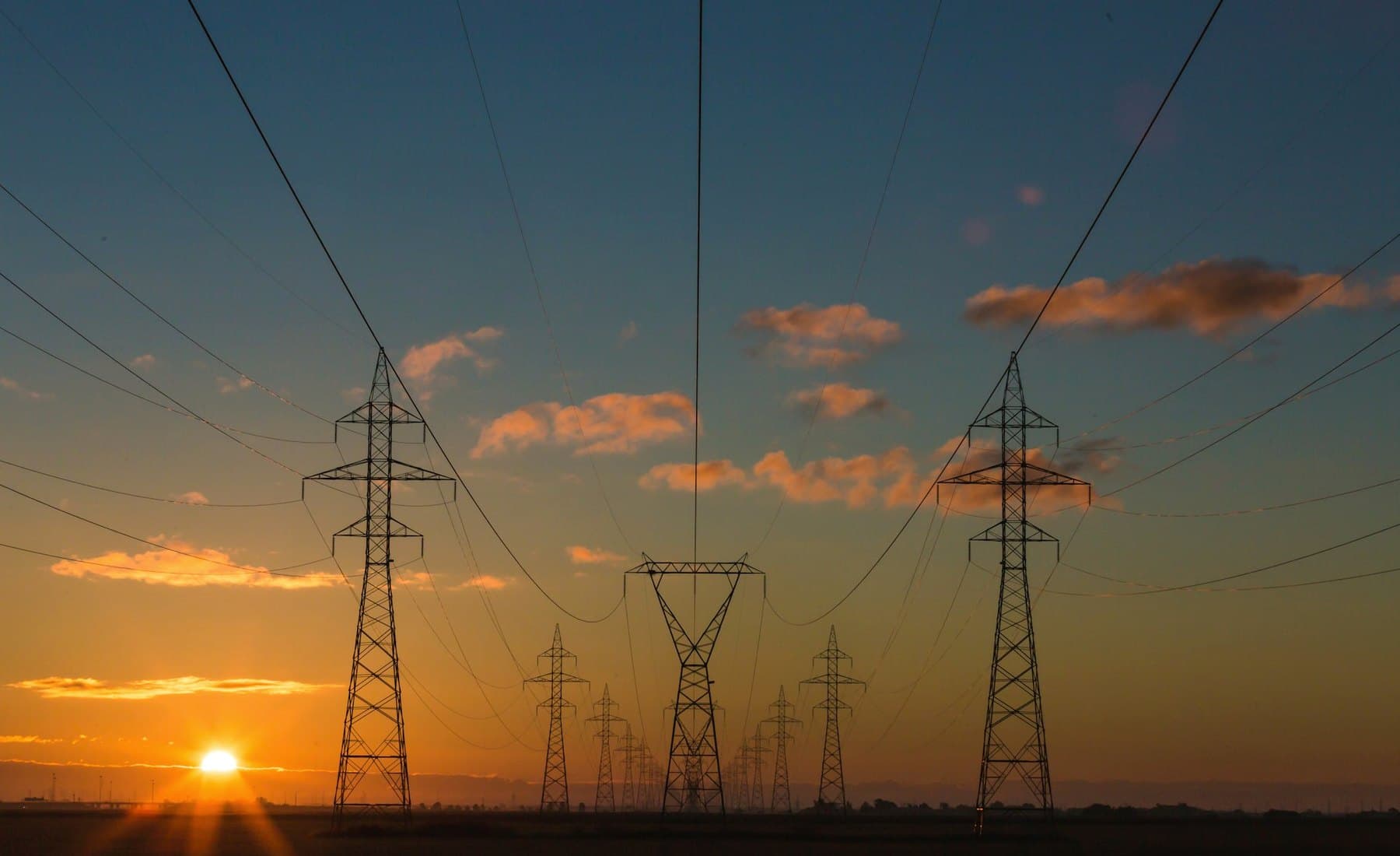
Proposed, not approved: about +$20 a month for a 1,000 kWh APS home. Decision expected late 2026.
The short answer
Most of Surprise is APS territory (we confirm the utility at your address). APS's pending rate case asks for a net base increase of about $579.5 million (~14%) — roughly $20 a month for a 1,000 kWh household if approved as proposed. The hearing ended July 7, 2026; a judge's recommendation and a Commission vote come next.
We don't sell batteries on what a rate case might do. A battery's dependable job in Surprise is keeping refrigeration, internet, and the air handler and pool-pump controls you choose running through an outage, sized to a critical load panel, with the APS paperwork handled.
Find out what a battery would run in your house
Tell us your Surprise address, how the house is heated and cooled and whether you already have solar. We confirm coverage first, then size to a critical load panel — and handle the interconnection paperwork rather than leaving it with you.
Three things that are specific to here
What APS's pending rate case does and doesn't settle for a Surprise homeowner.
A case still waiting on a judge
The evidentiary hearing ran 31 days, from May 18 to July 7, 2026. Next is the Administrative Law Judge's Recommended Opinion and Order, then party exceptions, then a Commission vote. APS says rates are not changing now.
The ask, in numbers
APS proposes a net base rate increase of $579.52 million, about 14%. Per GCN's reporting, a typical 1,000 kWh residential bill would rise around $20 a month if approved as filed. Any new rates would likely take effect in early 2027.
Who pays for growth
The case proposes an increase of more than 45% for data center customers and a Formula Rate Adjustment Mechanism for annual adjustments without a full rate case. Both are proposals the Commission can change.
What a Surprise battery actually does
A battery doesn't prevent an outage or rewrite a tariff. It decides which circuits keep running until the crew is done.
It's for the outage, first
A battery keeps chosen circuits running when APS's lines are down: refrigeration, internet, lights, and the controls and fans that make a monsoon-season outage tolerable. Whole-home central air is a much bigger battery question.
Rate changes aren't a battery spec
How a battery is set to charge and discharge depends on the APS plan you're on, and plans can change after a rate case. We design for backup first and adjust settings when the final order is known.
Grid-tied solar goes dark too
A grid-tied inverter must shut off when the utility does. Keeping circuits up takes a battery and a backup interface; Glendale's page covers how APS credits exported solar.
Paperwork with APS
A battery connected alongside APS's grid is part of the interconnection. We handle the application rather than leaving it with you.
Surprise next to the rest of the West Valley
In Peoria the APS story is time-of-use design; in Glendale it is the solar export rate, and Scottsdale covers APS's battery rewards pilot. Surprise's tap water has its own page: Surprise water quality.
Where these facts come from
- APS Newsroom — APS rate case hearing concludes; process moves to next phase — the remaining steps and the expected timing of a final decision.
- GCN — Arizona's biggest utility seeks $580 million rate hike (September 2, 2026) — hearing dates, the $579.52 million request, the ~$20 monthly estimate and the data center and formula-rate proposals.
What a home battery job with us covers
Installation of storage and the backup circuits behind it, with the siting and utility paperwork handled.
Battery installation
Wall or floor-mounted storage installed to the listing and to the residential code sections that govern where it may go.
Backup and critical load panel
Deciding and wiring which circuits stay live, and which must never be on backup — the choice that defines what an outage feels like.
Integration with existing PV solar
Connecting storage to an array that is already on the roof, including whether the existing inverter supports it.
Transfer switch and disconnection
The equipment that separates the house from the grid during an outage, which is what makes backup legal as well as possible.
Siting to code
Location, clearances, separation and impact protection assessed against the adopted code before anything is mounted.
Permit, inspection and utility approval
The electrical permit, the inspection, and the utility's own approval step where storage touches the service.
This is installation work. No runtime, capacity or incentive figure is quoted before your loads and your utility are confirmed. Coverage is confirmed per service area rather than promised as blanket availability.
What the work actually looks like
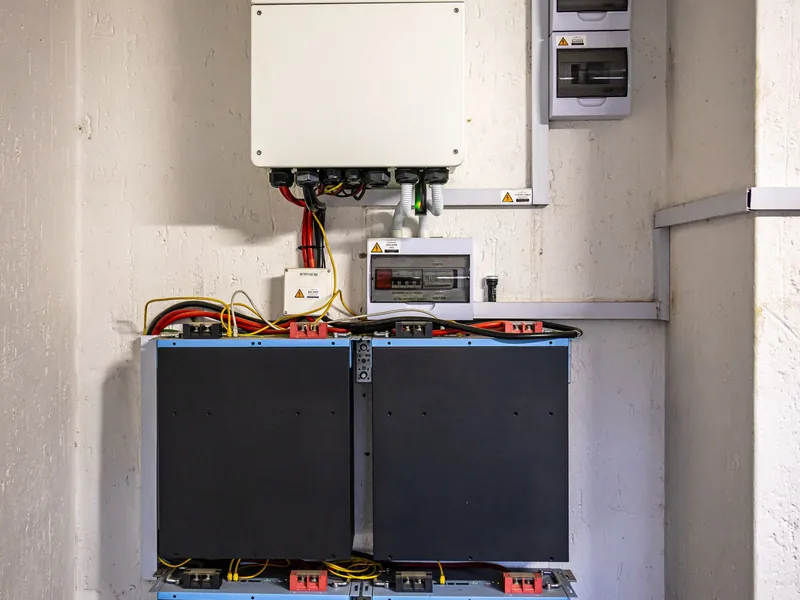
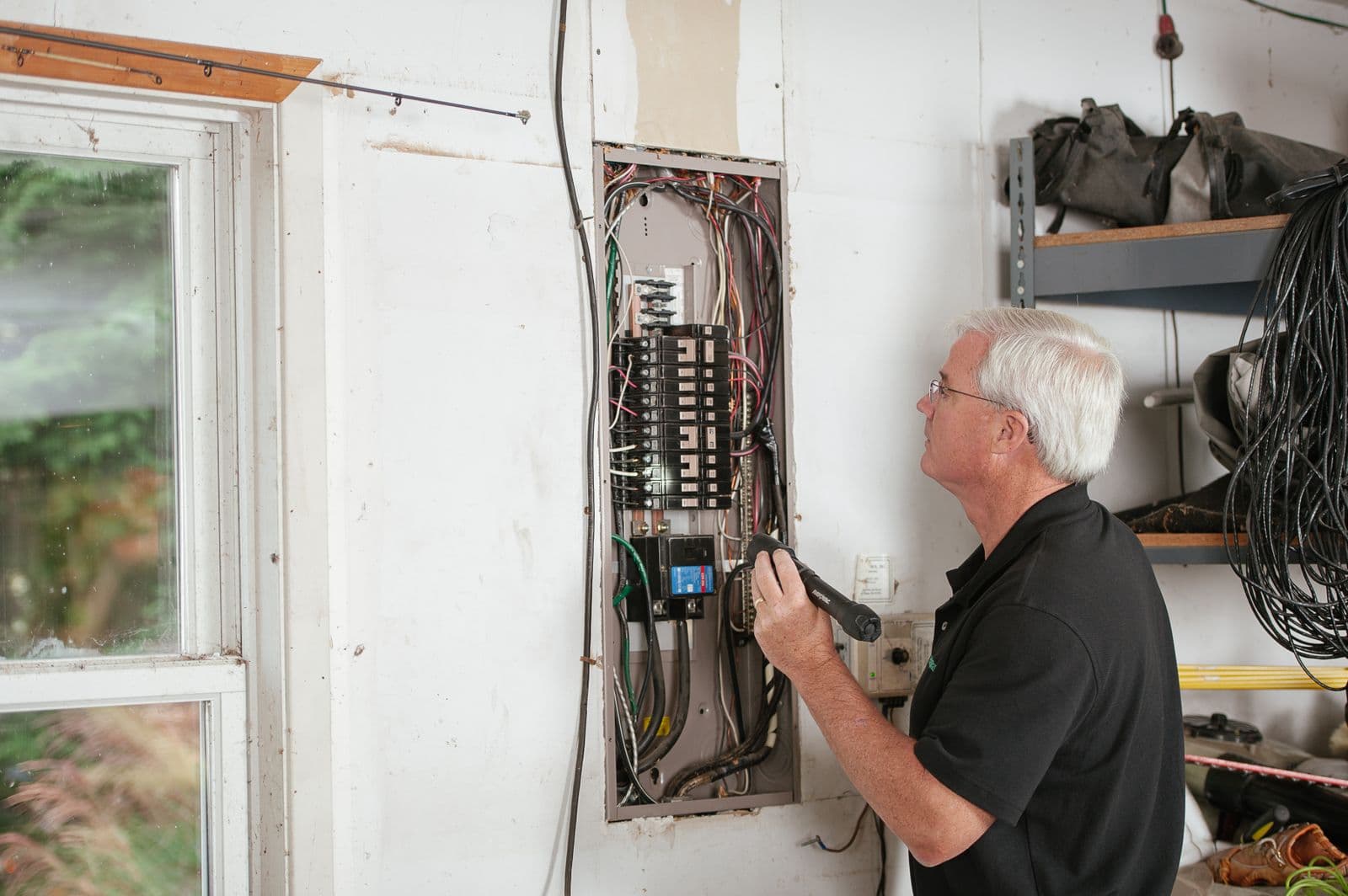
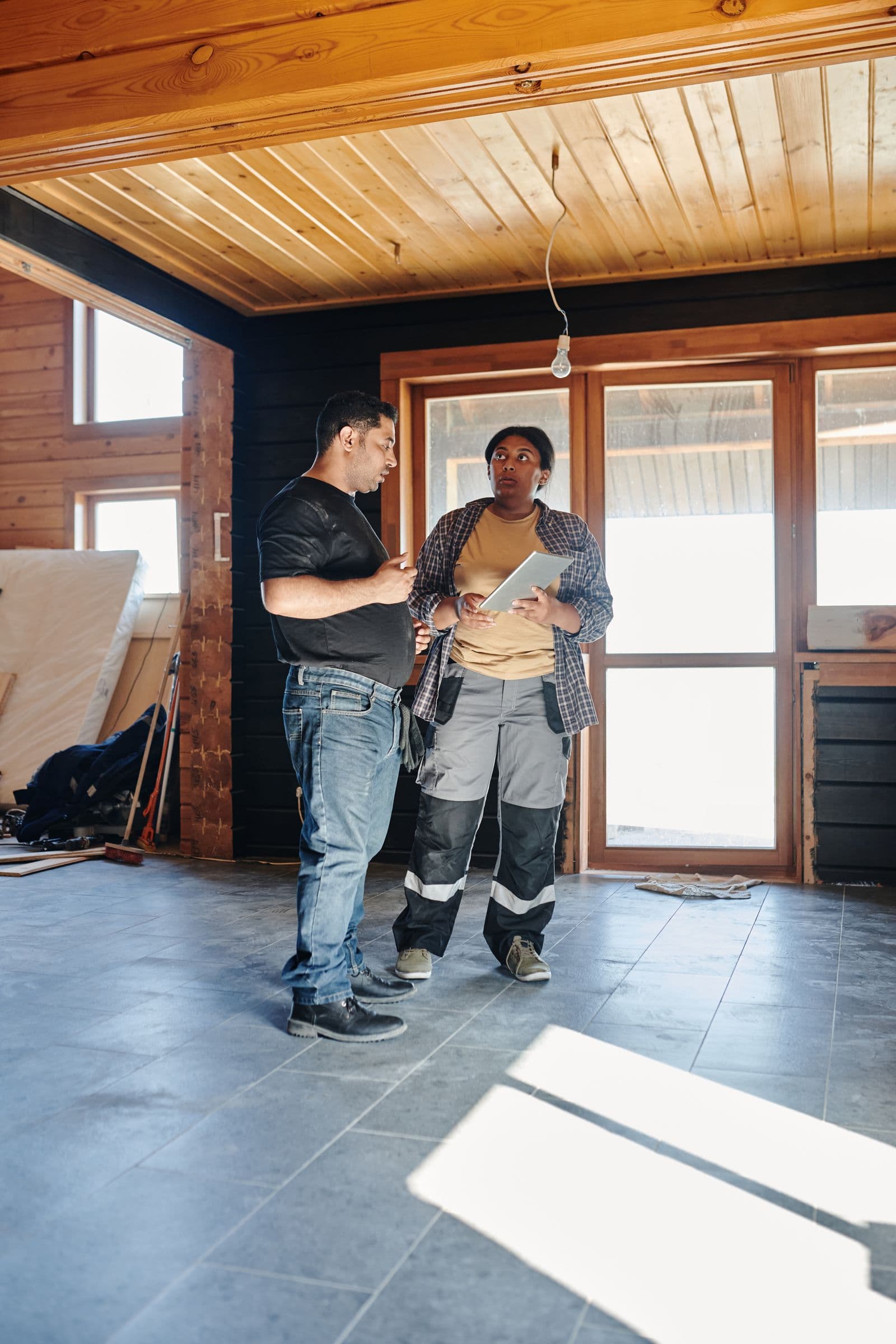
A battery job is an electrical job. The panel, the circuits and the disconnection are most of it.
Battery backup in Surprise, answered plainly
Who is the electric utility in Surprise?+
Most Surprise addresses are served by Arizona Public Service (APS). We confirm the utility at your address before designing anything.
Is APS raising rates?+
It has asked to. APS's pending case proposes a net base increase of about $579.5 million, roughly 14%, which GCN reports would be about $20 a month for a 1,000 kWh residential customer if approved as proposed. The hearing concluded July 7, 2026; the Commission's final decision is expected later in 2026, and APS says rates aren't changing until the process is complete.
Will a battery lower my APS bill?+
It may shift some use depending on your plan, but we don't promise savings — especially while the rate design itself is under review. Its dependable value is outage backup.
How long will a battery run my house?+
It depends on capacity, the circuits on it and the season. A summer afternoon with central air is a very different load from a refrigerator and Wi-Fi, so we don't quote runtime before seeing the panel.
Who installs it, and who is responsible afterwards?+
Seamless Home is the licensed contractor of record on the work it runs. Installation is performed by vetted installing partners engaged as our subcontractors, so the permit, the inspection and any correction notice carry one name. Coverage is confirmed per service area rather than promised as blanket availability.
Related resources
Home battery backup installation
The national service page: essential-circuit, whole-home and managed-load backup compared.
Learn more →Home battery backup in Peoria, AZ
APS time-of-use design and what it means for a battery.
Learn more →Home battery backup in Glendale, AZ
APS's solar export rate and how it is locked.
Learn more →Surprise water quality
What the city's water report shows at the tap.
Learn more →All home services
Battery backup, water treatment, HVAC and solar under one licensed contractor of record.
Learn more →Find out what a battery would actually run in your house
A panel-level look at your service, your existing solar and the circuits you want kept up through the next Surprise outage — at no cost, and with no savings or runtime promised before anyone has seen the house.
Get a Free Estimate