Roanoke, Virginia
Home Battery Backup in Roanoke
Hurricane Helene left the Roanoke district restoring power for about a week. Roanoke is Appalachian Power territory, and its rules for solar and storage are not Dominion's.
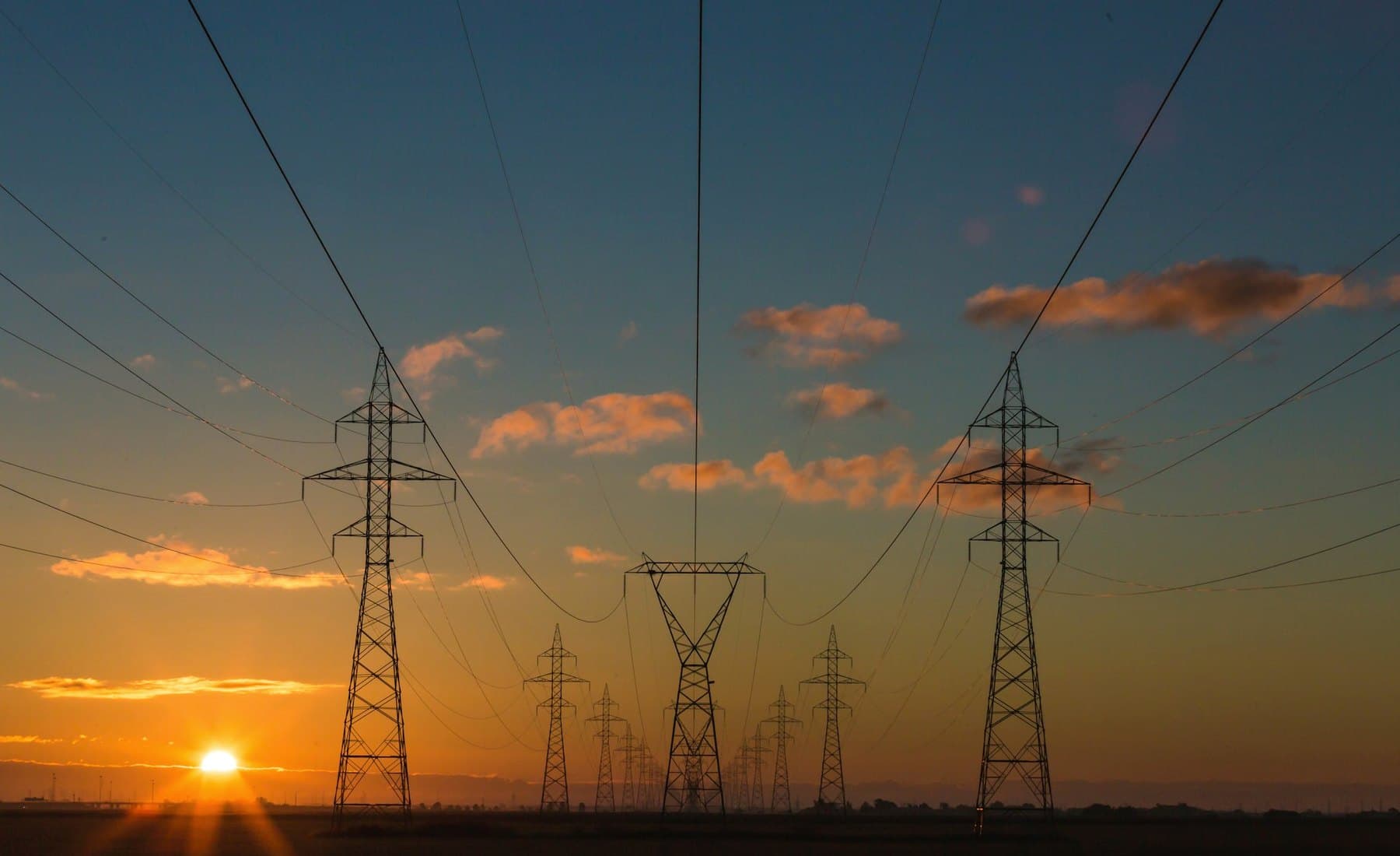
The SCC kept annual netting for Appalachian Power in 2025. That makes a Roanoke battery a backup decision, not a billing trick — and Helene showed what the backup is for.
The short answer
Roanoke is Appalachian Power, not Dominion. After Hurricane Helene the SCC found about a third of APCo's Virginia customers lost power, mostly from trees outside the right-of-way, and the Roanoke district took about seven days to restore.
The SCC's 2025 order kept 12-month netting for new solar customers, so a battery adds little on the bill — it is a backup purchase. APCo caps a home system at 25 kW AC and your prior year's usage, stricter than Dominion's 150% rule, and nothing runs until final approval and the meter exchange. Coverage is confirmed per service area.
Find out what a battery would run in your house
Tell us your Roanoke Valley address and whether you already have solar. We confirm coverage first, then size to a critical load panel — and handle the Appalachian Power paperwork rather than leaving it with you.
Three things that are specific to here
A different utility, a different storm record and a different sizing rule from every other Virginia page on this site.
Helene: trees, from the wrong direction
The State Corporation Commission's report on Hurricane Helene found that more than 181,500 Appalachian Power customers — about a third of its Virginia base — lost power, that vegetation caused roughly 48% of incidents, and that most of those trees stood outside the utility's right-of-way. It notes winds came from the east rather than the usual west. Restoration in the Roanoke district took about seven days; the last APCo customers were restored on October 6, 2024.
Annual netting makes this a backup purchase
In its August 2025 order on Appalachian Power's successor net metering tariff, the SCC kept the 12-month netting period and rejected the hourly netting APCo proposed. Solar energy that offsets your own annual use is still credited at retail. Under that structure a battery does little to change how solar is credited during the year — so in Roanoke it is bought to keep the house running, not to move kilowatt-hours around the bill.
A sizing rule stricter than Dominion's
Appalachian Power's Virginia net metering package caps a residential generator at 25 kW AC and limits its annual output to no more than the previous 12 months' consumption. Dominion's terms, covered on the Richmond page, allow up to 150% of expected annual use. Under the new tariff, excess above annual use at the end of the period is paid at an avoided-cost rate rather than rolled forward, so oversizing the array has a cost.
What a Roanoke battery actually runs
A week-long restoration and well water outside the city change the critical-load list from the Tidewater pages.
Well pumps beyond the city system
A property outside a public water system runs on a private well. Its pump's starting current is the specification that decides the inverter, and it is the one most often left off a proposal.
Heating in a winter outage
A gas furnace needs its blower and controls; a heat pump carrying the whole house is a much larger load and is rarely the backed-up circuit. Knowing which one the house has is the first design question.
Refrigeration and a week without power
A seven-day restoration is long enough that a battery alone runs down. Refrigeration, lights and networking on a critical load panel, with solar recharging during the day, is the pairing that lasts — the battery is a tank, and the array is what refills it.
Medical equipment, declared first
Oxygen concentrators, CPAP machines and powered mobility change a battery from a convenience into a dependency, and that belongs in the first conversation rather than in the commissioning notes.
The paperwork is part of the project, not an afterthought
Appalachian Power asks for pre-approval before installation and final field approval after it, and says to leave the system off until the meter is exchanged. What that gate actually checks is the same for storage as for solar, and adding a battery to an existing array needs its own approval — APCo's own FAQ says added capacity needs a new application. If the array is leased, a consent step comes first.
Siting is answerable before anyone visits. The home battery siting checker walks the locations the residential code permits for stationary storage, and where a home battery can and cannot be installed explains the reasoning.
In Dominion territory the comparison pages are Richmond, where the sizing rule is 150% of expected use, Norfolk, where flood elevation decides siting, and Virginia Beach, where multi-day outages make recharge the design question.
Where these facts come from
- Virginia SCC — Hurricane Helene response and the Division of Public Utility Regulation special report (August 27, 2025): customers affected, causes, district restoration times.
- Appalachian Power — installing generating equipment and its Virginia Net Metering package and FAQ: size limits, application sequence, equipment and insurance requirements.
- Cardinal News — rooftop solar rules for future Appalachian Power customers — reporting on the SCC's August 29, 2025 final order in Case No. PUR-2024-00161 (Rider N.M.S. II).
What a home battery job with us covers
Installation of storage and the backup circuits behind it, with the siting and utility paperwork handled.
Battery installation
Wall or floor-mounted storage installed to the listing and to the residential code sections that govern where it may go.
Backup and critical load panel
Deciding and wiring which circuits stay live, and which must never be on backup — the choice that defines what an outage feels like.
Integration with existing PV solar
Connecting storage to an array that is already on the roof, including whether the existing inverter supports it.
Transfer switch and disconnection
The equipment that separates the house from the grid during an outage, which is what makes backup legal as well as possible.
Siting to code
Location, clearances, separation and impact protection assessed against the adopted code before anything is mounted.
Permit, inspection and utility approval
The electrical permit, the inspection, and the utility's own approval step where storage touches the service.
This is installation work. No runtime, capacity or incentive figure is quoted before your loads and your utility are confirmed. Coverage is confirmed per service area rather than promised as blanket availability.
What the work actually looks like
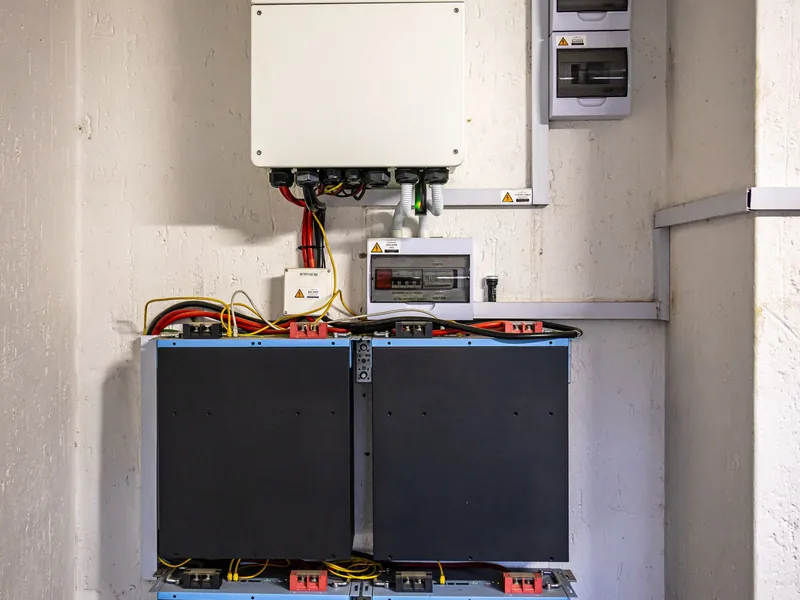
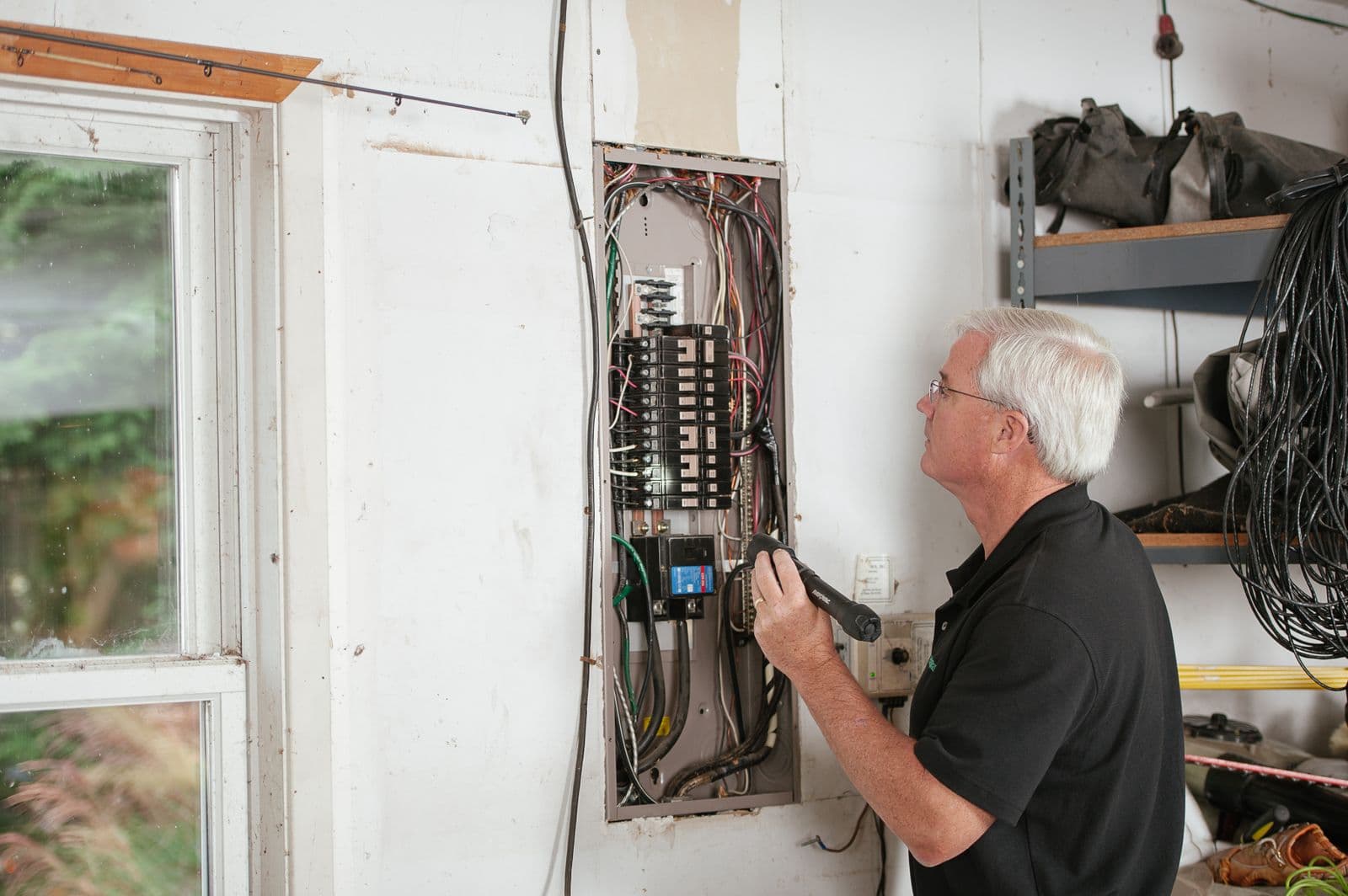
A battery job is an electrical job. The panel, the circuits and the disconnection are most of it.

Battery backup in Roanoke, answered plainly
Is Roanoke Dominion or Appalachian Power?+
Appalachian Power, part of AEP. The SCC's Hurricane Helene report treats Roanoke as one of APCo's Virginia districts. That matters because net metering, interconnection paperwork and sizing rules are set per utility: the Norfolk, Virginia Beach and Richmond pages on this site describe Dominion's rules, which differ.
How long were Roanoke outages after Hurricane Helene?+
The SCC's Division of Public Utility Regulation reported that restoration in APCo's Roanoke district took approximately seven days, while the Christiansburg and Kingsport districts took up to 9.8 days. Across Virginia, more than 181,500 APCo customers lost power, and full restoration was completed on October 6, 2024, about ten days after the first outages.
Did Appalachian Power change net metering?+
For new customers, yes, partly. In its August 29, 2025 final order the SCC approved a successor tariff, Rider N.M.S. II. It kept the 12-month netting period and rejected APCo's proposal to net hourly. What changed is the end of the period: net excess generation above your annual use is paid at an avoided-cost rate — reported at about a third of retail value — instead of rolling forward. Existing net-metering customers keep the current rules, and low-income customers can choose either tariff.
What size system does Appalachian Power allow?+
For a residential account, up to 25 kW AC, and further limited so that annual output is no greater than your previous 12 months' electrical consumption, or an estimate for new construction. Inverters must meet UL 1741 SB and IEEE 1547-2018, a labeled, lockable disconnect is required outside near the meter, and liability insurance is required while interconnected.
What does APCo require before a battery can operate?+
Appalachian Power's package asks for sections 1 to 4 of the Net Metering Interconnection Notification before installation for pre-approval, then the completed form after installation for final field approval, after which the meter is exchanged — a process it says can take up to 30 days for residential customers. It asks you to leave the generator off until approval and meter exchange. The form itself asks whether the system includes battery backup.
How long will a battery run my house?+
That depends on the circuits connected and whether solar is recharging it, and it cannot be answered from a postcode. In a seven-day restoration like Helene's, a battery alone on a large load list will run out; a critical load panel with solar recharge is what carries a house through. We size to a list of circuits you choose and do not publish a runtime figure.
Who installs it, and who is responsible afterwards?+
Seamless Home is the licensed contractor of record on the work it runs. Installation is performed by vetted installing partners engaged as our subcontractors, so the permit, the inspection and any correction notice carry one name. Coverage is confirmed per service area rather than promised as blanket availability.
Related resources
Home battery backup installation
The national service page: essential-circuit, whole-home and managed-load backup compared.
Learn more →Home battery backup in Richmond, VA
Dominion territory — the 150% sizing rule and four-step interconnection.
Learn more →Home battery backup in Virginia Beach, VA
Where multi-day outage duration makes recharge the design question.
Learn more →Does adding a battery need a new interconnection application?
The application that catches people out when an array is already installed.
Learn more →All home services
Battery backup, water treatment, HVAC and solar under one licensed contractor of record.
Learn more →Find out what a battery would actually run in your house
A panel-level look at your service, your existing solar and the circuits you want kept up through a week-long outage — at no cost, and with no runtime promised before anyone has seen the house.
Get a Free Estimate