Virginia Beach, Virginia
Home Battery Backup in Virginia Beach
Capacity tells you how much energy is stored. It does not tell you how long the house runs. In a region whose outages are measured in days, the deciding question is what refills the battery.
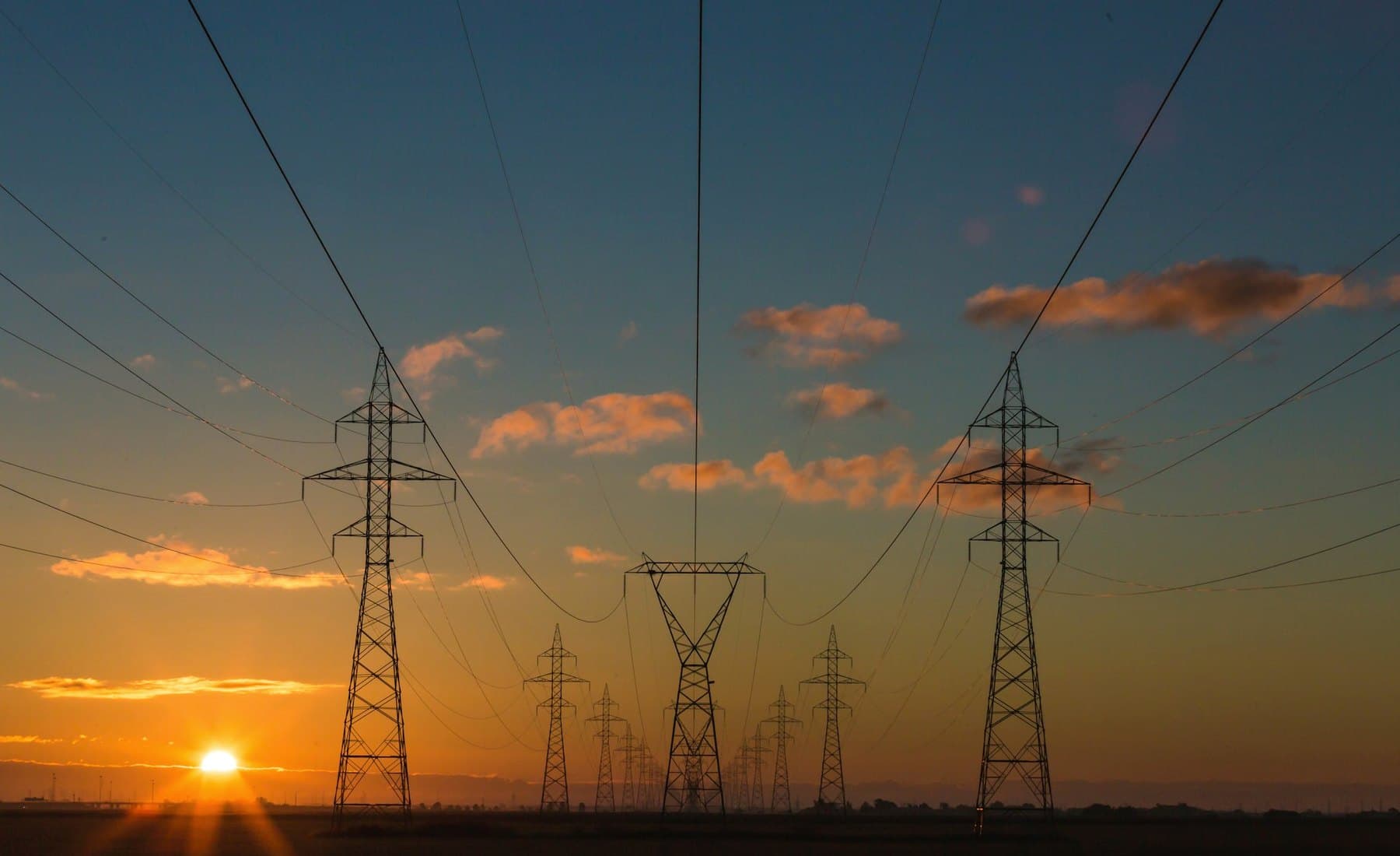
A battery is a tank, not a supply. On day one that distinction is invisible. On day three it is the whole design.
The short answer
A home battery holds a finite amount of energy. How long it runs the house is that quantity divided by the circuits you actually connect — extended by whatever recharges it. In a region where outages run multi-day, the recharge question is the design question, which is why solar plus storage is a more common answer here than storage alone.
Grid-tied solar on its own produces nothing during an outage; Dominion Energy says so on its own net metering page. Runtime is a function of the critical load panel, and we do not put a figure on it before seeing the house. Coverage is confirmed per service area rather than promised as blanket availability.
Find out what a battery would run in your house
Tell us your Virginia Beach address and whether you already have solar. We confirm coverage first, then size to a critical load panel and to the outage length you are actually planning for.
Three things that are specific to here
Most battery pages compare capacities. In a region with multi-day outages the more useful comparison is between a battery that recharges and one that does not.
A battery is a tank. The question is what refills it
Capacity tells you how much energy is stored. It does not tell you how long the house runs, because that depends entirely on what is drawing and whether anything is putting energy back. In a region where a tropical system can leave neighbourhoods out for days rather than hours, a battery on its own is a fixed quantity being drawn down. A battery paired with a working array recharges every clear day. Those are two different products wearing the same name, and the difference only shows up on day two.
Grid-tied solar does not survive the outage on its own
Dominion Energy's net metering page says it in one sentence: supplying your home during an outage requires an energy storage system and a transfer switch. A grid-tied inverter is required to shut down when it loses the utility, so an array in Kempsville or Sandbridge produces nothing while the street is dark. Homeowners who bought solar for resilience and discover this during the first outage are not looking at a defect — they are looking at a missing component.
Overhead distribution and a wide, low-density city
Severe weather drives the large majority of Dominion outages, and much of Virginia Beach is served overhead through mature trees across a large service footprint. That combination produces the pattern residents recognise: scattered, numerous, and restored in an order that has nothing to do with any individual street. The practical consequence for a battery design is that the outage you are planning for is long and unscheduled, not brief and predictable.
What a Virginia Beach battery actually runs
Hurricane season is cooling season, and part of the city is on private wells. Both change the critical-load list.
Cooling, and the honest arithmetic about it
Hurricane season is cooling season, and air conditioning is the load homeowners most want backed up and most often assume into a design without the numbers. A whole-house condenser is a large continuous draw against a finite tank. Sometimes it fits. More often it fits as a managed load that runs while there is headroom and sheds when there is not, or as a single mini-split zone rather than the whole system.
Well pumps outside the city water footprint
Parts of the southern city are on private wells. A well pump's starting current, not its running watts, is what sizes the inverter, and it is the specification most often missing from a proposal. On city water this circuit does not exist at all — which is why two houses ten minutes apart can need different equipment.
Refrigeration, networking and phone charging
Small continuous draws that matter more the longer the event runs. Over a multi-day outage these are the loads that actually determine whether a household stays in the house, and they cost very little of the battery.
Sump pumps where the lot needs them
Flat terrain and a high water table mean the storm and the outage arrive together. Where a pump is what keeps water out of the house, it belongs at the top of the critical-load list rather than at the bottom.
Why we will not quote a runtime from this page
A runtime figure is only meaningful attached to a specific list of circuits and a specific assumption about recharge. Published without both, it is a number that will be wrong in the direction the homeowner discovers during an outage. The circuits are your choice; the arithmetic is ours.
The code side of siting is answerable before anyone visits. The home battery siting checker walks the locations the residential code permits and the rooms it never does, and where a home battery can and cannot be installed explains why. If there is already an array on the roof, adding a battery to it is its own interconnection question, and a leased or third-party-owned system adds a consent step before any of it.
The neighbouring coastal case is battery backup in Norfolk, where flood elevation rather than duration is the binding constraint, and Richmond is the inland contrast. If the house also needs HVAC replacement or water treatment, the service panel is the constraint all three share.
Battery backup in Virginia Beach, answered plainly
How long will a battery power my house in Virginia Beach?+
There is no honest number that can be given from a web page, and the reason is worth understanding rather than working around. Runtime is stored energy divided by the load you actually connect, extended by whatever recharges it. Connect a whole-house air conditioner and the answer is hours. Connect a refrigerator, a few lights, networking and a sump pump and the answer is much longer. Add a working solar array and, in clear weather after the storm has passed, a reduced household can run indefinitely. We size to a list of circuits you choose and we do not publish a runtime.
Do I need solar as well, or is a battery enough on its own?+
It depends on how long the outages you are planning for actually last. For a few hours, a battery alone is a complete answer. For the multi-day events this region gets, the recharge question becomes the design question: a battery with nothing refilling it is a fixed quantity of energy, and when it is gone the house is dark whether or not the sun is out. That is the specific reason solar plus storage is a more common answer here than it is in a region with short, frequent outages.
My solar already shuts off in outages. Why?+
Because it has to. A grid-tied inverter must disconnect when the utility goes away so that it is not energising lines that crews believe are dead. That is anti-islanding, it is a safety requirement, and it applies to every grid-tied array in the city. Dominion's own net metering page states the consequence: supplying your home during an outage takes an energy storage system and a transfer switch. Adding storage and the right switching is the change that makes the array useful when the grid is down.
What does Dominion need before a battery can operate?+
Dominion's residential path has four steps: a Net Metering Interconnection Notification submitted by you or your vendor, a contingent approval after a compatibility review that both parties sign, certification by a licensed Virginia electrician or approval by the local inspection authority, and permission to operate once metering and billing are complete. Nothing operates in parallel with the grid before that final step. Dominion also notes that batteries may be included as part of a renewable generation system but do not qualify as a renewable generation source on their own, which matters for how a storage-only project is treated.
Where is a battery allowed to go on the property?+
The residential code permits a defined set of locations for stationary storage — and excludes others outright, habitable rooms and sleeping rooms among them. On a low-lying lot there is a second filter on top of the code one, because a permitted location that takes water in a storm is still the wrong location. The siting checker on this site walks the code side in a few minutes; the flood side is a question for the site visit.
Is a battery better than a standby generator here?+
They fail differently, and in a multi-day outage that is what decides it. A generator needs stored or delivered fuel and mechanical service it rarely receives, and it does nothing for you the rest of the year. A battery starts instantly, is silent, needs no fuel, and can do other work between outages — but it holds a finite amount of energy unless something recharges it. For a short outage the battery wins comfortably. For a week-long one, the pairing that wins is usually solar plus storage rather than either device on its own.
Who installs it, and who is responsible afterwards?+
Seamless Home is the licensed contractor of record on the work it runs. Installation is performed by vetted installing partners engaged as our subcontractors, so the permit, the inspection and any correction notice carry one name. Coverage is confirmed per service area rather than promised as blanket availability.
Related resources
Home battery backup installation
The national service page: essential-circuit, whole-home and managed-load backup compared.
Learn more →Home battery backup in Norfolk, VA
The neighbouring coastal case, where siting elevation is the binding constraint.
Learn more →Home battery backup in Richmond, VA
The inland contrast: tree canopy, ice and wind rather than surge.
Learn more →Where a home battery can and cannot be installed
The locations the residential code permits for stationary storage.
Learn more →All home services
Battery backup, water treatment, HVAC and solar under one licensed contractor of record.
Learn more →Find out what a battery would actually run in your house
A panel-level look at your service, your existing solar and the circuits you want kept up — at no cost, and with no runtime promised before anyone has seen the house.
Get a Free Estimate