Norfolk, Virginia
Home Battery Backup in Norfolk
A tropical system takes Hampton Roads out for days, and grid-tied solar shuts off with the grid. In Norfolk the design question is not how many kilowatt-hours — it is which permitted location on the property is above the water.
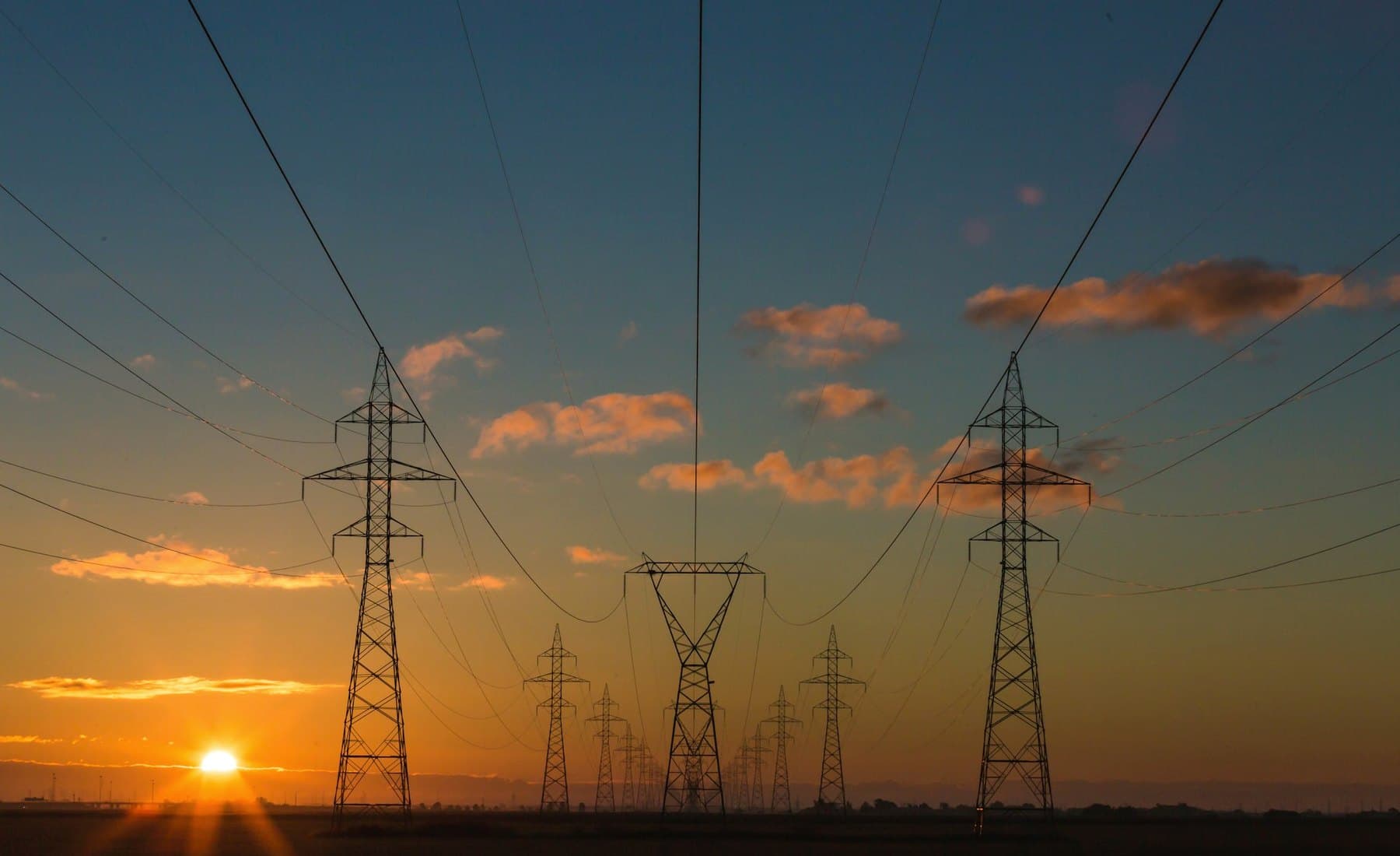
Dominion says it plainly on its own net metering page: supplying your home during an outage takes an energy storage system and a transfer switch. The array alone does not do it.
The short answer
A grid-tied array in Norfolk produces nothing during an outage — it is required to shut down when the utility goes away. A battery plus the right switching is what changes that. Dominion Energy states the point directly on its own net metering page.
The Norfolk-specific constraint is siting elevation. A battery is permanent electrical equipment on a lot where tidal and rainfall flooding are routine, so the binding question is which code-permitted location is also above the water. Runtime is a function of the critical load panel and of whether solar recharges the battery each day. Coverage is confirmed per service area rather than promised as blanket availability.
Find out what a battery would run in your house
Tell us your Norfolk-area address and whether you already have solar. We confirm coverage first, then walk the property for a permitted location that is also above the water — before anyone talks about capacity.
Three things that are specific to here
Most battery pages argue storm backup in the abstract. In Norfolk the storm and the flood arrive together, and that changes the design before it changes the capacity.
Your solar does not run the house in an outage — the utility says so
Dominion Energy's own net metering page puts it without hedging: the only way to supply power to your home from distributed generation during an outage is an energy storage system and a transfer switch. A grid-tied array is required to shut down when the grid goes away, so the panels on a Larchmont roof produce nothing while the street is dark. That is anti-islanding working correctly, not a fault, and it is the single most common surprise on a first outage.
Elevation is the Norfolk constraint, not busbar space
A home battery is electrical equipment with a permanent location, on a peninsula where tidal and rainfall flooding are ordinary rather than exceptional. The question that decides the design here is not how many kilowatt-hours — it is which permitted location on this property is above the water. A garage floor that takes six inches in a nor'easter is not a battery location, whatever the product literature says about enclosure ratings.
Storms here are multi-day, and a battery is not a generator
Severe weather drives the large majority of Dominion outages, and a tropical system that puts Hampton Roads out does not restore in an afternoon. A battery holds a finite amount of energy. Without solar recharging it each day, it is a tank, not a supply — which is why the honest question is what a battery keeps on for how long, and why anyone quoting a runtime before seeing the panel is guessing.
What a Norfolk battery actually runs
A coastal, hurricane-season outage produces a different critical-load list from an inland winter one.
Sump and ejector pumps, first
In a city where the storm and the outage arrive together, a pump that stops is the difference between a wet yard and a wet house. Motor starting current, not running watts, is what sizes the inverter — and it is the number most commonly left out of a proposal.
Refrigeration and networking
Small continuous draws with high consequence over a multi-day event. The router matters more than it looks: outage information, restoration estimates and evacuation guidance all arrive through it.
Cooling, conditionally
Hampton Roads outages happen in hurricane season. Air conditioning is a large, continuous load and it is the circuit most often assumed into a critical load panel without the arithmetic. Sometimes it fits; frequently it fits only as a managed load that sheds when the battery drops.
Medical equipment, declared up front
Oxygen concentrators, CPAP machines and powered mobility equipment change the design from a convenience to a dependency. That belongs in the first conversation, not in the commissioning notes.
Why we will not quote a battery size from this page
Two houses on the same Norfolk street can need different equipment because one has a sump pump and a crawl space and the other does not. Motor starting current on a pump sizes an inverter in a way that running watts never show, and the flood elevation on one lot can rule out the location that works on the next.
The code side of that is answerable before anyone visits. The home battery siting checker walks the locations the residential code permits for stationary storage and the rooms it never does, and where a home battery can and cannot be installed sets out why. On a coastal lot that is the first filter, not the last — and a property in a mapped flood zone brings its own permitting consequences that are worth establishing before equipment is ordered.
Interconnection is the other half. Nothing runs in parallel with Dominion’s grid until permission to operate is issued, and what that gate actually checks is the same for storage as it is for solar. For the operational side see solar battery storage operations. And if the house is also on this side of the water for water treatment or HVAC replacement, the service panel is the constraint all three share and it is worth answering once.
Battery backup in Norfolk, answered plainly
I already have solar in Norfolk. Why does it shut off in an outage?+
Because it is required to. A grid-tied inverter must disconnect when it loses the utility, so that it is not energising lines that crews believe are dead. That is anti-islanding, it is a safety requirement rather than a product limitation, and it applies to every grid-tied array on the street. Dominion Energy's net metering page states the consequence directly: supplying your home during an outage takes an energy storage system and a transfer switch. Adding a battery and the right switching is what changes the behaviour.
Where can a battery legally go on a Norfolk lot?+
The residential code permits a defined set of locations for stationary storage and excludes others outright — habitable rooms and sleeping rooms among them. On a coastal lot a second filter applies on top of the code one: the permitted location also has to be somewhere that does not take water. A garage slab that floods, a crawl space, and the low side of a lot are all places where a code-permitted installation is still the wrong installation. The siting checker on this site walks the code side; the elevation side is a site visit.
How long will a battery run my house here?+
That depends on what is on the critical load panel and whether solar is recharging the battery each day, and nobody can answer it from a postcode. A battery with a full charge and no recharge is a fixed quantity of energy being drawn down by whatever circuits were connected to it. In a multi-day tropical outage the recharge question dominates: a battery paired with a working array can carry a reduced household indefinitely in clear weather, and the same battery on its own is measured in hours to days. We size to a list of circuits you choose, and we do not put a runtime figure on a web page.
What does Dominion require to interconnect a battery?+
Dominion's residential path runs in four steps: a Net Metering Interconnection Notification submitted by you or your vendor, a contingent approval after a compatibility review that both parties sign, certification by a licensed Virginia electrician or approval by the local inspection authority, and finally permission to operate once metering and billing are in place. Nothing may run in parallel with the grid before that last step. It is the same permission-to-operate gate that governs solar, and it is where projects sit waiting when the paperwork was treated as an afterthought.
Is a battery better than a standby generator in Hampton Roads?+
They fail differently, which is the useful way to compare them. A generator needs fuel delivered or stored and mechanical service it rarely gets, and it does not help with anything except outages. A battery is silent, starts instantly, needs no fuel and can do other work the rest of the year, but it holds a finite amount of energy unless something recharges it. In a region whose outages are measured in days rather than hours, that recharge question is the deciding one, and for many houses the answer is solar plus storage rather than either alone.
Are there rebates or tax credits for storage in Virginia?+
Programs change and they have to be checked against your address, your utility account and the date the equipment is placed in service rather than taken from an article. Federal residential energy credit rules changed for property placed in service after December 31, 2025. Seamless Home does not provide tax advice and does not quote an incentive we have not confirmed for your project.
Who installs it, and who is responsible afterwards?+
Seamless Home is the licensed contractor of record on the work it runs. Installation is performed by vetted installing partners engaged as our subcontractors, which means the permit, the inspection and the correction notice have one name on them. Coverage is confirmed per service area rather than promised as blanket availability.
Related resources
Home battery backup installation
The national service page: essential-circuit, whole-home and managed-load backup compared.
Learn more →Home battery backup in Virginia Beach, VA
The neighbouring coastal case, where overhead distribution and outage duration dominate.
Learn more →Home battery backup in Richmond, VA
The inland contrast: tree canopy, ice and wind rather than surge.
Learn more →Home battery siting checker
The locations the residential code permits for stationary storage, and the rooms it never does.
Learn more →All home services
Battery backup, water treatment, HVAC and solar under one licensed contractor of record.
Learn more →Find out what a battery would actually run in your house
A panel-level look at your service, your existing solar and the circuits you want kept up — at no cost, and with no runtime promised before anyone has seen the property.
Get a Free Estimate