Lynchburg, Virginia
Home Battery Backup in Lynchburg
Appalachian Power says its 2026 rate request is driven mainly by tree trimming and storm recovery. The SCC hears it this October. Whatever it decides, a battery's job in Lynchburg is the outage, not the bill.
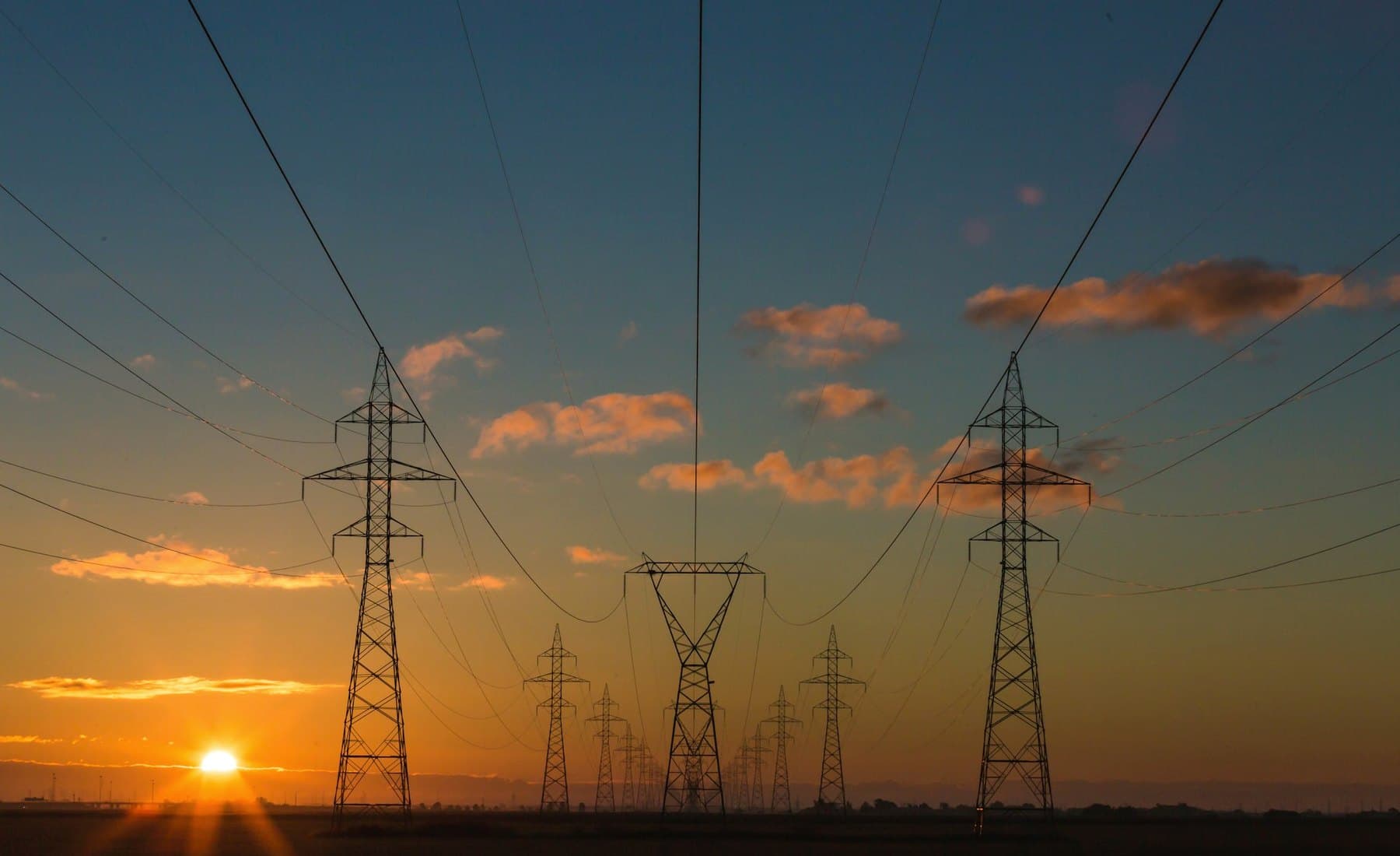
Proposed: about +$9.10 a month on a 1,000 kWh APCo bill. SCC public hearing: October 19, 2026.
The short answer
Lynchburg is Appalachian Power territory. APCo's 2026 base rate case asks for $61.4 million more a year — about $9.10 a month for a 1,000 kWh household — mainly for tree trimming, storm recovery and inflation. SCC staff proposed a decrease instead; the commission rules by January 15.
A battery won't avoid fixed monthly charges, and we don't sell one on bill savings. What it does is keep the circuits you choose running when the trees APCo is paying to trim come down anyway. We size it to a critical load panel and handle the APCo paperwork.
Find out what a battery would run in your house
Tell us your Lynchburg address, how the house is heated and whether you already have solar. We confirm coverage first, then size to a critical load panel — and handle the interconnection paperwork rather than leaving it with you.
Three things that are specific to here
What APCo's 2026 rate case says about the grid Lynchburg depends on.
A rate case built on storms and trees
Appalachian Power's May 2026 filing says its request is driven mainly by tree trimming and other reliability work, major storm recovery costs, inflation and labor. The storms show up on the bill either way.
The numbers are proposals
APCo asked for $61.4 million more a year — about $9.10 a month for a household using 1,000 kWh, after securitization savings. SCC staff instead proposed a $5.5 million decrease. Nothing changes before March 2027.
October is when it's heard
The SCC takes public comments on October 19, 2026 (registration closes October 15) and holds the evidentiary hearing on October 20. Its final order is due by January 15.
What a Lynchburg battery actually does
A battery doesn't prevent an outage or rewrite a tariff. It decides which circuits keep running until the crew is done.
A battery doesn't dodge fixed charges
APCo has asked to raise the residential basic service charge from $7.96 to $9 a month, which SCC staff opposed. Fixed charges are billed whatever you use, so no battery reduces them.
It is for the outage, first
What a battery reliably does is keep chosen circuits running when APCo's lines are down — refrigeration, a well or sump pump, internet, lights and the furnace or heat-pump controls.
Grid-tied solar goes dark too
A grid-tied inverter must shut off when the utility does. Keeping circuits up in an outage takes a battery and a transfer switch or backup interface; the Roanoke page covers APCo's net metering rules.
Paperwork with APCo
A battery that runs in parallel with APCo's grid is part of the interconnection, and APCo's net metering form asks whether a system has battery backup. We handle the application rather than leaving it with you.
Lynchburg next to Roanoke
Up the road, Roanoke covers the other half of the APCo story: Hurricane Helene's week-long restoration and APCo's net metering rules, which size solar to the prior year's use. Elsewhere in Virginia, Dominion customers in Richmond face a different tariff and a different sizing rule. A battery added to existing solar is its own interconnection — adding a battery to an existing array explains why — and Lynchburg's tap water has its own page: Lynchburg water quality.
Where these facts come from
- Appalachian Power — 2026 biennial base rate review filing (May 29, 2026) — the $61.4 million request, the $9.10 monthly figure after securitization, and what drives it.
- Cardinal News — Regulators prepare to hear Appalachian Power's case for raising rates (October 1, 2026) — hearing dates, the SCC staff position, the basic service charge request and the separate renewable case.
What a home battery job with us covers
Installation of storage and the backup circuits behind it, with the siting and utility paperwork handled.
Battery installation
Wall or floor-mounted storage installed to the listing and to the residential code sections that govern where it may go.
Backup and critical load panel
Deciding and wiring which circuits stay live, and which must never be on backup — the choice that defines what an outage feels like.
Integration with existing PV solar
Connecting storage to an array that is already on the roof, including whether the existing inverter supports it.
Transfer switch and disconnection
The equipment that separates the house from the grid during an outage, which is what makes backup legal as well as possible.
Siting to code
Location, clearances, separation and impact protection assessed against the adopted code before anything is mounted.
Permit, inspection and utility approval
The electrical permit, the inspection, and the utility's own approval step where storage touches the service.
This is installation work. No runtime, capacity or incentive figure is quoted before your loads and your utility are confirmed. Coverage is confirmed per service area rather than promised as blanket availability.
What the work actually looks like
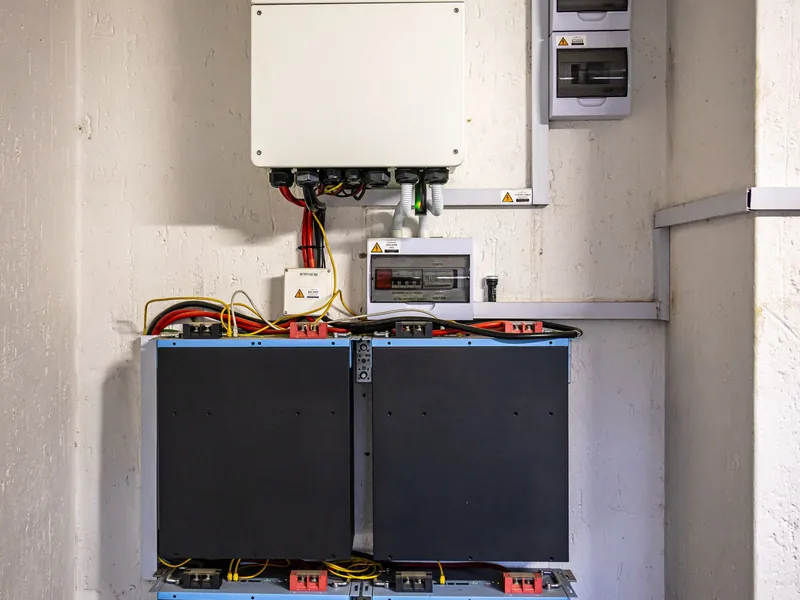
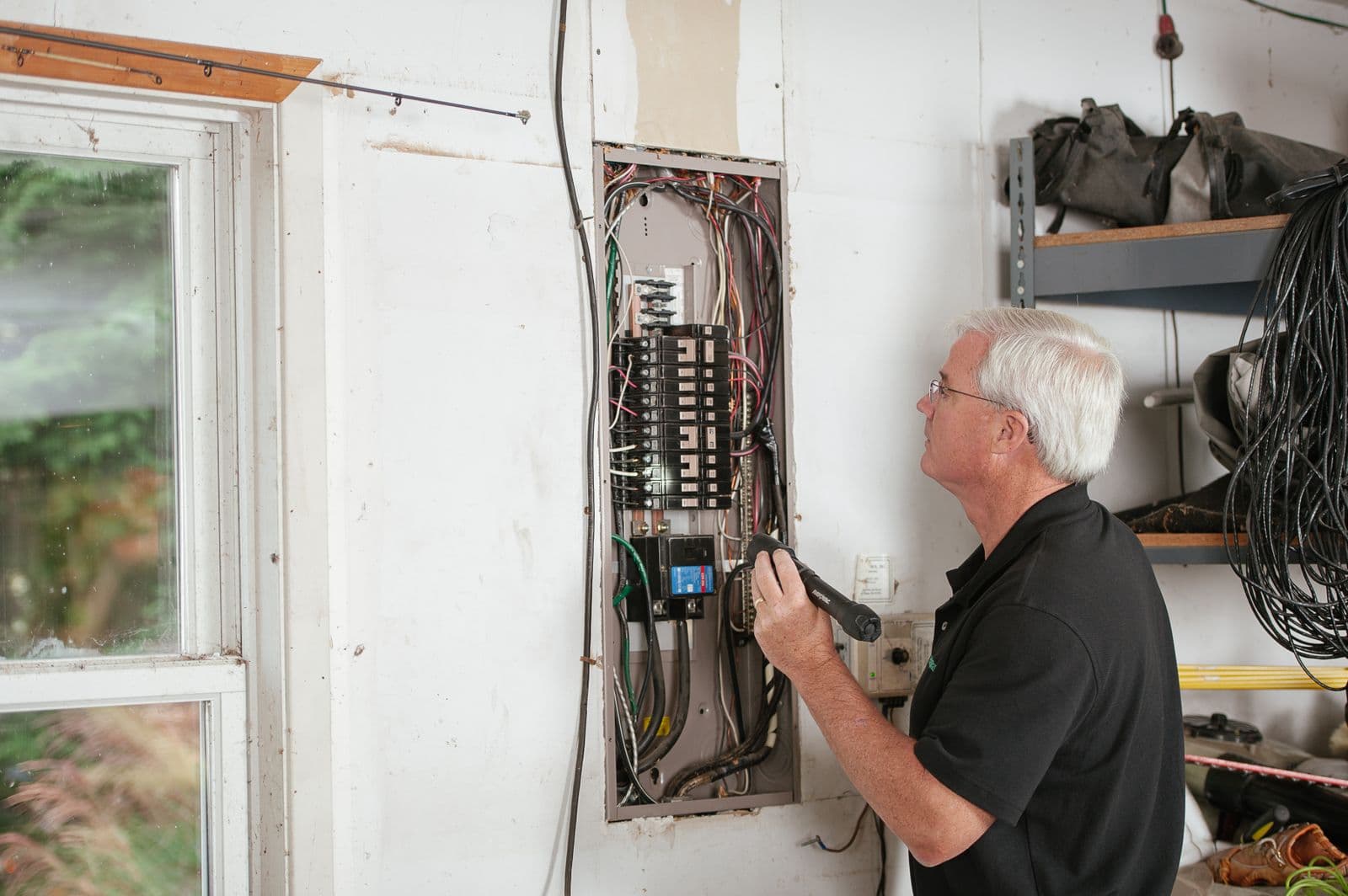
A battery job is an electrical job. The panel, the circuits and the disconnection are most of it.

Battery backup in Lynchburg, answered plainly
Who is the electric utility in Lynchburg?+
Appalachian Power (APCo), a subsidiary of American Electric Power. We confirm the utility at your address before designing anything.
Is Appalachian Power raising rates in 2026?+
It has asked to. APCo's 2026 base rate filing requests $61.4 million more per year, which it says works out to about $9.10 a month for a residential customer using 1,000 kWh after securitization savings. A separate case asks for about $3.99 a month for renewable energy costs. SCC staff recommended a $5.5 million decrease instead. The SCC's final order is due by January 15, and no change takes effect before March 2027.
How can I comment on the APCo rate case?+
Per Cardinal News, the SCC will hear public comments on October 19, 2026, and speakers must register by October 15. The SCC also accepts written comments on its website or by mail.
Will a battery lower my APCo bill?+
It might shift some usage, but it won't touch fixed charges like the basic service charge, and APCo's net metering rules cap and settle solar credits in their own way. We don't promise savings. A battery's dependable value in Lynchburg is outage backup.
How long will a battery run my house?+
It depends on the battery's capacity, the circuits on it and the season, so we don't quote a runtime before seeing the panel and your loads. A heat pump in January is a very different load from a refrigerator and lights.
Who installs it, and who is responsible afterwards?+
Seamless Home is the licensed contractor of record on the work it runs. Installation is performed by vetted installing partners engaged as our subcontractors, so the permit, the inspection and any correction notice carry one name. Coverage is confirmed per service area rather than promised as blanket availability.
Related resources
Home battery backup installation
The national service page: essential-circuit, whole-home and managed-load backup compared.
Learn more →Home battery backup in Roanoke, VA
Helene's restoration and APCo's net metering sizing rule.
Learn more →Home battery backup in Richmond, VA
Dominion territory: ice, wind and a mature canopy.
Learn more →Lynchburg water quality
What the City's water report shows at the tap.
Learn more →Does adding a battery need a new interconnection application?
Storage is its own application, even on an existing array.
Learn more →Home battery backup in Harrisonburg, VA
A city-owned utility where Dominion net metering does not apply.
Learn more →All home services
Battery backup, water treatment, HVAC and solar under one licensed contractor of record.
Learn more →Find out what a battery would actually run in your house
A panel-level look at your service, your existing solar and the circuits you want kept up through the next Lynchburg outage — at no cost, and with no savings or runtime promised before anyone has seen the house.
Get a Free Estimate