Lowell, Massachusetts
Home Battery Backup in Lowell
National Grid pays for battery performance from June to September. Its own program materials say most of the region's outages come in winter. A Lowell battery has to be designed for both.
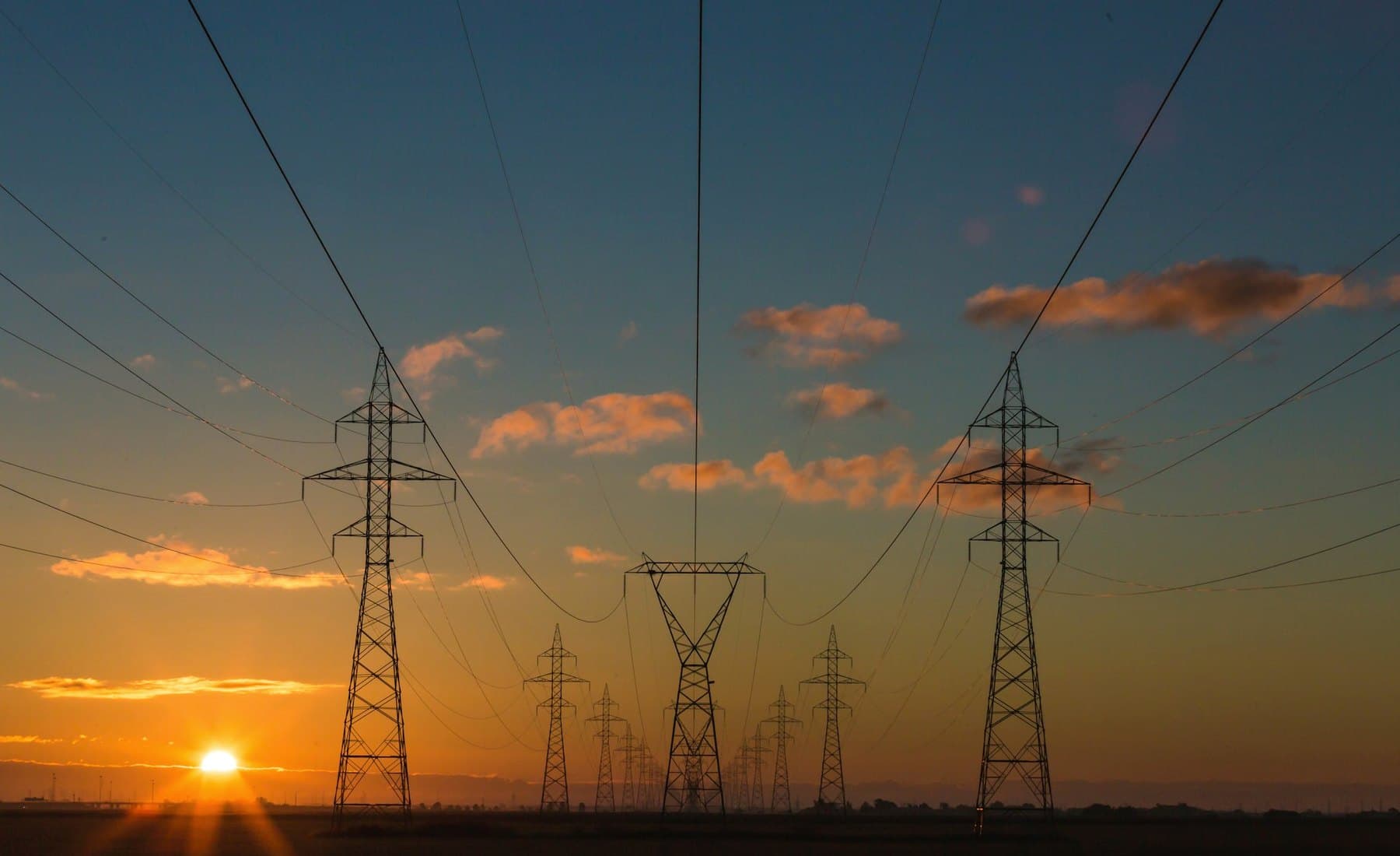
Under SMART 3.0, home systems of 25 kW or less no longer earn the energy-storage adder. The program that pays for a Lowell battery is ConnectedSolutions — and it runs in summer.
The short answer
Lowell is National Grid territory. A grid-tied array produces nothing in an outage; a battery with the right switching keeps selected circuits up. The program that pays for battery performance is ConnectedSolutions — 30 to 60 summer events, 3 to 8 p.m. — while the program materials themselves say most outages here happen in winter.
Two rules shape the design. SMART 3.0 dropped the storage adder for home systems of 25 kW or less, and a battery that charges from both the array and the grid and can export loses net-metering eligibility. We size to a critical load panel, set a winter reserve, and confirm program terms in writing for your address.
Find out what a battery would run in your house
Tell us your Lowell-area address and whether you already have solar. We confirm coverage first, then size to a critical load panel — and handle the National Grid paperwork rather than leaving it with you.
Three things that are specific to here
Not the storm — the calendar and the rules. These are what change a Lowell design from an Eversource-territory one.
Paid in summer, needed in winter
Lowell is National Grid territory, and National Grid's ConnectedSolutions battery program calls 30 to 60 discharge events a season, June through September, between 3 and 8 p.m. The same program materials state that most power outages in the region happen during the winter. The incentive season and the backup season barely overlap, which is the most useful fact a Lowell owner can know before choosing how much of the battery to reserve.
SMART 3.0 no longer adds for a home battery
Under the earlier SMART program a residential battery paired with solar could earn an energy-storage adder. DOER's SMART 3.0 overview, published October 2025, says small projects of 25 kW or less are no longer eligible for that adder. A March 2026 ConnectedSolutions document still describes the adder by reference to the old regulation, so a quote that counts on it should be read with that date in mind.
How the battery charges decides net metering
The program materials state that storage which charges from both a net-metering facility and the grid, and can export, is not eligible for net metering, citing D.P.U. 17-146-A. They also say the 25 kW net-metering cap exemption is measured on the solar inverter alone, so a combined solar-plus-storage nameplate can exceed 25 kW. Charging configuration is a design decision with billing consequences, not a setting to leave at default.
What a Lowell battery actually runs
A winter outage produces the critical-load list. The summer program decides how much of the battery is available for it.
Heating controls through a winter outage
A gas or oil boiler or furnace needs its controls, circulators or blower to run, which a battery handles. Electric resistance heat or a heat pump carrying the whole house is a different order of load, and deciding which one you are protecting comes before choosing equipment.
Sump pumps and snowmelt
A thaw after a storm is when a basement sump matters most, and its starting current sizes the inverter. If the house also has a backwater question, it is worth answering at the same visit.
Refrigeration, networking, medical equipment
Small continuous draws with high consequences. Oxygen concentrators, CPAP machines and powered mobility belong in the first conversation, because they turn a battery from a convenience into a dependency.
A reserve that survives the summer season
During a ConnectedSolutions event the battery is discharged remotely. The program says it avoids calling events during declared emergencies and tries to avoid them before large forecast storms, but cannot account for isolated local storms. Setting a backup reserve — and knowing how to opt out of an event with your manufacturer — is part of commissioning.
The rules are part of the design, not the brochure
Storage installed and inspected is not storage that is allowed to run in parallel with the grid. What permission to operate actually checks is the same for storage as for solar, and adding a battery to an existing array is its own application. The charging configuration that keeps net metering intact belongs on that application, not in a setting changed later.
Siting is answerable before anyone visits. The home battery siting checker walks the locations the residential code permits for stationary storage, and where a home battery can and cannot be installed explains the reasoning.
Elsewhere in Massachusetts, Worcester is the other National Grid page, and Boston and Springfield are Eversource. If the house also needs water treatment, the Lowell water quality page covers the Merrimack River supply and its PFAS figure.
Where these facts come from
- National Grid — ConnectedSolutions battery program and its Program Materials for Small Scale Batteries (dated 3/13/26): event season, hours, duration, performance basis, enrollment deadline, storm policy, net metering and SMART notes.
- Massachusetts DOER — SMART 3.0 program details and the SMART 3.0 regulations overview (October 1, 2025): small projects no longer eligible for the energy-storage adder.
- Mass.gov — find my electric, gas and water company — Lowell's electric utility.
What a home battery job with us covers
Installation of storage and the backup circuits behind it, with the siting and utility paperwork handled.
Battery installation
Wall or floor-mounted storage installed to the listing and to the residential code sections that govern where it may go.
Backup and critical load panel
Deciding and wiring which circuits stay live, and which must never be on backup — the choice that defines what an outage feels like.
Integration with existing PV solar
Connecting storage to an array that is already on the roof, including whether the existing inverter supports it.
Transfer switch and disconnection
The equipment that separates the house from the grid during an outage, which is what makes backup legal as well as possible.
Siting to code
Location, clearances, separation and impact protection assessed against the adopted code before anything is mounted.
Permit, inspection and utility approval
The electrical permit, the inspection, and the utility's own approval step where storage touches the service.
This is installation work. No runtime, capacity or incentive figure is quoted before your loads and your utility are confirmed. Coverage is confirmed per service area rather than promised as blanket availability.
What the work actually looks like
A battery job is an electrical job. The panel, the circuits and the disconnection are most of it.
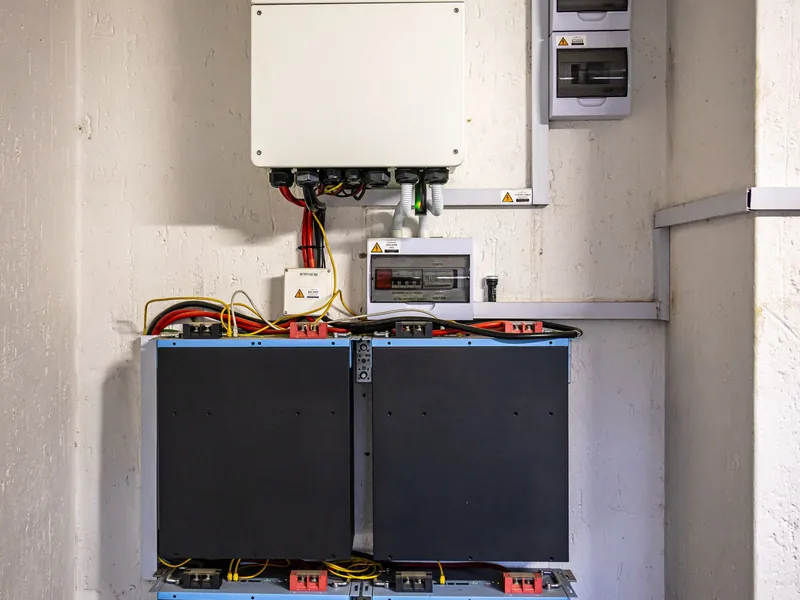
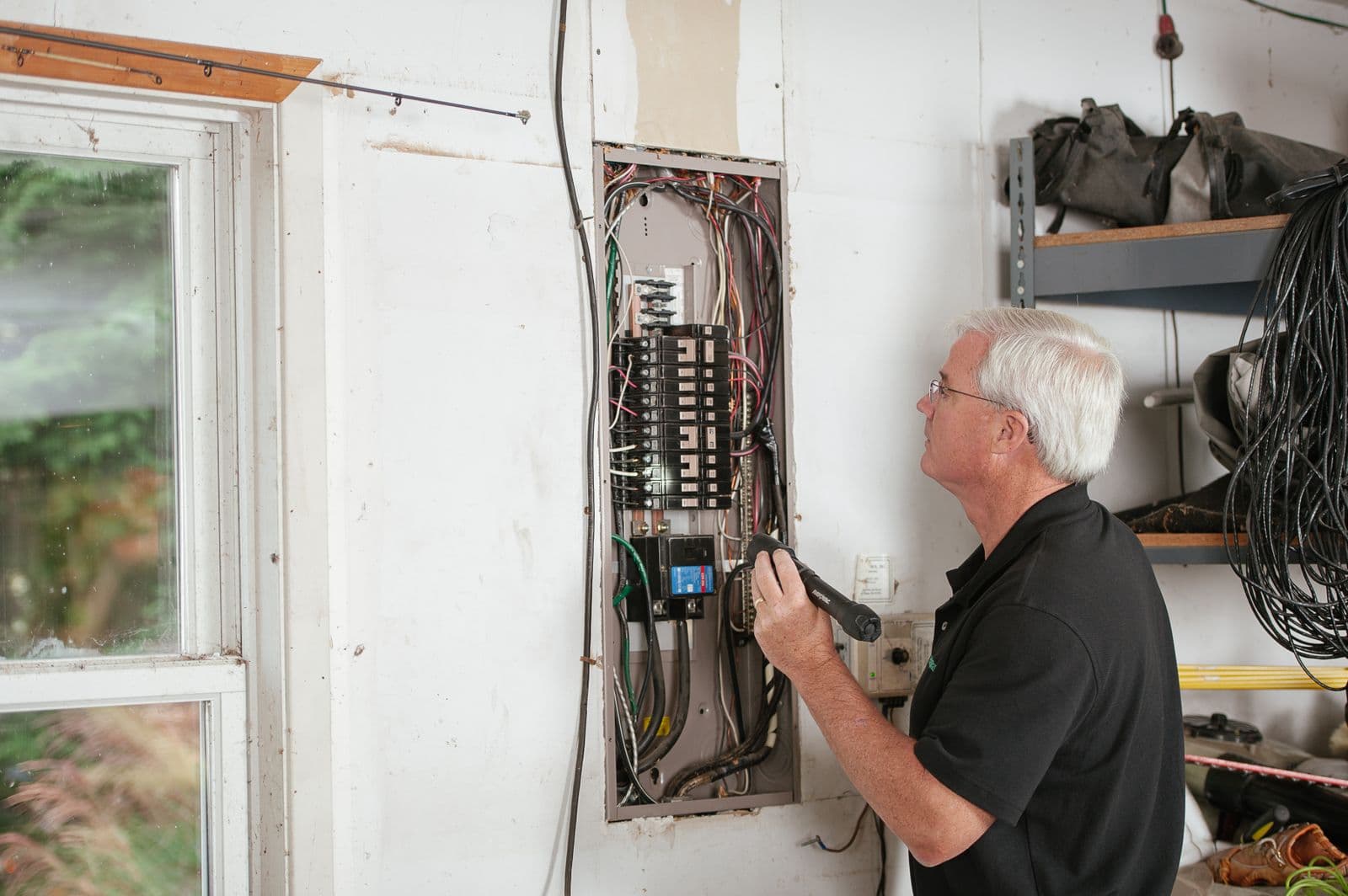

Battery backup in Lowell, answered plainly
Who is the utility in Lowell?+
National Grid. The Commonwealth's utility lookup lists Lowell in National Grid's electric territory, which matters because battery programs, interconnection and net metering are run per utility. Boston, Cambridge and Springfield pages on this site are Eversource; Worcester, like Lowell, is National Grid. Municipal light plants elsewhere in Massachusetts run their own rules.
How does ConnectedSolutions work for a home battery?+
It is a summer demand-response program. National Grid's program materials describe 30 to 60 discharge events between June and September, called between 3 and 8 p.m. and lasting two or three hours, with the battery discharged remotely through an approved inverter manufacturer. Payment is pay-for-performance on the average kilowatts the battery delivers across all events; a missed or opted-out event counts as zero. Applications received by May 31 count for the full season, and new installations get a five-year rate lock. We confirm the current rate in writing per address rather than printing it here.
Will a ConnectedSolutions event drain my battery before a storm?+
The program says it will not call events during Type 1 and Type 2 emergency events under National Grid's emergency response plan and will make reasonable attempts to avoid events when large storms are forecast. It also says it cannot account for isolated or localized storms. A backup reserve setting and a clear opt-out path with your battery manufacturer are how a Lowell owner covers that gap — and opting out costs that event's performance.
Does SMART pay anything for a battery?+
Not for a typical home system under SMART 3.0. DOER's October 2025 overview of the SMART 3.0 regulations says small projects of 25 kW or less are no longer eligible for the energy-storage adder; small systems receive a flat per-kWh solar incentive instead. The earlier SMART program did include a storage adder, and some program documents still describe it, so check which version a quote is relying on.
Can I keep net metering if I add a battery?+
Yes, with the right configuration. National Grid's program materials say customers may take part in both net metering and ConnectedSolutions. They also say storage that charges from both the net-metered array and the grid, and can export to the grid, is not eligible for net metering. How the battery is allowed to charge is therefore part of the design and the interconnection application.
Why does my Lowell solar shut off during an outage?+
A grid-tied inverter is required to disconnect when it loses the utility, so it is not energising lines crews believe are dead. That is anti-islanding, a safety requirement rather than a product limitation. A battery with the right transfer equipment is what lets the house keep selected circuits running while the street is dark.
Who installs it, and who is responsible afterwards?+
Seamless Home is the licensed contractor of record on the work it runs. Installation is performed by vetted installing partners engaged as our subcontractors, so the permit, the inspection and any correction notice carry one name. Coverage is confirmed per service area rather than promised as blanket availability.
Related resources
Home battery backup installation
The national service page: essential-circuit, whole-home and managed-load backup compared.
Learn more →Home battery backup in Worcester, MA
The other National Grid page — inland nor'easters and well pumps.
Learn more →Home battery backup in Boston, MA
Eversource territory — harbour storms and urban panels.
Learn more →Lowell water quality
The Merrimack River supply and its 2025 PFAS6 figure.
Learn more →Does adding a battery need a new interconnection application?
The application that catches people out when an array is already installed.
Learn more →All home services
Battery backup, water treatment, HVAC and solar under one licensed contractor of record.
Learn more →Find out what a battery would actually run in your house
A panel-level look at your service, your existing solar and the circuits you want kept up through a winter outage — at no cost, and with no runtime or incentive figure promised before anyone has seen the house.
Get a Free Estimate