Worcester, Massachusetts
Home Battery Backup in Worcester
Solar panels stop producing in an outage unless there is a battery behind them. In central Massachusetts the outages arrive with winter storms — a battery is what keeps the house yours when the grid is not.
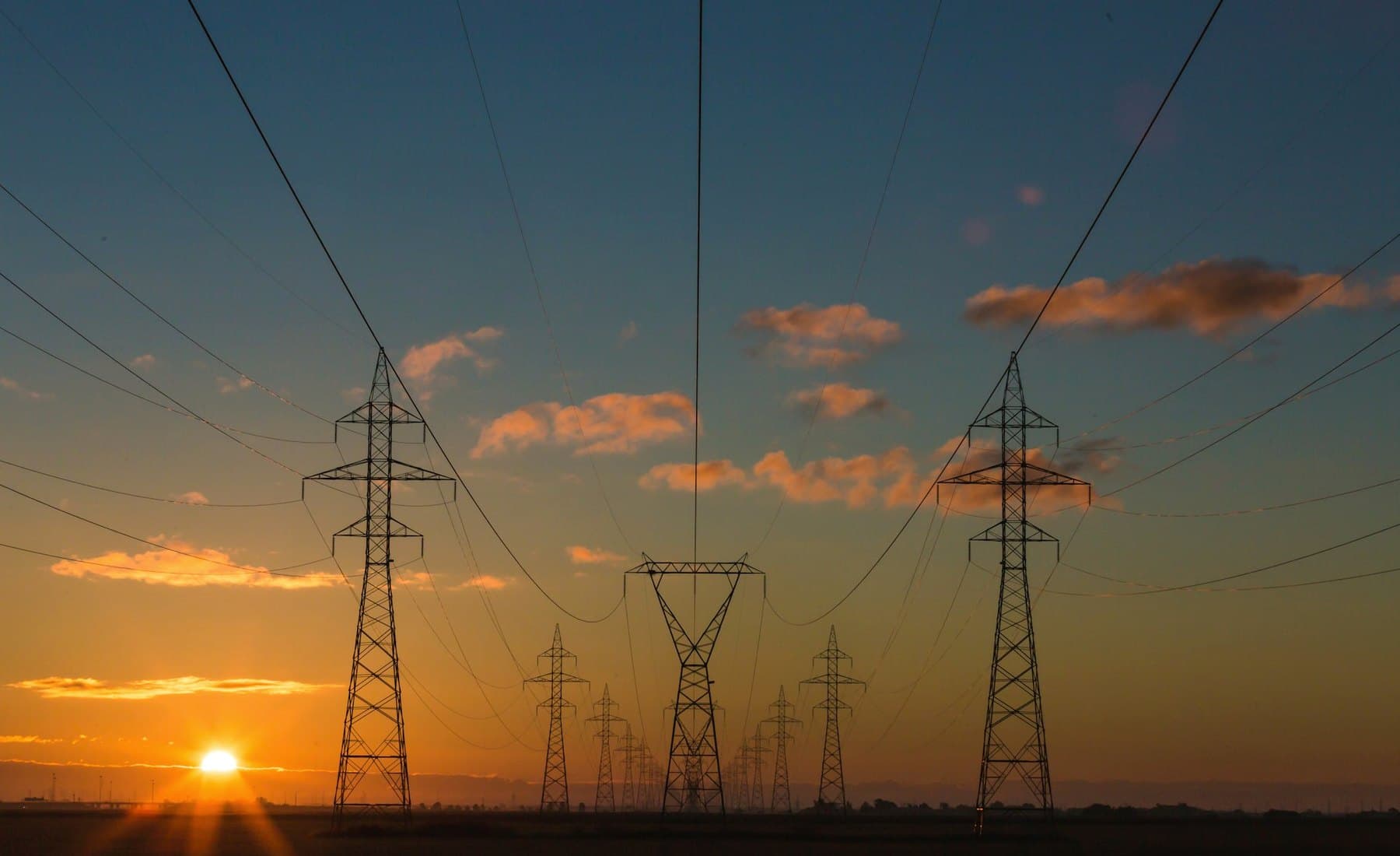
A Worcester nor'easter takes the grid down, and grid-tied solar shuts off with it. The panels on the roof produce nothing until a battery isolates the house. Here's what actually stays on.
The short answer
If you already have solar in Worcester, a battery does two separate jobs. In a winter outage it keeps critical loads running — heating controls, a well pump, refrigeration, networking — which grid-tied solar on its own cannot do, because the inverter shuts down when the grid goes down. In summer, the same battery can earn through a Massachusetts demand-response program that pays for capacity discharged during peak events.
The detail that decides everything else is that a battery is sized to a critical load panel, not to your house. Runtime is a function of which circuits are on that panel, so two identical batteries in two Worcester houses deliver very different outages. Your utility also matters, because it sets your rate structure and your program eligibility — and Massachusetts has both investor-owned utilities and roughly forty municipal light plants operating under their own rules.
Find out what a battery would run in your house
Tell us your Worcester-area address and whether you already have solar. We confirm coverage first, then size the system to a critical load panel — not to a guess from a postcode.
Two reasons, in two different seasons
Most battery pages argue one of these. In Massachusetts both are real, and together they make a considerably stronger case than either alone — provided the tension between them is stated rather than hidden.
Winter — the outage your solar does not cover
A grid-tied solar system is required to shut down when it loses the grid. It is called anti-islanding, and it exists so an array cannot energise a line a utility crew is working on. The practical consequence surprises most owners: the panels on your roof produce nothing during an outage, even in bright sun, unless there is a battery and the right switching equipment behind them. Central Massachusetts loses power to nor'easters, wet snow and ice loading — and those are the days when losing heat matters most.
Summer — capacity programs
Massachusetts utilities run demand-response programs that pay battery owners for capacity discharged during summer peak events, typically on weekday afternoons in the warm months. Payment is based on capacity actually delivered across the season's events, so it scales with battery size and with how consistently the system performs. Terms and rates are set per program year, so they are confirmed for your address and your utility rather than quoted from a web page.
The two compete, and a real design says so
A battery held entirely in reserve for outages is not available to earn peak payments, and one dispatched hard all summer is not sitting full waiting for a storm. Every honest installation sets a reserve floor that splits the difference — higher reserve means more security and a smaller seasonal payment. Anyone presenting both benefits at full value simultaneously is describing a spreadsheet rather than a system.
What a battery actually runs when the power is out
Deciding what goes on the critical load panel is the real design conversation, and it is the part that determines whether an outage is comfortable or merely survivable.
Refrigeration — almost always backed up
A small continuous draw with a high consequence if it stops. This is normally the first circuit on the critical load panel.
Well pump — backed up if you have one
No pump means no water and no toilets, which changes an outage from inconvenient to untenable. The surge when the motor starts is often what drives inverter selection, so it needs to be identified during design rather than discovered on install day.
Heating controls — almost always backed up
A gas or oil boiler needs only its controls and circulator pumps to run, which is a small load for a large benefit. Backing up the controls is what keeps a house warm in February on a modest battery.
Networking — backed up
A trivial load, and it is how you work, reach people and find out when power is coming back.
Electric heat and heat pumps — usually not
These will drain a residential battery in hours. Backing up whole-home electric heat is a materially larger and more expensive class of system, and pretending otherwise is how runtime expectations get set wrong.
Air conditioning, range, dryer — no
Very high draw for conveniences you can work around for a day or two. In a New England winter outage, which is when the battery will actually be called on, air conditioning is not the load worth sizing for.
Why we will not quote you a battery size from this page
Runtime depends on the critical load panel, not on the battery's headline capacity. A house on a well with an oil boiler has a completely different profile from an all-electric house on municipal water, and the well pump's starting surge can change which inverter is appropriate. None of that is visible from a postcode.
So the consultation is a panel-level look: what is in your service panel, what solar you already have and how it is wired, which circuits you want to stay up, and what your utility permits. It takes about twenty minutes on site and it is what turns a guess into a design.
For the operational side of how storage projects are designed, permitted and interconnected, see solar battery storage operations, and for the interconnection approval a battery needs before it can legally operate, interconnection services.
A well pump is not the only water question a Worcester house has. On the municipal supply the governing number is a disinfection byproduct rather than hardness, because the city filters and chlorinates its own reservoir water — Worcester water quality reads the city's own report and says which treatment stage it justifies.
Battery backup, answered plainly
My solar already works. Why will it not run during an outage?+
Because a grid-tied inverter is required to shut down when it loses the grid. This is anti-islanding protection, and the reason for it is line-worker safety: an array must not be able to energise a conductor that a utility crew believes is dead. Without a battery and the switching equipment that isolates your house from the grid, your panels are offline during an outage regardless of how much sun is falling on them. This is the single most common surprise among people who already own solar, and it is not a defect in your system.
Will a battery power my whole house?+
Almost certainly not, and you probably do not want to pay for one that would. Residential batteries are sized to a critical load panel — a subpanel carrying the circuits you actually need. Heating controls, refrigeration, a well pump, networking and some lighting make for a genuinely comfortable outage. Whole-home backup including electric heat and air conditioning is a much larger and more expensive class of system, and for most households the money is better spent on the circuits that matter.
How long will a battery last in an outage?+
Hours to several days, depending entirely on what is on the critical load panel and whether your solar can recharge during daylight. That recharge is the part most people miss: paired with solar, a battery can cycle each day rather than draining once, which is what turns a one-night bridge into riding out a multi-day storm. A runtime figure quoted without knowing your critical loads is meaningless, which is why we will not put one on this page.
Does winter sun in Massachusetts actually recharge a battery?+
Less than summer sun. Short days and a low sun angle both reduce production, and snow covering the array stops it entirely until the snow clears or slides. So winter recharge is real but slower and less dependable than in summer. The correct response is to size the battery to the loads you genuinely need rather than to assume a reliable daily top-up, which is the opposite of how battery runtime is usually marketed.
Can I join a summer capacity program and still have backup power?+
Yes, and this setting matters more than almost anything else in the design. You set a reserve floor that the program cannot discharge below, so a portion of the battery is always held for outages. A higher reserve means more security and a smaller seasonal payment. There is no universally right answer — it depends on whether you are on a well, whether anyone in the household depends on power for medical equipment, and how you personally weigh a storm against a payment.
What incentives apply, and what will this cost?+
Massachusetts program terms and rates are set per program year and change, and the federal treatment of residential energy equipment has shifted recently as well. We will not quote you a credit, rebate or payment figure we have not verified for your address and your utility — that is how people end up with a monthly number that assumed money which never arrived. We confirm in writing what actually applies before you sign anything, and any tax treatment should be confirmed with your own advisor rather than with whoever is selling the equipment.
Who installs it, and who is responsible afterwards?+
Seamless Home is the licensed contractor of record. Installation is performed by vetted installing partners engaged as our subcontractors, and the workmanship obligation stays with us rather than with a crew you would have to track down later. The battery and inverter carry their manufacturers' own warranties, which we register in your name at completion. Coverage is confirmed per service area rather than promised as blanket availability.
Related resources
Home battery backup installation
The national service page behind this one: essential-circuit, whole-home and managed-load backup compared, with or without PV solar.
Learn more →Solar battery storage operations
How storage projects are designed, permitted, interconnected and closed out on the operational side.
Learn more →Solar interconnection services
The utility approval a battery needs before it can legally operate, and why permission to operate is not the same as passing inspection.
Learn more →HVAC in Richmond, VA
The local HVAC page for a mixed-humid metro: replacement sized to the house, not the old unit, as heating season arrives.
Learn more →Phoenix water quality
The other side of our residential work: what is in a municipal water system, and which treatment addresses which problem.
Learn more →Home battery backup in Lowell, MA
The other National Grid page: a summer ConnectedSolutions season against winter outages, and what SMART 3.0 changed for home batteries.
Learn more →All home services
Battery backup, water treatment and solar installation, and how accountability works when one licensed contractor holds the whole job.
Learn more →Find out what a battery would actually run in your house
A panel-level look at your service panel, your existing solar and the circuits you want kept up — at no cost, and with no runtime promised before anyone has seen the house.
Get a Free Estimate