Springfield, Massachusetts
Home Battery Backup in Springfield
A Pioneer Valley ice storm takes the grid down, and grid-tied solar shuts off with it. The battery that earns its keep here is the one that keeps oil-boiler controls and, outside the city, a well pump running.
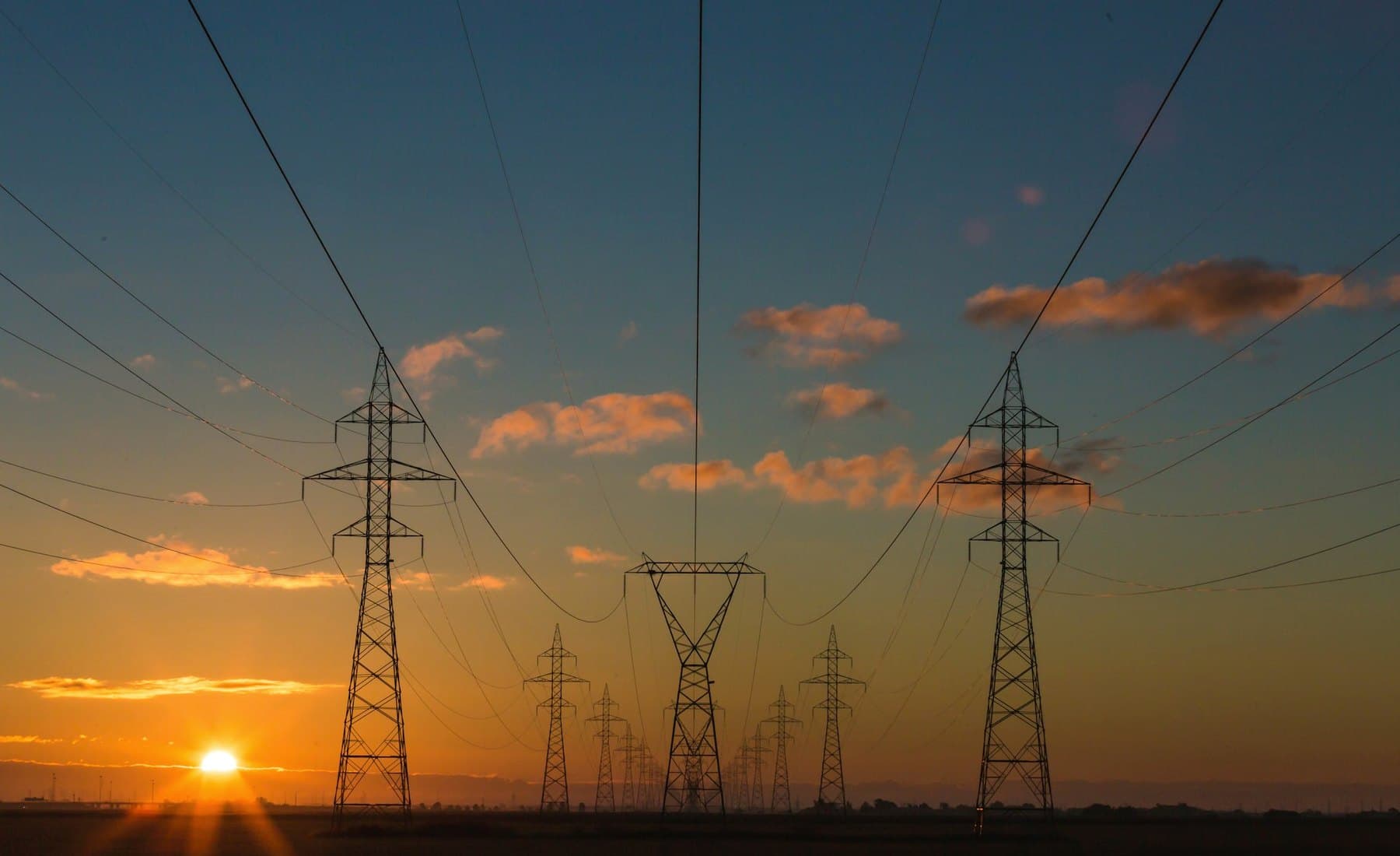
Ice loading, not harbour wind. Oil-boiler controls, not a heat pump. A well in Hampden is a different inverter from a Forest Park panel. That is the local design conversation.
The short answer
In Springfield a battery is primarily a winter machine: it keeps heating controls, refrigeration and — where it applies — a well pump running when ice takes the grid down. Grid-tied solar cannot do that, because the inverter shuts down when the grid does. Summer demand-response is real and is confirmed per program year for your utility, not quoted from a page.
Eversource Western Massachusetts is the usual utility in this metro; municipal light plants in neighbouring towns are not the same rules. Coverage is confirmed per service area rather than promised as blanket availability.
Find out what a battery would run in your house
Tell us your Springfield-area address, whether you are on a well, and whether you already have solar. We confirm coverage first.
What western Massachusetts actually asks of a battery
The electrical rule is statewide. The storm, the heat and the well are not.
Ice, not harbour wind
Western Massachusetts loses power to ice loading and Connecticut River valley storms more than to coastal nor'easters. The practical consequence is the same as anywhere in the ISO-NE footprint: a grid-tied inverter shuts down when the grid dies, so the array produces nothing until a battery isolates the house. The weather that takes the grid down is different from Boston and different from Worcester. The electrical rule is not.
Oil heat is still the winter design
A large share of Pioneer Valley housing still heats with oil. An oil boiler needs only its controls and circulator pumps to keep the house warm — a small load for a large benefit. Backing up those controls is how a modest battery rides a multi-day ice storm. Backing up electric heat is a different class of system, and pretending they are the same is how runtime expectations get set wrong.
Wells just outside the city, municipal water inside it
Springfield proper is on municipal water. Agawam, East Longmeadow, Hampden and the hill towns often are not. A well pump's starting surge is frequently what drives inverter selection, and it has to be identified during design rather than discovered on install day. We will not size a Forest Park job as if it were a well in Hampden, or the reverse.
What a Springfield-area battery actually runs
Oil-boiler controls first. Well pump if you have one. The heat pump almost never.
Heating controls — almost always
Oil or gas, the controls and circulators are the winter circuit. Lose them and the house is a shed with furniture in it, in February, on ice.
Well pump — if you have one
No pump means no water and no toilets. Common in the surrounding towns, uncommon in the city. The surge, not the running watts, is the design number.
Refrigeration and networking
The first two circuits on almost every critical load panel. A Pioneer Valley ice storm can last long enough that losing the freezer is the expensive failure.
Electric heat and air conditioning — usually not
These drain a residential battery in hours. In a western Massachusetts winter outage, air conditioning is not the load worth sizing for.
Why we will not quote a battery size from this page
Runtime depends on the critical load panel. A Forest Park house on municipal water with oil heat has a completely different profile from a well in Hampden with a heat pump. None of that is visible from a postcode.
See solar battery storage operations and what a critical load panel is.
What a home battery job with us covers
Installation of storage and the backup circuits behind it, with the siting and utility paperwork handled.
Battery installation
Wall or floor-mounted storage installed to the listing and to the residential code sections that govern where it may go.
Backup and critical load panel
Deciding and wiring which circuits stay live, and which must never be on backup — the choice that defines what an outage feels like.
Integration with existing PV solar
Connecting storage to an array that is already on the roof, including whether the existing inverter supports it.
Transfer switch and disconnection
The equipment that separates the house from the grid during an outage, which is what makes backup legal as well as possible.
Siting to code
Location, clearances, separation and impact protection assessed against the adopted code before anything is mounted.
Permit, inspection and utility approval
The electrical permit, the inspection, and the utility's own approval step where storage touches the service.
This is installation work. No runtime, capacity or incentive figure is quoted before your loads and your utility are confirmed. Coverage is confirmed per service area rather than promised as blanket availability.
What the work actually looks like
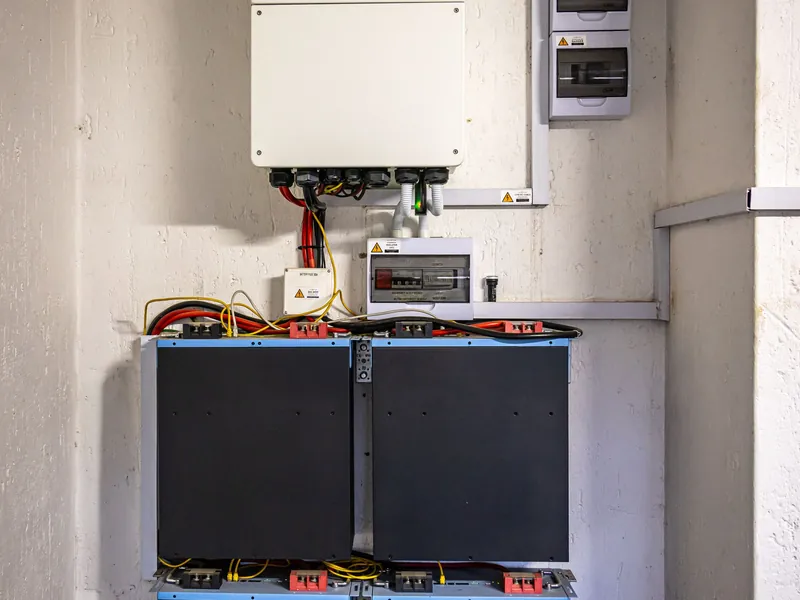
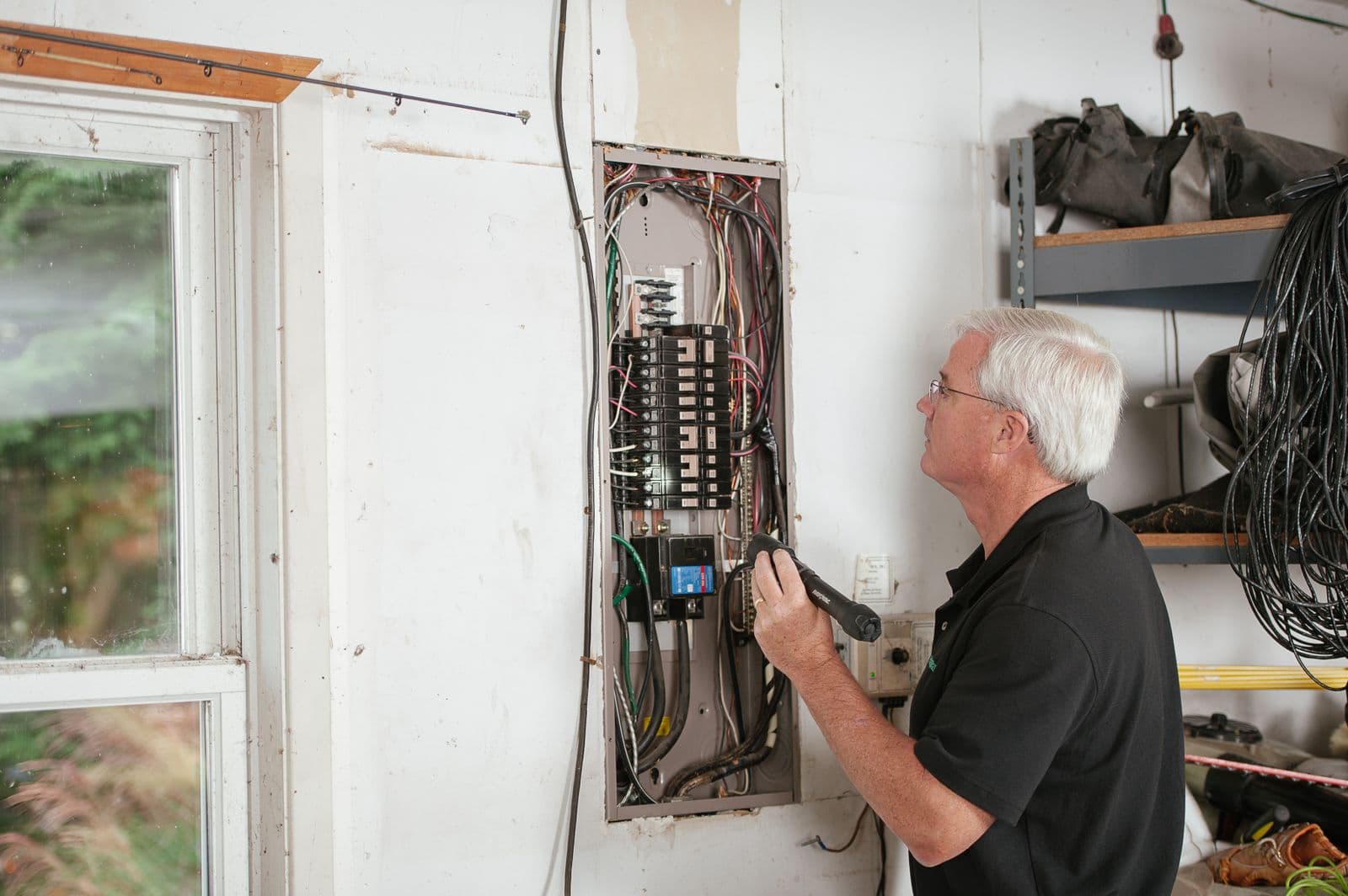
A battery job is an electrical job. The panel, the circuits and the disconnection are most of it.

Battery backup in Springfield, answered plainly
Why will my solar not run during a Springfield outage?+
Anti-islanding. A grid-tied inverter must shut down when it loses the grid so it cannot energise a line a crew believes is dead. A battery and the switching that isolates the house are what change that. It is not a defect in the solar.
Will a battery keep my oil boiler running?+
The boiler itself is not the load — the controls and circulators are. That is a small, high-value circuit and it is usually the first thing on a Pioneer Valley critical load panel. Whole-home electric backup of the heating plant is a different conversation.
I am in East Longmeadow / Hampden / Agawam. Is this my page?+
The climate and the ice-storm pattern are. The well, the utility account and the panel are address questions. Eversource Western Massachusetts serves much of this territory; municipal light plants serve some neighbouring towns under their own rules. We confirm coverage and the utility at the address rather than assuming a Springfield design fits.
What incentives apply, and what will this cost?+
Massachusetts program terms are set per program year and change. We will not quote a credit, rebate or payment figure we have not verified for your address and your utility. Seamless Home does not provide tax advice.
Who installs it, and who is responsible afterwards?+
Seamless Home is the licensed contractor of record. Installation is performed by vetted installing partners engaged as our subcontractors. Coverage is confirmed per service area rather than promised as blanket availability.
Related resources
Springfield water quality
Cobble Mountain supply — HAA5 exceedances and the plant replacement.
Learn more →Home battery backup installation
The national service page: essential-circuit, whole-home and managed-load backup compared.
Learn more →Home battery backup in Worcester, MA
The other inland metro: nor'easters and well pumps in central Massachusetts.
Learn more →Home battery backup in Boston, MA
The coastal contrast: urban panels, harbour storms, rarely a well.
Learn more →All home services
Battery backup, water treatment, HVAC and solar under one licensed contractor of record.
Learn more →Find out what a battery would actually run in your house
A panel-level look at your service, your heat and whether you are on a well — at no cost, and with no runtime promised before anyone has seen the house.
Get a Free Estimate