Boston, Massachusetts
Home Battery Backup in Boston
A nor'easter takes the harbour grid down, and grid-tied solar shuts off with it. In Boston the design problem is usually the panel — heat pumps, EV chargers and a full busbar — not a well pump.
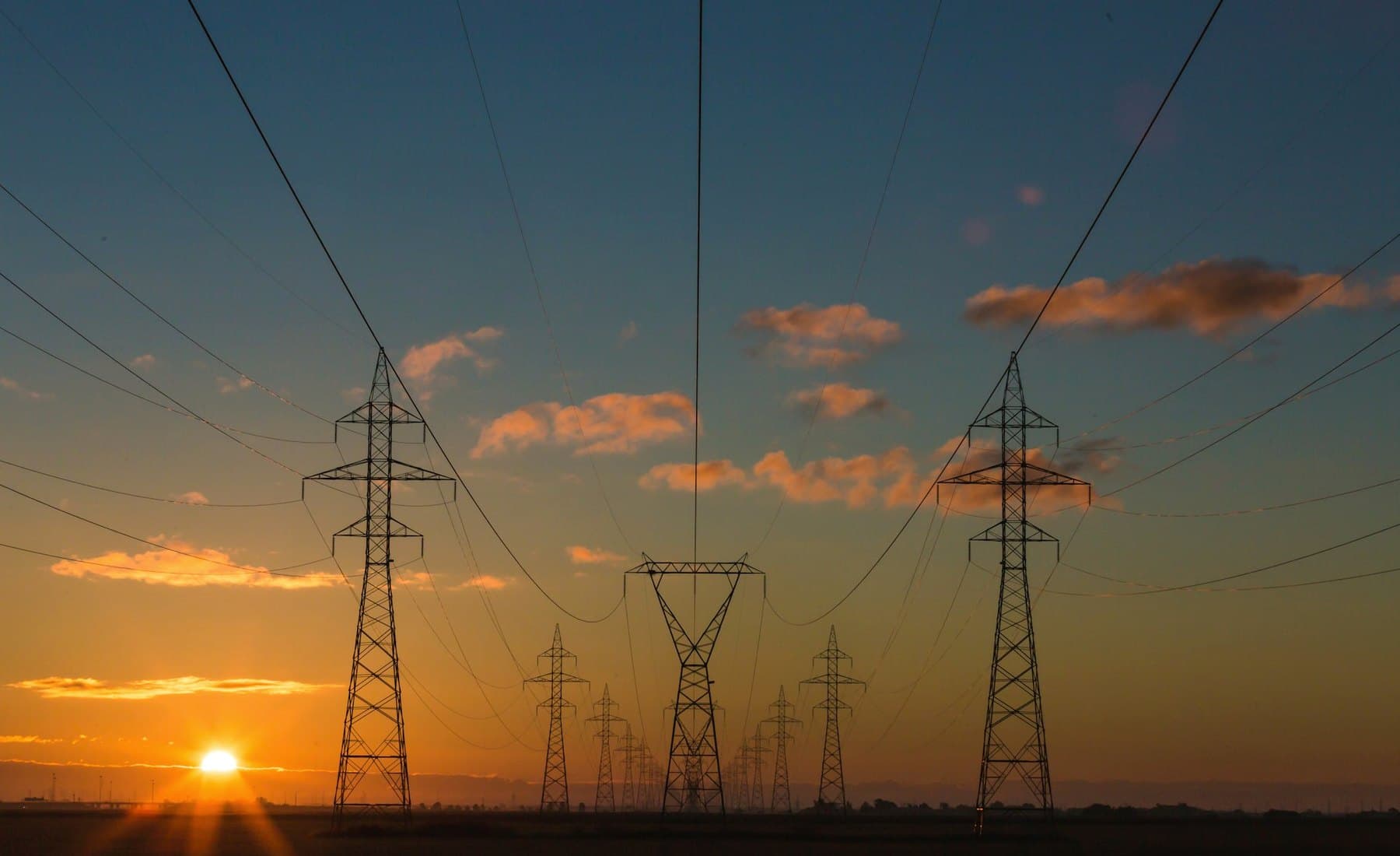
Anti-islanding is why the panels on a South End roof produce nothing in an outage. A battery isolates the house. What it actually keeps on depends on the panel, not the postcode.
The short answer
If you already have solar in Boston, a battery does two jobs. In a winter outage it keeps critical loads running, which grid-tied solar on its own cannot do. In summer the same battery can earn through a Massachusetts demand-response program, on terms set per program year for Eversource, not copied from a statewide flyer.
The Boston-specific constraint is the service panel. Dense housing, heat pumps and EV chargers fill busbars that a Worcester well-pump job never sees. Runtime is a function of the critical load panel. Coverage is confirmed per service area rather than promised as blanket availability.
Find out what a battery would run in your house
Tell us your Boston-area address and whether you already have solar. We confirm coverage first, then size to a critical load panel — not to a guess from a postcode.
Two seasons, and a city panel
Most battery pages argue storm backup or summer programs. In Boston both are real, and the panel is what decides whether either one fits.
Coastal nor'easters, not just inland ice
Boston loses power to wet snow, wind off the harbour and coastal flooding as much as to ice loading. A grid-tied solar system is required to shut down when it loses the grid — anti-islanding — so the array on a South End roof produces nothing during the outage unless a battery and the right switching sit behind it. That surprise is not a defect in the solar.
Urban panels are the design constraint
A Boston three-decker, a Back Bay brownstone and a West Roxbury ranch do not share a service. Many city panels are already full of heat pumps, EV chargers and electric ranges. The battery conversation starts with whether the service can accept another interconnection, not with a product photo. Worcester's well-pump surge is rarely the Boston problem; spare busbar capacity often is.
Summer capacity programs, confirmed per year
Massachusetts utilities run demand-response programs that pay battery owners for capacity during summer peak events. Terms and rates are set per program year and per utility — Eversource in Boston proper — so they are confirmed for your address rather than quoted from a web page. A battery held entirely in reserve for outages is not available to earn; one dispatched hard all summer is not sitting full for a January storm.
What a Boston battery actually runs
Municipal water, gas heat and a full panel change the critical-load list from the central-Massachusetts default.
Refrigeration and networking — almost always
Small continuous draws, high consequence. In a dense neighbourhood an outage also knocks out the street-level mobile coverage some households rely on, so the router is not a luxury circuit.
Heating controls, not electric heat
A gas boiler needs only its controls and circulators to keep a Boston house warm. Whole-home electric heat or a heat pump on backup will drain a residential battery in hours. Backing up the controls is the winter design; backing up the heat pump is a different class of system.
Well pumps — usually not, in the city proper
Municipal water is the Boston default. The well-pump surge that drives inverter selection in central Massachusetts is uncommon inside city limits and more likely in the surrounding towns. We will not size a Boston job as if it were a Holden well.
Elevators, sump pumps, medical equipment
A garden-level sump in a flood-prone neighbourhood, a medical device, or a small elevator in a renovated brownstone can dominate the critical-load list. Those are address questions. None of them belong on a generic 'whole home backup' brochure.
Why we will not quote a battery size from this page
A three-decker in Dorchester and a single-family in West Roxbury can share a ZIP prefix and need completely different interconnection equipment. The well-pump surge that drives inverter selection west of the city is usually absent; spare busbar capacity often is not.
For the operational side of how storage is designed, permitted and interconnected, see solar battery storage operations and interconnection services. For where a battery is allowed to sit in a tight Boston lot, see the home battery siting checker against IRC Section R328.
Battery backup in Boston, answered plainly
My solar already works. Why will it not run during a Boston outage?+
Because a grid-tied inverter is required to shut down when it loses the grid. Anti-islanding exists so an array cannot energise a line a utility crew is working on. Without a battery and the switching that isolates the house, the panels are offline regardless of how much sun is on a South End roof.
Will a battery power my whole Boston house?+
Almost certainly not, and you probably do not want to pay for one that would. Residential batteries are sized to a critical load panel. Heating controls, refrigeration, networking and some lighting make a nor'easter survivable. Whole-home backup including a heat pump is a much larger class of system.
I have a heat pump. Can the battery run it?+
It can be designed to, and it will consume the budget that would otherwise cover days of refrigeration and heat. In a Boston winter the honest design usually backs up the backup heat's controls and leaves the heat pump off the critical panel, unless you are buying a much larger system on purpose.
Does Eversource treat storage the same as National Grid?+
No, and Boston proper is Eversource territory (the former NSTAR footprint). Interconnection rules, rate structures and demand-response eligibility are utility-specific. We confirm them for your address rather than quoting a statewide figure. Massachusetts also has municipal light plants in surrounding cities that operate under their own rules; they are not this page.
What incentives apply, and what will this cost?+
Massachusetts program terms are set per program year and change, and the federal treatment of residential energy equipment has shifted. We will not quote a credit, rebate or payment figure we have not verified for your address and your utility. Confirm tax treatment with your own advisor. Seamless Home does not provide tax advice.
Who installs it, and who is responsible afterwards?+
Seamless Home is the licensed contractor of record. Installation is performed by vetted installing partners engaged as our subcontractors, and the workmanship obligation stays with us. Coverage is confirmed per service area rather than promised as blanket availability.
Related resources
Home battery backup installation
The national service page: essential-circuit, whole-home and managed-load backup compared.
Learn more →Home battery backup in Worcester, MA
The inland contrast: nor'easters, well pumps and oil-boiler controls.
Learn more →Home battery backup in Cambridge, MA
Dense lots and historic districts, where siting under IRC R328 is the binding constraint.
Learn more →Home battery siting checker
The four locations IRC R328 permits, and the rooms it never does.
Learn more →All homeowner services
Battery backup, water treatment, HVAC and solar under one licensed contractor of record.
Learn more →Find out what a battery would actually run in your house
A panel-level look at your service, your existing solar and the circuits you want kept up — at no cost, and with no runtime promised before anyone has seen the house.
Get a Free Estimate