Suffolk, Virginia
Suffolk Water Quality
City lakes and wells, plus 2.54 million gallons a day purchased from Portsmouth. The 2025 CCR's everyday facts are chloramine disinfection, soft hardness around 15 ppm, and UCMR5 PFAS results printed as non-detect.
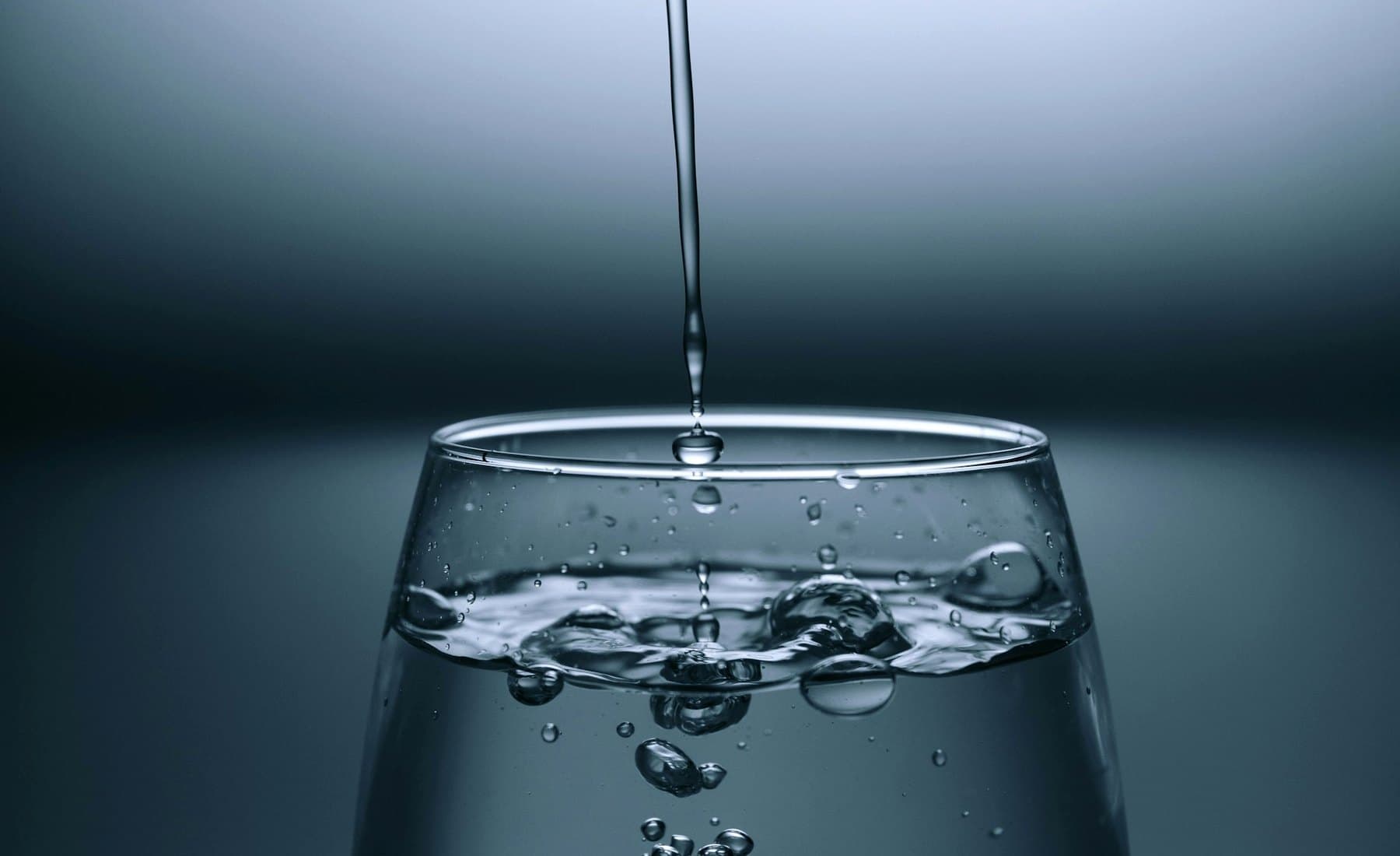
Hardness 14.9 ppm in the 2025 CCR — soft by the report's own 60 ppm line — with chloramine as the residual.
The short answer
Suffolk drinks from a multi-source city portfolio — Lone Star Lakes, Norfolk's Western Branch Reservoir, Crumps Mill Pond, groundwater wells — plus 2.54 million gallons per day purchased from Portsmouth.
The 2025 CCR (2024 data) lists hardness at 14.9 ppm (soft below 60 per the report), a chloramine residual averaging 3.05 ppm, fluoride of 0.90 mg/L at the House plant, and UCMR5 PFAS results printed as non-detect for the compounds in that table. Confirm the utility on the bill before buying equipment for a different CCR.
Get a free test
Tell us your Suffolk address. We confirm coverage first, then schedule a licensed technician to test at your tap — no charge, no obligation.
What filtration does — and does not
Softening, carbon and reverse osmosis solve different problems. Suffolk's report is mostly a chloramine-and-soft-water story, not a hardness purchase order.
Where Suffolk water comes from
City sources plus a long-standing Portsmouth purchase — not the same plant story as Chesapeake or Norfolk alone.
Lone Star Lakes, Western Branch, Crumps Mill Pond
The 2025 CCR lists surface sources including the City's Lone Star Lakes, Norfolk's Western Branch Reservoir, and Crumps Mill Pond, plus three groundwater well sources. That mix is why Suffolk is not a single-reservoir story.
2.54 million gallons a day from Portsmouth
Suffolk and Portsmouth maintain a 1997 agreement for Portsmouth to supply 2.54 million gallons per day. Portsmouth operates the Lake Kilby Water Treatment Plant in downtown Suffolk. Purchased water supplements Suffolk's own sources — it is not the whole city.
G. Robert House, Jr. Water Treatment Facility
The report's fluoride figure for 2024 — 0.90 mg/L with a range of 0.79–1.71 — is tied to water produced by the G. Robert House, Jr. facility, within state and federal requirements.
Chloramine, not free chlorine alone
Suffolk's disinfection process adds ammonia to chlorinated water to form chloramines. The CCR warns that kidney dialysis patients and owners of fish tanks need special care removing chloramines. Carbon filters sold for "chlorine" are not automatically rated for chloramine.
What the 2025 Suffolk CCR actually says
Limits are fixed. The results next to them are from the City of Suffolk Consumer Confidence Report 2025 (2024 data) — system-level figures, not a reading at your tap. A later report supersedes them.
Hardness — about 15 ppm, classified soft in the report
The secondary table lists hardness at 14.9 ppm for 2024 and notes water is considered soft below 60 ppm. Scale on fixtures is not Suffolk's headline complaint the way it is in hard West Valley cities.
Chloramines — average 3.05 ppm residual
Chloramines are listed with an average detected level of 3.05 ppm and a range of 0.03–4.70 against an MRDL of 4.0. That residual is why aquarium and dialysis guidance appears in the CCR.
Fluoride — 0.90 mg/L at the House plant
Fluoride at the G. Robert House, Jr. facility is listed at 0.90 mg/L (0.79–1.71) against an MCL of 4.0. The report separately warns that some Hampton Roads deep wells can carry naturally higher fluoride; the House plant figure is the one printed for that facility's 2024 production.
PFAS — UCMR5 non-detect in December 2024 testing
Suffolk began UCMR5 testing in December 2024. The report's UCMR5 table lists PFOA, PFOS, HFPO-DA, PFHxS, PFNA, PFBS and lithium as ND for the 2024 results shown. The city also notes UCMR3 (2013–2014) found no detected PFAS and that preliminary testing ahead of scheduled sampling found no detected levels in treated drinking water.
Lead and copper — 2022 below action levels; 2025 testing underway
Community samples collected in 2022 were well below lead and copper action levels. The CCR states Suffolk's next round of testing was in process for summer 2025. An initial service line inventory was prepared in October 2024 at suffolkserviceline.com.
Barium, sodium, TDS
Barium is listed at 0.01 ppm against an MCL of 2. Sodium appears at 44.7 ppm in the secondary table. These are context, not Suffolk's purchase drivers.
Why Suffolk is not Chesapeake with a different ZIP
Hampton Roads cities share rivers and purchase agreements and do not share one CCR. Chesapeake and Norfolk publish their own reports. Newport News Waterworks is a different regional utility again. Suffolk's differentiator is the multi-source city portfolio plus the Portsmouth purchase — and a soft, chloraminated finished-water story in the 2025 CCR.
Where these figures come from
Everything on this page traces to primary sources. Independent compilations of water quality data exist and are not used here.
- City of Suffolk — Consumer Confidence Report 2025 (PDF) — 2024 monitoring; sources, chloramines, hardness, fluoride, UCMR5, lead/copper.
- City of Suffolk — Water Quality — city landing page and lab contact.
- EPA — PFAS National Primary Drinking Water Regulation — 4.0 ppt MCLs for PFOA and PFOS.
Matching treatment to the finding
Suffolk's report supports a chloramine-aware carbon conversation — not a desert-style softener default.
Chloramine-rated carbon if taste is the complaint
Standard "chlorine" pitcher filters often underperform on chloramine. Look for certifications that name chloramine reduction when taste or odor is the issue.
Soft water: skip the softener sales pitch
At roughly 15 ppm hardness, a softener is rarely the first tool. Households chasing scale may be solving a different problem — or shopping the wrong CCR.
PFAS: no purchase forced by this report's UCMR5 ND results
Non-detect in the published UCMR5 table is not a reason to buy a PFAS filter on speculation. If a household still wants a margin, NSF/ANSI 53 or 58 listings that name PFOA and PFOS reduction are the check.
Confirm City of Suffolk vs Portsmouth-purchased zones
Purchased Portsmouth water supplements Suffolk sources. Neighbor pages for Chesapeake and Norfolk are different utilities. Confirm the bill before treating a regional average as your tap.
How the free test works
A licensed technician tests at your kitchen tap, walks the plumbing, and tells you which of the findings above applies to your house and which does not. There is no charge and no obligation.
Seamless Home is the licensed contractor of record on the work that follows. Installation is performed by vetted installing partners engaged as our subcontractors, and the workmanship obligation stays with us. Coverage is confirmed per service area rather than promised as blanket availability.
A softener or RO unit needs a legal drain connection — where a water softener is allowed to discharge sets out the indirect-waste rule that decides where it goes.
What a water treatment job with us covers
Installation and replacement of whole-home and point-of-use treatment, specified against what your water actually contains.
Sediment filtration
Installation of the first stage that protects everything downstream of it, sized to the service line and the household draw.
Softening
Installation of ion-exchange softening where hardness is the problem, including the drain connection the plumbing code treats as indirect waste.
Carbon filtration
Installation of carbon stages for taste, odour and disinfection by-products, specified from your utility's own water quality report.
Reverse osmosis
Point-of-use installation at the kitchen sink where the target is dissolved solids rather than whole-home flow.
Disinfection
Installation of UV or equivalent treatment where the supply is a private well or is otherwise not continuously disinfected.
System replacement
Replacing equipment that has reached the end of its service life, including the discharge and air gap details an inspector looks at.
This is installation and replacement work, specified from a published water quality report or a test of your supply — not from a sales chart. Coverage is confirmed per service area rather than promised as blanket availability.
What the work actually looks like
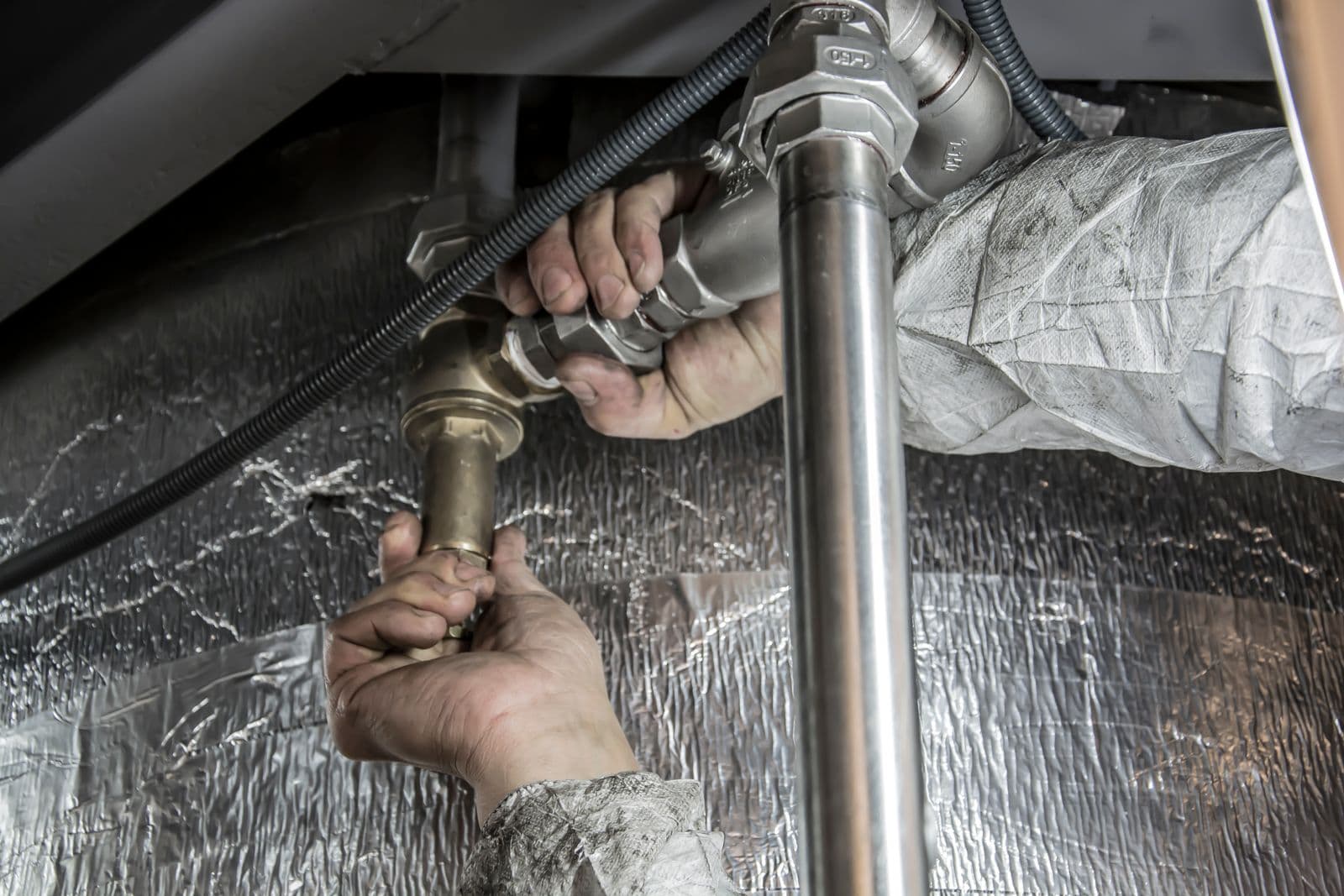
Treatment equipment is plumbing. Most of the job is the connection, the drain and the code detail behind it.


Suffolk water, answered plainly
Who provides Suffolk drinking water?+
The City of Suffolk Department of Public Utilities. The 2025 Consumer Confidence Report covers the main Suffolk system and notes a long-standing purchase of 2.54 million gallons per day from the City of Portsmouth. Confirm your bill before treating any Hampton Roads average as your tap.
Is Suffolk water hard?+
The 2025 CCR lists hardness at 14.9 ppm for 2024 and states water is considered soft below 60 ppm. That is a soft-water profile compared with hard desert systems — not a softener default.
Does Suffolk use chloramine?+
Yes. The report describes disinfection by adding ammonia to chlorinated water to form chloramines, with a 2024 average residual of 3.05 ppm. Dialysis patients and aquarium owners should follow the CCR's removal guidance.
Is there PFAS in Suffolk water?+
The city's 2025 CCR reports UCMR5 results from December 2024 testing as non-detect for the PFAS compounds listed in that table, and notes prior UCMR3 and preliminary treated-water testing also found no detected PFAS. A later report or sampling round can change that picture.
Where do these figures come from?+
The City of Suffolk Consumer Confidence Report 2025 (water-quality data from 2024), available from the city's Document Center. Independent water-quality aggregators are not the source used here. A later report supersedes these figures.
Related resources
Home water purification and treatment
The national service page behind this one.
Learn more →Portsmouth water quality
The Lake Kilby plant behind Suffolk's purchased supply.
Learn more →Chesapeake water quality
Neighbouring Southside CCR — different utility.
Learn more →Norfolk water quality
Neighbouring municipal system figures.
Learn more →Newport News water quality
Lower Peninsula Waterworks — PFAS finished-water story.
Learn more →Where a water softener can discharge
Indirect-waste rules for treatment drain lines.
Learn more →All home services
Water, battery, HVAC and solar under one licensed contractor of record.
Learn more →Get a free test at your tap
A licensed technician tests at your kitchen tap and tells you which of the findings above applies to your house — chloramine taste, softness, disinfection byproducts or none of them. No charge, no obligation, and coverage confirmed at your address first.
Get a free test