Quincy, Massachusetts
Home Battery Backup in Quincy
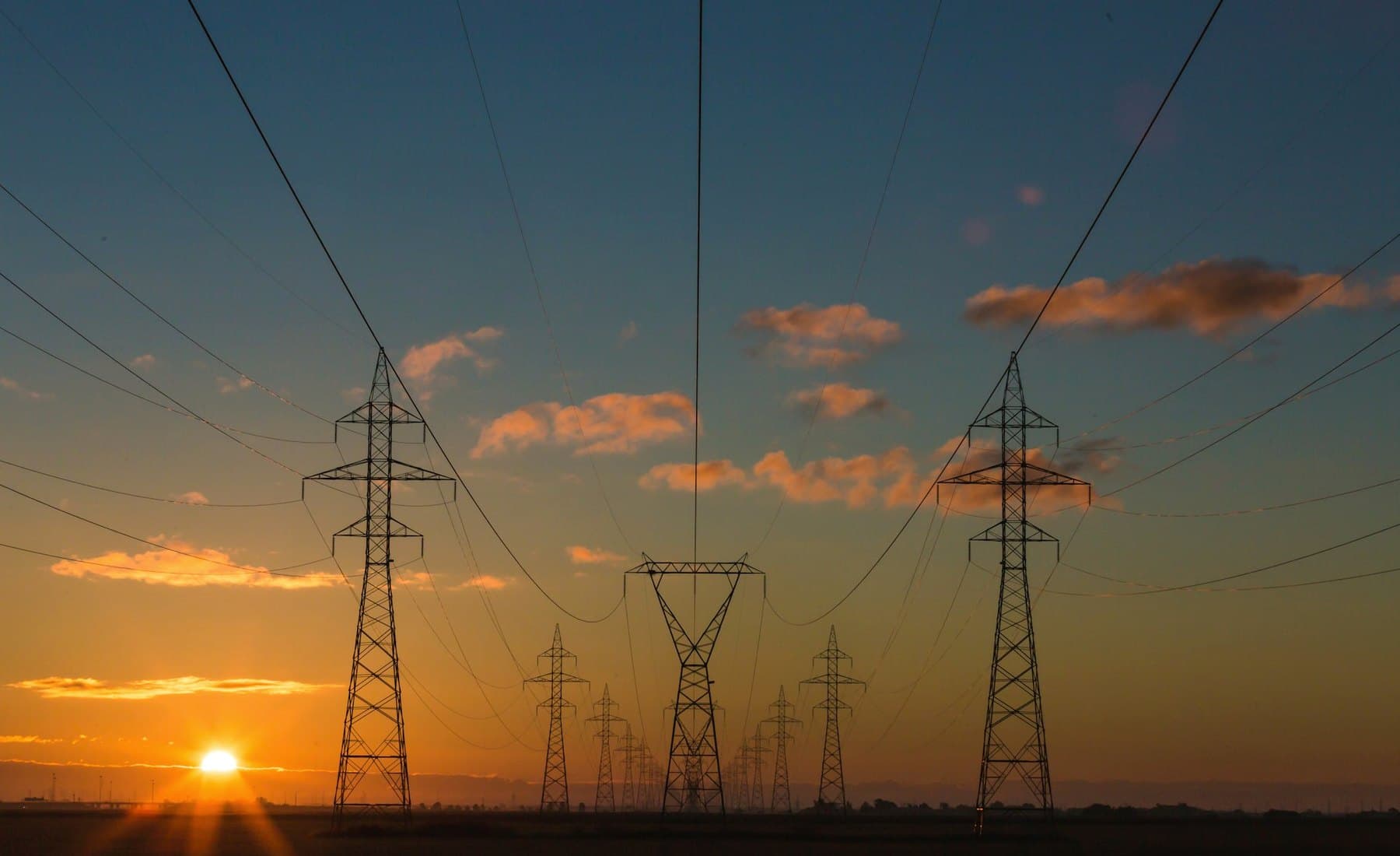
Quincy has two delivery utilities. Quincy Community Electricity sets the supply price; National Grid or Eversource — depending on your account — delivers it, restores it and enrolls a battery in Mass Save's summer program.
Quincy Standard supply: 13.804¢ per kWh, fixed to December 2027 meter reads. Delivery and outages stay with National Grid or Eversource.
The short answer
Quincy homes are on either National Grid or Eversource. The City's Quincy Community Electricity program sets supply at 13.804¢ per kWh (Quincy Standard) through December 2027 meter reads — but the utility still delivers the power, bills you and repairs outages.
So backup is planned around whichever utility is on your bill. Both offer Mass Save's ConnectedSolutions, which pays $275 per kW of a battery's average contribution in summer events. We read your bill first, then size to a critical load panel.
Find out what a battery would run in your house
Tell us your Quincy address, how the house is heated and whether you already have solar. We confirm coverage first, then size to a critical load panel — and handle the interconnection paperwork rather than leaving it with you.
Three things that are specific to here
Who delivers your power, who supplies it, and what changes in winter.
Two utilities, one city
The City's program site states that Quincy Community Electricity does not replace Eversource or National Grid as Quincy's electric utilities: they continue to deliver electricity, repair outages and manage billing. Which one serves your street is on your bill — and it decides who handles the battery's interconnection.
Supply fixed to December 2027
Quincy Standard, the community default, is 13.804¢ per kWh; Quincy Basic is 13.394¢ and Quincy Premium (100% renewable) 14.737¢. The contract runs 42 months, June 2024 to December 2027 meter reads, with Dynegy as supplier. The City says savings against Basic Service cannot be guaranteed.
A winter delivery discount for heat pumps
Since November 2025, most customers with qualifying heat pumps get a heat pump delivery rate from National Grid or Eversource, applied November 1 to April 30. It lowers delivery, not supply — and it means more Quincy homes heat with electricity in exactly the season outages matter.
What a Quincy battery actually does
Winter decides the critical-load list. The summer program decides what the battery does on a July afternoon.
Heat-pump homes need a bigger backup conversation
A house that heats with a heat pump loses its heat when the grid goes down. Whether the heat pump, or just its controls and an air handler, goes on the backed-up panel is the biggest single sizing decision — and it is made from the equipment's nameplate, not a rule of thumb.
Where a Quincy battery can earn
Mass Save lists $275 per kW of average contribution during ConnectedSolutions summer events: no more than 60 a summer, up to three hours each, 3–8 p.m. on non-holidays, June 1 to September 30. It is available to National Grid and Eversource customers alike.
No time-of-day supply price to chase
All three Quincy Community Electricity products are a single price per kWh. Shifting usage with a battery does not change the supply rate under it, so in Quincy the value is backup plus the summer program, not rate arbitrage.
The aggregation plan is being revised
The City held a 30-day public review of its revised aggregation plan through October 8, 2026, to align with DPU rules issued in July 2024. Current product prices are as listed through the contract term; we will update this page if the program changes.
Supply, delivery and the battery
Nearby, Newton covers a single-utility city (Eversource) under its own aggregation, Boston covers Eversource's urban panels and harbour storms, and Lowell covers the ConnectedSolutions season on National Grid. Quincy's drinking water is MWRA water delivered through the City's own mains — the Quincy water quality page covers what its 2025 report says. A battery on either utility's grid is its own interconnection — adding a battery to an existing array is a separate application — and the state licenses Seamless Home works under are on the licenses page.
Where these facts come from
- Quincy Community Electricity (City of Quincy program site) — the three supply products and prices, the 42-month term, both utilities' continuing role, the revised plan review and the heat pump delivery rate.
- Quincy Community Electricity — How it works — automatic enrollment, opting out, and what the utilities still do.
- Mass Save — Battery Storage (ConnectedSolutions) — the per-kW incentive, event limits and hours, and eligibility.
What a home battery job with us covers
Installation of storage and the backup circuits behind it, with the siting and utility paperwork handled.
Battery installation
Wall or floor-mounted storage installed to the listing and to the residential code sections that govern where it may go.
Backup and critical load panel
Deciding and wiring which circuits stay live, and which must never be on backup — the choice that defines what an outage feels like.
Integration with existing PV solar
Connecting storage to an array that is already on the roof, including whether the existing inverter supports it.
Transfer switch and disconnection
The equipment that separates the house from the grid during an outage, which is what makes backup legal as well as possible.
Siting to code
Location, clearances, separation and impact protection assessed against the adopted code before anything is mounted.
Permit, inspection and utility approval
The electrical permit, the inspection, and the utility's own approval step where storage touches the service.
This is installation work. No runtime, capacity or incentive figure is quoted before your loads and your utility are confirmed. Coverage is confirmed per service area rather than promised as blanket availability.
What the work actually looks like
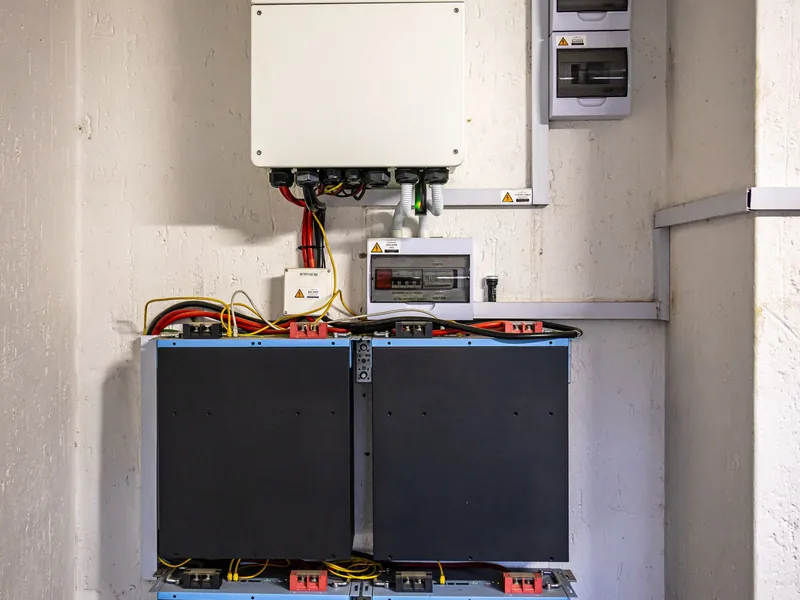
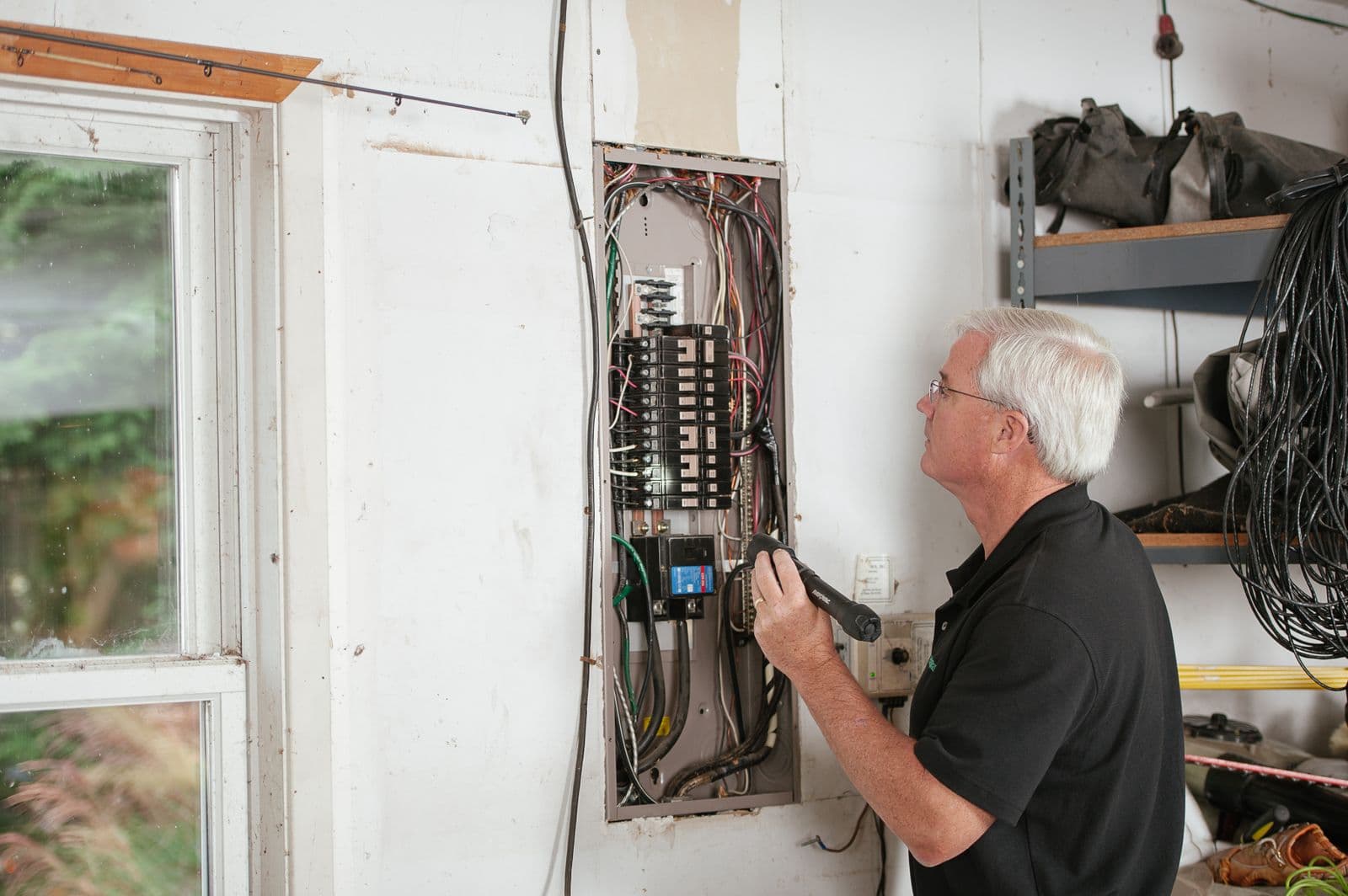
A battery job is an electrical job. The panel, the circuits and the disconnection are most of it.

Battery backup in Quincy, answered plainly
Who is the electric utility in Quincy?+
Either National Grid or Eversource, depending on the account — the City's aggregation site names both as Quincy's electric utilities. Your bill shows which one. That utility delivers the power, repairs outages and handles a battery's interconnection.
What is Quincy Community Electricity?+
The City's municipal aggregation program. Eligible customers on utility Basic Service are automatically enrolled in Quincy Standard at 13.804¢ per kWh unless they opt out, and can leave at any time without penalty. The current contract runs through December 2027 meter reads.
Does the aggregation change how a battery is paid?+
No. ConnectedSolutions is a Mass Save program run through National Grid and Eversource, so enrollment goes through your utility account and battery manufacturer, not the supplier. Mass Save lists $275 per kW of average summer-event contribution; what a battery earns depends on what it delivers, so we do not quote an annual figure.
I have a heat pump. Does that change the battery?+
It changes the sizing conversation. A heat pump is a large load, and in an outage it is either on the backed-up panel or it is not. We size from the equipment nameplate and your priorities. The winter heat pump delivery rate the utilities apply November 1 to April 30 does not affect the battery's eligibility for ConnectedSolutions.
Why does my solar shut off during an outage?+
A grid-tied inverter is required to disconnect when it loses the utility, so it is not energising lines crews believe are dead. That is anti-islanding, a safety requirement. Powering the house in an outage takes a battery and a transfer switch or backup interface.
Who installs it, and who is responsible afterwards?+
Seamless Home is the licensed contractor of record on the work it runs. Installation is performed by vetted installing partners engaged as our subcontractors, so the permit, the inspection and any correction notice carry one name. Coverage is confirmed per service area rather than promised as blanket availability.
Related resources
Home battery backup in Fall River, MA
National Grid delivery under a supply price locked to 2028.
Learn more →Home battery backup in Brockton, MA
An aggregation plan still before the DPU.
Learn more →Home battery backup installation
The national service page: essential-circuit, whole-home and managed-load backup compared.
Learn more →Home battery backup in Newton, MA
Eversource delivery under Newton Power Choice.
Learn more →Home battery backup in Boston, MA
Eversource's urban territory and harbour storms.
Learn more →Home battery backup in Lowell, MA
The ConnectedSolutions season on National Grid.
Learn more →Quincy water quality
MWRA water, Quincy's mains and its 2025 report.
Learn more →All home services
Battery backup, water treatment, HVAC and solar under one licensed contractor of record.
Learn more →Find out what a battery would actually run in your house
A panel-level look at your service, your utility, your heating system and the circuits you want kept up through a nor'easter — at no cost, and with no savings, runtime or incentive total promised before anyone has seen the house.
Get a Free Estimate