Providence, Rhode Island
Home Battery Backup in Providence, RI
Rhode Island Energy pays $225 per kW each summer for batteries that help at peak, and its winter supply rate jumped to 17.029¢. February's blizzard showed why the same battery matters in January.
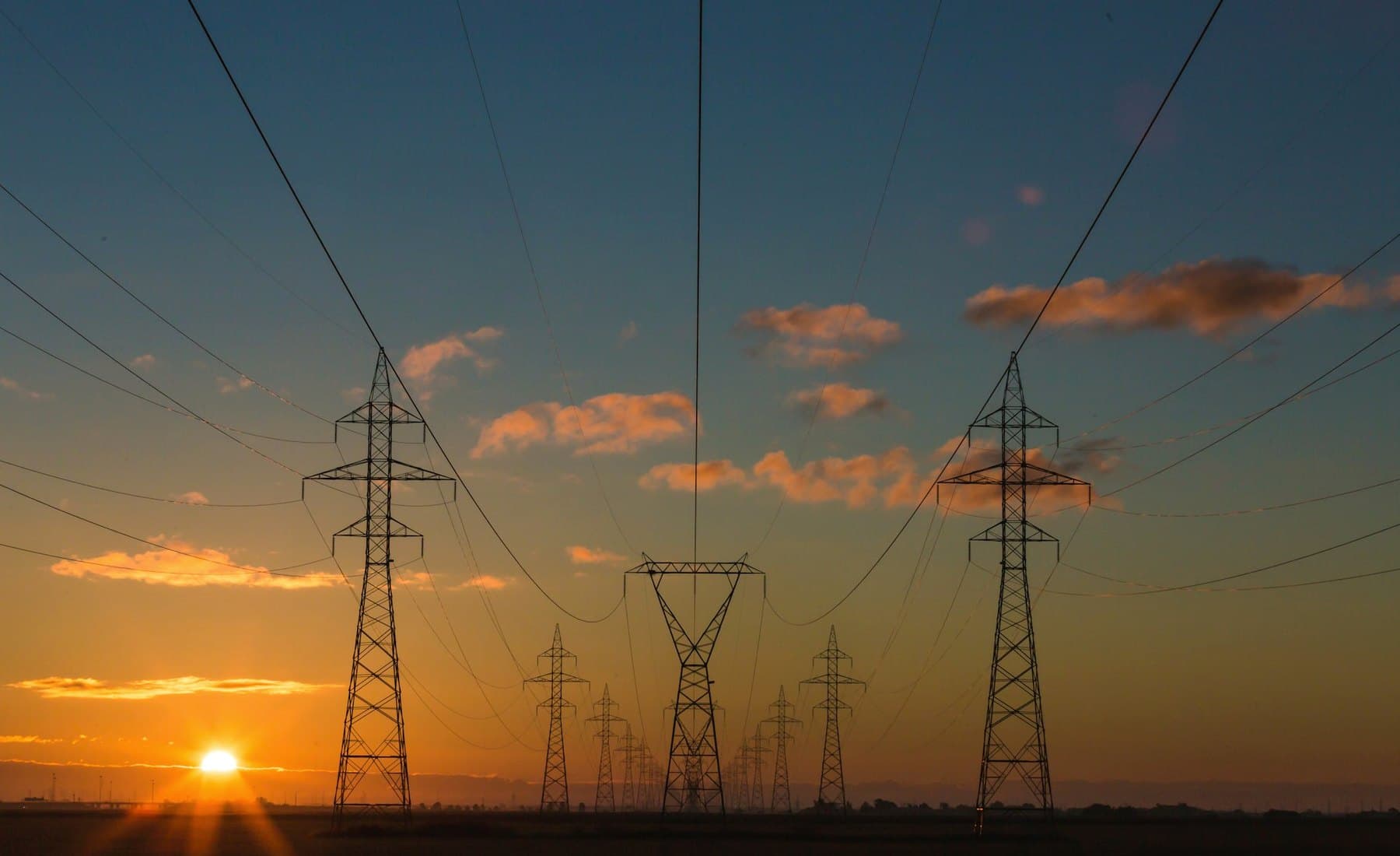
RI Energy supply (Oct 2026–Mar 2027): 17.029¢/kWh · ConnectedSolutions: $225 per avg kW, 5-summer lock · Feb 24, 2026: ~21,156 out.
The short answer
Providence homes are served by Rhode Island Energy. Its residential Last Resort Service supply rate is 17.029¢ per kWh for October 2026 through March 2027, up from 11.092¢ over the summer. Its ConnectedSolutions Battery Program pays $225 per average kW delivered during summer peak events, locked for five summers.
Outages here are mostly a winter problem. During the February 2026 blizzard, about 21,156 Rhode Island Energy customers were still without power on the morning of February 24. A battery that earns in summer can stay full for that.
Get a Free Estimate
Tell us your Providence address, whether you have solar and what must stay on in an outage. We confirm coverage before anyone sizes a battery.
Rhode Island Energy rates, incentives and outages
From the Rhode Island PUC's Last Resort Service table, Rhode Island Energy's Battery Program page and NBC 10's February 2026 storm coverage.
Winter supply: 17.029¢ per kWh
The Rhode Island PUC's Last Resort Service table lists Rhode Island Energy's residential supply rate at 17.029¢ per kWh for October 2026 through March 2027, up from 11.092¢ for April through September 2026. That is supply only; delivery charges and taxes are separate.
ConnectedSolutions: $225 per kW each summer
Rhode Island Energy's Battery Program pays $225 per average kW a battery delivers during summer peak events, capped at $6,875 a year, with the rate locked for the first five summers. Events run June to September between 3 and 8 p.m., last two or three hours, and number no more than 60 a summer.
February 2026 blizzard
During the February 22–24, 2026 blizzard, Rhode Island Energy had warned of 100,000 to 150,000 outages and a multi-day restoration. About 21,156 customers were still out at 7 a.m. on Tuesday, February 24, mostly in Washington and Providence counties, NBC 10 reported.
Where a battery fits in Providence
The summer program pays; the winter storm season is what the backup is for.
Summer pays, winter protects
Rhode Island Energy notes that most New England outages happen in winter, while ConnectedSolutions events happen in summer. That split lets a battery earn in summer and stay fully charged for a winter storm.
Solar charging is required to enroll
To take part in ConnectedSolutions, the battery has to charge from on-site renewable energy such as solar, not from the grid. A standalone battery can enroll, but its discharge is limited to what the home uses during an event, which can lower earnings.
Adding a battery to existing solar
Rhode Island Energy says adding storage to an existing solar system means updating the solar interconnection agreement, and that storage cannot easily be added to every installation. We check the inverter and the agreement before quoting.
What to back up in a blizzard
Heat is the problem in a winter outage. A gas or oil boiler or furnace still needs electricity for its burner controls and circulator or blower; those circuits, plus refrigeration, a sump pump and medical equipment, make up the usual backup list.
Providence next to Massachusetts
Across the state line, Fall River and New Bedford run ConnectedSolutions under Massachusetts rules and different supply programs. Boston is the nearest large metro on this site with its own utility territory and outage history.
If you are adding storage to panels you already have, read whether adding a battery needs a new interconnection application before you sign anything.
Where these figures come from
Supply rates trace to the Rhode Island Public Utilities Commission's Last Resort Service table. Program terms trace to Rhode Island Energy's Battery Program page. Storm figures trace to NBC 10, updated February 24, 2026.
- Rhode Island PUC — Rhode Island Energy Last Resort Service — residential rates by month, including October 2026–March 2027.
- Rhode Island Energy — ConnectedSolutions Battery Program — $225 per kW, $6,875 cap, event season and hours, eligibility.
- NBC 10 — February 22–24, 2026 — Rhode Island Energy outage counts and restoration warning.
What a home battery job with us covers
Installation of storage and the backup circuits behind it, with the siting and utility paperwork handled.
Battery installation
Wall or floor-mounted storage installed to the listing and to the residential code sections that govern where it may go.
Backup and critical load panel
Deciding and wiring which circuits stay live, and which must never be on backup — the choice that defines what an outage feels like.
Integration with existing PV solar
Connecting storage to an array that is already on the roof, including whether the existing inverter supports it.
Transfer switch and disconnection
The equipment that separates the house from the grid during an outage, which is what makes backup legal as well as possible.
Siting to code
Location, clearances, separation and impact protection assessed against the adopted code before anything is mounted.
Permit, inspection and utility approval
The electrical permit, the inspection, and the utility's own approval step where storage touches the service.
This is installation work. No runtime, capacity or incentive figure is quoted before your loads and your utility are confirmed. Coverage is confirmed per service area rather than promised as blanket availability.
What the work actually looks like
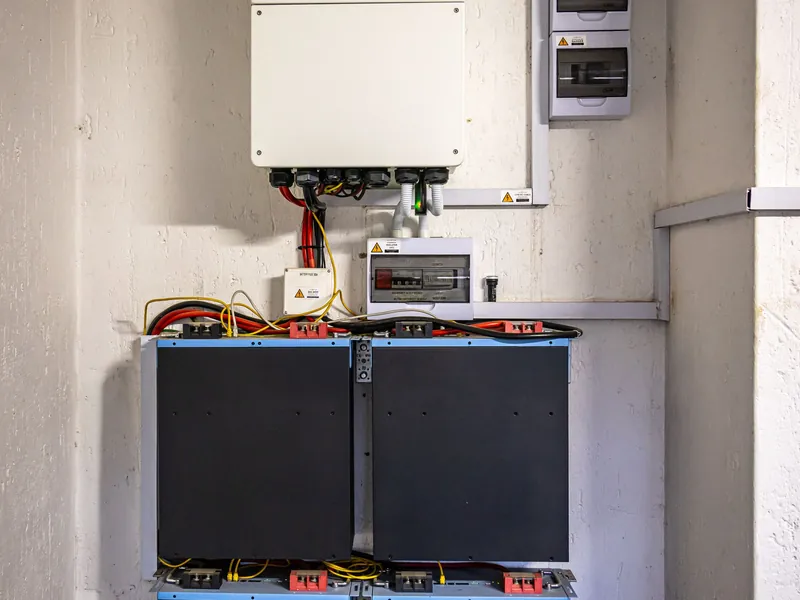
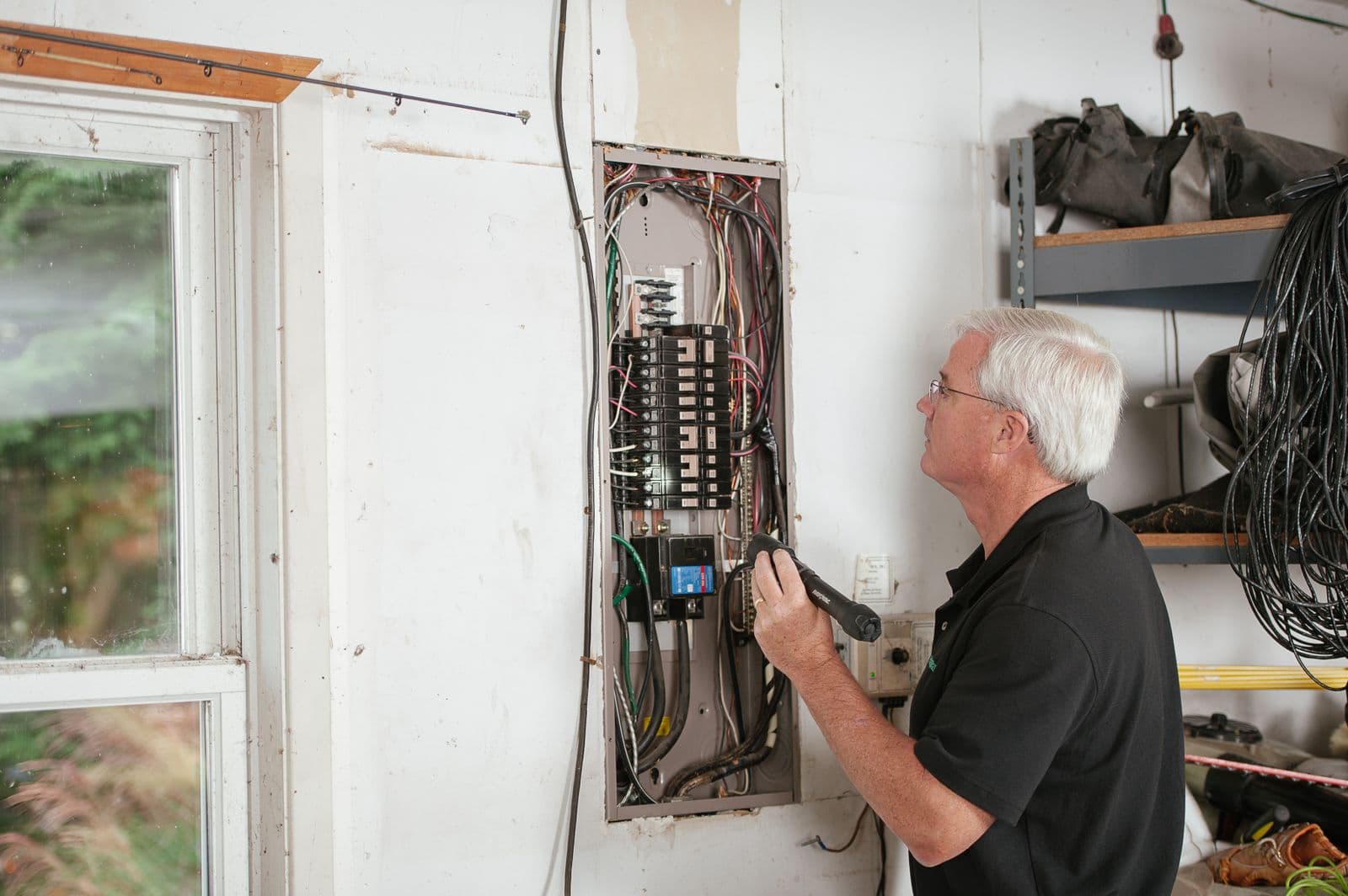
A battery job is an electrical job. The panel, the circuits and the disconnection are most of it.

Battery backup in Providence, answered plainly
Who is the electric utility in Providence?+
Rhode Island Energy delivers electricity in Providence. You can buy supply from Rhode Island Energy's Last Resort Service, from the city's community electricity program or from a competitive supplier; Rhode Island Energy handles delivery and outage restoration either way.
What is Rhode Island Energy's residential supply rate this winter?+
The Rhode Island PUC lists the residential Last Resort Service rate at 17.029¢ per kWh for October 2026 through March 2027. It was 11.092¢ for April through September 2026. The PUC says residential rates are adjusted at six-month intervals, so the next change is due April 1.
How much does ConnectedSolutions pay for a battery in Rhode Island?+
$225 per average kW of performance each summer, capped at $6,875 a year, with the rate locked for your first five summers. Earnings depend on how much power your battery delivers during events.
Can I still use my battery in an outage if I join ConnectedSolutions?+
Yes. Events happen in summer, between 3 and 8 p.m., and you can opt out of any event. Rhode Island Energy notes most New England outages happen in winter, when the battery can stay fully charged.
Do solar panels keep my power on in an outage?+
Not on their own. Grid-tied inverters shut down when the grid is down. A battery and an isolating transfer device are what let solar keep chosen circuits running.
Who installs it, and who is responsible afterwards?+
Seamless Home is the licensed contractor of record on the work it runs. Installation is performed by vetted installing partners engaged as our subcontractors, so the permit, the inspection and any correction notice carry one name. Coverage is confirmed per service area rather than promised as blanket availability.
Related resources
Home battery backup
The national service page behind this one.
Learn more →Home battery backup in Fall River
ConnectedSolutions on the Massachusetts side.
Learn more →Home battery backup in Boston
The nearest large metro.
Learn more →Critical load panel planner
Pick the circuits a battery should carry.
Learn more →All home services
Water, battery, HVAC and solar under one licensed contractor of record.
Learn more →Get a free estimate for Providence
Tell us your address, whether you have solar, whether you want to enroll in ConnectedSolutions and which circuits must stay on in a winter outage. We confirm coverage first — no charge to talk, no obligation.
Get a Free Estimate