Maricopa, Arizona
Home Battery Backup in Maricopa
The City of Maricopa runs on Electrical District No. 3 — not APS, not SRP. ED3's rules count a battery as distributed generation, require an application even for equipment that never connects to the grid, and take 30 applications a month.
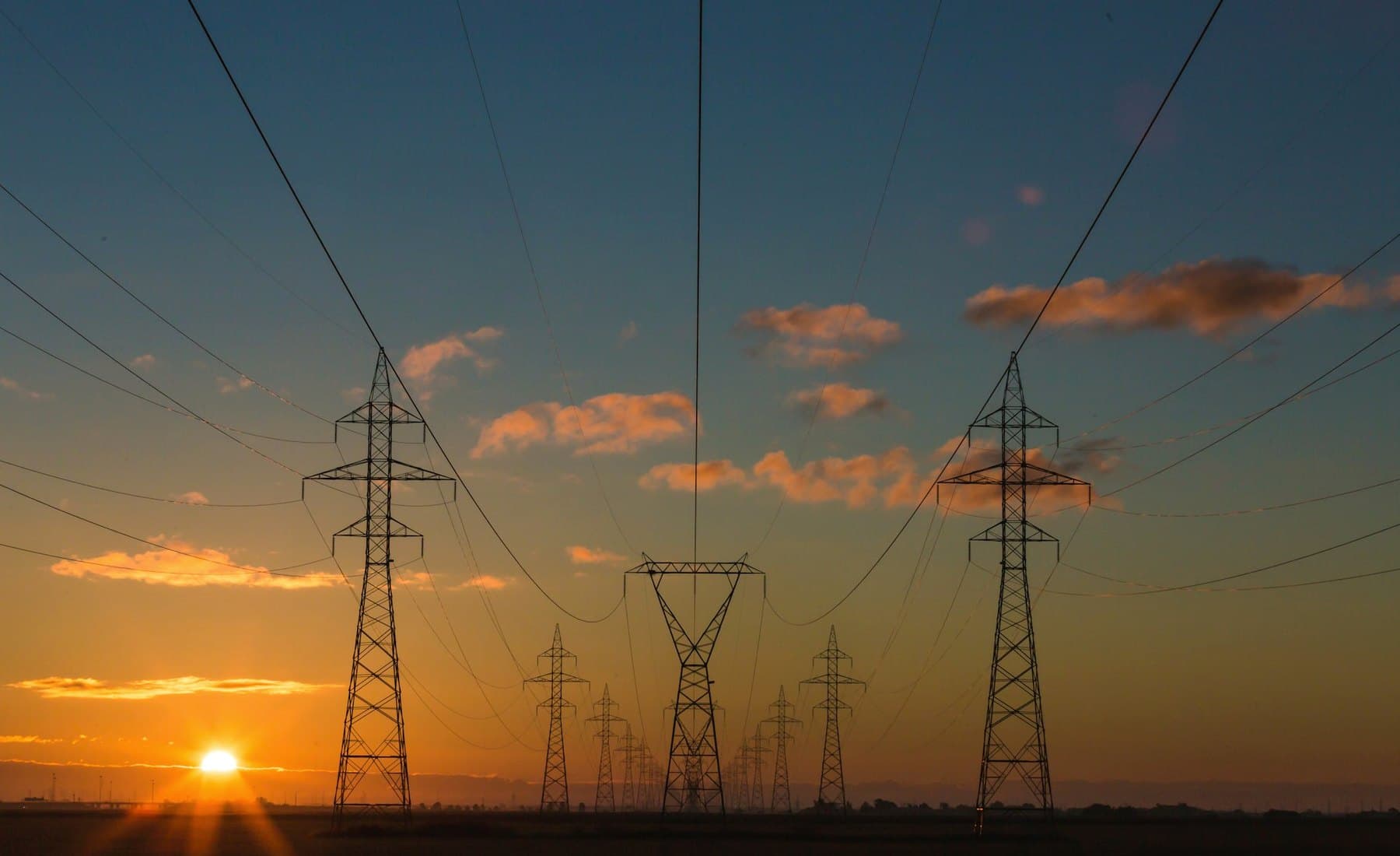
ED3, not APS/SRP · storage counts as DG · ≤10 kW AC residential path · 30 applications/month.
The short answer
The City of Maricopa is served by Electrical District No. 3 (ED3), which says it serves the City of Maricopa and the Town of Stanfield. APS and SRP programs on this site do not apply.
ED3 defines a distributed-generation system as any power source with or without energy storage, whether or not interconnected, and requires its DG application for any generator. The standard residential path covers certified inverter systems up to 10 kW AC, and ED3 takes 30 applications a month. DG customers are not currently eligible for ED3's Time of Use plan.
Get a Free Estimate
Tell us your Maricopa address and what must stay on in an outage. We confirm ED3 service and where an application would land in the queue before anyone sizes a battery.
Why Maricopa is different from other Arizona battery pages
Every other Arizona battery page here is APS or SRP. Maricopa is a power district with its own rulebook.
ED3, not APS or SRP
Electrical District No. 3 states it serves the City of Maricopa and the Town of Stanfield, with offices on W. Smith Enke Rd. and W. Louis Johnson Drive in Maricopa.
A battery counts as distributed generation
ED3's DG page defines a DG system as all distributed energy resources 'with or without energy storage, whether or not interconnected' — and requires its application for a generator of any kind.
30 applications a month
ED3 limits DG applications to 30 per month, first-come, first-served; extras roll to the next month, and queued applications are subject to program revisions.
What a Maricopa battery actually has to do
Paperwork first, then a design that works without the grid.
Residential path up to 10 kW AC
Certified, inverter-based residential systems up to 10 kW AC are reviewed under ED3's Guidelines for Customer Owned DG. Larger systems go through the Small Generator Interconnection Policy.
Solar customers lose TOU eligibility
ED3's programs page says DG customers, including solar, are not eligible at this time for Time of Use or Pre-Paid Metering. That changes how a battery is scheduled compared with an APS or SRP home.
Possible engineering analysis
ED3 says some interconnections need a System Engineering Analysis, with the cost borne by the customer. We ask before quoting a timeline.
Summer heat is the design case
ED3's TOU calendar names July and August 'Super Summer'. Whatever the bill plan, a backup design has to carry cooling-season critical loads through an outage.
Maricopa next to Casa Grande, Goodyear and Chandler
Casa Grande is the nearest Pinal County page on this site (water). Goodyear and Avondale cover APS Storage Rewards and APS time-of-use cents; Chandler covers SRP's summer peak. None of those programs applies on ED3.
Where these figures come from
Everything on this page traces to Electrical District No. 3.
- ED3 — Service Area — serving the City of Maricopa and the Town of Stanfield.
- ED3 — Distributed Generation Resources, Including Solar — DG definition including storage, application requirement, 10 kW AC residential path, Rider 8B, 30-per-month queue and engineering analysis.
- ED3 — Programs — Time of Use periods (2–9 p.m. weekdays; Summer, Super Summer, Winter) and DG customers' ineligibility for TOU and Pre-Paid Metering.
What a home battery job with us covers
Installation of storage and the backup circuits behind it, with the siting and utility paperwork handled.
Battery installation
Wall or floor-mounted storage installed to the listing and to the residential code sections that govern where it may go.
Backup and critical load panel
Deciding and wiring which circuits stay live, and which must never be on backup — the choice that defines what an outage feels like.
Integration with existing PV solar
Connecting storage to an array that is already on the roof, including whether the existing inverter supports it.
Transfer switch and disconnection
The equipment that separates the house from the grid during an outage, which is what makes backup legal as well as possible.
Siting to code
Location, clearances, separation and impact protection assessed against the adopted code before anything is mounted.
Permit, inspection and utility approval
The electrical permit, the inspection, and the utility's own approval step where storage touches the service.
This is installation work. No runtime, capacity or incentive figure is quoted before your loads and your utility are confirmed. Coverage is confirmed per service area rather than promised as blanket availability.
What the work actually looks like
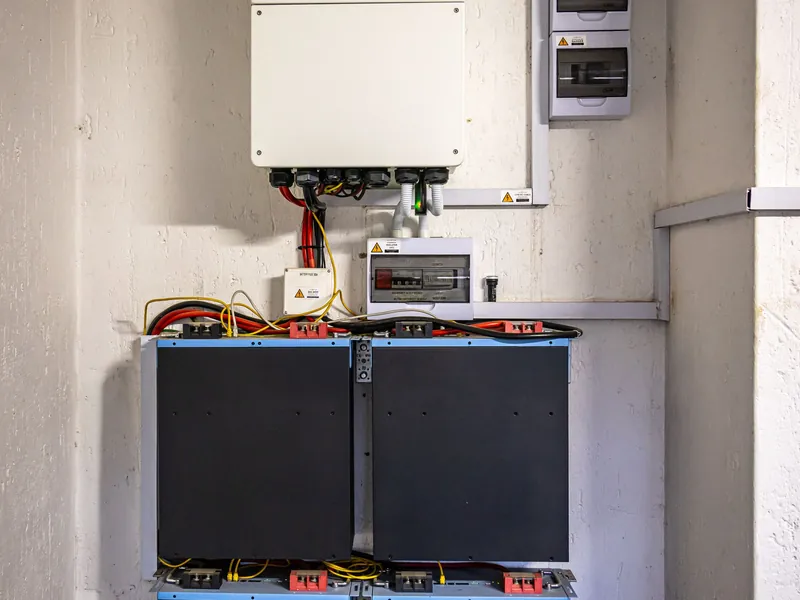
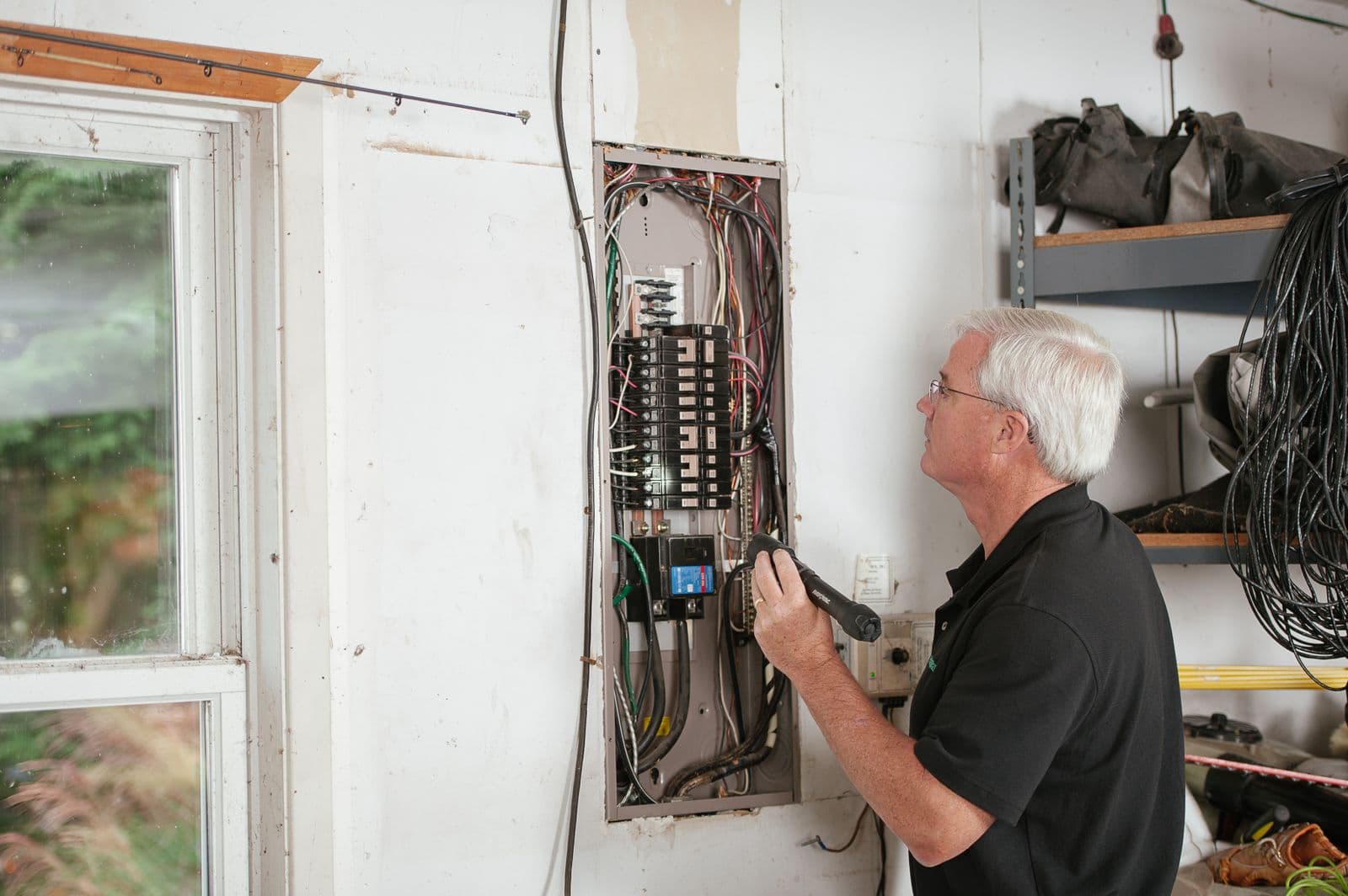
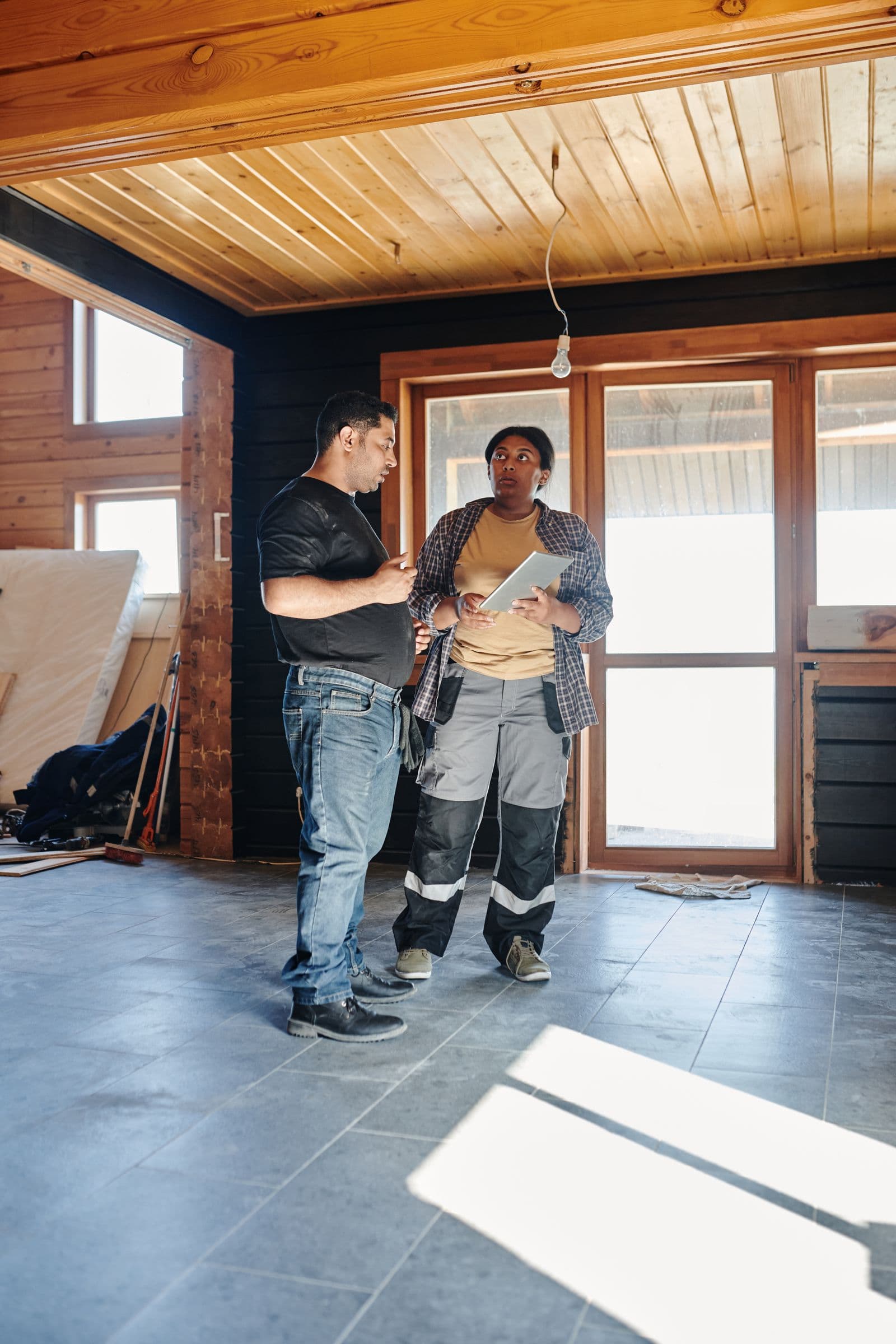
A battery job is an electrical job. The panel, the circuits and the disconnection are most of it.
Maricopa battery backup, answered plainly
Who is the electric utility in Maricopa, AZ?+
Electrical District No. 3 (ED3), which says it serves the City of Maricopa and the Town of Stanfield. It is not APS or SRP, so their battery programs do not apply.
Does ED3 need an application for a battery?+
ED3 defines distributed generation to include systems with or without energy storage, interconnected or not, and says anyone installing a generator of any kind must complete its Application for Customer Owned DG. We prepare and file it before installation.
How big can a residential system be?+
Certified inverter-based residential systems up to 10 kW AC follow ED3's standard Guidelines path; larger systems are reviewed under its Small Generator Interconnection Policy.
How long is the queue?+
ED3 accepts 30 DG applications per month, first-come, first-served; later applications roll to the following month. We check the queue before quoting a timeline.
Can I stay on Time of Use with solar and a battery?+
ED3's programs page says DG customers, including solar, are not eligible at this time for Time of Use or Pre-Paid Metering. We design around the plan you would actually be on.
Who installs it, and who is responsible afterwards?+
Seamless Home is the licensed contractor of record on the work it runs. Installation is performed by vetted installing partners engaged as our subcontractors. Coverage is confirmed per service area rather than promised as blanket availability.
Related resources
Home battery backup
The national service page behind this one.
Learn more →Goodyear battery backup
APS Storage Rewards $110/kW — an APS program, not ED3.
Learn more →Chandler battery backup
SRP E-27 summer peak — an SRP program, not ED3.
Learn more →Casa Grande water quality
The nearest Pinal County page on this site.
Learn more →All home services
Water, battery, HVAC and solar under one licensed contractor of record.
Learn more →Get a free battery estimate
Tell us your Maricopa address and what must stay on in an outage. We confirm ED3 service, handle the DG application, and size to a critical load panel — no obligation.
Get a Free Estimate