Lake Havasu City, Arizona
Home Battery Backup in Lake Havasu City
Lake Havasu City buys power from UNS Electric, not APS or SRP. UNS's R-Tech pilot charges for your highest on-peak hour — 3 to 7 p.m. on summer weekdays — and a battery helps you qualify, though not on its own.
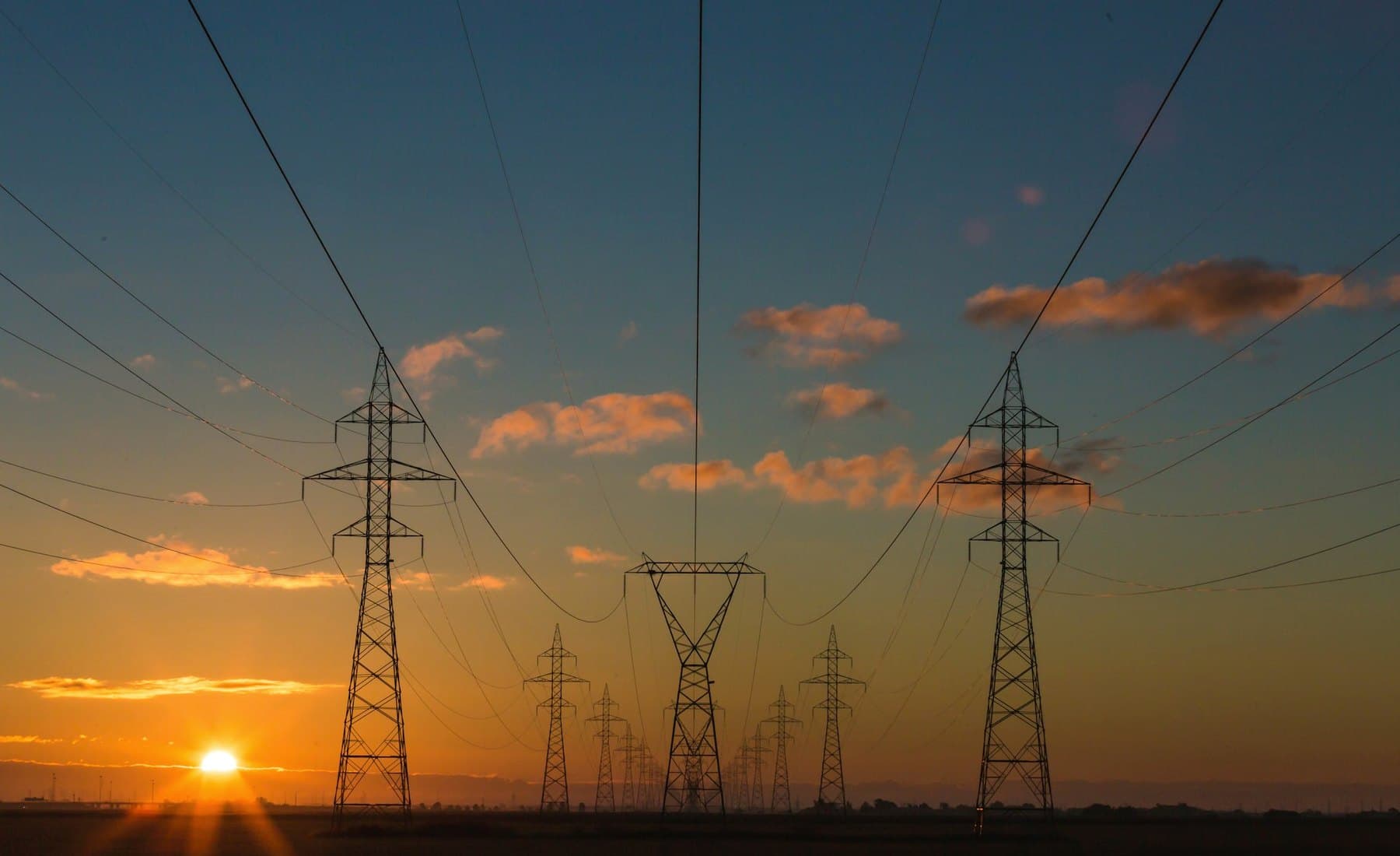
UNS Electric · R-Tech summer demand $11.16–$18.91/kW · on-peak 3–7 p.m. · RCP export 6.12¢.
The short answer
Lake Havasu City is UNS Electric (UniSource) territory. Its R-Tech pilot rate bills a demand charge on your highest on-peak hour — summer weekdays 3–7 p.m., $11.16/kW for the first 7 kW and $18.91/kW above — with on-peak power at 13.26¢ against 5.58¢ off-peak.
A battery of at least 4 kWh counts as a qualifying technology, but R-Tech needs a second primary technology (solar, or an EV and charger) or two secondary ones. Exported solar earns the RCP rate, 6.12¢/kWh since October 2025. The battery's other job is keeping critical circuits on when UNS's line is down.
Get a Free Estimate
Tell us your Lake Havasu City address, your current UNS plan and what must stay on in an outage. We look at your on-peak demand before anyone sizes a battery.
Why Lake Havasu City is different from the Phoenix-area pages
The Valley pages are written around APS, SRP or ED3. Lake Havasu City runs on UNS Electric's tariffs.
UNS Electric, not APS or SRP
UniSource's own rate charts list Lake Havasu in Mohave County under UNS Electric. APS and SRP plans, and the battery programs written for them, don't apply here.
R-Tech bills your highest on-peak hour
On UNS's R-Tech pilot, billing demand is the single highest hour of use during on-peak periods. In summer that is 3–7 p.m. on weekdays, at $11.16 per kW for the first 7 kW and $18.91 per kW above that.
Solar exports: 6.12¢ since October 2025
UNS's Statement of Charges shows the RCP export rate falling from 11.50¢ in 2018 to 6.12¢ per kWh from October 1, 2025. A new system locks the rate in place at its interconnection request for up to 10 years.
What a Lake Havasu City battery actually has to do
On R-Tech, one bad hour sets the demand charge. In an outage, the battery is the only thing running.
A battery counts — but can't qualify alone
R-Tech needs two primary technologies, or one primary plus two secondary, bought within 90 days of enrolling. A battery is a primary technology; pair it with rooftop solar or an EV and charger, or with two of the listed secondary devices such as a variable-speed pool pump or a load controller.
Size limits are written into the tariff
The storage must be at least 4 kWh and no larger than 125% of your highest one-hour peak demand over the previous 12 months. The pilot is capped at 1,000 residential customers.
Summer power costs 2.4× more on-peak
R-Tech's summer base power charge is 13.2551¢ per kWh on-peak against 5.5777¢ off-peak. A battery charged off-peak and discharged 3–7 p.m. works against both the energy and the demand charge.
Outage power is a design choice
UniSource's solar page says grid-tied solar shuts down in an outage; with a battery you may still have power, depending on how the system is set up. That means an islanding inverter and a critical load panel.
Lake Havasu City next to Maricopa, Glendale and Yuma
Maricopa is the other Arizona page here off the big two utilities — Electrical District No. 3, where storage counts as distributed generation. Glendale covers APS's version of the RCP export rate and its ten-year lock, and Yuma covers grid-scale batteries and what they can't do for a house whose own line is down.
Where these figures come from
Everything on this page traces to UNS Electric / UniSource Energy Services.
- UNS Electric — Residential Demand Time-of-Use Tech (R-Tech), rate ERRDTT (PDF) — qualifying technologies, battery size limits, the 1,000-customer cap, demand and energy charges, and on-peak hours.
- UNS Electric — ERRES rate chart, Lake Havasu, effective October 1, 2026 (PDF) — standard residential charges and computed bills by kWh.
- UNS Electric — Statement of Charges (PDF) — Rider-14 RCP export rates by year, 2018–2025.
- UniSource — Resource Comparison Proxy (RCP) and Residential Solar — the 10-year lock, TOU requirement and solar behaviour in an outage.
What a home battery job with us covers
Installation of storage and the backup circuits behind it, with the siting and utility paperwork handled.
Battery installation
Wall or floor-mounted storage installed to the listing and to the residential code sections that govern where it may go.
Backup and critical load panel
Deciding and wiring which circuits stay live, and which must never be on backup — the choice that defines what an outage feels like.
Integration with existing PV solar
Connecting storage to an array that is already on the roof, including whether the existing inverter supports it.
Transfer switch and disconnection
The equipment that separates the house from the grid during an outage, which is what makes backup legal as well as possible.
Siting to code
Location, clearances, separation and impact protection assessed against the adopted code before anything is mounted.
Permit, inspection and utility approval
The electrical permit, the inspection, and the utility's own approval step where storage touches the service.
This is installation work. No runtime, capacity or incentive figure is quoted before your loads and your utility are confirmed. Coverage is confirmed per service area rather than promised as blanket availability.
What the work actually looks like
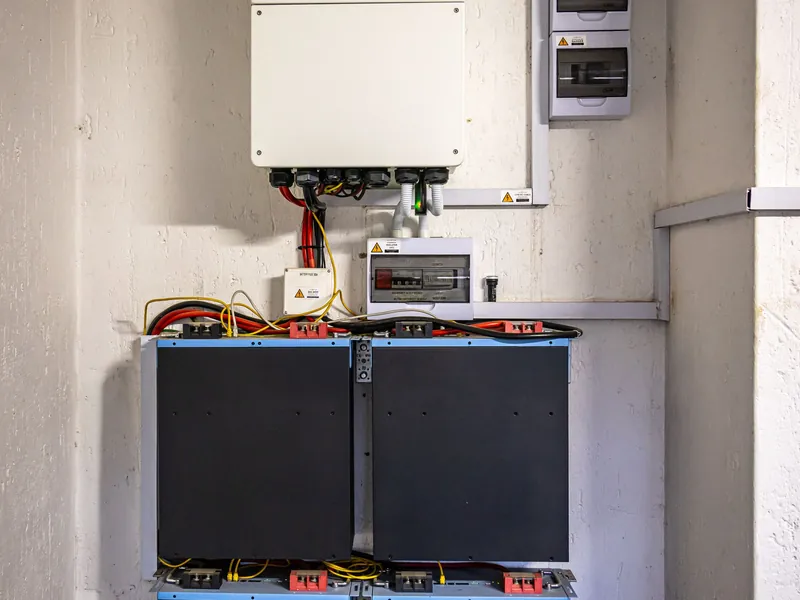
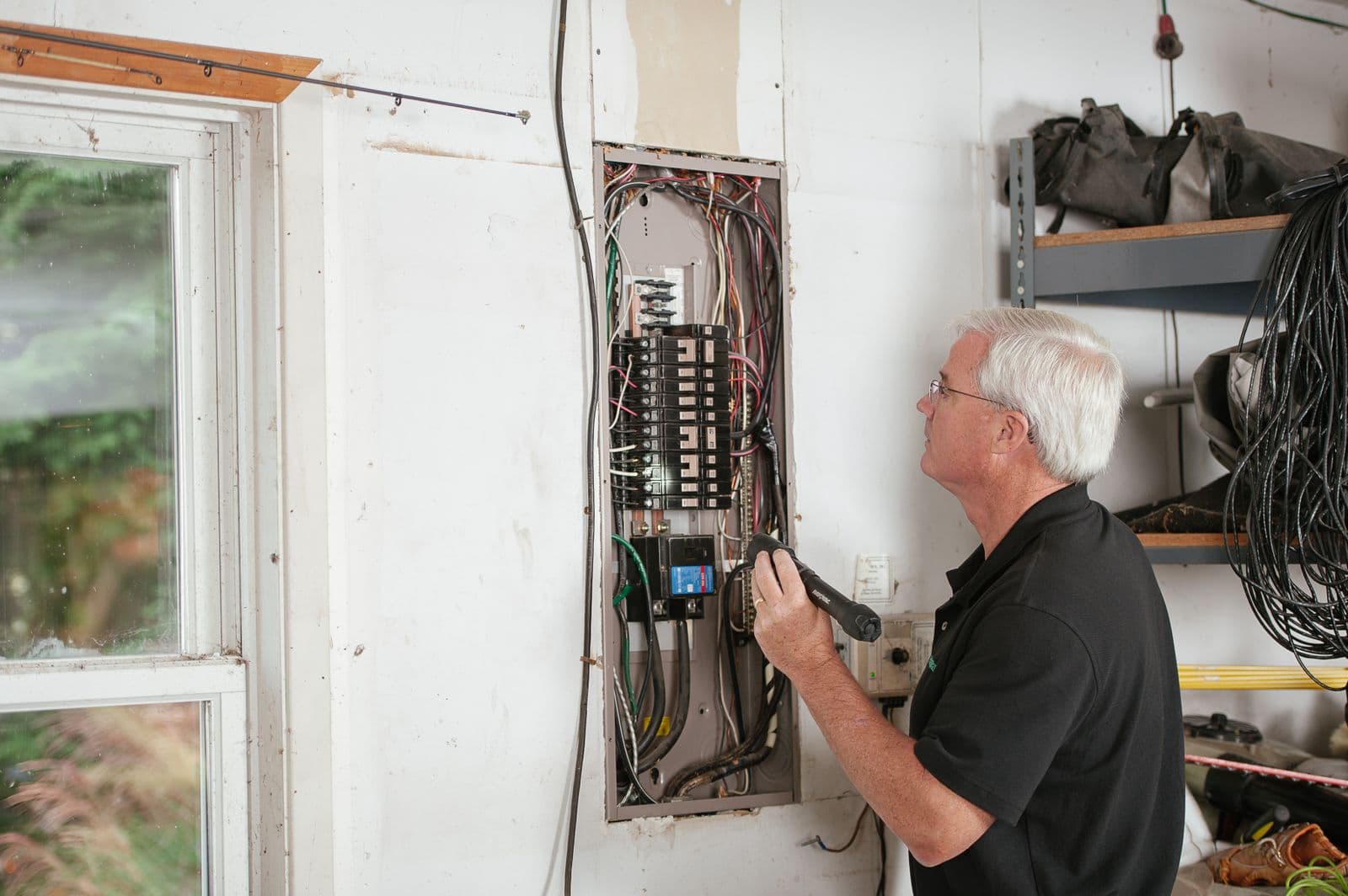
A battery job is an electrical job. The panel, the circuits and the disconnection are most of it.

Lake Havasu City battery backup, answered plainly
Who is the electric utility in Lake Havasu City?+
UNS Electric, part of UniSource Energy Services. Its residential rate charts are published by city, and Lake Havasu (Mohave County) has its own.
What does a standard UNS bill look like in Lake Havasu?+
On the standard ERRES plan, UNS's Lake Havasu rate chart effective October 1, 2026 (summer table) shows a $17 basic charge and a computed total of $164.97 at 1,000 kWh and $310.87 at 2,000 kWh, including riders and taxes.
What is R-Tech?+
UNS Electric's Residential Demand Time-of-Use Tech pilot (rate ERRDTT). It combines time-of-use energy prices with a demand charge on your highest on-peak hour, and it is only available to homes with qualifying technologies such as solar, battery storage, an EV, or variable-speed and grid-interactive appliances. It is limited to 1,000 customers.
Can I get R-Tech with just a battery?+
No. The tariff requires two primary technologies, or one primary and two secondary ones. A battery plus rooftop solar qualifies; so would a battery plus two secondary devices such as a variable-speed pool pump and an automated load controller.
What does UNS pay for exported solar?+
UNS's Statement of Charges lists the Rider-14 RCP export rate at $0.0612 per kWh from October 1, 2025. Customers on the RCP must take a time-of-use plan, and credits apply within the billing cycle rather than carrying forward.
Who installs it, and who is responsible afterwards?+
Seamless Home is the licensed contractor of record on the work it runs. Installation is performed by vetted installing partners engaged as our subcontractors. Coverage is confirmed per service area rather than promised as blanket availability.
Related resources
Home battery backup
The national service page behind this one.
Learn more →Maricopa battery backup
Electrical District No. 3 — the other non-APS, non-SRP page.
Learn more →Glendale battery backup
APS's RCP export rate and its ten-year lock.
Learn more →Yuma battery backup
Grid-scale storage and what it can't do at the house.
Learn more →All home services
Water, battery, HVAC and solar under one licensed contractor of record.
Learn more →Get a free battery estimate
Tell us your Lake Havasu City address and what must stay on in an outage. We confirm UNS Electric service, look at your on-peak demand and R-Tech eligibility, and size to a critical load panel — no obligation.
Get a Free Estimate