Sierra Vista, Arizona
Home Battery Backup in Sierra Vista
Sierra Vista runs on SSVEC, a member-owned co-op. Its first rate increase since 2016 raised the base charge to $30 in January 2026 and moved the opt-in time-of-use peak to 1–7 p.m. There's no co-op battery incentive, so a battery here is about backup and using your own solar.
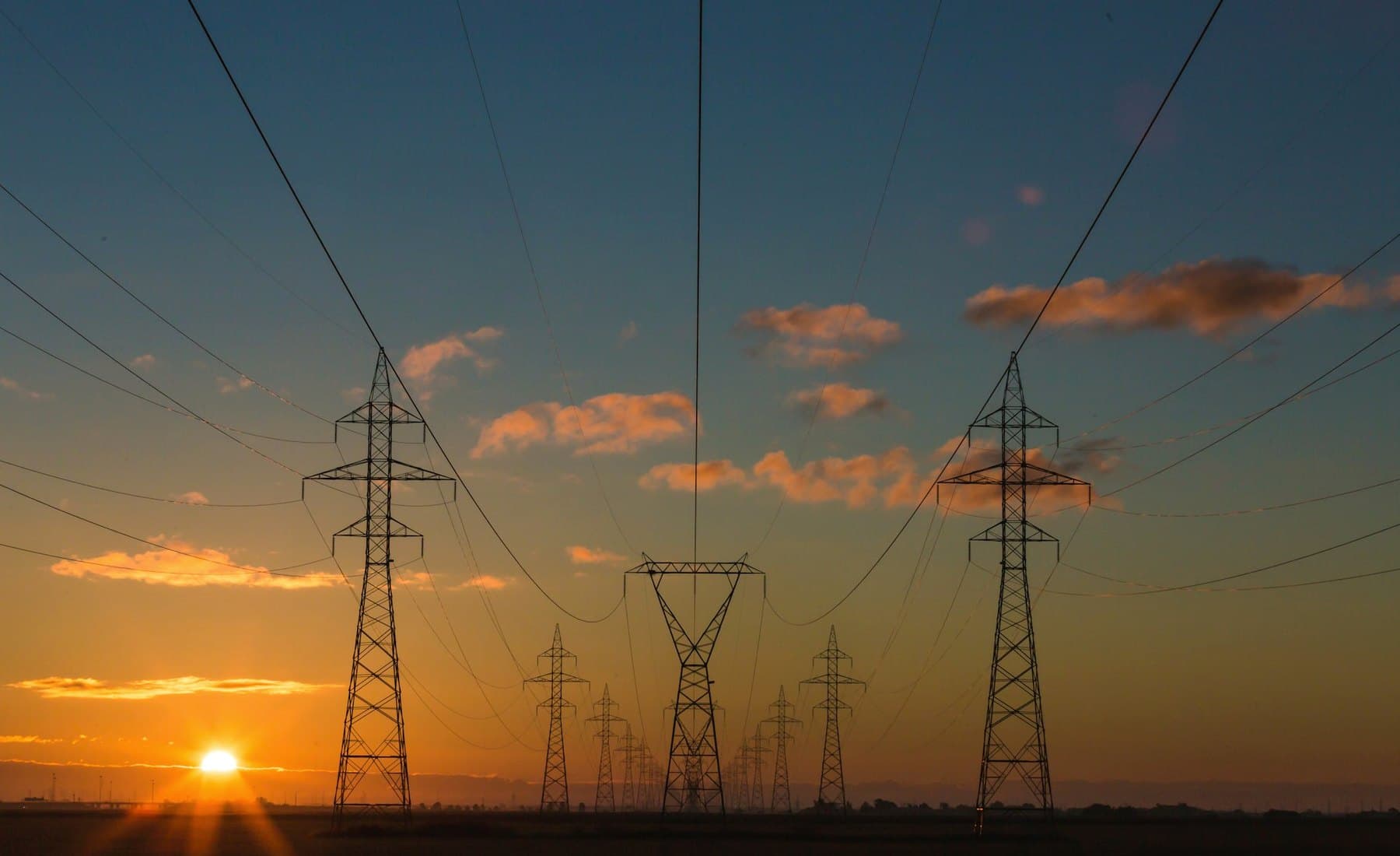
SSVEC co-op · base charge $25 → $30 (Jan 2026) · opt-in TOU peak 1–7 p.m. · no battery program.
The short answer
Sierra Vista is served by Sulphur Springs Valley Electric Cooperative (SSVEC), not APS, SRP or TEP. Its first rate case since 2016 took effect January 1, 2026: the base charge went from $25 to $30 and energy from about 10.3¢ to 12.6¢ per kWh.
SSVEC has no residential battery program, and new solar exports are paid an ACC-set export rate rather than retail. A battery's value here is backup power, carrying the house through the 1–7 p.m. peak if you opt into time-of-use, and keeping more of your own solar.
Get a Free Estimate
Tell us your Sierra Vista address, whether you have solar and what must stay on in an outage. We confirm SSVEC service and your rate plan before anyone sizes a system.
Why Sierra Vista is different from Tucson and Lake Havasu City
Tucson is TEP and Lake Havasu City is UNS Electric. Sierra Vista's rules come from a cooperative.
A co-op, not APS, SRP or TEP
Sulphur Springs Valley Electric Cooperative is member-owned and serves about 42,500 members across Cochise, Graham, Pima and Santa Cruz counties. Rates and solar rules are SSVEC's, approved by the Arizona Corporation Commission.
First rate increase since 2016
The ACC approved SSVEC's rate case on December 3, effective January 1, 2026: the base charge rose from $25 to $30 a month and the energy rate from about 10.3¢ to about 12.6¢ per kWh.
No residential battery program
SSVEC says it has not evaluated a Trico-style residential storage and demand response program and doesn't believe one should be mandated. There is no SSVEC battery incentive to count on today.
What a Sierra Vista battery actually has to do
No incentive check, so the value has to come from the house.
Time-of-use peak is 1–7 p.m., opt-in
The new rate structure moved SSVEC's time-of-use peak to 1–7 p.m. It applies only to members who opt in. On that plan, a battery can carry the house through peak hours.
Solar exports are paid below retail
Since 2017, new rooftop solar exports at SSVEC are paid an export rate set by the ACC's Resource Comparison Proxy method, not full retail credit. A battery lets you use more of your own solar instead of exporting it.
Net metering is closing
Older systems still on residential net metering have a sunset the ACC has already approved, which SSVEC puts at November 2037. New systems are not eligible.
Backup is the part that's certain
Grid-tied solar shuts off in an outage unless it is paired with storage and a transfer switch. Size the battery to the circuits that must stay on.
Sierra Vista next to Tucson, Lake Havasu City and Maricopa
Up Highway 90 and I-10, Tucson is TEP territory, where monsoon outages drive most battery decisions. Lake Havasu City is on UNS Electric's R-Tech demand pilot, and Maricopa is served by Electrical District No. 3. Like Sierra Vista, none of them is on APS or SRP.
Where these figures come from
Everything on this page traces to SSVEC and local reporting on its rate case.
- SSVEC — Rate case information — why rates changed and the average-bill example.
- SSVEC — Solar FAQs — membership and counties, the net metering sunset, RCP export rates and SSVEC's position on a residential storage program.
- Patagonia Regional Times — “Sulphur Springs has first rate hike since 2016” (April 3, 2026) — the ACC approval date, the new base charge and energy rate, and the 1–7 p.m. time-of-use peak.
What a home battery job with us covers
Installation of storage and the backup circuits behind it, with the siting and utility paperwork handled.
Battery installation
Wall or floor-mounted storage installed to the listing and to the residential code sections that govern where it may go.
Backup and critical load panel
Deciding and wiring which circuits stay live, and which must never be on backup — the choice that defines what an outage feels like.
Integration with existing PV solar
Connecting storage to an array that is already on the roof, including whether the existing inverter supports it.
Transfer switch and disconnection
The equipment that separates the house from the grid during an outage, which is what makes backup legal as well as possible.
Siting to code
Location, clearances, separation and impact protection assessed against the adopted code before anything is mounted.
Permit, inspection and utility approval
The electrical permit, the inspection, and the utility's own approval step where storage touches the service.
This is installation work. No runtime, capacity or incentive figure is quoted before your loads and your utility are confirmed. Coverage is confirmed per service area rather than promised as blanket availability.
What the work actually looks like
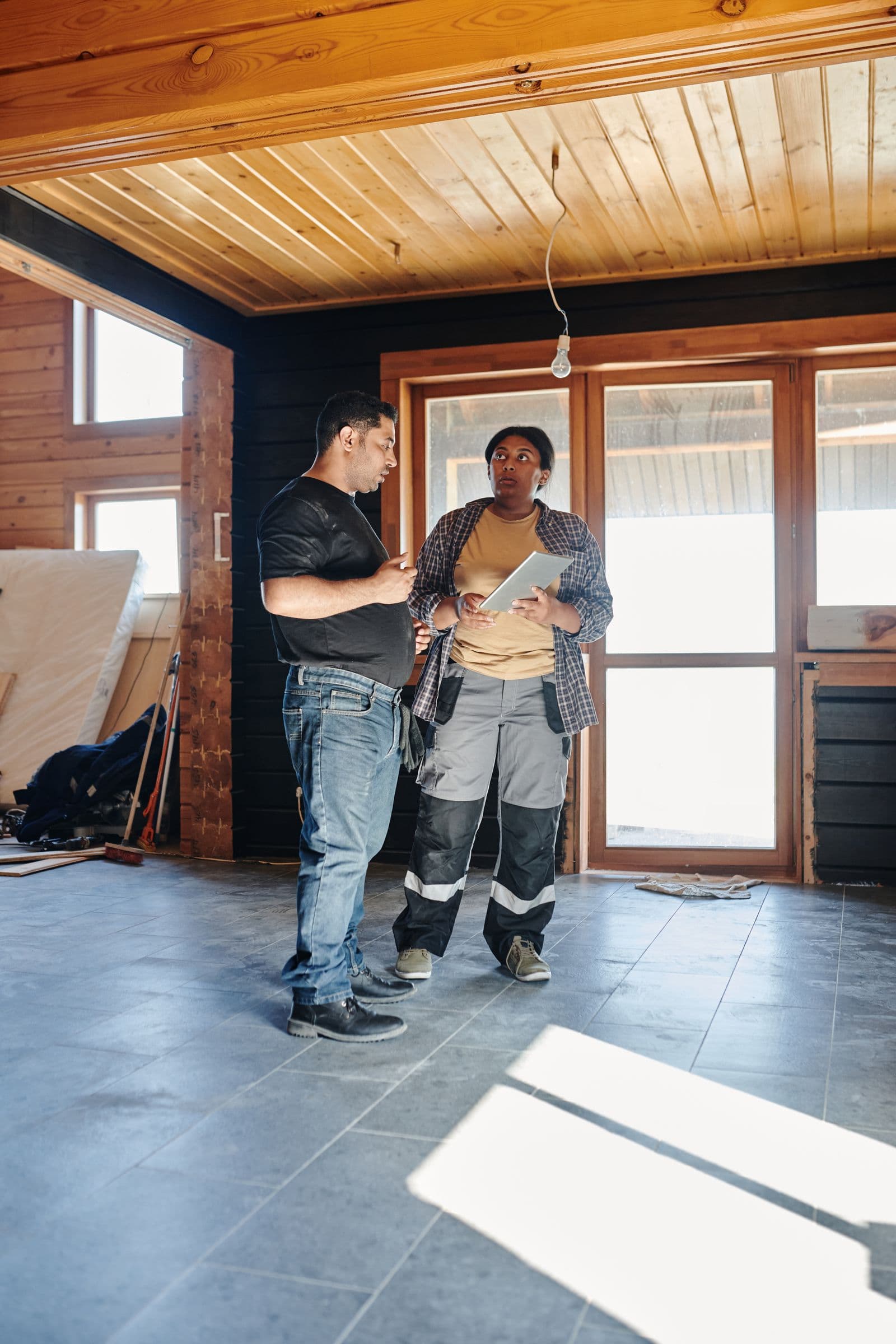
A battery job is an electrical job. The panel, the circuits and the disconnection are most of it.
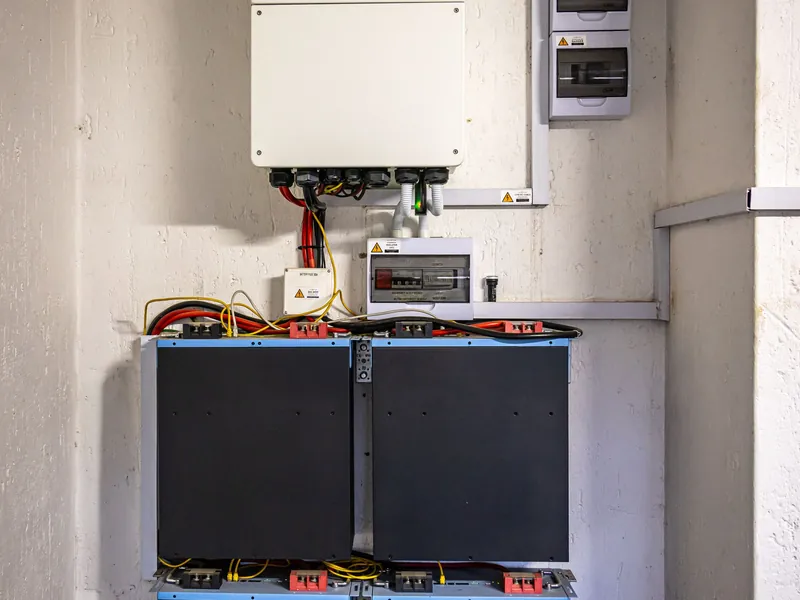
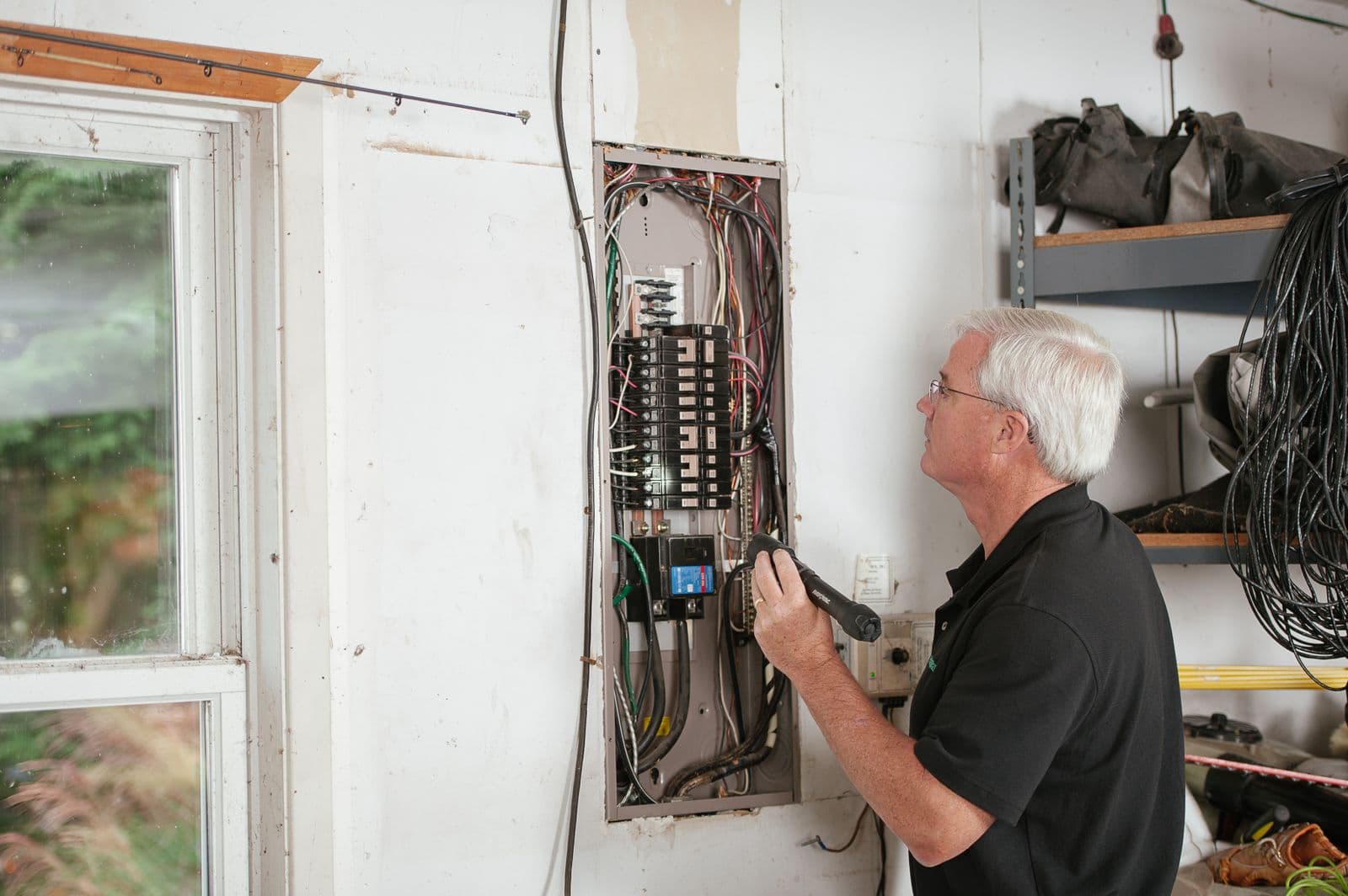
Sierra Vista battery backup, answered plainly
Who is the electric utility in Sierra Vista?+
Sulphur Springs Valley Electric Cooperative (SSVEC), a member-owned cooperative serving Cochise, Graham, Pima and Santa Cruz counties. It is not APS, SRP or TEP.
What changed in SSVEC's 2026 rates?+
In SSVEC's first rate case since 2016, approved by the ACC on December 3 and effective January 1, 2026, the monthly base charge rose from $25 to $30 and the energy rate from about 10.3¢ to 12.6¢ per kWh. SSVEC says a 752 kWh average bill went from $127.41 to $138.66.
Does SSVEC have a time-of-use plan?+
Yes, opt-in. Peak hours under the new rates are 1 to 7 p.m. Only members who choose the plan are billed on peak hours.
Does SSVEC pay for home batteries?+
Not today. SSVEC's rate case FAQ says it is open to exploring options but does not support being required to adopt a residential storage and demand response program like Trico Electric Cooperative's pilots.
How does SSVEC credit rooftop solar?+
New systems export at a rate set with the ACC's Resource Comparison Proxy method, approved for cooperatives in January 2017. Grandfathered residential net metering has an ACC-approved sunset, which SSVEC puts at November 2037.
Who installs it, and who is responsible afterwards?+
Seamless Home is the licensed contractor of record on the work it runs. Installation is performed by vetted installing partners engaged as our subcontractors. Coverage is confirmed per service area rather than promised as blanket availability.
Related resources
Home battery backup
The national service page behind this one.
Learn more →Tucson battery backup
TEP territory and what a battery runs through monsoon storms.
Learn more →Lake Havasu City battery backup
UNS Electric's R-Tech pilot and on-peak demand billing.
Learn more →Maricopa battery backup
Electrical District No. 3, not APS or SRP.
Learn more →All home services
Water, battery, HVAC and solar under one licensed contractor of record.
Learn more →Get a free battery estimate
Tell us your Sierra Vista address and what must stay on in an outage. We confirm SSVEC service and your rate plan, check siting on your lot and size to a critical load panel — no obligation.
Get a Free Estimate