Salt Lake City, Utah
Home Battery Backup in Salt Lake City, UT
Rocky Mountain Power credits exported solar at under 5¢ per kWh, while its time-of-use on-peak price tops 33¢ in summer. A battery closes that gap and carries chosen circuits through wind and equipment outages.
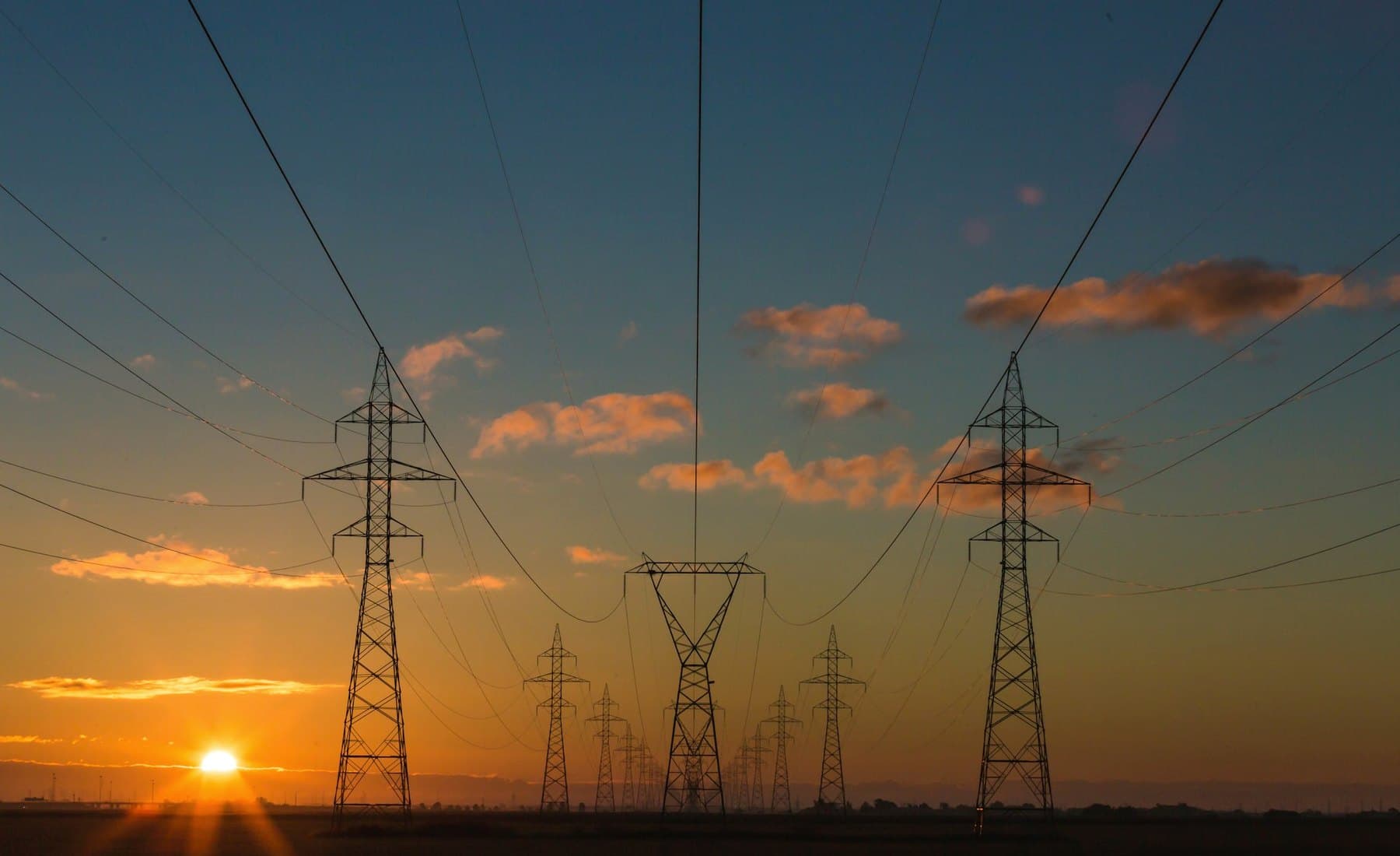
Schedule 137 export: 4.855¢ / 4.033¢ · TOU on-peak 6–10 p.m. weekdays: 33.6173¢ summer · Wattsmart Battery: $1,000 under 10 kW.
The short answer
Salt Lake City homes are served by Rocky Mountain Power. Since March 1, 2026, exported solar earns 4.855¢ per kWh in summer and 4.033¢ the rest of the year under Schedule 137. The optional time-of-use rate charges 33.6173¢ on-peak (6–10 p.m. weekdays) in summer.
The utility's Wattsmart Battery program pays $1,000 up front for residential systems under 10 kW. Outages here are usually wind- or equipment-driven and same-day — more than 8,000 customers on May 13, 2026, and 6,038 on October 26, 2026.
Get a Free Estimate
Tell us your Salt Lake City address, whether you have solar and what must stay on in an outage. We confirm coverage before anyone sizes a battery.
Rocky Mountain Power rates and outages in Salt Lake City
From Rocky Mountain Power's Utah price summary and Schedule 137 tariff, and local reporting on 2026 outages.
Exports earn about 4–5¢; peak costs about 30–34¢
Under Schedule 137 net billing, exported solar energy is credited at 4.855¢ per kWh in June–September and 4.033¢ in October–May, effective March 1, 2026. On Schedule 1's time-of-use option, on-peak energy (6–10 p.m. Monday–Friday) is 33.6173¢ in summer and 29.7498¢ the rest of the year. Storing midday solar for the evening is worth far more than exporting it.
Standard Schedule 1 is tiered, not time-based
On the standard residential rate, energy is 9.8332¢ for the first 400 kWh and 12.5263¢ after that in June–September, and 8.7020¢ / 11.0852¢ in October–May, plus a $12.00 monthly customer charge for a single-phase single-family home. Surcharges such as the EBA are added on top. Only TOU customers see the 6–10 p.m. peak price.
Wind and equipment outages along the Wasatch Front
KSL reported that wind on May 13, 2026 knocked out power to more than 8,000 Rocky Mountain Power customers from Logan to the southern end of Salt Lake County, with poles down on 1700 South and more than 3,500 still out at 10 p.m. On October 26, 2026, KUTV reported 6,038 customers in Midvale, Salt Lake and Sandy lost power after a substation failure.
Where a battery fits in Salt Lake City
The export-credit gap is the main bill case; backup is for shorter, sharper outages.
Solar owners: self-consume, don't export
The PSC-approved March 2026 update cut the summer export credit from 5.704¢ to 4.855¢ per kWh. Every kWh a battery holds back for evening use avoids buying a kWh at the retail or TOU price instead.
Wattsmart Battery incentives
Rocky Mountain Power's Utah Wattsmart Battery program changed on June 15, 2026. Residential systems under 10 kW are eligible for a $1,000 upfront enrollment incentive; systems 10 kW or larger are capped at $2,000 per household. Enrolled batteries can be dispatched by the utility, so read the program terms before enrolling.
Backup is usually hours, not days
Both 2026 events cited here were restored the same day or overnight. The usual Salt Lake City backup list is refrigeration, internet, furnace blower and medical equipment — not a whole-house runtime promise.
Pick circuits, not the whole house
Central air, electric ranges and EV chargers drain a battery fast. Sizing starts from the circuits you need during an outage and the evening load you want to shift.
Water along the Wasatch Front
We also cover water quality in Salt Lake City, Provo and Ogden, each from its own utility report.
Where these figures come from
Rates trace to Rocky Mountain Power's published Utah tariffs and price summary. The export-credit change traces to the Utah Public Service Commission's approval letter. Outage counts trace to KSL and KUTV.
- Rocky Mountain Power — Utah Price Summary (PDF) — Schedule 1 standard and TOU energy charges, in effect as of September 25, 2026.
- Rocky Mountain Power — Schedule 137 Net Billing Service (PDF) — exported-energy credit rates.
- Utah Public Service Commission — Schedule 137 approval, effective March 1, 2026 (PDF)
- Rocky Mountain Power — Wattsmart Battery program — incentives after the June 15, 2026 changes.
- KSL — May 13, 2026 — more than 8,000 customers affected by wind outages.
- KUTV — October 26, 2026 — 6,038 customers out after a substation loss.
What a home battery job with us covers
Installation of storage and the backup circuits behind it, with the siting and utility paperwork handled.
Battery installation
Wall or floor-mounted storage installed to the listing and to the residential code sections that govern where it may go.
Backup and critical load panel
Deciding and wiring which circuits stay live, and which must never be on backup — the choice that defines what an outage feels like.
Integration with existing PV solar
Connecting storage to an array that is already on the roof, including whether the existing inverter supports it.
Transfer switch and disconnection
The equipment that separates the house from the grid during an outage, which is what makes backup legal as well as possible.
Siting to code
Location, clearances, separation and impact protection assessed against the adopted code before anything is mounted.
Permit, inspection and utility approval
The electrical permit, the inspection, and the utility's own approval step where storage touches the service.
This is installation work. No runtime, capacity or incentive figure is quoted before your loads and your utility are confirmed. Coverage is confirmed per service area rather than promised as blanket availability.
What the work actually looks like
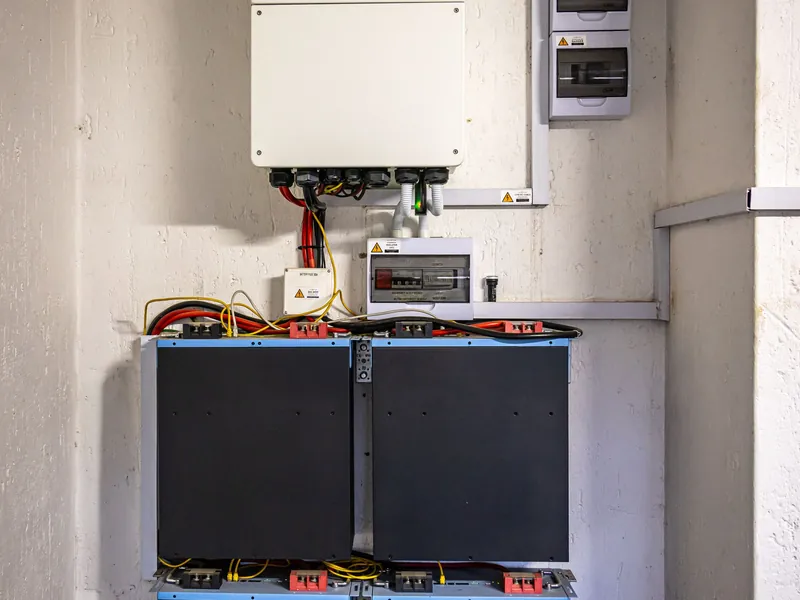
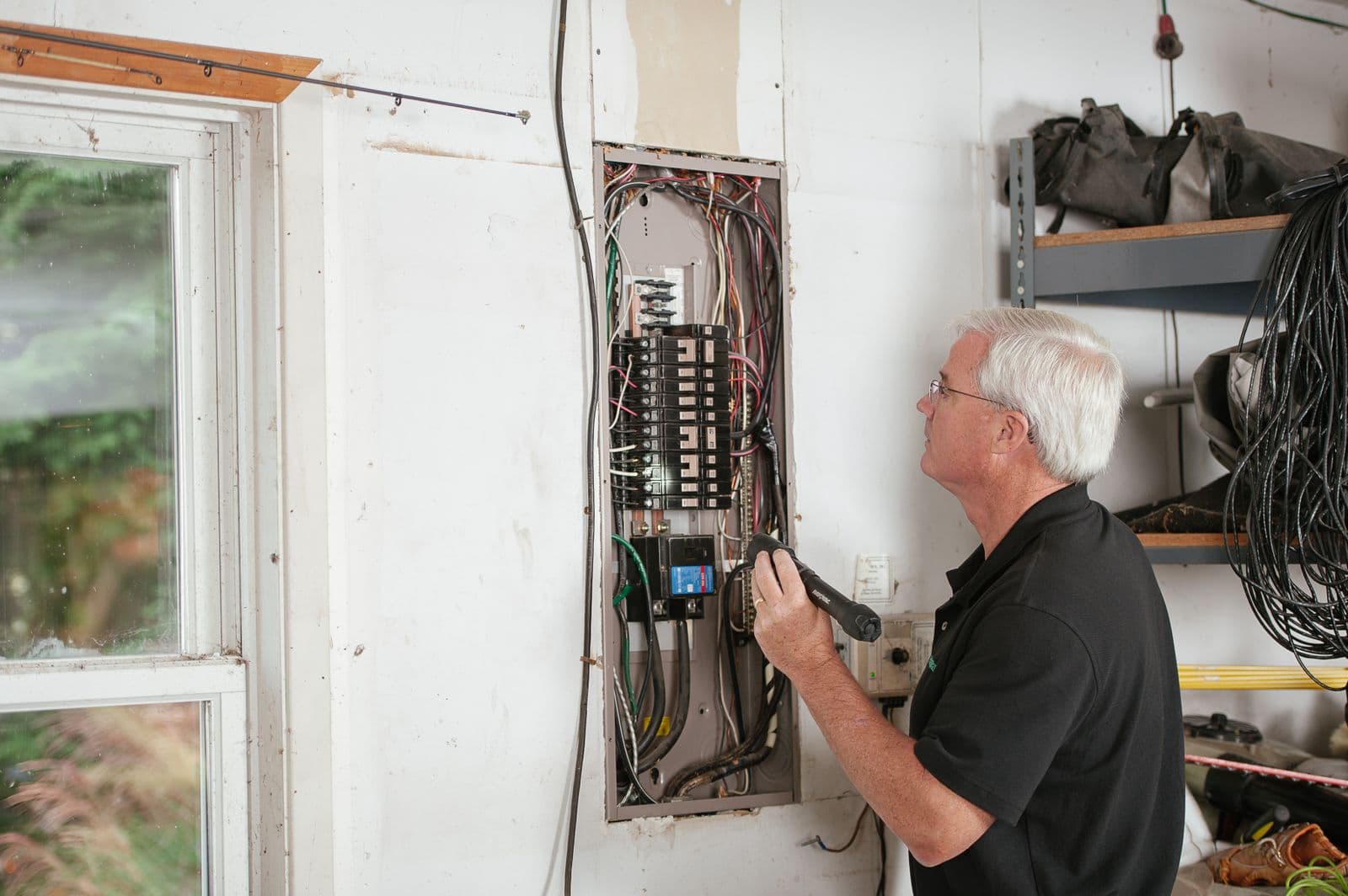
A battery job is an electrical job. The panel, the circuits and the disconnection are most of it.

Battery backup in Salt Lake City, answered plainly
Who is the electric utility in Salt Lake City?+
Rocky Mountain Power, a division of PacifiCorp, serves Salt Lake City and most of the Wasatch Front.
Does Rocky Mountain Power have time-of-use pricing in Utah?+
Yes, as an option on Schedule 1. On-peak is 6 p.m. to 10 p.m. Monday through Friday, except holidays; all other hours are off-peak. The September 25, 2026 price summary lists on-peak at 33.6173¢ (June–September) and 29.7498¢ (October–May), and off-peak at 7.4705¢ and 6.6111¢.
What does Rocky Mountain Power pay for exported solar?+
Under Schedule 137, effective March 1, 2026: 4.855¢ per kWh in June–September and 4.033¢ in October–May. Credits carry to the next bill during the annualized billing period, and unused credits expire at its end.
Is there a battery incentive in Utah?+
Rocky Mountain Power's Wattsmart Battery program offers a $1,000 upfront enrollment incentive for residential systems under 10 kW and caps incentives at $2,000 per household for 10 kW or larger, under rules effective June 15, 2026. Check the current program page before you sign anything.
Do solar panels keep my power on in an outage?+
Not on their own. Grid-tied inverters shut down when the grid is down. A battery and an isolating transfer device are what let solar keep chosen circuits running.
Who installs it, and who is responsible afterwards?+
Seamless Home is the licensed contractor of record on the work it runs. Installation is performed by vetted installing partners engaged as our subcontractors, so the permit, the inspection and any correction notice carry one name. Coverage is confirmed per service area rather than promised as blanket availability.
Related resources
Home battery backup
The national service page behind this one.
Learn more →Salt Lake City water quality
The city's latest drinking water report.
Learn more →Home battery backup in Sacramento, CA
Another western utility with an evening peak.
Learn more →Critical load panel planner
Pick the circuits a battery should carry.
Learn more →All home services
Water, battery, HVAC and solar under one licensed contractor of record.
Learn more →Get a free estimate for Salt Lake City
Tell us your address, whether you have solar, which Rocky Mountain Power rate you are on and which circuits must stay on in an outage. We confirm coverage first — no charge to talk, no obligation.
Get a Free Estimate