Sacramento, California
Home Battery Backup in Sacramento
SMUD's rates are low by California standards, but winter storms have knocked out hundreds of thousands of Sacramento customers. A battery is mainly an outage tool here.
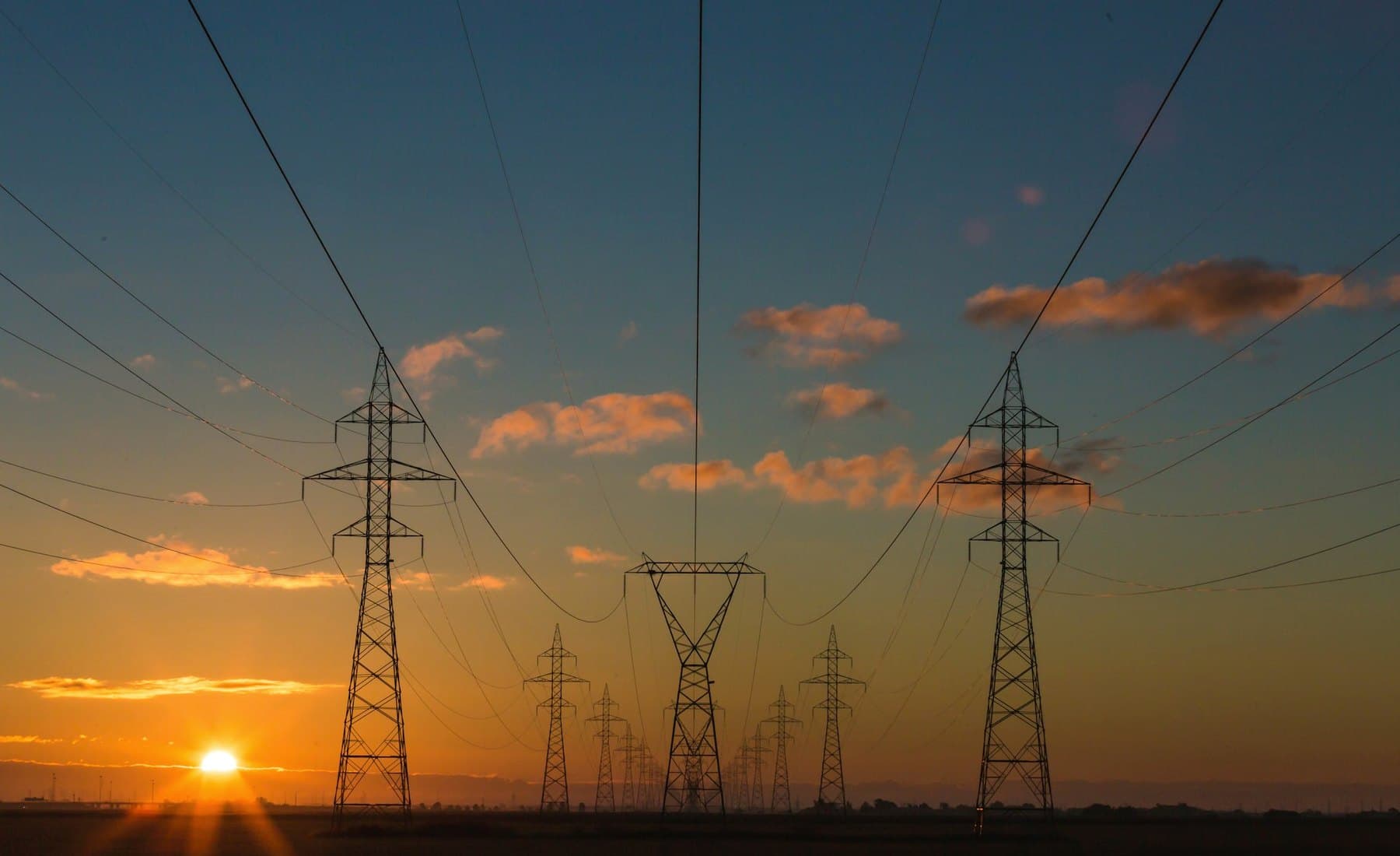
SMUD summer peak 37.65¢ vs off-peak 15.50¢ · peak 5–8 p.m. weekdays · 599,000+ out in the 2022–23 storms · ~200,000 out Feb 4, 2024.
The short answer
Sacramento is served by SMUD, a public utility. On its Time-of-Day (5–8 p.m.) rate, summer peak energy is 37.65¢ per kWh against 15.50¢ off-peak, and the peak applies on weekdays only.
Storms are the bigger reason to look at a battery: SMUD reported more than 599,000 customers lost power in the string of storms from New Year's Eve 2022, and 65+ mph winds on February 4, 2024 cut power to about 200,000.
Get a Free Estimate
Tell us your Sacramento address, whether you have solar and what must stay on in an outage. We confirm coverage before anyone sizes a battery.
SMUD rates and storm outages in Sacramento
From SMUD's 2026 residential rate page and its own storm news releases.
5–8 p.m. weekday peak
SMUD's Time-of-Day rate has a 5–8 p.m. peak on weekdays. Weekends and holidays are off-peak all day. In summer (June 1–September 30) a mid-peak applies on weekdays from noon to 5 p.m. and 8 p.m. to midnight.
2026 Time-of-Day prices
Summer: peak $0.3765, mid-peak $0.2139 and off-peak $0.1550 per kWh. Non-summer: peak $0.1776 and off-peak $0.1285. The summer peak-to-off-peak spread is the part a battery can shift.
2023 and 2024 storms
SMUD said more than 599,000 customers had outages in the storms from New Year's Eve 2022, with more than 300 poles and 1,800 wires down. On February 4, 2024, 65+ mph winds cut power to about 200,000 customers.
Where a battery fits in Sacramento
Storm backup first, then summer peak shifting.
Storm backup comes first
Winter wind and rain bring down trees and lines across Sacramento's canopy. A battery with a critical load panel keeps refrigeration, internet, sump pumps and medical devices running through a multi-day restoration.
Summer peak shifting
From June through September, moving 5–8 p.m. weekday use to battery saves the gap between the 37.65¢ peak and 15.50¢ off-peak. Outside summer the spread is much smaller.
Weekends are off-peak
Because SMUD's peak does not apply on weekends and holidays, a battery set for peak shifting has fewer cycles to earn its keep than one in a daily-peak territory.
Pick circuits, not the whole house
Central air and electric heat drain a battery quickly. Sizing starts from the circuits you need on during an outage.
Where these figures come from
Rates trace to SMUD's 2026 residential rate page; outage counts to SMUD's own news releases.
- SMUD — Residential rates — Time-of-Day (5–8 p.m.) rate periods and 2026 prices.
- SMUD — Historic string of storms causes significant damage to SMUD grid (January 2023) — 599,000+ customers affected, poles, wires and trees down.
- SMUD — 65+ mph winds cause extensive damage and outages (February 4, 2024) — about 200,000 customers out.
What a home battery job with us covers
Installation of storage and the backup circuits behind it, with the siting and utility paperwork handled.
Battery installation
Wall or floor-mounted storage installed to the listing and to the residential code sections that govern where it may go.
Backup and critical load panel
Deciding and wiring which circuits stay live, and which must never be on backup — the choice that defines what an outage feels like.
Integration with existing PV solar
Connecting storage to an array that is already on the roof, including whether the existing inverter supports it.
Transfer switch and disconnection
The equipment that separates the house from the grid during an outage, which is what makes backup legal as well as possible.
Siting to code
Location, clearances, separation and impact protection assessed against the adopted code before anything is mounted.
Permit, inspection and utility approval
The electrical permit, the inspection, and the utility's own approval step where storage touches the service.
This is installation work. No runtime, capacity or incentive figure is quoted before your loads and your utility are confirmed. Coverage is confirmed per service area rather than promised as blanket availability.
What the work actually looks like
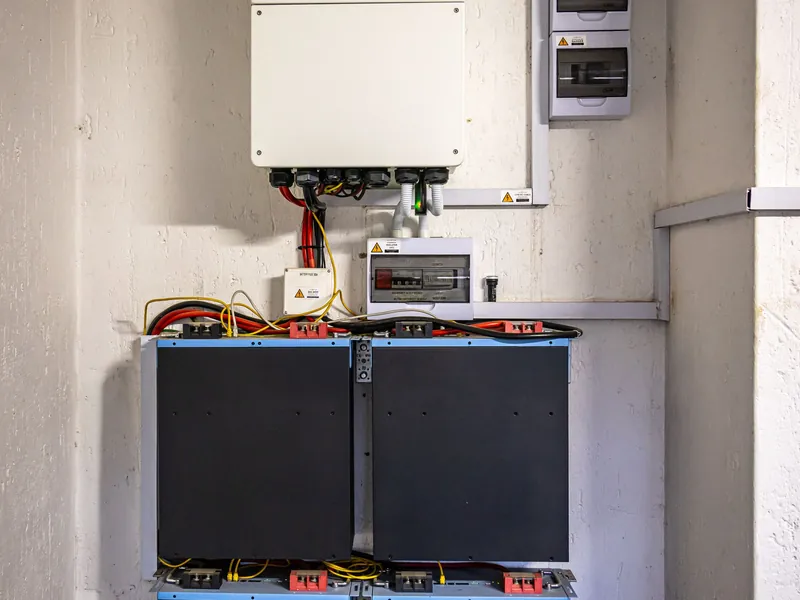
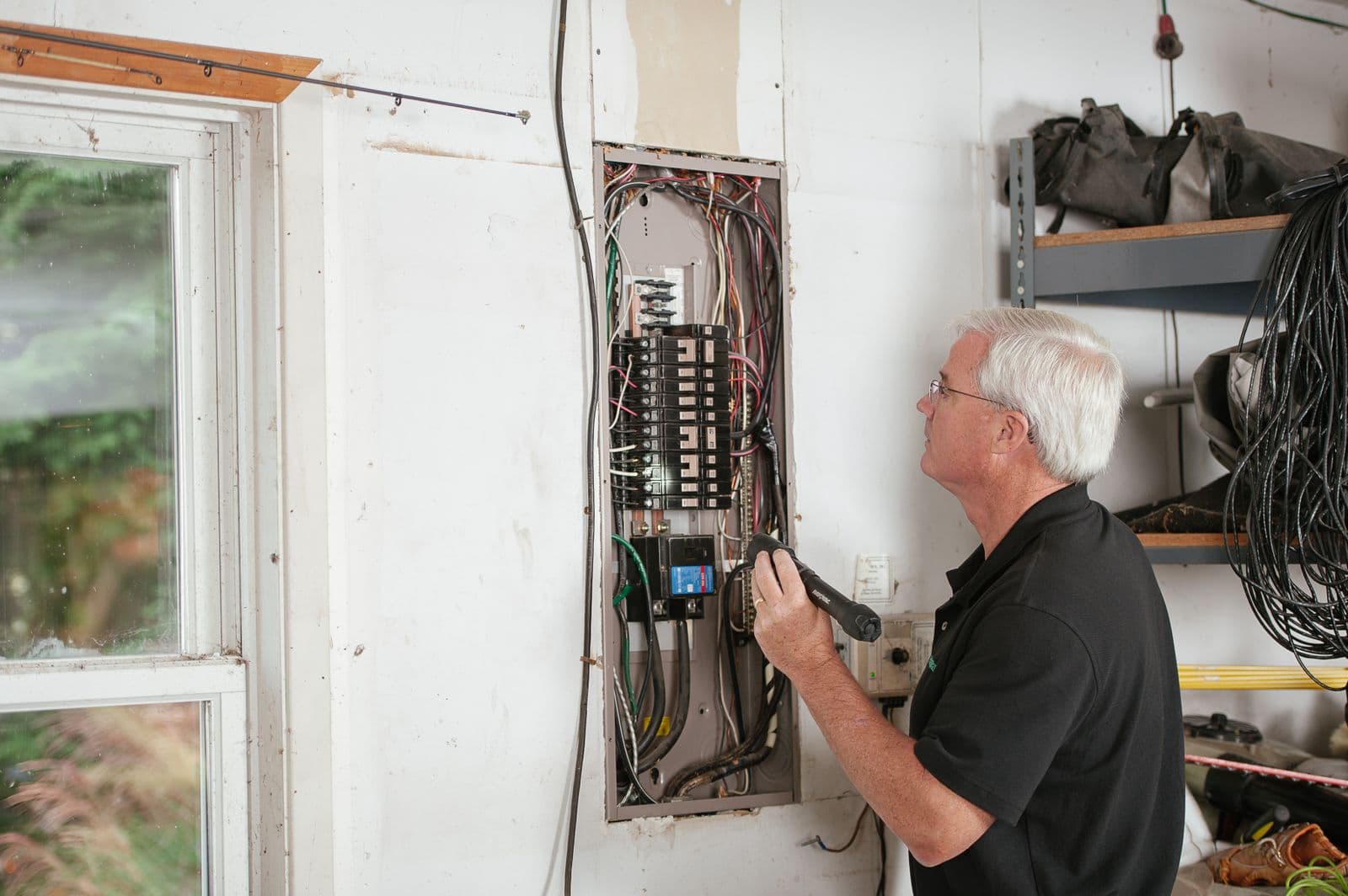
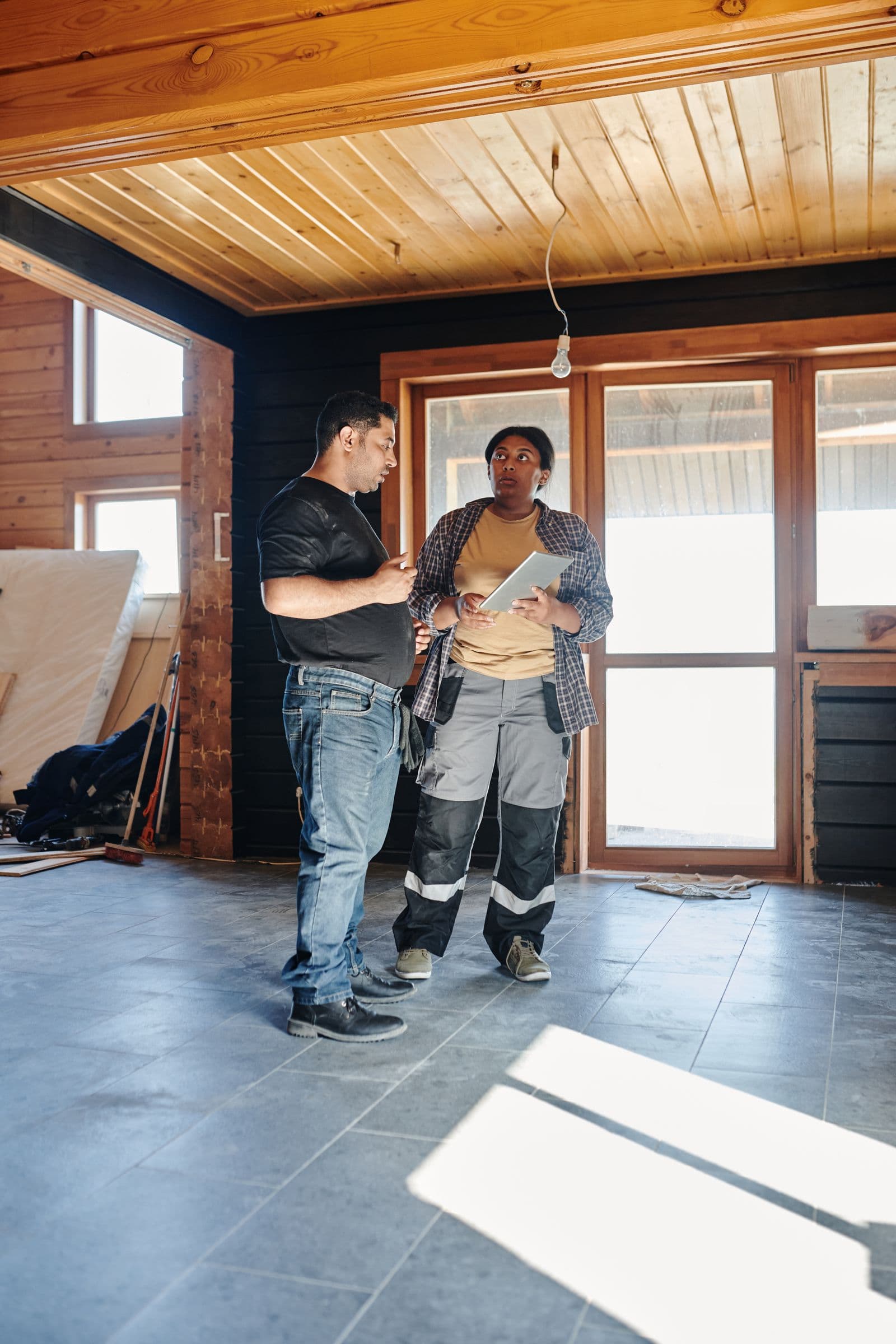
A battery job is an electrical job. The panel, the circuits and the disconnection are most of it.
Battery backup in Sacramento, answered plainly
Who is the electric utility in Sacramento?+
The Sacramento Municipal Utility District (SMUD), a community-owned public utility.
When is SMUD's peak period?+
On the Time-of-Day (5–8 p.m.) rate, peak is 5 to 8 p.m. on weekdays. Weekends and holidays are off-peak. In summer, a mid-peak applies on weekdays from noon to 5 p.m. and 8 p.m. to midnight.
What does SMUD charge per kWh in 2026?+
Summer (June 1–September 30): peak $0.3765, mid-peak $0.2139, off-peak $0.1550. Non-summer: peak $0.1776, off-peak $0.1285. Fixed charges and other line items are listed on SMUD's rate page.
How bad have Sacramento outages been?+
SMUD reported that more than 599,000 customers had outages in the string of storms that began on New Year's Eve 2022, with more than 300 poles, 1,800 wires and 650 trees down. A February 4, 2024 windstorm cut power to about 200,000 SMUD customers, and 105,000 were still out that evening.
Do solar panels keep my power on in an outage?+
Not on their own. Grid-tied inverters shut down when the grid is down. A battery and an isolating transfer device are what let solar keep chosen circuits running.
How long will a battery run my house?+
It depends on capacity and which circuits you put on it, so we don't quote a runtime before seeing the panel.
Who installs it, and who is responsible afterwards?+
Seamless Home is the licensed contractor of record on the work it runs. Installation is performed by vetted installing partners engaged as our subcontractors, so the permit, the inspection and any correction notice carry one name. Coverage is confirmed per service area rather than promised as blanket availability.
Related resources
Home battery backup
The national service page behind this one.
Learn more →Home battery backup in San Diego, CA
SDG&E's 4–9 p.m. daily peak and wildfire shutoffs.
Learn more →Home battery backup in Phoenix, AZ
Summer heat, APS and SRP evening peaks.
Learn more →Critical load panel planner
Pick the circuits a battery should carry.
Learn more →How many watts does a sump pump use?
Sizing backup for a pump that has to run in a storm.
Learn more →All home services
Water, battery, HVAC and solar under one licensed contractor of record.
Learn more →Get a free estimate for Sacramento
Tell us your address, whether you have solar and which circuits must stay on in a storm outage. We confirm SMUD-area coverage first — no charge to talk, no obligation.
Get a Free Estimate