Los Angeles, California
Home Battery Backup in Los Angeles, CA
LADWP's time-of-use spread is a few cents most of the year, so in Los Angeles a battery is mostly about outages — like the heat-wave failures of September 10, 2026, when some neighborhoods waited up to 12 hours.
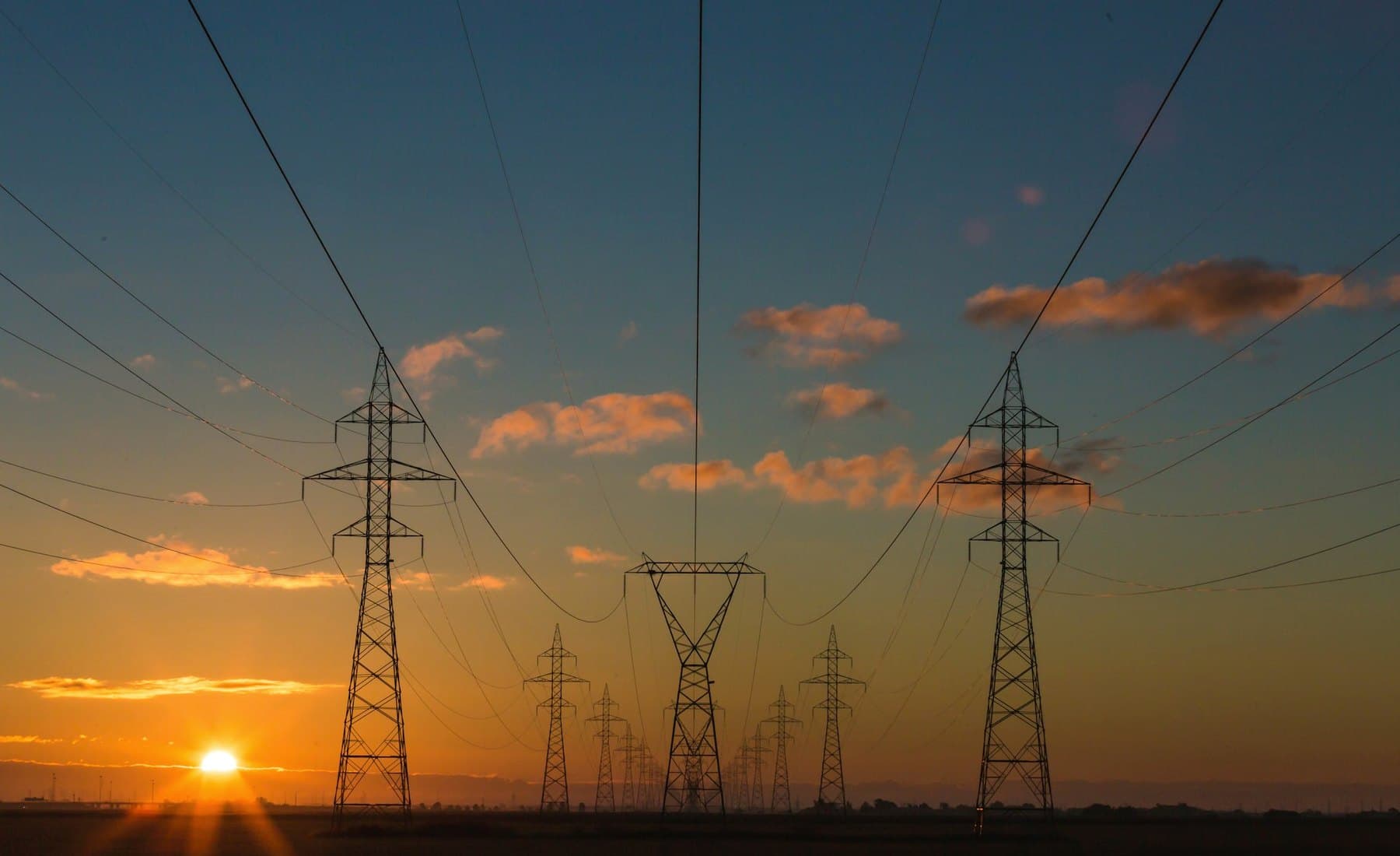
LADWP R-1B (Jul–Sep 2026): 35.124¢ high peak · 29.284¢ low peak · 26.540¢ base · Sept 10, 2026: thousands out, 4–12 hour response.
The short answer
Los Angeles homes are served by LADWP, a city-owned utility. On its R-1B time-of-use rate, July–September 2026 prices ran from 26.540¢ at Base to 35.124¢ at the weekday 1–5 p.m. High Peak; from October to December the gap shrinks to about 2.4¢.
With a spread that narrow and net metering that still credits exports, the battery case in LA is mainly backup. On September 10, 2026, heat-overloaded equipment knocked out power to thousands of customers in Central, South and Northeast LA, with response times of four to 12 hours.
Get a Free Estimate
Tell us your Los Angeles address, whether you have solar and what must stay on in an outage. We confirm coverage before anyone sizes a battery.
LADWP rates and outages in Los Angeles
From LADWP's published residential rate tables and contemporaneous reporting on the September 2026 heat wave.
LADWP is a city utility with its own rates
Los Angeles homes are served by the Los Angeles Department of Water and Power, not one of the state's investor-owned utilities. Its residential rates, time-of-use hours and net metering rules are set by LADWP, so advice written for PG&E, SCE or SDG&E customers does not carry over.
R-1B time-of-use: a modest spread
On LADWP's R-1B time-of-use rate, July–September 2026 prices were 35.124¢ per kWh at High Peak, 29.284¢ at Low Peak and 26.540¢ at Base. For October–December 2026, High and Low Peak are both 30.168¢ and Base is 27.814¢. R-1B adds a $12 monthly service charge.
September 10, 2026: heat-driven outages
During a heat wave with triple-digit temperatures, thousands of LADWP customers in Central, South and Northeast Los Angeles lost power as overloaded equipment failed. LADWP said response times ran four to 12 hours and more than 90 field crews were deployed, according to Patch.
Where a battery fits in Los Angeles
The bill case is thin on LADWP; the backup case depends on which circuits you need.
Backup is the main case in LA
Because LADWP's peak-to-base gap is a few cents most of the year, shifting energy from base to peak hours does not pay for a battery on its own. Most LA battery decisions start with outages — heat-wave failures like September's — and with which circuits must stay on.
Know the time-of-use hours
LADWP's High Peak runs Monday to Friday, 1:00 to 4:59 p.m. Low Peak is 10:00 a.m. to 12:59 p.m. and 5:00 to 7:59 p.m. on weekdays. Base covers 8 p.m. to 10 a.m. on weekdays and all weekend — 118 hours a week.
Net metering still credits exports
LADWP's Net Energy Metering rider credits excess solar energy using the energy pricing of the customer's rate schedule and carries a credit balance forward. That makes exporting midday solar less of a penalty than under newer investor-owned tariffs, which is another reason the LA battery case leans on backup.
Cooling loads in a heat outage
September's outages hit during extreme heat. Keeping a refrigerator, medical equipment, fans and lights running is a realistic battery target; carrying central air through a long outage needs a much larger system and a check of the compressor's starting surge.
Los Angeles next to other California utilities
In San Diego, SDG&E's peak pricing makes the bill case much stronger than on LADWP. Sacramento is the other public utility on this site, SMUD, with its own time-of-day schedule.
If you are weighing water treatment at the same address, our Los Angeles water quality page covers LADWP's latest drinking water report.
Where these figures come from
Prices and the Net Energy Metering rider trace to LADWP's Residential Rates page. Time-of-use hours trace to LADWP's residential electric rate explainer. Outage details trace to Patch, September 10, 2026.
- LADWP — Residential Rates — R-1A and R-1B total consumption charges for 2025 and 2026; Net Energy Metering rider.
- LADWP — Residential Electric Rates — High Peak, Low Peak and Base hours for R-1B.
- Patch — September 10, 2026 — heat-wave outages in Central, South and Northeast LA; 4–12 hour response; 90+ crews.
What a home battery job with us covers
Installation of storage and the backup circuits behind it, with the siting and utility paperwork handled.
Battery installation
Wall or floor-mounted storage installed to the listing and to the residential code sections that govern where it may go.
Backup and critical load panel
Deciding and wiring which circuits stay live, and which must never be on backup — the choice that defines what an outage feels like.
Integration with existing PV solar
Connecting storage to an array that is already on the roof, including whether the existing inverter supports it.
Transfer switch and disconnection
The equipment that separates the house from the grid during an outage, which is what makes backup legal as well as possible.
Siting to code
Location, clearances, separation and impact protection assessed against the adopted code before anything is mounted.
Permit, inspection and utility approval
The electrical permit, the inspection, and the utility's own approval step where storage touches the service.
This is installation work. No runtime, capacity or incentive figure is quoted before your loads and your utility are confirmed. Coverage is confirmed per service area rather than promised as blanket availability.
What the work actually looks like
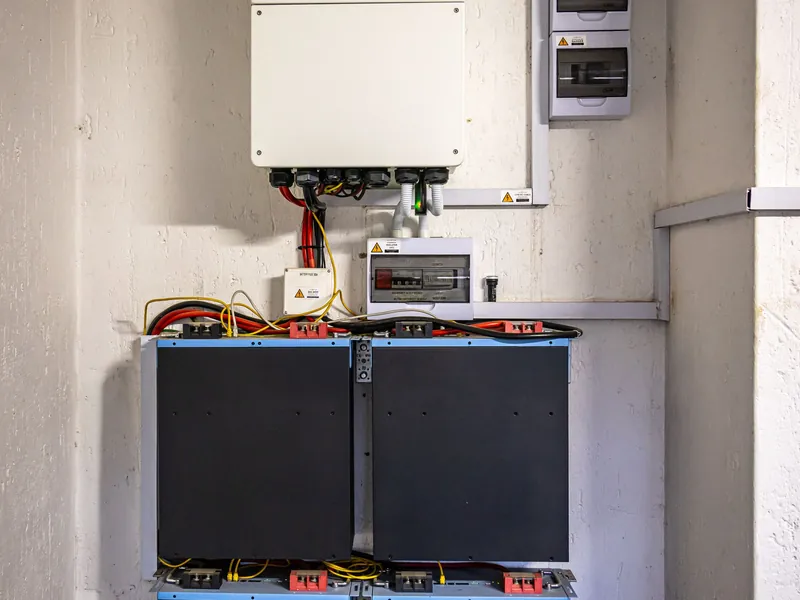
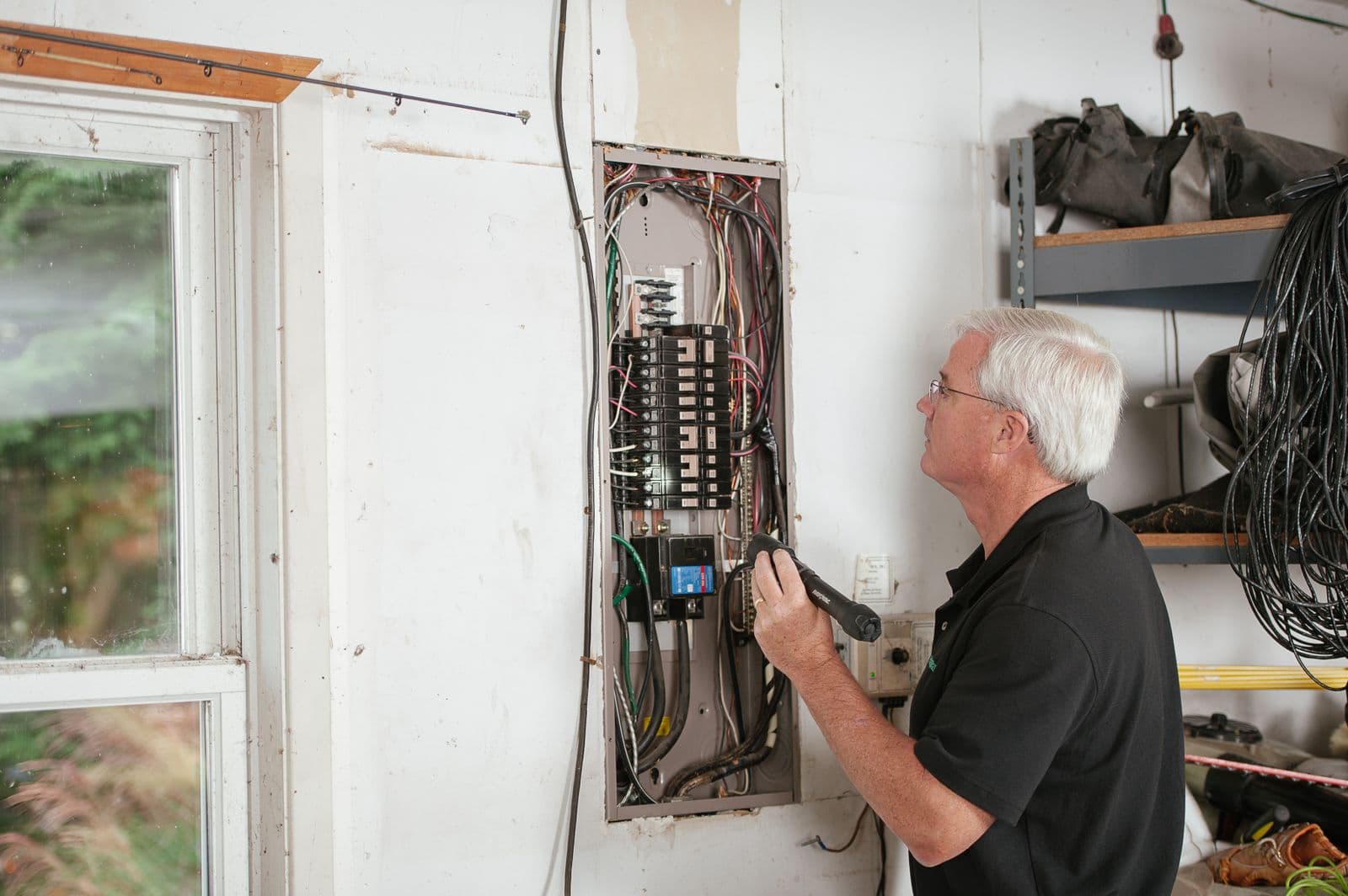
A battery job is an electrical job. The panel, the circuits and the disconnection are most of it.

Battery backup in Los Angeles, answered plainly
Who is the electric utility in Los Angeles?+
Most of the City of Los Angeles is served by the Los Angeles Department of Water and Power (LADWP), a city-owned utility. Some neighboring cities in the county are served by Southern California Edison instead, so check the name on your bill.
What are LADWP's time-of-use hours?+
On the R-1B rate, High Peak is Monday through Friday, 1:00 to 4:59 p.m. Low Peak is 10:00 a.m. to 12:59 p.m. and 5:00 to 7:59 p.m. on weekdays. All other hours, including weekends, are Base.
How much does LADWP charge on time-of-use?+
For July–September 2026, R-1B total consumption charges were 35.124¢ High Peak, 29.284¢ Low Peak and 26.540¢ Base per kWh, plus a $12 monthly service charge. For October–December 2026 they are 30.168¢, 30.168¢ and 27.814¢. Taxes are extra.
Does LADWP still have net metering?+
Yes. LADWP's Net Energy Metering rider bills net usage at your rate and credits excess generation using your rate schedule's energy pricing, with credit balances carried to later bills. Unused credit is zeroed when service ends.
Do solar panels keep my power on in an outage?+
Not on their own. Grid-tied inverters shut down when the grid is down. A battery and an isolating transfer device are what let solar keep chosen circuits running.
Who installs it, and who is responsible afterwards?+
Seamless Home is the licensed contractor of record on the work it runs. Installation is performed by vetted installing partners engaged as our subcontractors, so the permit, the inspection and any correction notice carry one name. Coverage is confirmed per service area rather than promised as blanket availability.
Related resources
Home battery backup
The national service page behind this one.
Learn more →Los Angeles water quality
LADWP's latest drinking water report.
Learn more →Home battery backup in San Diego
SDG&E's peak pricing and shutoffs.
Learn more →Critical load panel planner
Pick the circuits a battery should carry.
Learn more →All home services
Water, battery, HVAC and solar under one licensed contractor of record.
Learn more →Get a free estimate for Los Angeles
Tell us your address, whether you have solar, whether you are on LADWP's R-1B rate and which circuits must stay on in an outage. We confirm coverage first — no charge to talk, no obligation.
Get a Free Estimate