San Jose, California
Home Battery Backup in San Jose
PG&E's evening peak runs 4–9 p.m. every day, and wildfire-season shutoffs have left San Jose dark for multiple days. A battery covers both the rate window and the outage.
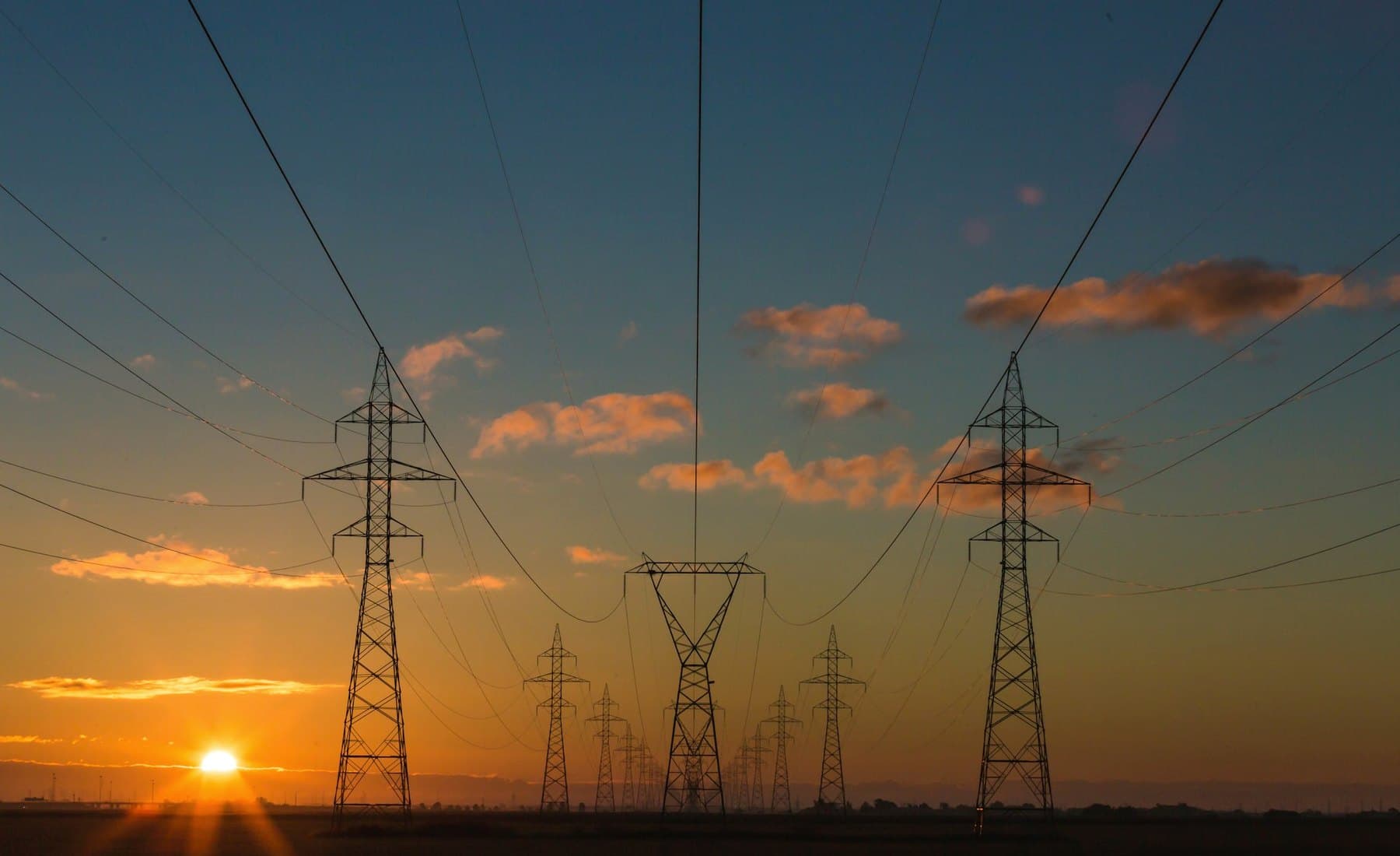
E-TOU-C peak 4–9 p.m. daily · summer peak ~52¢/kWh · SJCE: Fall 2019 PSPS left tens of thousands without power for days.
The short answer
San Jose takes electric delivery from PG&E; many homes buy generation from San José Clean Energy. On PG&E's E-TOU-C schedule the peak is 4 to 9 p.m. every day, with summer peak energy around 52¢ per kWh on the current tariff sheet.
Shutoffs are the other half of the case. San José Clean Energy notes that PG&E's Fall 2019 planned shutoffs left tens of thousands of San José residents and businesses without power for multiple days — and that similar shutoffs are expected to continue.
Get a Free Estimate
Tell us your San Jose address, whether you have solar and what must stay on in an outage. We confirm coverage before anyone sizes a battery.
PG&E rates and shutoffs in San Jose
From PG&E's Electric Schedule E-TOU-C and San José Clean Energy's backup-power guidance.
4–9 p.m. peak, every day
On PG&E's E-TOU-C schedule the peak window is 4 to 9 p.m. every day, year-round. Summer is June 1 through September 30; winter is October 1 through May 31. Off-peak is every other hour.
E-TOU-C: about 52¢ on-peak in summer
PG&E E-TOU-C total bundled energy rates on the current tariff sheet: summer peak $0.52240 and off-peak $0.39940 per kWh; winter peak $0.39757 and off-peak $0.36757. A baseline credit of $0.08140 per kWh applies to baseline usage, and Income Tier 3 customers pay a Base Services Charge of $0.79343 per day.
PSPS and multi-day shutoffs
San José Clean Energy notes that PG&E's Fall 2019 planned shutoffs left tens of thousands of San José residents and businesses without power for multiple days, and that PG&E has said shutoffs are expected to continue for years. A battery with a critical load panel is what keeps selected circuits on when the line is de-energized.
Where a battery fits in San Jose
Evening peak shifting and PSPS backup share the same critical-load panel.
Shift the 4–9 p.m. peak
Because the peak runs every day, a battery charged from midday solar or off-peak grid power can cover evening use year-round — not only on weekdays.
Shutoff backup for fire-risk feeders
Public Safety Power Shutoffs and Enhanced Powerline Safety Settings cut power on high-fire-threat circuits. Refrigeration, internet, medical devices and well pumps are the usual critical-load list.
San José Clean Energy customers
Most San Jose homes buy generation from San José Clean Energy and still take delivery from PG&E. The time-of-use windows on the delivery bill still matter for when a battery discharges.
Pick circuits, not the whole house
Air conditioning, electric ranges and EV chargers drain a battery fast. Sizing starts from the circuits you need on during a shutoff or the evening peak.
San Jose next to San Diego and Sacramento
San Diego sits on SDG&E, where the 4–9 p.m. peak also runs every day and summer on-peak energy is higher still.
In Sacramento the utility is SMUD, with a weekday-only 5–8 p.m. peak and a case driven more by winter storms than wildfire shutoffs.
Where these figures come from
Rates trace to PG&E's filed E-TOU-C tariff; shutoff context to San José Clean Energy's published backup-power page.
- PG&E — Electric Schedule E-TOU-C (PDF) — peak 4–9 p.m. every day; total bundled energy rates and base services charges.
- San José Clean Energy — Backup Power Options — Fall 2019 PSPS impact on San José and battery backup guidance.
- PG&E — Self-Generation Incentive Program (SGIP) — residential storage rebate status and equity resiliency criteria.
What a home battery job with us covers
Installation of storage and the backup circuits behind it, with the siting and utility paperwork handled.
Battery installation
Wall or floor-mounted storage installed to the listing and to the residential code sections that govern where it may go.
Backup and critical load panel
Deciding and wiring which circuits stay live, and which must never be on backup — the choice that defines what an outage feels like.
Integration with existing PV solar
Connecting storage to an array that is already on the roof, including whether the existing inverter supports it.
Transfer switch and disconnection
The equipment that separates the house from the grid during an outage, which is what makes backup legal as well as possible.
Siting to code
Location, clearances, separation and impact protection assessed against the adopted code before anything is mounted.
Permit, inspection and utility approval
The electrical permit, the inspection, and the utility's own approval step where storage touches the service.
This is installation work. No runtime, capacity or incentive figure is quoted before your loads and your utility are confirmed. Coverage is confirmed per service area rather than promised as blanket availability.
What the work actually looks like
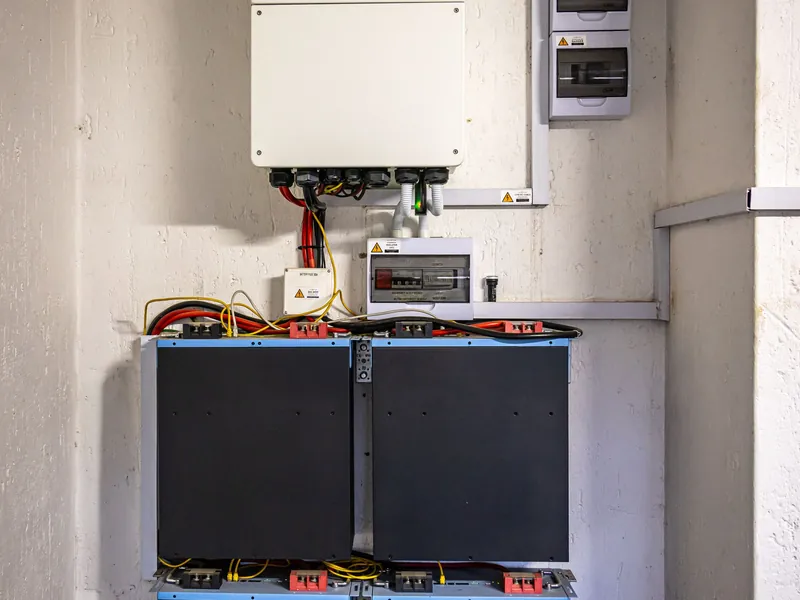
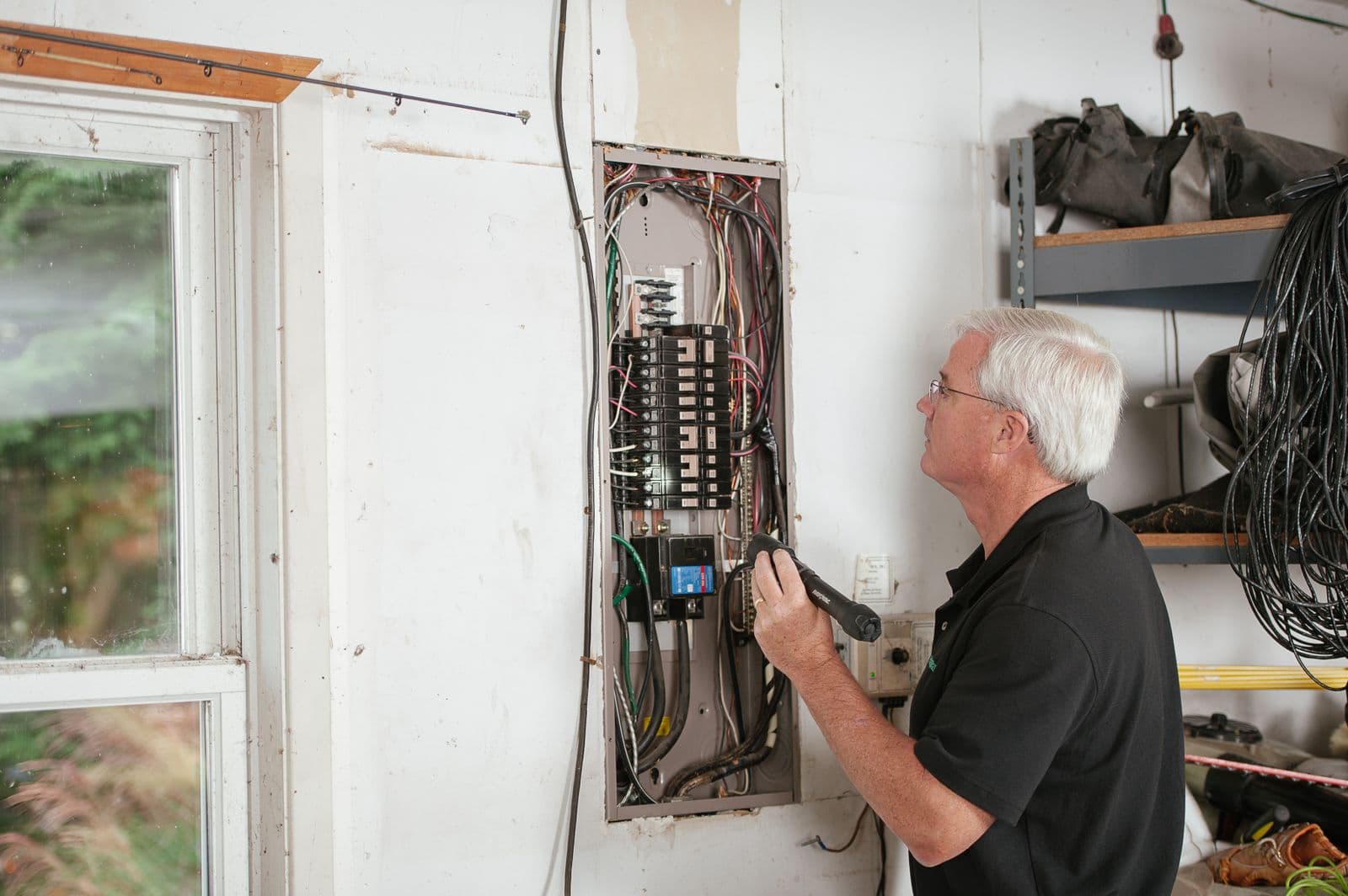
A battery job is an electrical job. The panel, the circuits and the disconnection are most of it.

Battery backup in San Jose, answered plainly
Who is the electric utility in San Jose?+
Pacific Gas and Electric Company (PG&E) provides delivery service. Many homes buy generation from San José Clean Energy, a community choice aggregator, and still receive a PG&E delivery bill.
When is PG&E's on-peak period on E-TOU-C?+
4 to 9 p.m. every day on Electric Schedule E-TOU-C. Off-peak is all other hours. Summer is June 1 through September 30; winter is October 1 through May 31.
What does E-TOU-C cost per kWh?+
Total bundled rates on the current PG&E tariff sheet: summer peak $0.52240, summer off-peak $0.39940; winter peak $0.39757, winter off-peak $0.36757. Baseline usage gets an $0.08140 per kWh credit. A daily Base Services Charge also applies by income tier.
Do solar panels keep my power on in a shutoff?+
Not on their own. Grid-tied inverters shut down when the grid is down. A battery and an isolating transfer device are what let solar keep chosen circuits running.
Is there a battery rebate in San Jose?+
California's Self-Generation Incentive Program (SGIP) has offered residential storage rebates through PG&E, including higher Equity Resiliency incentives for customers in high fire-threat districts or with repeated PSPS events. PG&E's pages currently describe general market and equity resiliency applications as closed, with waitlist options — confirm current status before counting on a rebate.
How long will a battery run my house?+
It depends on capacity and which circuits you put on it, so we don't quote a runtime before seeing the panel.
Who installs it, and who is responsible afterwards?+
Seamless Home is the licensed contractor of record on the work it runs. Installation is performed by vetted installing partners engaged as our subcontractors, so the permit, the inspection and any correction notice carry one name. Coverage is confirmed per service area rather than promised as blanket availability.
Related resources
Home battery backup
The national service page behind this one.
Learn more →Home battery backup in San Diego, CA
SDG&E's 4–9 p.m. daily peak and wildfire shutoffs.
Learn more →Home battery backup in Sacramento, CA
SMUD's 5–8 p.m. weekday peak and the 2023 storm outages.
Learn more →Critical load panel planner
Pick the circuits a battery should carry.
Learn more →All home services
Water, battery, HVAC and solar under one licensed contractor of record.
Learn more →Get a free estimate for San Jose
Tell us your address, whether you have solar and which circuits must stay on in a shutoff. We confirm PG&E-area coverage first — no charge to talk, no obligation.
Get a Free Estimate