New York City, New York
Home Battery Backup in New York City
Most of New York City is Con Edison territory. Sandy put the company through the largest restoration in its history, and today a battery here is shaped as much by Con Ed's time-of-use rate and FDNY rules as by outages.
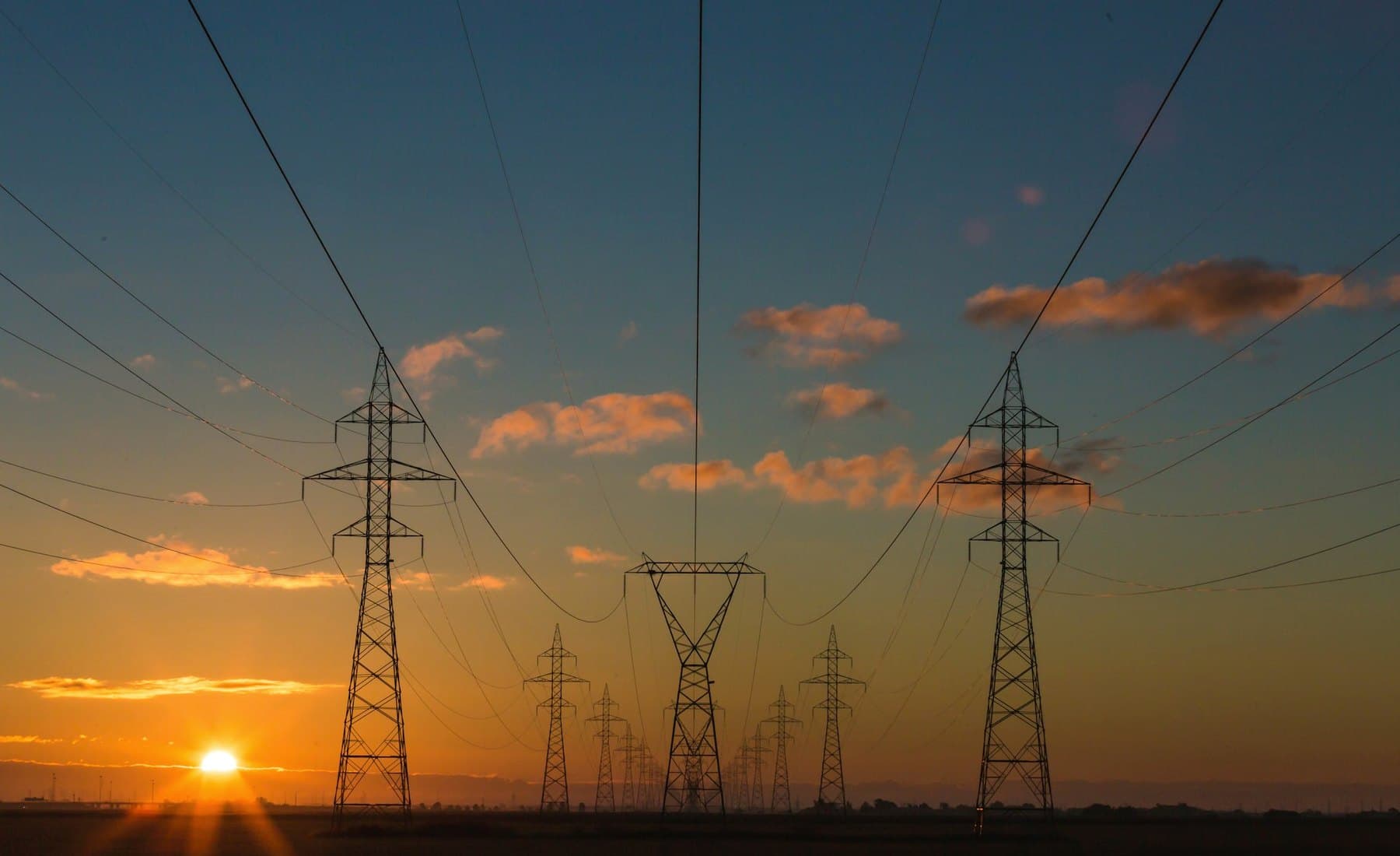
Sandy 2012: 1 million+ Con Edison customers restored · July 2019: ~73,000 out on Manhattan's West Side · TOU peak 8 a.m.–midnight · BYOB 2026: $100/kW.
The short answer
New York City homes are served by Con Edison. After Superstorm Sandy and the Nor'easter that followed in 2012, Con Edison restored power to more than 1 million customers — five times the outages of Hurricane Irene. Non-storm failures happen too: on July 13, 2019, about 73,000 customers on Manhattan's West Side lost power for nearly five hours.
On Con Ed's residential time-of-use rate, delivery costs $0.2786 per kWh from 8 a.m. to midnight in summer and $0.0522 overnight, so a battery can charge cheap and cover the evening. Its Bring Your Own Battery program pays $100 per kW of summer performance in 2026. One- and two-family homes need a DOB permit and an FDNY-approved battery, but no FDNY operating permit.
Get a Free Estimate
Tell us your address, borough and whether the battery would sit indoors or outside. We confirm coverage before anyone sizes a battery.
Con Edison outages, rates and NYC rules
From Con Edison's rate and program pages, the FDNY installation guide and the state's outage investigation.
Sandy and the 2012 restoration
Con Edison restored more than 1 million customers in New York City and Westchester after Sandy and a Nor'easter, five times the outages of Irene in 2011. About 16,300 customers in flooded parts of Brooklyn, Queens and Staten Island could not be reconnected until their own equipment was repaired and certified.
Time-of-use: peak until midnight
Residential time-of-use delivery is $0.2786 per kWh from 8 a.m. to midnight June through September and $0.1711 the rest of the year, against $0.0522 off-peak. Summer super-peak supply pricing applies weekdays 2 to 6 p.m. You stay enrolled a year; leave and you cannot rejoin for 18 months.
Bring Your Own Battery
Con Edison's BYOB program pays $100 per kW of seasonal performance for the 2026 season when an enrolled battery discharges during events. Enrollment runs May 1 to September 30, the battery must be 50 kW or less and connected through an approved service provider.
Where a battery fits in an NYC home
Row houses, two-family homes and detached houses in the outer boroughs.
FDNY approval comes first
The battery product needs an FDNY Certificate of Approval, and every stationary installation needs a Department of Buildings work permit. One- and two-family homes are exempt from the separate FDNY operating permit.
Indoor or outdoor changes the rules
FDNY and DOB treat indoor and outdoor systems differently, and indoor systems carry fire code limits on capacity and protection. Where the battery can go is the first site question in a city house.
Basements and flood risk
Sandy showed what flooding does to electrical equipment. In flood-prone blocks, keep the battery, inverter and transfer equipment out of the basement where the code and the building allow.
Evening loads on TOU
With peak delivery running until midnight, a battery charged overnight can carry refrigeration, lights, a sump pump or medical equipment through the expensive hours and an outage alike.
NYC next to its neighbors
Across the Hudson, Newark is PSE&G territory, where Sandy took out 2 million of 2.2 million customers and a GridSmart rebate can cover up to $5,000 of a battery. North, Con Edison's own territory runs into Westchester.
For the water side of the same house, see New York City water quality. To pick the circuits a battery should carry, use the critical load panel planner.
Where these figures come from
- Con Edison — Time-of-Use Rates — residential peak and off-peak delivery rates, super-peak hours and enrollment rules.
- Con Edison — Bring Your Own Battery Program Guidelines, 2026 (PDF) — incentive rate, enrollment window and eligibility.
- FDNY — Energy Storage System Equipment Approval and Installation Guide (PDF) — Certificate of Approval, DOB permits and the one- and two-family exemption.
- New York State — July 2019 Con Edison outages (November 19, 2020) — Manhattan and Brooklyn outage figures.
- T&D World — Con Edison Sandy restoration (November 19, 2012) — restoration totals and flooded-customer figures.
What a home battery job with us covers
Installation of storage and the backup circuits behind it, with the siting and utility paperwork handled.
Battery installation
Wall or floor-mounted storage installed to the listing and to the residential code sections that govern where it may go.
Backup and critical load panel
Deciding and wiring which circuits stay live, and which must never be on backup — the choice that defines what an outage feels like.
Integration with existing PV solar
Connecting storage to an array that is already on the roof, including whether the existing inverter supports it.
Transfer switch and disconnection
The equipment that separates the house from the grid during an outage, which is what makes backup legal as well as possible.
Siting to code
Location, clearances, separation and impact protection assessed against the adopted code before anything is mounted.
Permit, inspection and utility approval
The electrical permit, the inspection, and the utility's own approval step where storage touches the service.
This is installation work. No runtime, capacity or incentive figure is quoted before your loads and your utility are confirmed. Coverage is confirmed per service area rather than promised as blanket availability.
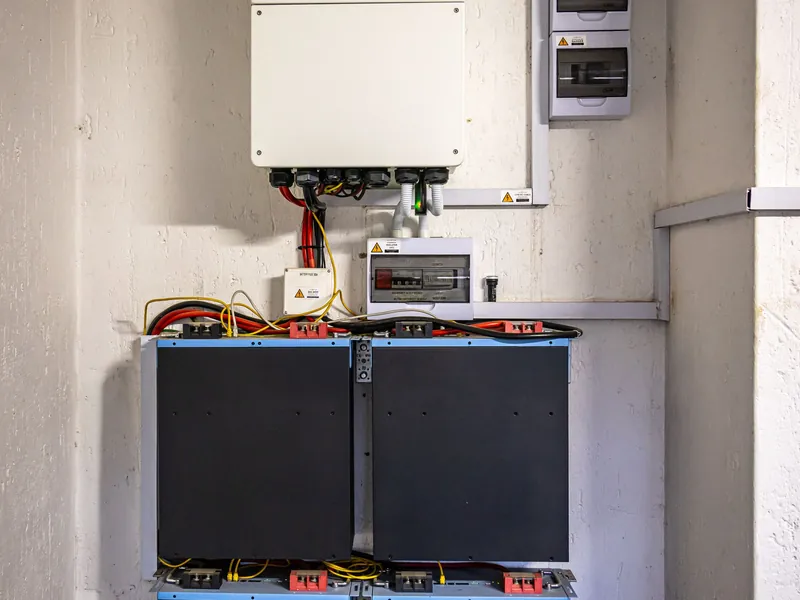
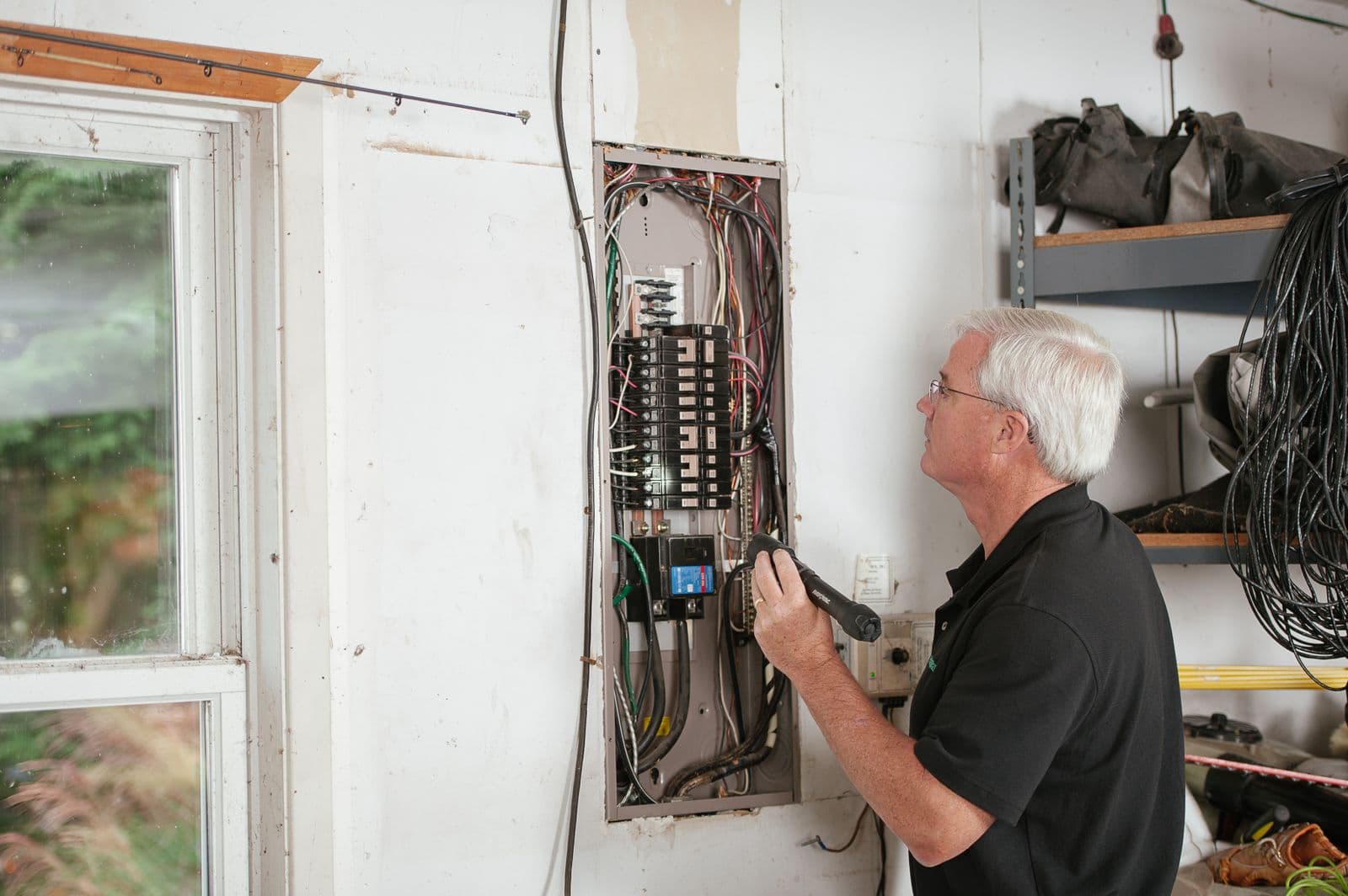
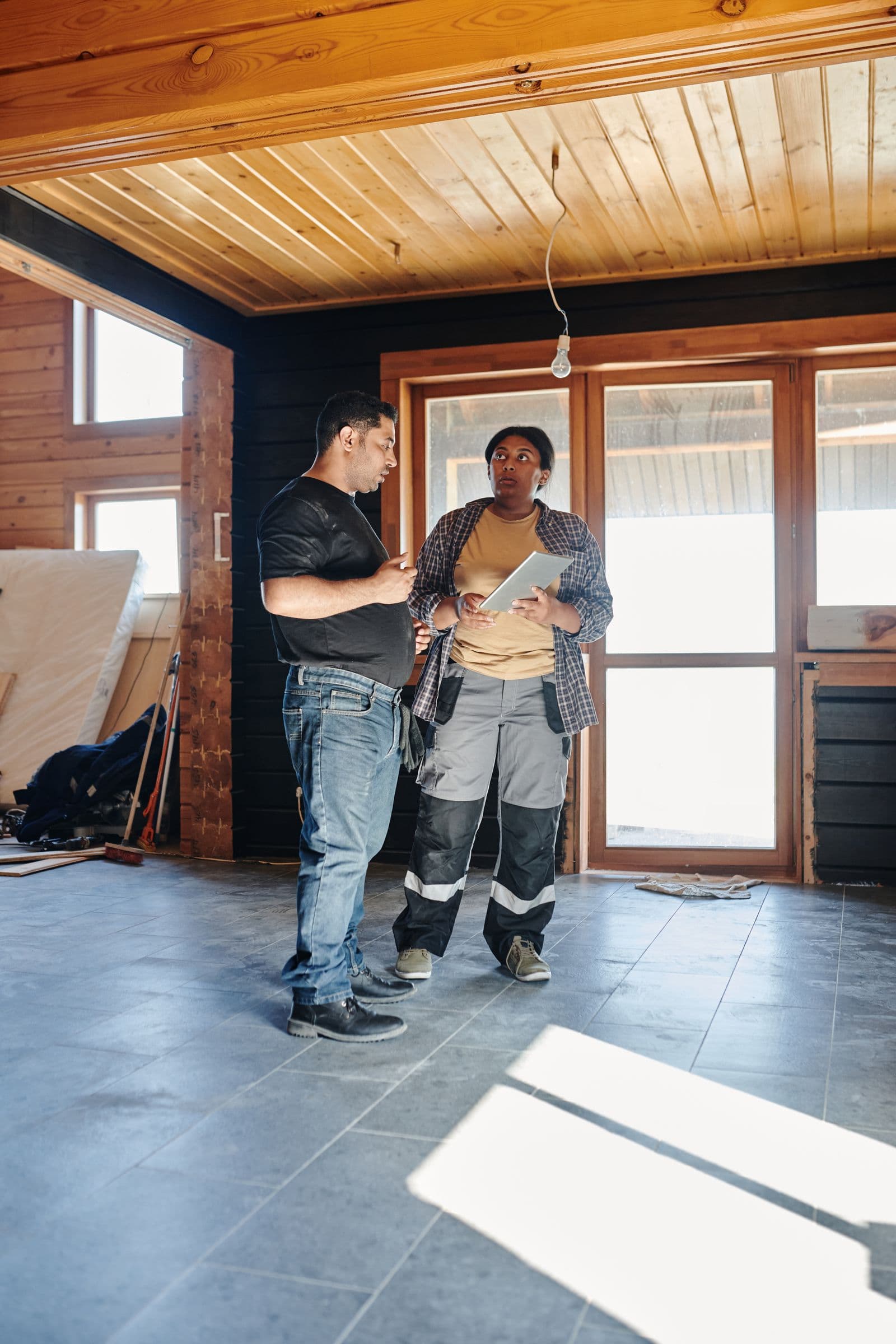
What the work actually looks like
A battery job is an electrical job. The panel, the circuits and the disconnection are most of it.
Battery backup in New York City, answered plainly
Who is the electric utility in New York City?+
Con Edison serves most of New York City and Westchester County. The Rockaways and parts of Queens near Nassau County are served by PSEG Long Island instead, so check the name on your bill.
How bad were Con Edison's outages during Sandy?+
Con Edison restored power to more than 1 million customers after Sandy and the Nor'easter that followed, five times as many outages as Hurricane Irene. About 16,300 customers in flooded areas needed their own equipment repaired and certified before reconnection.
Does Con Edison have a time-of-use rate?+
Yes. Residential delivery is $0.2786 per kWh from 8 a.m. to midnight June through September and $0.1711 in other months, against $0.0522 off-peak, before surcharges. Summer super-peak supply pricing applies weekdays from 2 to 6 p.m.
Will Con Edison pay me to use my battery?+
Its Bring Your Own Battery program pays $100 per kW of seasonal performance in 2026 for batteries that discharge during events. You enroll between May 1 and September 30 through an approved service provider.
Do I need an FDNY permit for a home battery?+
The battery needs an FDNY Certificate of Approval and the installation needs a DOB work permit. One- and two-family homes do not need the separate FDNY operating permit.
Who installs it, and who is responsible afterwards?+
Seamless Home is the licensed contractor of record on the work it runs. Installation is performed by vetted installing partners engaged as our subcontractors, so the permit, the inspection and any correction notice carry one name. Coverage is confirmed per service area rather than promised as blanket availability.
Related resources
Home battery backup
The national service page behind this one.
Learn more →Home battery backup in Newark, NJ
PSE&G's GridSmart rebate and the Sandy record.
Learn more →Home battery backup in Philadelphia
PECO outages and rates.
Learn more →New York City water quality
Catskill/Delaware and Croton water.
Learn more →Critical load panel planner
Pick the circuits a battery should carry.
Learn more →Get a free estimate for New York City
Tell us your address, whether the battery would go indoors or outside, and which circuits must stay on in an outage. We confirm coverage first — no charge to talk, no obligation.
Get a Free Estimate