Dallas, Texas
Home Battery Backup in Dallas, TX
A single storm in May 2024 left more than 650,000 Oncor customers without power. With solar buyback left to your retail provider's contract, backup is the main reason Dallas homes add a battery.
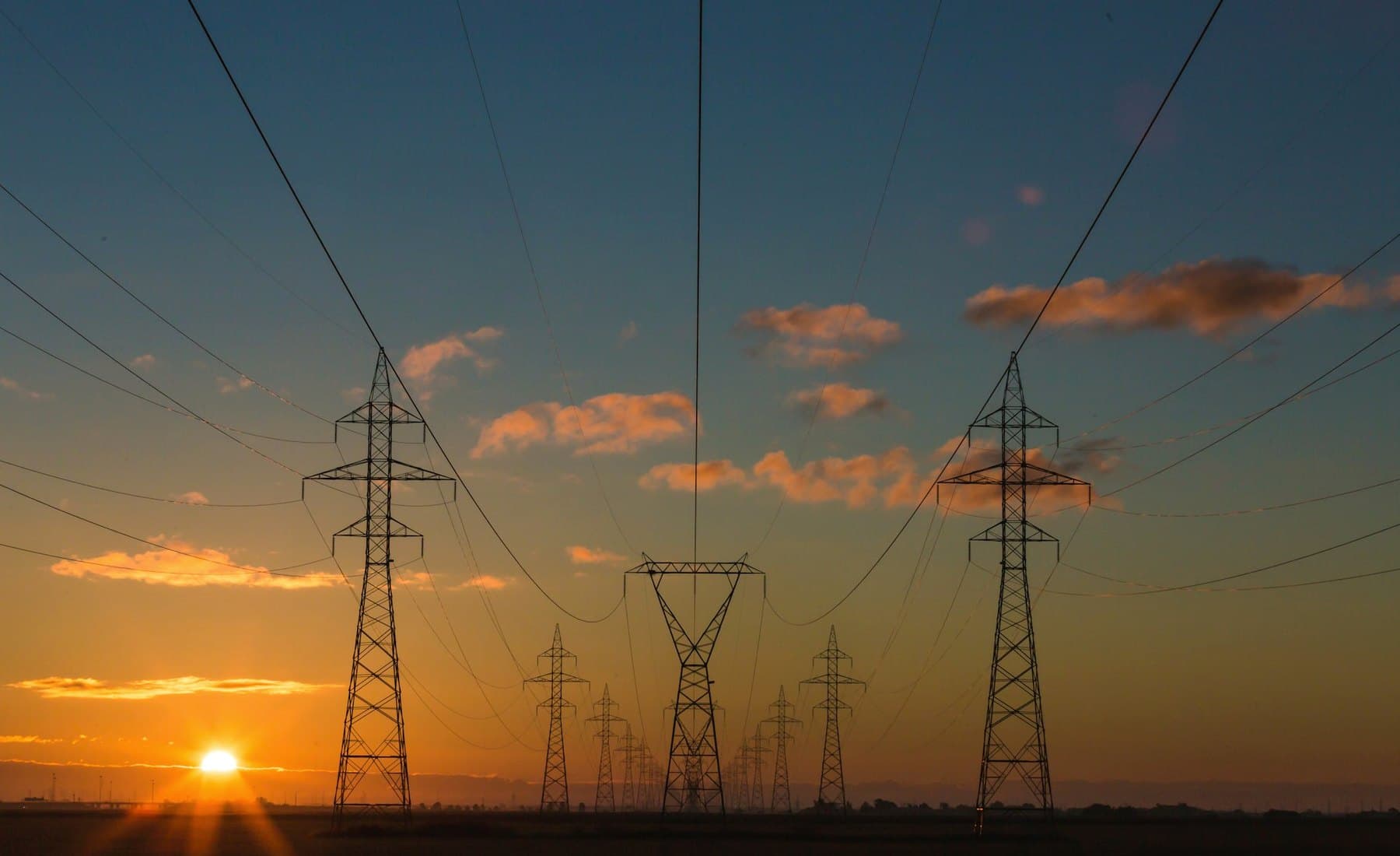
Oncor, May 28, 2024: 650,000+ outages · ERCOT rotating outages, Feb 15, 2021 · Solar buyback set by your retail plan, not the state.
The short answer
Dallas homes get power over Oncor's lines and buy it from a retail electric provider. After the May 28, 2024 storm, Oncor reported more than 650,000 customer outages; in February 2021, ERCOT ordered rotating outages across the grid.
Texas has no statewide net metering. Your provider is not required to buy excess solar, and any buyback rate is part of your plan, so in Dallas a battery is mainly about keeping chosen circuits on.
Get a Free Estimate
Tell us your Dallas address, whether you have solar and what must stay on in an outage. We confirm coverage before anyone sizes a battery.
Oncor outages and Texas solar rules
From Oncor's May 2024 storm releases, ERCOT's February 2021 event record and the Public Utility Commission of Texas.
May 28, 2024: 650,000+ outages
A storm system moved through Dallas–Fort Worth on May 28, 2024 and caused more than 650,000 Oncor customer outages. Oncor restored more than 340,000 within 24 hours and more than 400,000 by the next afternoon, with harder-hit areas expected to wait until the weekend.
February 2021: rotating outages
On February 15, 2021, ERCOT, which runs most of the Texas grid, called for rotating outages as extreme winter weather forced generating units offline. Those were grid-wide supply shortfalls rather than local line damage, and Dallas sits inside the ERCOT grid.
Your retail provider sets the buyback
In Oncor's territory you buy power from a retail electric provider. The PUCT says you can sell excess solar only to that provider, the provider is not required to buy it, and any buyback rate is part of your contract and usually lower than the retail price.
Where a battery fits in Dallas
Backup leads; bill savings depend on your retail plan.
Damage at the house delays reconnection
Oncor notes that when a storm pulls off or damages a meter base or weatherhead, the customer has to have an electrician repair it, and sometimes pass a city inspection, before Oncor can restore power. A battery covers that gap as well as the utility's own repair time.
Backup is the main case
Because buyback terms vary by retail plan and are often below retail, a Dallas battery is usually justified by outage protection first. Storing your own solar for evening use can help too, depending on your plan.
Register with Oncor
The PUCT says a home solar or battery system must be registered with the local poles-and-wires utility — Oncor in Dallas — through an interconnection agreement, whichever retail provider you use.
What to back up in a Texas outage
Refrigeration, internet, lighting, a gas furnace's blower in winter, and medical equipment are the usual list. Central air is a large load; whether it can be carried depends on the inverter's continuous and surge ratings.
Dallas next to Houston and Austin
Houston works the same way — a wires-only utility plus a retail provider — but its recent outages came from Hurricane Beryl and the 2024 derecho. Austin is different: one city-owned utility sets a fixed solar credit and pays homeowners to enroll batteries.
For the water side of the same house, see Dallas water quality. To pick circuits, use the critical load panel planner.
Where these figures come from
- Oncor — Restoration update, May 29, 2024 — outage and restoration counts, meter base and weatherhead repairs.
- ERCOT — February 2021 Extreme Weather Event
- PUCT — Thinking About Solar Panels for Your Home? — buyback rates, no state rebates, registration with the local utility.
- Power to Choose (PUCT) — Selling excess renewable power
What a home battery job with us covers
Installation of storage and the backup circuits behind it, with the siting and utility paperwork handled.
Battery installation
Wall or floor-mounted storage installed to the listing and to the residential code sections that govern where it may go.
Backup and critical load panel
Deciding and wiring which circuits stay live, and which must never be on backup — the choice that defines what an outage feels like.
Integration with existing PV solar
Connecting storage to an array that is already on the roof, including whether the existing inverter supports it.
Transfer switch and disconnection
The equipment that separates the house from the grid during an outage, which is what makes backup legal as well as possible.
Siting to code
Location, clearances, separation and impact protection assessed against the adopted code before anything is mounted.
Permit, inspection and utility approval
The electrical permit, the inspection, and the utility's own approval step where storage touches the service.
This is installation work. No runtime, capacity or incentive figure is quoted before your loads and your utility are confirmed. Coverage is confirmed per service area rather than promised as blanket availability.
What the work actually looks like
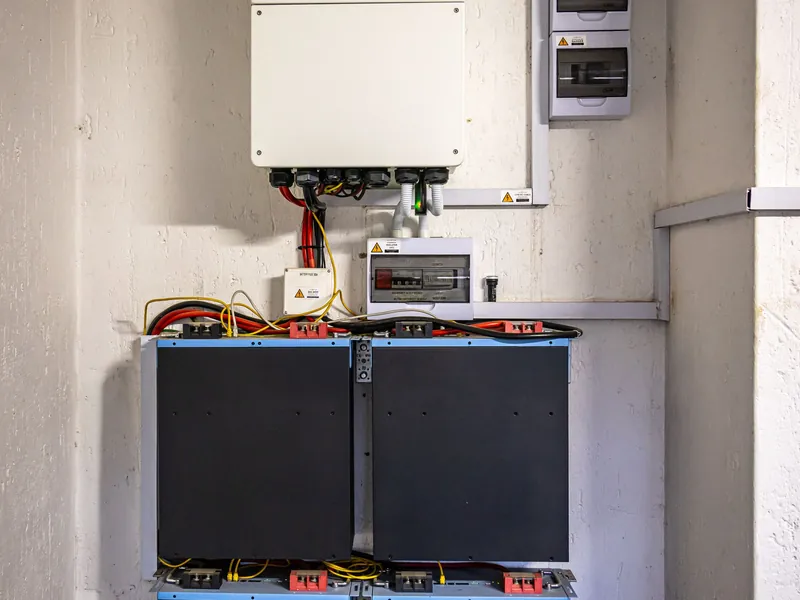
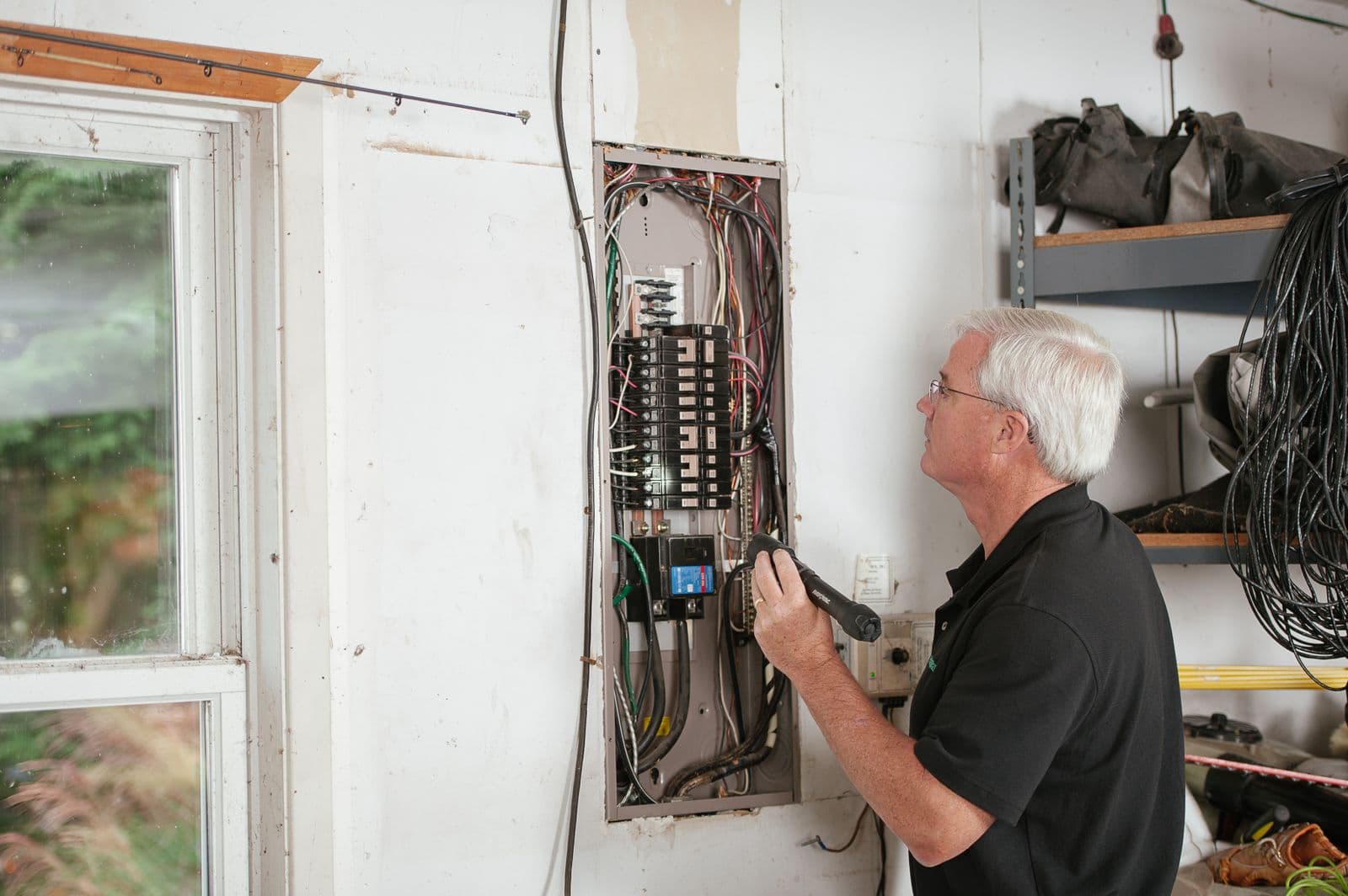
A battery job is an electrical job. The panel, the circuits and the disconnection are most of it.

Battery backup in Dallas, answered plainly
Who is the electric utility in Dallas?+
Oncor owns and maintains the poles and wires and restores outages. You buy electricity from a retail electric provider you choose. Your provider bills you, but Oncor is who you call about an outage.
Does Texas have net metering?+
Not as a statewide rule. In competitive areas like Dallas, the PUCT says you may sell excess power only to your own retail provider, which is not required to buy it. Some providers offer buyback plans; the rate is part of your contract and usually lower than what you pay for power.
Are there Texas state rebates for solar or batteries?+
The PUCT says the State of Texas does not offer grants or rebates for installing solar panels; Texas Tax Code 11.27 covers a property tax exemption. Federal tax credits and any retail-provider programs are separate.
How bad was the May 2024 Dallas storm for power?+
Oncor reported more than 650,000 customer outages after the May 28, 2024 storm. It restored more than 340,000 customers within 24 hours and more than 400,000 by the afternoon of May 29, with more than 7,500 personnel working.
Do solar panels keep my power on in an outage?+
Not on their own. Grid-tied inverters shut down when the grid is down. A battery and an isolating transfer device are what let solar keep chosen circuits running.
Who installs it, and who is responsible afterwards?+
Seamless Home is the licensed contractor of record on the work it runs. Installation is performed by vetted installing partners engaged as our subcontractors, so the permit, the inspection and any correction notice carry one name. Coverage is confirmed per service area rather than promised as blanket availability.
Related resources
Home battery backup
The national service page behind this one.
Learn more →Home battery backup in Houston
CenterPoint, Beryl and retail buyback plans.
Learn more →Home battery backup in Austin
Austin Energy's battery rebate and solar credit.
Learn more →Home battery backup in Oklahoma City
OG&E time-of-use rates to the north.
Learn more →All home services
Water, battery, HVAC and solar under one licensed contractor of record.
Learn more →Get a free estimate for Dallas
Tell us your address, whether you have solar, which retail plan you are on and which circuits must stay on in an outage. We confirm coverage first — no charge to talk, no obligation.
Get a Free Estimate