Austin, Texas
Home Battery Backup in Austin, TX
Austin Energy now pays homeowners to enroll a battery — $500 up front and $75 per kW a year — and it raised its solar credit to 12.89¢. Winter Storm Mara is the reason the backup half matters.
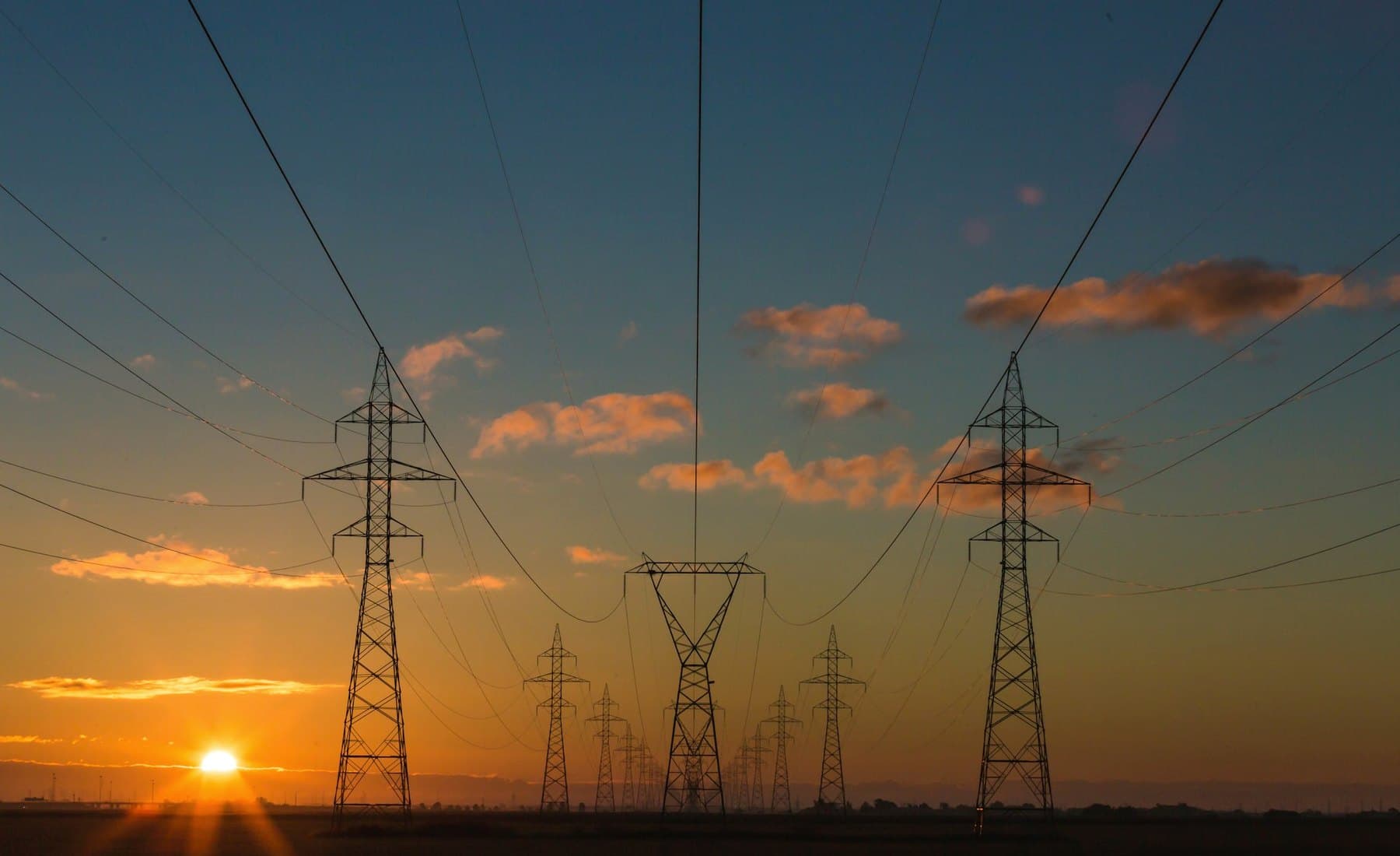
Power Partner: $500 rebate + $75/kW-yr · Value of Solar 12.89¢/kWh from Oct 1, 2026 · Mara (Feb 2023): 170,000+ out, 32%.
The short answer
Austin homes are served by Austin Energy, the city-owned utility. Its Power Partner Battery pilot pays a $500 rebate per battery system and $75 per kW a year for letting the utility draw on it during up to 40 peak events. Solar production is credited at 12.89¢ per kWh from October 1, 2026.
During Winter Storm Mara in February 2023, more than 170,000 Austin Energy customers — 32% — lost power at the peak. Austin Energy says it typically skips events when a severe storm is forecast.
Get a Free Estimate
Tell us your Austin address, whether you have solar and what must stay on in an outage. We confirm coverage before anyone sizes a battery.
Austin Energy outages, incentives and credits
From Austin Energy's Winter Storm Mara after-action report, its Power Partner Battery page and its October 2026 Value of Solar announcement.
Winter Storm Mara: 32% out
Austin Energy's after-action report calls the February 2023 ice storm catastrophic and hurricane-level. A peak of more than 170,000 customers, 32% of the utility's customers, lost power, and 99.93% had been restored by Saturday, February 11.
Power Partner: $500 plus $75 per kW
Austin Energy's Power Partner Battery pilot pays a $500 rebate for each battery system that receives Permission to Operate on or after February 18, 2025, then $75 per kW each year based on how much the battery delivers during events. Austin Energy's own example works out to about $324 a year for one Powerwall.
Value of Solar: 12.89¢ per kWh
From October 1, 2026, Austin Energy credits residential solar production at 12.89¢ per kWh, a 27% increase. It credits 100% of what the panels produce, and you are billed for everything the home uses at standard rates.
Where a battery fits in Austin
The program pays on hot afternoons; the backup is for ice and wind.
Events are capped and skip storm days
Power Partner events usually last two to three hours and are limited to 40 a year, excluding grid emergencies. Austin Energy says it typically will not call an event when a severe storm is forecast, so the battery stays available for backup.
Your reserve stays yours
Events do not draw the battery below your backup reserve. Austin Energy's FAQ says that floor is 20 percent, and you can override any individual event from the manufacturer's app.
Solar is optional
A battery can enroll without solar panels; it charges from the grid. Third-party-owned batteries are not eligible, and a participating contractor has to install the system.
What to back up in an ice storm
A gas furnace still needs power for its blower and controls. Those circuits, plus refrigeration, a well or sump pump if you have one, and medical equipment, make up the usual backup list in a winter outage.
Austin next to the rest of Texas
In Houston and Dallas, a wires-only utility delivers the power and a retail provider you choose sets any solar buyback rate. Austin skips that split: one city-owned utility sets the credit, runs the battery program and restores outages.
For the water side of the same house, see Austin water quality. If you already have panels, read whether adding a battery needs a new interconnection application.
Where these figures come from
- Austin Energy — Power Partner Battery — $500 rebate, $75 per kW, event limits, eligibility.
- Austin Energy — Value of Solar rate increase (October 22, 2026)
- Austin Energy — February 2023 Winter Storm Mara After-Action Report
- Power to Choose (PUCT) — Selling excess renewable power — how municipal and competitive areas differ.
What a home battery job with us covers
Installation of storage and the backup circuits behind it, with the siting and utility paperwork handled.
Battery installation
Wall or floor-mounted storage installed to the listing and to the residential code sections that govern where it may go.
Backup and critical load panel
Deciding and wiring which circuits stay live, and which must never be on backup — the choice that defines what an outage feels like.
Integration with existing PV solar
Connecting storage to an array that is already on the roof, including whether the existing inverter supports it.
Transfer switch and disconnection
The equipment that separates the house from the grid during an outage, which is what makes backup legal as well as possible.
Siting to code
Location, clearances, separation and impact protection assessed against the adopted code before anything is mounted.
Permit, inspection and utility approval
The electrical permit, the inspection, and the utility's own approval step where storage touches the service.
This is installation work. No runtime, capacity or incentive figure is quoted before your loads and your utility are confirmed. Coverage is confirmed per service area rather than promised as blanket availability.
What the work actually looks like
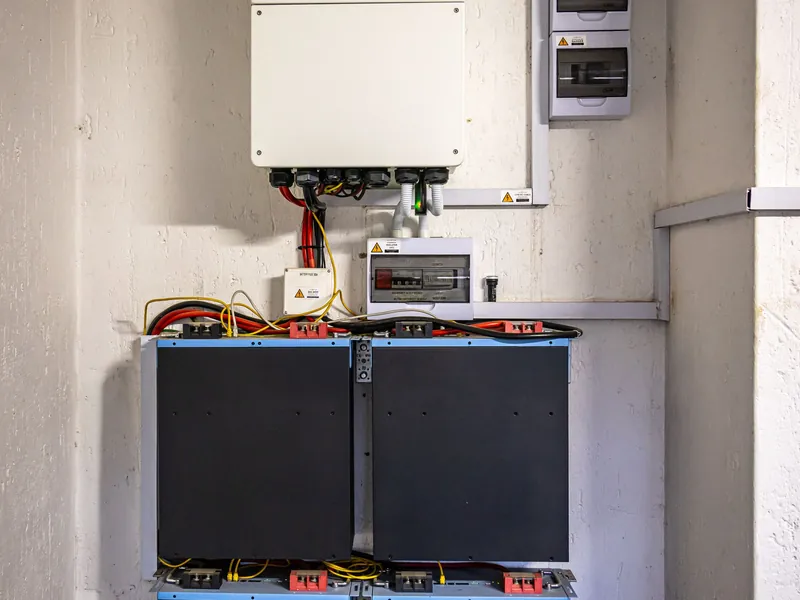
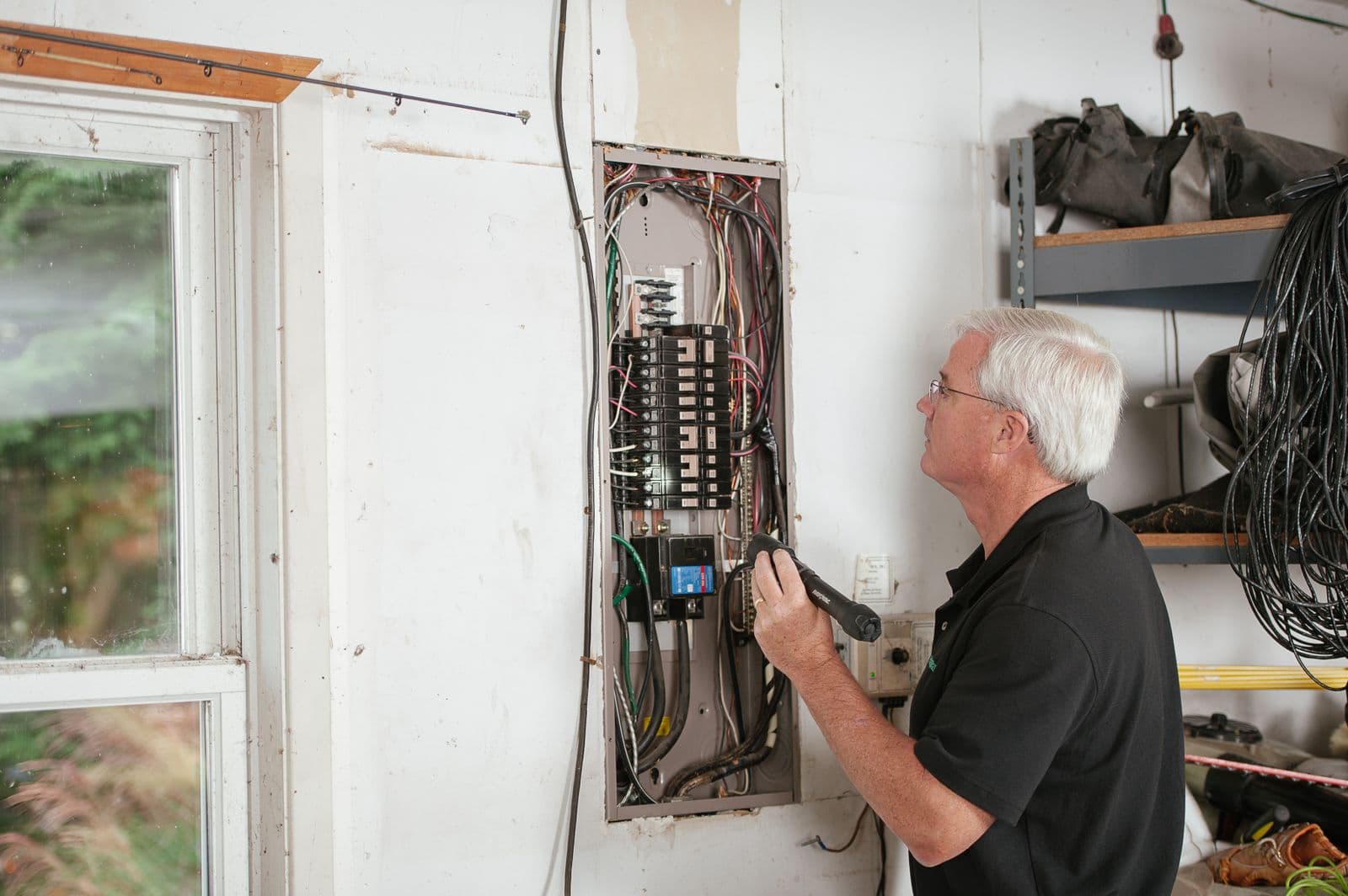
A battery job is an electrical job. The panel, the circuits and the disconnection are most of it.

Battery backup in Austin, answered plainly
Who is the electric utility in Austin?+
Austin Energy, the city-owned utility. Unlike Houston or Dallas, Austin Energy's territory is not open to retail electric competition, so you do not choose a separate retail provider. The Public Utility Commission of Texas notes that municipal utilities set their own terms for customer-sited generation.
Does Austin Energy offer a battery rebate?+
Yes. Through the Power Partner Battery pilot, Austin Energy pays $500 for each battery system that passes its final inspection and gets Permission to Operate on or after February 18, 2025, plus an annual performance payment of $75 per kW. Funding is limited and first come, first served.
How much can a battery earn in Power Partner?+
It depends on battery size, reserve setting and event length. Austin Energy's example is a 13.5 kWh Powerwall with a 20% reserve and 2.5-hour events: about 4.3 kW average, or about $324 a year.
Will Austin Energy drain my battery before a storm?+
Austin Energy says it typically will not call events when a severe storm is forecast, and that a battery's storm mode, if enabled, overrides its remote control to charge to 100 percent when a severe weather warning is issued.
Do solar panels keep my power on in an outage?+
Not on their own. Grid-tied inverters shut down when the grid is down. A battery and an isolating transfer device are what let solar keep chosen circuits running.
Who installs it, and who is responsible afterwards?+
Seamless Home is the licensed contractor of record on the work it runs. Installation is performed by vetted installing partners engaged as our subcontractors, so the permit, the inspection and any correction notice carry one name. Coverage is confirmed per service area rather than promised as blanket availability.
Related resources
Home battery backup
The national service page behind this one.
Learn more →Home battery backup in Houston
CenterPoint, Beryl and retail buyback plans.
Learn more →Home battery backup in Dallas
Oncor territory and the May 2024 storm.
Learn more →Critical load panel planner
Pick the circuits a battery should carry.
Learn more →All home services
Water, battery, HVAC and solar under one licensed contractor of record.
Learn more →Get a free estimate for Austin
Tell us your address, whether you have solar, whether you want to enroll in Power Partner and which circuits must stay on in an ice storm. We confirm coverage first — no charge to talk, no obligation.
Get a Free Estimate