Tulsa, Oklahoma
Home Battery Backup in Tulsa
PSO's March 2025 windstorm peaked at more than 25,000 outages, and summer Time of Day rates jump to about 25¢ on weekday afternoons. A battery covers both storms and that peak window.
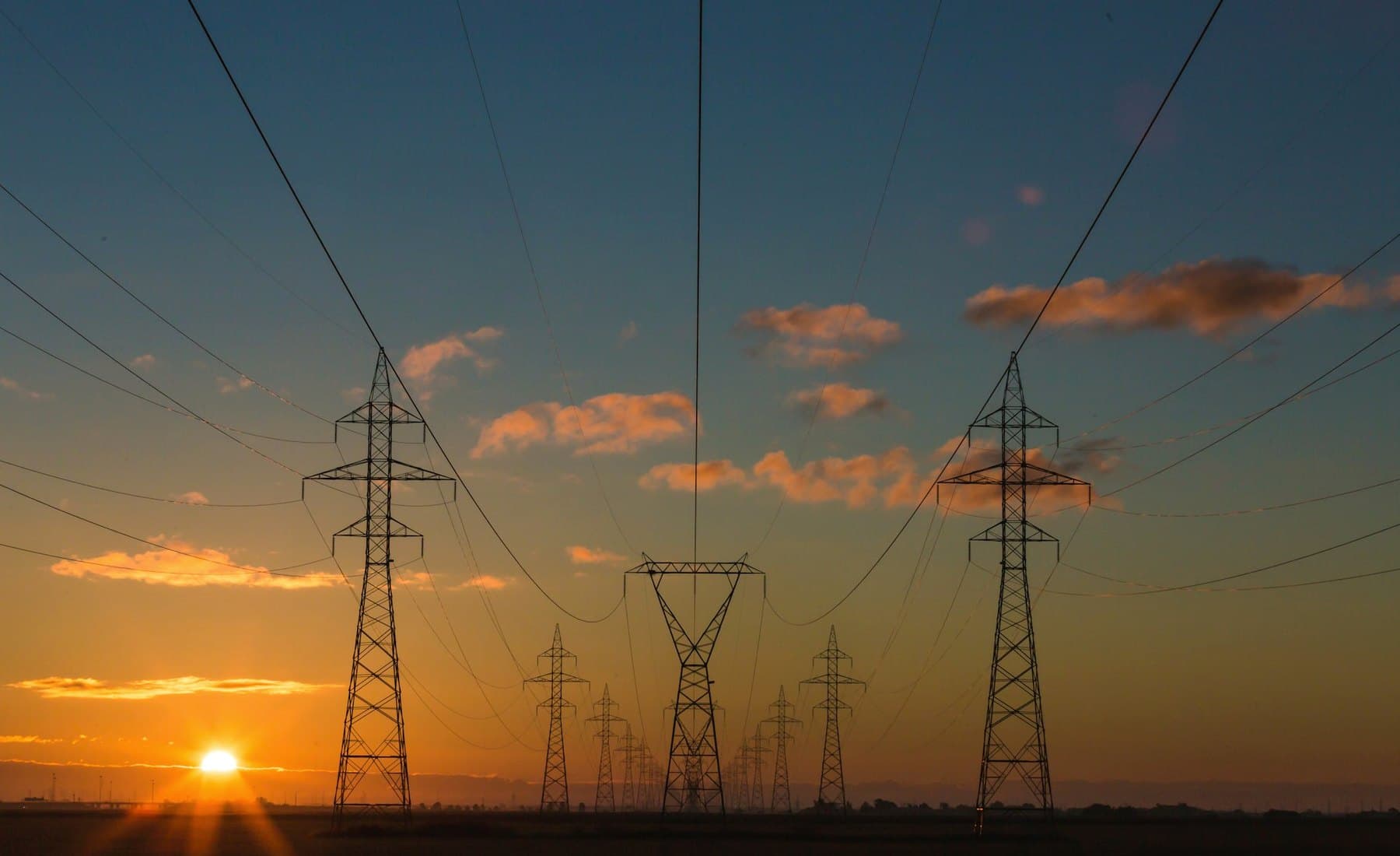
PSO Mar 14, 2025: 25,663 peak outages · RSTOD on-peak 24.85¢ (2–7 p.m. summer weekdays) · OCC 2025 SAIDI 105.45 min.
The short answer
Tulsa is served by Public Service Company of Oklahoma (PSO). On the voluntary Time of Day residential schedule, summer weekday afternoons (2–7 p.m.) cost $0.248475 per kWh against $0.051016 for other kWh in that season.
Storms are the bigger reason most homeowners look at a battery: PSO's March 14, 2025 wind event peaked at 25,663 customer outages before crews finished restoration the next day.
Get a Free Estimate
Tell us your Tulsa address, whether you have solar and what must stay on in an outage. We confirm coverage before anyone sizes a battery.
PSO rates and storm outages in Tulsa
From PSO's filed residential tariffs, its March 2025 wind-event release, and the Oklahoma Corporation Commission reliability scorecard.
March 2025 wind event: 25,663 outages
PSO's March 20, 2025 release on the March 14 wind event says customer outages peaked at 25,663 Friday afternoon, with about 95% restored by 8 a.m. Saturday and complete restoration by 5 p.m. Sustained winds near 40 mph and gusts near 70 mph damaged poles, cross arms and wire across the territory.
Time of Day: 24.8¢ on-peak in summer
On PSO's voluntary Residential Service Time of Day (RSTOD) schedule (effective January 30, 2025), on-peak energy in the June–October billing months is $0.248475 per kWh from 2:00 p.m. to 7:00 p.m. Monday–Friday (excluding Juneteenth, Independence Day and Labor Day). All other kWh in that season are $0.051016.
Standard RS is seasonal, not hourly
Most homes sit on Residential Service (RS): $17.00 base charge, then June–October tiers of 8.8792¢ for the first 1,350 kWh and 11.4186¢ above that; November–May tiers step down to 7.9241¢ / 5.2529¢ / 3.5221¢. Fuel and tax riders adjust the final bill.
Where a battery fits in Tulsa
Severe-weather backup first, then summer afternoon peak shifting on Time of Day.
Storm and wind backup
Severe weather is the main outage driver in Green Country. A battery with a critical load panel keeps refrigeration, internet, medical devices and sump pumps on while crews replace poles and wire.
Shift the 2–7 p.m. summer peak
On RSTOD, weekday afternoons in summer cost nearly five times the off-peak energy charge. A battery charged overnight or from midday solar can cover that window without running the whole house through storage.
Tornado-season planning
Spring and early summer storms in the Tulsa area often take down overhead lines in clusters. Runtime still depends on which circuits you wire to the battery — we do not quote hours before seeing the panel.
Pick circuits, not the whole house
Central air, electric ranges and EV chargers drain storage fast. Sizing starts from the loads that must stay on.
Tulsa next to Oklahoma City and Wichita
Oklahoma City sits on OG&E, a different utility with its own rate book and storm history.
In Wichita the utility is Evergy, with a June 2025 storm that left tens of thousands without power and a small company-owned battery pilot.
Where these figures come from
Rates trace to PSO's filed residential tariffs; outage counts to PSO's own news release; reliability averages to the Oklahoma Corporation Commission scorecard.
- PSO — Residential Service / Time of Day tariffs (PDF, effective January 30, 2025) — RS and RSTOD energy charges and peak windows.
- PSO — Thanks Customers for Patience During March 14 Wind Event (March 20, 2025) — 25,663 peak outages, restoration timeline, poles and wire replaced.
- Oklahoma Energy Today — OCC 2026 Regulated Electric Utilities Reliability Scorecard — PSO 2025 SAIFI 1.16 and SAIDI 105.45 minutes.
What a home battery job with us covers
Installation of storage and the backup circuits behind it, with the siting and utility paperwork handled.
Battery installation
Wall or floor-mounted storage installed to the listing and to the residential code sections that govern where it may go.
Backup and critical load panel
Deciding and wiring which circuits stay live, and which must never be on backup — the choice that defines what an outage feels like.
Integration with existing PV solar
Connecting storage to an array that is already on the roof, including whether the existing inverter supports it.
Transfer switch and disconnection
The equipment that separates the house from the grid during an outage, which is what makes backup legal as well as possible.
Siting to code
Location, clearances, separation and impact protection assessed against the adopted code before anything is mounted.
Permit, inspection and utility approval
The electrical permit, the inspection, and the utility's own approval step where storage touches the service.
This is installation work. No runtime, capacity or incentive figure is quoted before your loads and your utility are confirmed. Coverage is confirmed per service area rather than promised as blanket availability.
What the work actually looks like
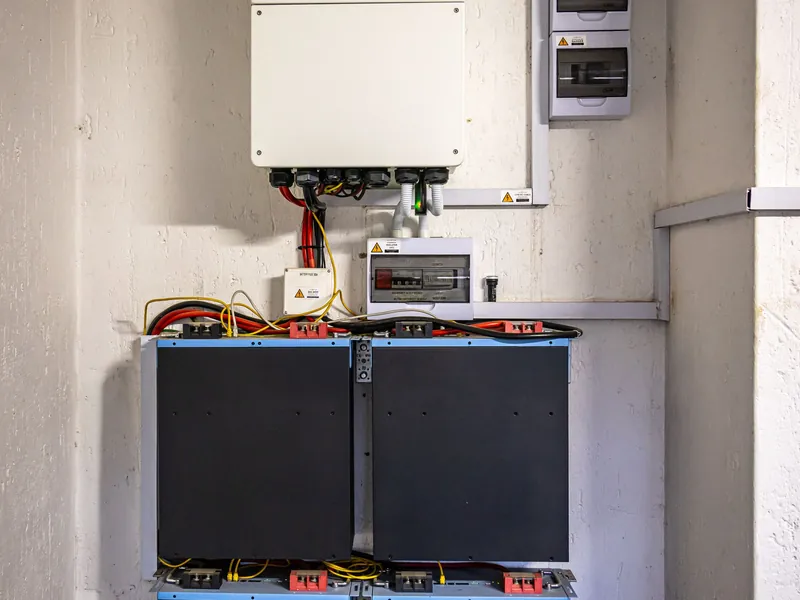
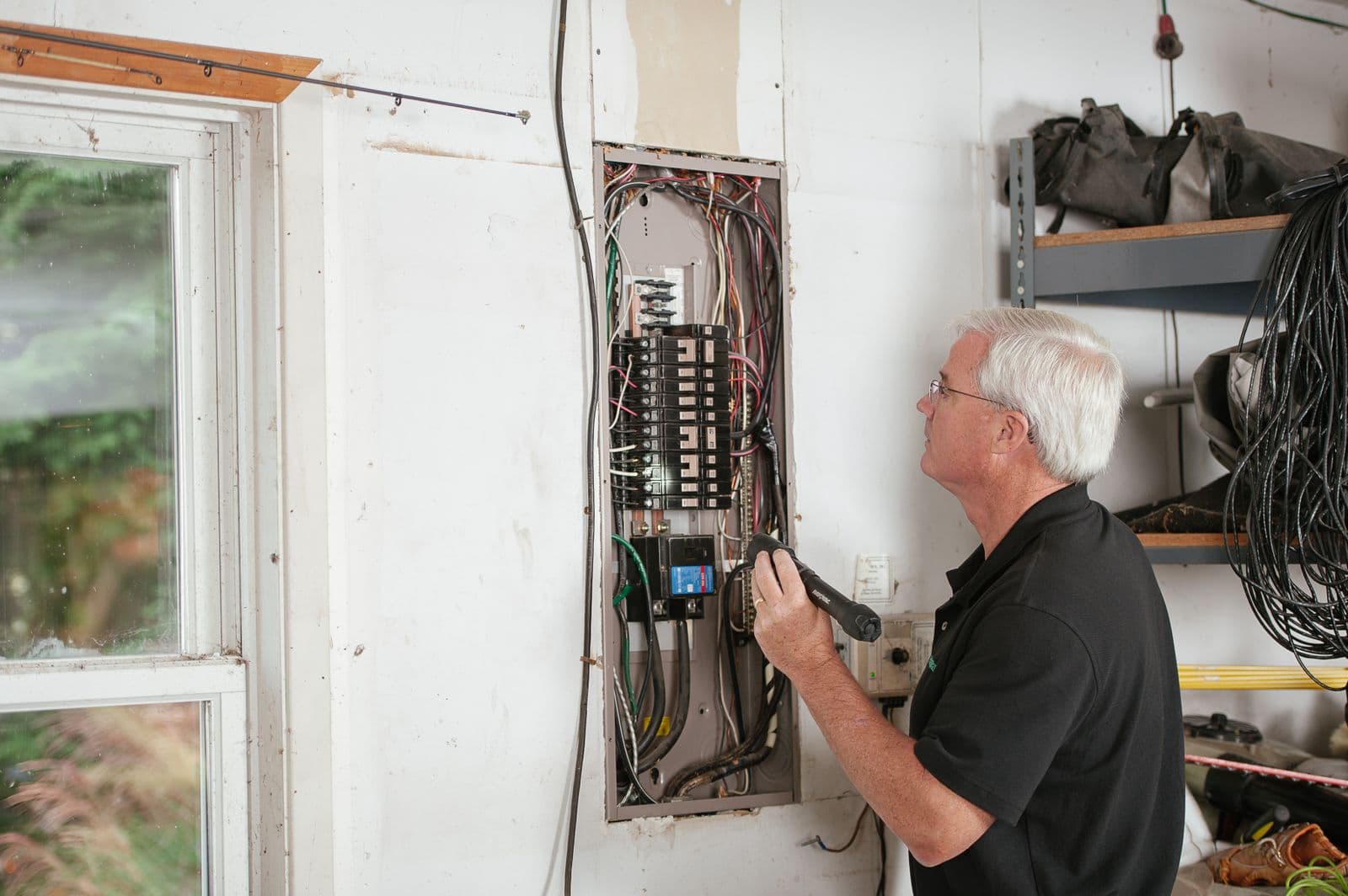
A battery job is an electrical job. The panel, the circuits and the disconnection are most of it.

Battery backup in Tulsa, answered plainly
Who is the electric utility in Tulsa?+
Public Service Company of Oklahoma (PSO), an AEP company, serves Tulsa and much of eastern Oklahoma. Confirm your provider on your bill — some nearby areas are served by cooperatives or OG&E.
When is PSO's on-peak period on Time of Day?+
On the Residential Service Time of Day schedule, on-peak is 2:00 p.m. to 7:00 p.m. Monday through Friday during the June–October billing months, excluding Juneteenth, Independence Day and Labor Day. All other hours in that season, and the entire November–May season, bill at the off-peak or seasonal tier rates.
What does PSO Residential Service cost?+
RS (effective January 30, 2025) has a $17.00 monthly base charge. On-peak season (June–October): $0.088792 per kWh for the first 1,350 kWh and $0.114186 above that. Off-peak season (November–May): $0.079241 / $0.052529 / $0.035221 across three usage steps. Fuel and tax riders apply.
How often do Tulsa customers lose power?+
The Oklahoma Corporation Commission's 2026 reliability scorecard (calendar year 2025) lists PSO's system average interruption frequency at 1.16 outages per customer and average interruption duration at 105.45 minutes. Individual neighborhoods vary with weather and feeder design.
Do solar panels keep my power on in an outage?+
Not on their own. Grid-tied inverters shut down when the grid is down. A battery and an isolating transfer device are what let solar keep chosen circuits running.
How long will a battery run my house?+
It depends on capacity and which circuits you put on it, so we don't quote a runtime before seeing the panel.
Who installs it, and who is responsible afterwards?+
Seamless Home is the licensed contractor of record on the work it runs. Installation is performed by vetted installing partners engaged as our subcontractors, so the permit, the inspection and any correction notice carry one name. Coverage is confirmed per service area rather than promised as blanket availability.
Related resources
Home battery backup
The national service page behind this one.
Learn more →Home battery backup in Oklahoma City, OK
OG&E territory — the other large Oklahoma metro page.
Learn more →Home battery backup in Wichita, KS
Evergy June 2025 storms, Schedule RS rates and a $10/mo battery pilot.
Learn more →Critical load panel planner
Pick the circuits a battery should carry.
Learn more →All home services
Water, battery, HVAC and solar under one licensed contractor of record.
Learn more →Get a free estimate for Tulsa
Tell us your address, whether you have solar and which circuits must stay on in a storm outage. We confirm PSO-area coverage first — no charge to talk, no obligation.
Get a Free Estimate